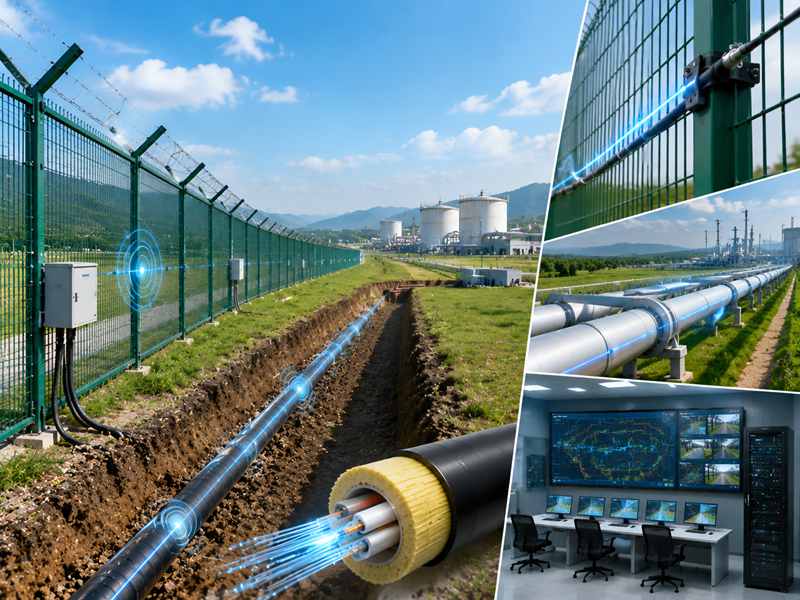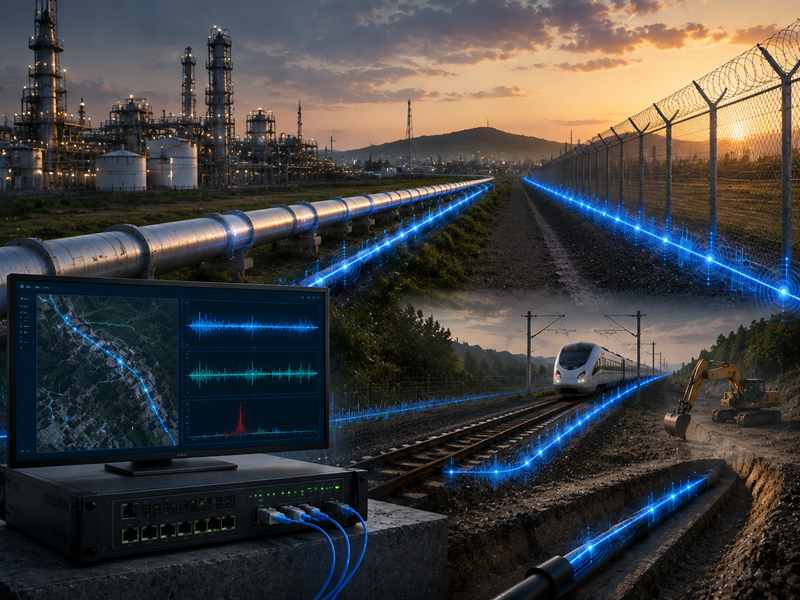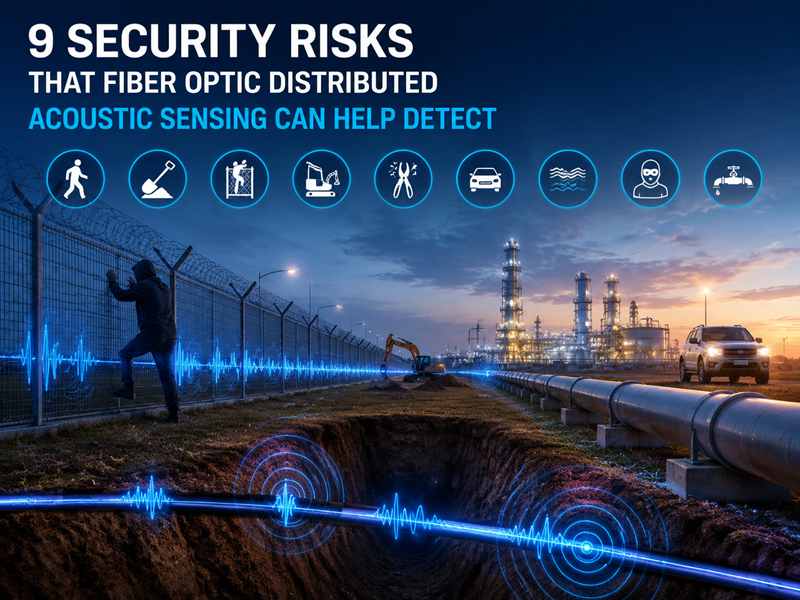
Fibre optic cables are used by distributed acoustic sensing (DAS) to detect mechanical disturbance, movement, and vibration over great distances.
In security applications, DAS provides continuous real-time monitoring for fence lines, pipelines, borders, railways, power facilities, solar farms, airports, and oil and gas sites. It helps detect intrusion, climbing, cutting, digging, vehicle movement, tampering, and other abnormal activities.
What Makes DAS Useful for Security?
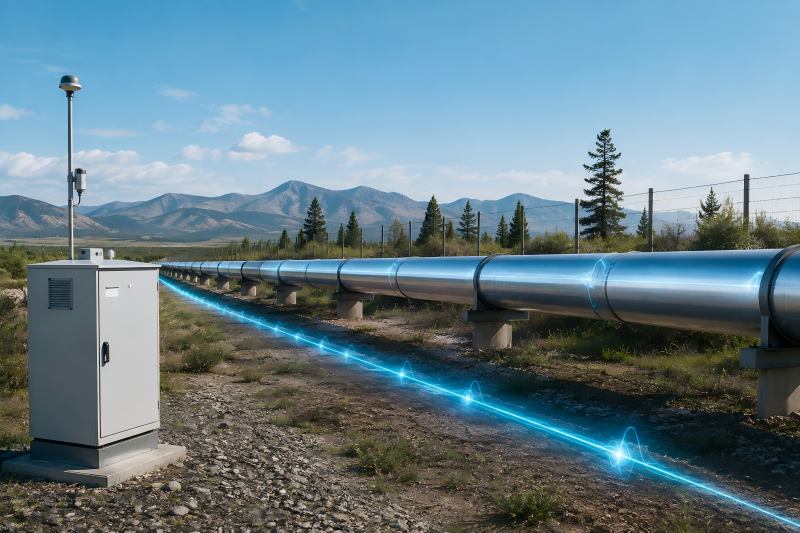
Distributed acoustic sensing turns an optical fiber cable into a long sensing line. When vibration or acoustic energy affects the cable, the DAS interrogator analyzes the signal and identifies the event location. This makes it suitable for large-scale security projects where traditional sensors may be difficult, expensive, or inefficient to deploy.
Key Security Advantages of DAS
| Advantage | Security Value |
| Long-distance monitoring | Suitable for large perimeters and linear assets |
| Real-time detection | Helps security teams respond quickly |
| Location accuracy | Shows where the event happened |
| Passive sensing cable | No power required along the fiber route |
| Harsh-environment adaptability | Works in remote, dusty, hot, cold, or wet sites |
| Event classification | Helps distinguish intrusion from environmental noise |
| Integration capability | Can link with CCTV, alarms, maps, and command platforms |
DAS is especially useful when the protected area is long, remote, difficult to patrol, or exposed to frequent intrusion risks.
Perimeter Intrusion Detection
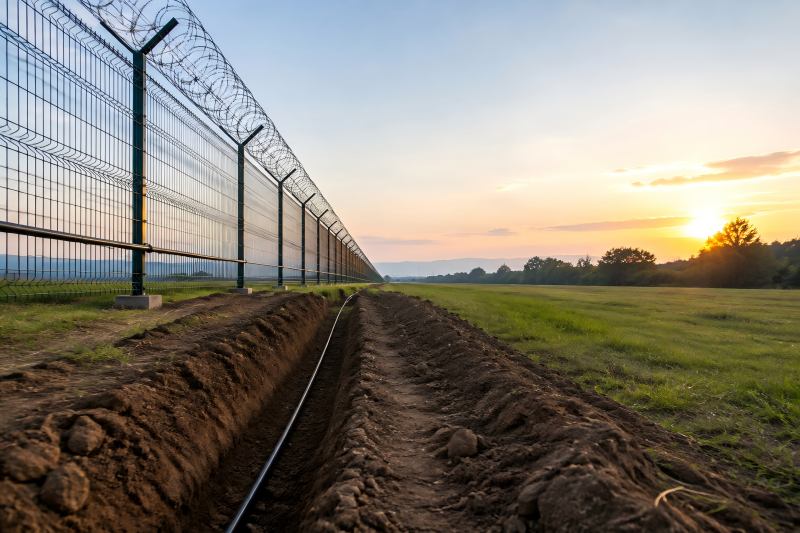
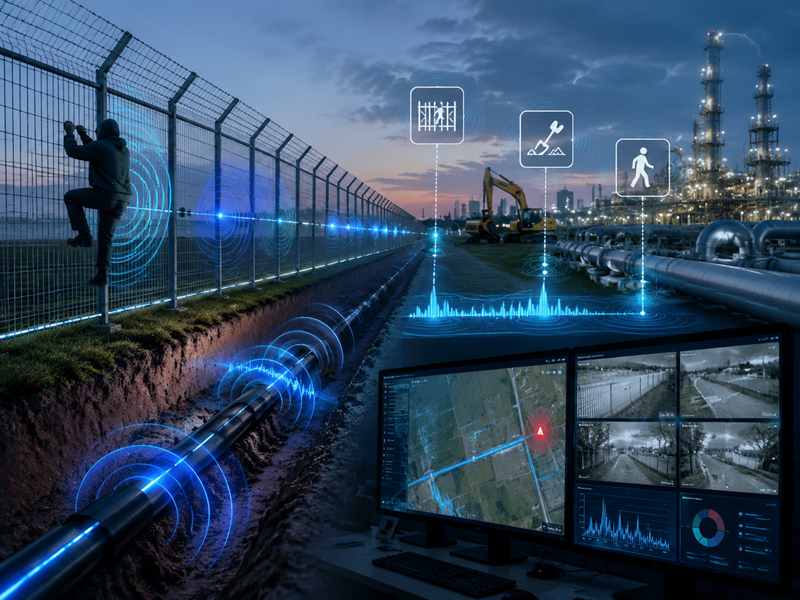
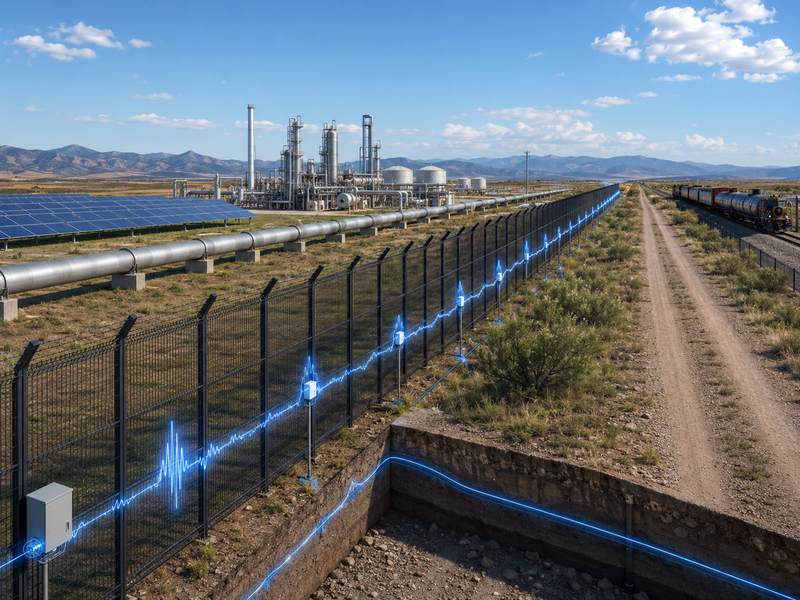
One of the most common security applications of DAS is perimeter intrusion detection. The fiber optic cable can be installed on a fence, buried near a fence line, or routed around the boundary of a protected site. When someone climbs, cuts, shakes, digs, or approaches the perimeter, the system detects the vibration and sends an alarm.
AP Sensing states that DAS can act as a perimeter intrusion detection system and detect footsteps, vehicle movements, mechanical disturbances, and tampering along extensive perimeters.
Common Perimeter Security Sites
- Industrial parks
- Warehouses
- Power plants
- Airports
- Military zones
- Solar farms
- Oil depots
- Data centers
- High-security factories
- Border facilities
Why DAS Is Effective
Traditional fence sensors may only detect activity in short sections. Cameras may have blind spots, poor visibility at night, or reduced performance in bad weather. DAS provides continuous sensing along the fiber route, making it suitable for large perimeter areas.
| Perimeter Threat | DAS Detection Method |
| Fence climbing | Detects vibration on the fence |
| Fence cutting | Detects mechanical disturbance |
| Digging near fence | Detects ground vibration |
| Vehicle approaching | Detects low-frequency vibration |
| Repeated tampering | Detects abnormal signal patterns |
For better performance, DAS can be integrated with CCTV or PTZ cameras. When DAS detects an event, the system can automatically display the alarm location and activate the nearest camera for visual verification.
Border Security and Long-Distance Protection
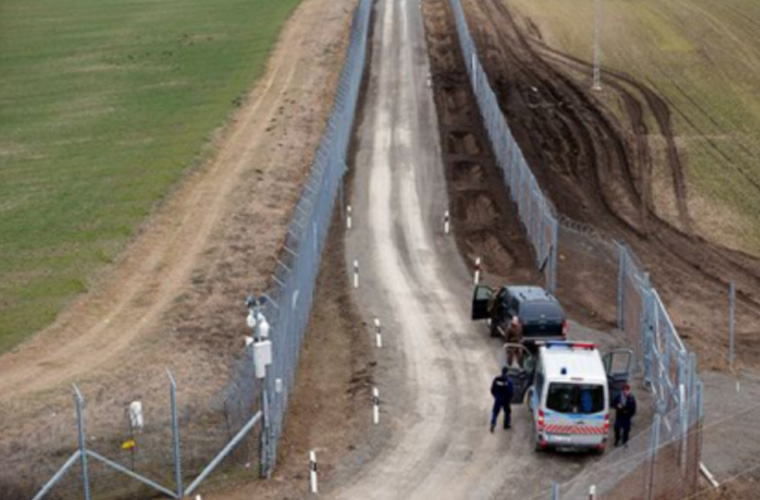
Borders and remote boundaries are difficult to protect because they often cover long distances and complex terrain. DAS is well-suited for this type of application because fiber optic cable can monitor long routes continuously.
In border security, DAS can detect walking, running, digging, vehicle movement, fence disturbance, and other activities near the protected line. DAS-based security solutions can identify and locate various threats in real time with point-locating capability, according to OptaSense.
Border Security Benefits
| Challenge | DAS Benefit |
| Long border distance | Continuous fiber-based monitoring |
| Remote areas | Reduced the need for frequent patrols |
| Night intrusion | Works without visible light |
| Harsh weather | Suitable for outdoor deployment |
| Multiple intrusion types | Detects footsteps, vehicles, digging, and tampering |
For border projects, DAS can be combined with thermal cameras, radar, drones, patrol systems, and command centers. DAS provides early warning, while other systems help verify and track the target.
Pipeline Security Monitoring
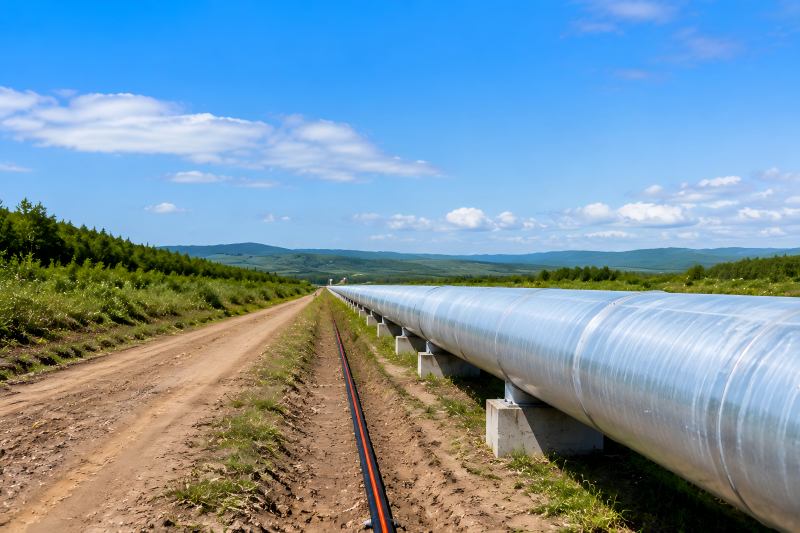
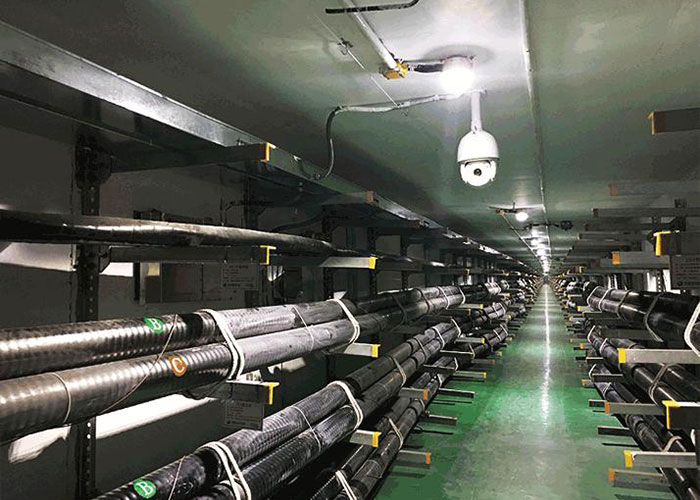
Pipeline security is another important application of Distributed Acoustic Sensing. Oil, gas, water, and chemical pipelines often pass through remote areas, deserts, mountains, forests, and urban zones. These pipelines may face threats such as illegal tapping, excavation, theft, vandalism, third-party construction, and mechanical damage.
AP Sensing describes pipeline monitoring solutions using distributed fiber optic sensing, including DAS, DTS, and DTSS, to support long-distance pipeline safety and threat detection.
Common Pipeline Security Risks
- Illegal digging
- Unauthorized excavation
- Pipeline theft
- Third-party construction damage
- Vehicle movement near the pipeline route
- Mechanical impact
- Valve station intrusion
- Sabotage or tampering
DAS Security Value for Pipelines
| Pipeline Problem | DAS Solution |
| Long-distance route | Monitors the full pipeline corridor |
| Remote location | Reduces manual patrol burden |
| Excavation risk | Detects digging vibration |
| Theft attempts | Detects cutting, drilling, or tampering |
| Fast response need | Provides alarm location along the fiber |
DAS helps operators identify where a threat is happening before serious damage occurs, for high-risk areas such as valve stations, pumping stations, and crossing points, higher sensitivity settings can be applied.
Airport Perimeter Security
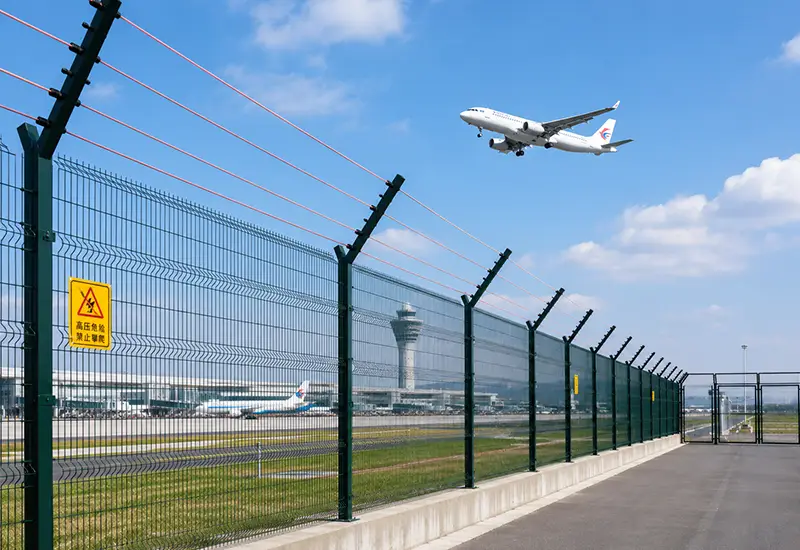
Airports require high-level perimeter protection because unauthorized intrusion can create serious safety and operational risks. Airport perimeters are usually long, exposed, and difficult to monitor only with cameras or patrols.
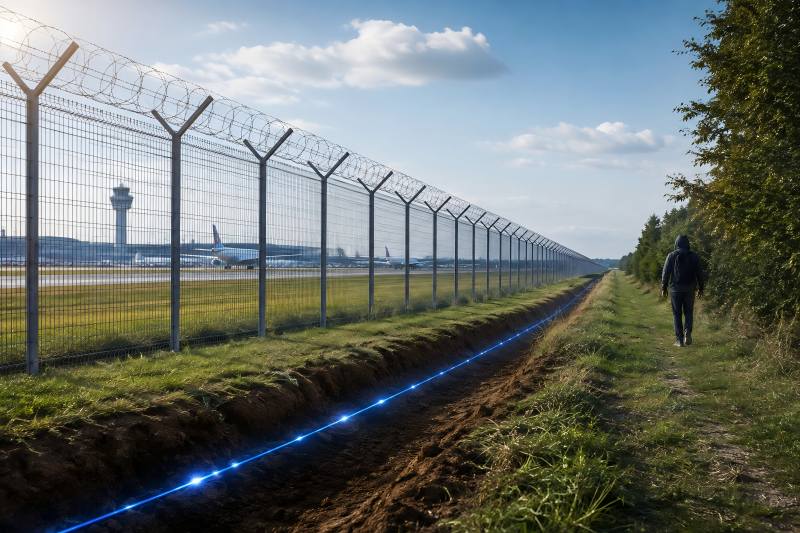
DAS can be installed along airport fences to detect climbing, cutting, crawling, vehicle impact, or abnormal movement near restricted zones. It can also support security response by showing the exact alarm zone.
Why Airports Use DAS
| Airport Security Need | DAS Advantage |
| Long fence lines | Continuous perimeter monitoring |
| Fast response | Real-time alarm location |
| Low visibility areas | Works at night and in poor visibility |
| Restricted zones | Supports zone-based alarm rules |
| Camera linkage | Helps verify alarms quickly |
For airport applications, DAS is often used with video surveillance, access control, lighting systems, and security patrol platforms. When an alarm occurs, the platform can display the zone and direct guards to the right location.
Solar Farm and Renewable Energy Security
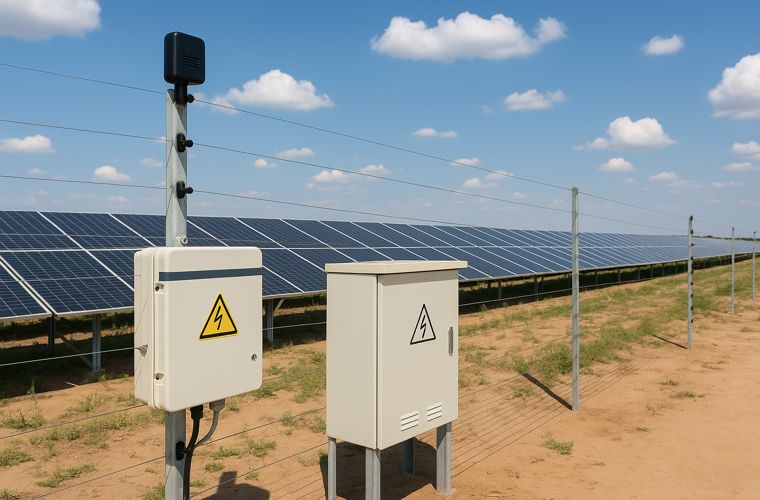
Solar farms are often built in remote or open areas, where theft, vandalism, and unauthorized access are common risks. Large photovoltaic sites may cover wide areas, making traditional perimeter monitoring expensive or difficult.
DAS is suitable for solar farm security because it can monitor long fence lines and detect intrusion events before intruders reach solar panels, inverters, substations, or storage systems.
Solar Farm Security Applications
- Fence intrusion detection
- Cable theft prevention
- Substation perimeter monitoring
- Battery storage area protection
- Remote site monitoring
- Vehicle approach detection
DAS Benefits for Solar Farms
| Site Challenge | DAS Benefit |
| Large outdoor area | Long-distance coverage |
| Remote location | Supports unattended monitoring |
| Cable theft risk | Early intrusion detection |
| Harsh weather | Fiber cable suitable for outdoor use |
| Low manpower | Reduces patrol pressure |
DAS can help solar farm operators protect valuable equipment and reduce downtime caused by theft or damage.
Oil and Gas Facility Security
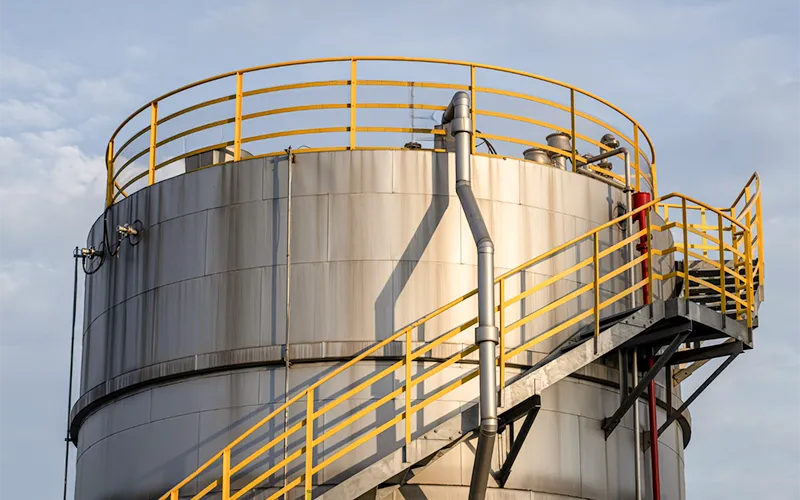
Oil refineries, tank farms, LNG plants, offshore platforms, and distribution stations need strong perimeter protection. These sites are high-value and high-risk, so intrusion detection must be fast, reliable, and accurate.
DAS can monitor fence lines, pipe corridors, tank areas, loading zones, and restricted safety areas. It can detect climbing, cutting, digging, vehicle approach, and abnormal vibration near critical assets.
Oil and Gas Security Scenarios
| Facility Type | DAS Application |
| Refinery | Perimeter and restricted-zone monitoring |
| Tank farm | Fence, tank area, and loading zone protection |
| Pipeline corridor | Digging and third-party interference detection |
| Offshore platform | Boundary and access-point monitoring |
| Distribution station | Intrusion and tampering detection |
For oil and gas sites, DAS can be combined with flame detection, gas detection, CCTV, access control, and emergency response systems to create a more complete safety and security solution.
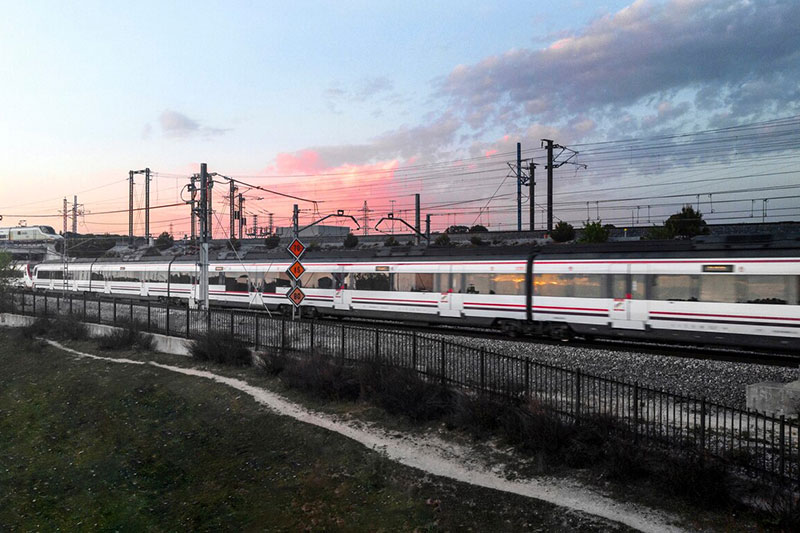
Railway and Transportation Corridor Security
Railways, metro lines, and transportation corridors need protection from trespassing, vandalism, cable theft, rockfall, and abnormal activity near tracks. DAS can monitor long rail routes using fiber cable installed along the track or communication corridor.
Research reviews have discussed DAS applications for monitoring linear infrastructure, including transportation and other long-distance assets.
Railway Security Uses
- Trespass detection
- Cable theft detection
- Trackside intrusion monitoring
- Rockfall or landslide vibration detection
- Vehicle or equipment movement near tracks
- Bridge and tunnel security
Advantages in Transportation Security
| Problem | DAS Contribution |
| Long rail routes | Continuous monitoring along the line |
| Trespassing | Detects footsteps and movement |
| Cable theft | Detects cutting or pulling vibration |
| Remote track sections | Reduces patrol difficulty |
| Tunnel protection | Monitors enclosed or dark environments |
DAS can provide early warning before a security problem causes operational disruption.
Data Center and Critical Facility Protection
Data centers, power substations, communication hubs, and government facilities require layered security. DAS can serve as the first layer of detection around the perimeter or underground route.
For these facilities, DAS is useful because it can detect threats before intruders reach buildings, gates, doors, or sensitive equipment.
Suitable Facilities
- Data centers
- Power substations
- Telecom stations
- Government sites
- Military bases
- Research laboratories
- Utility control centers
Why DAS Helps
DAS provides early warning outside the building, not only at the door or access point. This allows security teams to respond earlier and reduce the chance of asset damage or unauthorized entry.
Underground and Buried Sensor Security
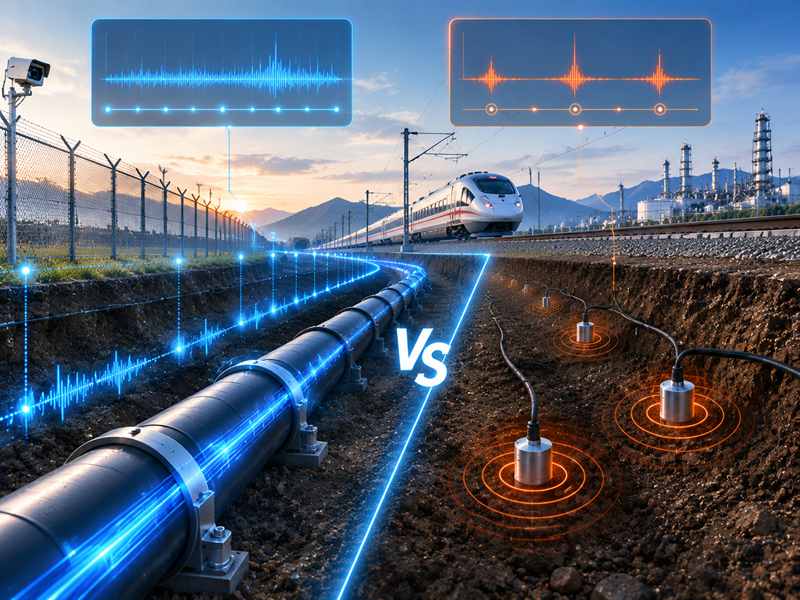
In some sites, visible fence sensors are not suitable. A buried DAS cable can provide hidden detection under soil, gravel, road shoulders, or protected corridors. This is useful for high-security sites where intruders may avoid visible sensors.
Buried DAS Applications
- Border lines
- Open-field perimeters
- Pipeline corridors
- Military facilities
- Remote substations
- Desert or rural sites
Key Design Factors
| Factor | Why It Matters |
| Burial depth | Affects signal strength |
| Soil condition | Influences vibration transfer |
| Cable coupling | Impacts detection accuracy |
| Zone design | Helps reduce false alarms |
| Calibration | Adapts the system to the local environment |
Buried DAS should be carefully designed and calibrated because soil type, moisture, and installation method can affect performance.
Security System Integration
DAS becomes more powerful when integrated with other systems. It provides the detection layer, while cameras, maps, alarms, and command platforms provide verification and response.
Common DAS Integrations
- CCTV and PTZ cameras
- Video management systems
- GIS maps
- Access control systems
- Alarm panels
- Security command centers
- Patrol dispatch platforms
- SMS or email notification systems
Integration Benefits
| Integration | Benefit |
| DAS + CCTV | Visual verification |
| DAS + GIS map | Accurate location display |
| DAS + PTZ camera | Automatic camera tracking |
| DAS + alarm platform | Faster response workflow |
| DAS + patrol system | Better guard dispatch |
Integration helps reduce false responses, improve situational awareness, and make security operations more efficient.
Application Comparison Table
| Application | Main Threats | DAS Value |
| Perimeter security | Climbing, cutting, digging | Real-time intrusion detection |
| Border security | Walking, vehicles, crossing attempts | Long-distance monitoring |
| Pipeline security | Excavation, theft, tampering | Early warning along pipeline route |
| Airport security | Fence intrusion, restricted access | Accurate alarm location |
| Solar farm security | Theft, vandalism, trespassing | Large-area perimeter protection |
| Oil and gas security | Sabotage, intrusion, vehicle approach | Critical asset protection |
| Railway security | Trespassing, cable theft, trackside activity | Corridor monitoring |
| Data center security | Unauthorized access | Early perimeter warning |
| Buried detection | Hidden intrusion attempts | Covert ground sensing |
Best Practices for DAS Security Projects
To get the best performance from DAS, project teams should not only focus on hardware. Design, installation, calibration, and operation are equally important.
Recommended Best Practices
- Conduct a detailed site survey before design.
- Choose fence-mounted, buried, or hybrid installation based on the site.
- Divide the protected route into practical alarm zones.
- Calibrate sensitivity according to local noise conditions.
- Use event classification to reduce false alarms.
- Integrate DAS with CCTV or command platforms.
- Record accurate fiber route maps.
- Train operators to understand alarm types.
- Review alarm history regularly.
- Maintain cables, connectors, and junction boxes.
Good system design helps DAS provide stable detection instead of frequent nuisance alarms.
Distributed Acoustic Sensing (DAS) turns fiber optic cables into continuous sensing lines for real-time security monitoring.
It helps detect intrusion, digging, climbing, cutting, tampering, and vehicle movement across long perimeters, pipelines, borders, airports, solar farms, railways, and other critical sites.
With cameras, maps, and alarm platforms, DAS provides wider coverage, accurate location awareness, and faster security response.