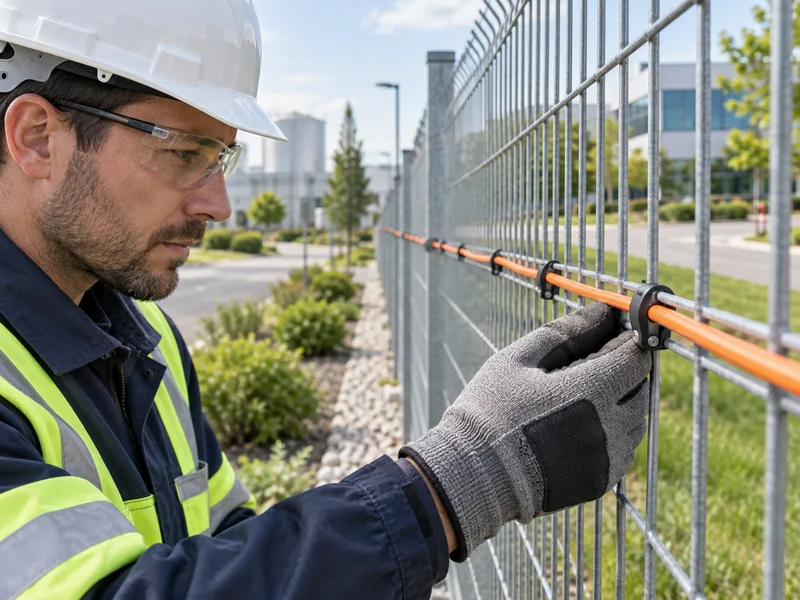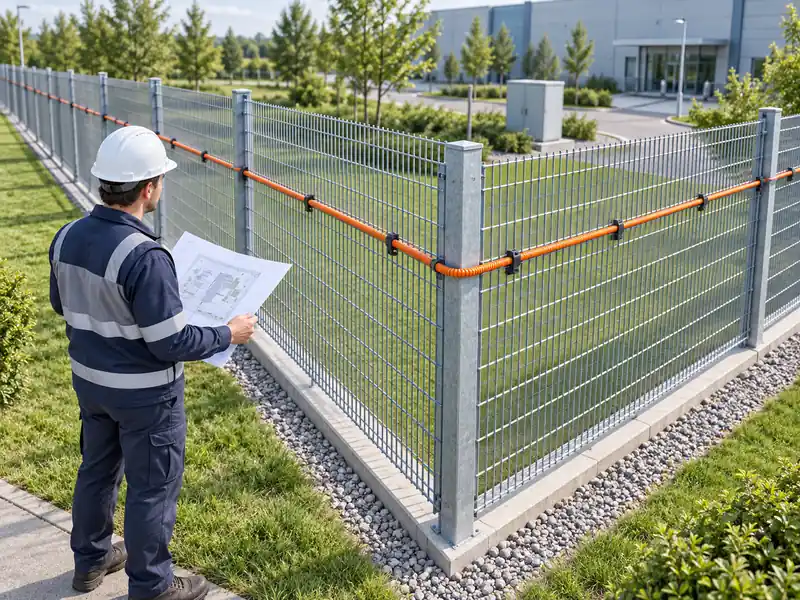
Electric fencing protects factories, power stations, farms, airports, prisons, solar farms, data centers, and other high-risk sites.
Unlike ordinary fences, it provides deterrence, intrusion detection, and alarm response. When someone touches, climbs, cuts, or shorts the fence, the system triggers an alarm.
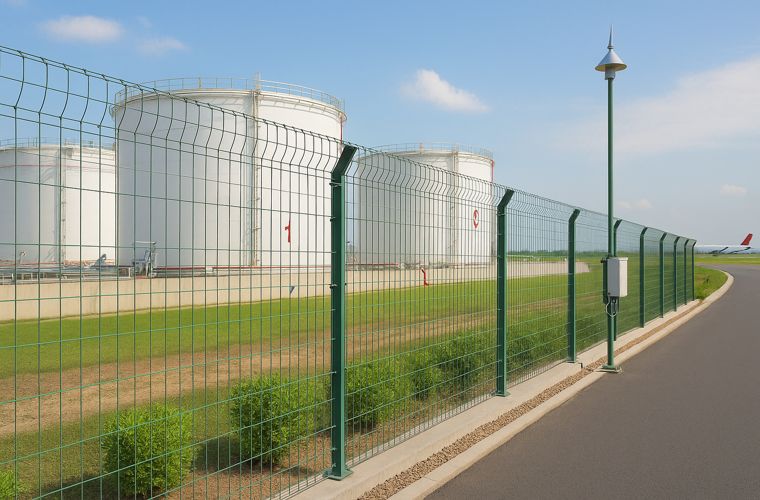
What Is an Electric Security Fence?
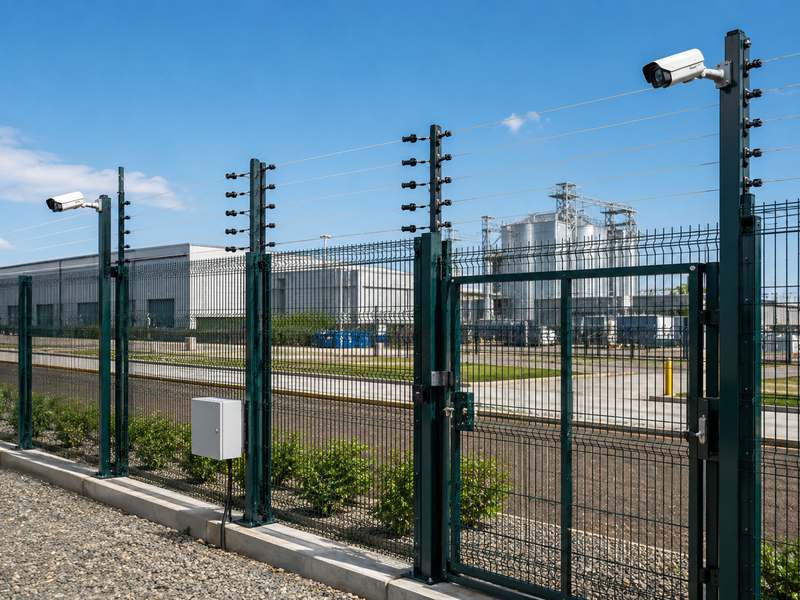
An electric security fence is a perimeter protection system that uses energized wires, fence posts, insulators, controllers, alarm devices, and monitoring equipment. Its purpose is to identify intrusion attempts and stop unwanted access.
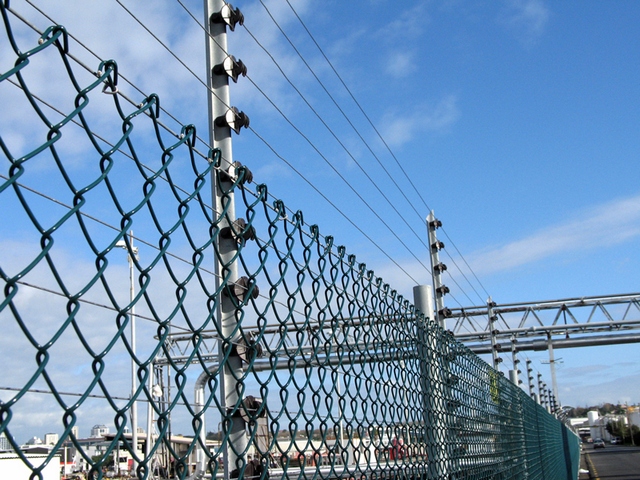
The system usually sends short, high-voltage, low-current pulses through the fence wires. These pulses create a strong deterrent effect but are designed to be controlled and safe when installed correctly. If the fence is touched, cut, grounded, or short-circuited, the controller detects the change and sends an alarm signal.
Electric fencing can be installed as a standalone perimeter system or combined with CCTV, access control, lighting, fiber optic detection, laser beam detectors, and security platforms.
How Electric Fencing Improves Perimeter Security
Electric fencing improves security in three main ways: deterrence, detection, and delay.
First, it creates a visible warning. Intruders can clearly see that the perimeter is protected by an active security system. This often prevents intrusion before it happens.
Second, it detects abnormal activity. If someone touches or damages the fence, the energizer or alarm controller can identify the event and send a signal to the control room.
Third, it delays forced entry. Even if an intruder tries to climb or cut the fence, the electric wires and physical structure increase the difficulty and time required.
| Security Function | How Electric Fencing Helps | Benefit |
| Deterrence | Visible electric wires and warning signs | Reduces intrusion attempts |
| Detection | Detects touching, cutting, grounding, or shorting | Sends fast alarm signals |
| Delay | Adds an active barrier to the fence line | Slows down forced entry |
| Integration | Connects with alarms, CCTV, and control platforms | Improves response efficiency |
Main Components of an Electric Fencing System
A complete electric fencing solution includes several key components. Each part affects system stability, safety, and alarm accuracy.
1. Energizer or Fence Controller
The energizer is the core of the electric fence system. It generates electric pulses and monitors the fence circuit. Advanced controllers can detect short circuits, wire cuts, low voltage, tampering, and communication faults.
2. Electric Fence Wires
Fence wires carry the electric pulse along the protected perimeter. They are usually installed in multiple horizontal lines. The number of wires depends on security level, fence height, and site risk.
3. Insulators
Insulators prevent the electric current from leaking into metal posts, walls, or support structures. Poor-quality or damaged insulators can cause voltage loss and false alarms.
4. Fence Posts and Brackets
Posts and brackets support the electric wires. They must be strong enough to resist wind, vibration, pulling, and climbing attempts.
5. Alarm Output Devices
The system can connect to sirens, strobes, alarm hosts, relays, or security management platforms. When an intrusion occurs, the alarm output helps security teams respond quickly.
6. Warning Signs
Warning signs are important for safety and compliance. They alert people that the fence is electrified and should not be touched.
| Component | Main Function | Selection Tips |
| Energizer/controller | Sends pulses and monitors alarms | Choose by fence length and zones |
| Electric wires | Carry pulse along the perimeter | Use corrosion-resistant wire |
| Insulators | Prevent current leakage | Select weather-resistant materials |
| Posts/brackets | Support wire structure | Ensure strong mechanical fixing |
| Alarm output | Sends an alarm to the security system | Match with host or platform |
| Warning signs | Improve safety awareness | Install clearly along the fence |
Common Types of Electric Fencing Solutions
Different projects require different electric fence designs. The right solution depends on site size, risk level, existing fence condition, and security budget.
Electric Wall-Top Fencing
On top of an existing wall, an electric fence is mounted. It is commonly used for factories, warehouses, residential compounds, prisons, and substations. This design prevents climbing over the wall and adds intrusion detection.
Standalone Electric Fence
A standalone electric fence is built as an independent barrier. It is suitable for open land, farms, solar farms, large industrial areas, and remote facilities.
Retrofit Electric Fence
A retrofit electric fence is added to an existing metal fence or perimeter structure. It is useful when the site already has chain-link fence, welded mesh fence, or palisade fencing.
High-Security Electric Fence
High-security electric fencing uses more wires, stronger posts, multiple alarm zones, anti-tamper protection, and integration with CCTV or command platforms. It is used in airports, military areas, data centers, and critical infrastructure.
| Electric Fence Type | Suitable Site | Main Advantage |
| Wall-top fence | Factories, substations, warehouses | Prevents climbing over walls |
| Standalone fence | Farms, solar farms, open land | Builds a complete active barrier |
| Retrofit fence | Existing mesh or metal fences | Upgrades current perimeter security |
| High-security fence | Critical infrastructure | Strong detection and integration |
Where Electric Fencing Is Commonly Used
Electric fencing solutions are suitable for many industries. They are especially useful when the perimeter is long, exposed, or difficult to guard manually.
Industrial Facilities
Factories, warehouses, logistics parks, and manufacturing plants often have large perimeters with valuable equipment, raw materials, and finished goods. Electric fencing helps reduce theft, vandalism, and unauthorized access.
Power Stations and Substations
Power infrastructure needs reliable perimeter protection. Electric fencing can deter intruders and alert operators before people reach dangerous or sensitive equipment.
Solar Farms
Solar farms usually cover large remote areas. Manual patrols are costly, and ordinary fences may not provide enough warning. Electric fencing can protect panels, cables, inverters, and battery systems.
Farms and Agricultural Sites
Electric fencing is also used for livestock control and agricultural property protection. For security applications, it helps prevent theft, illegal entry, and animal intrusion.
Data Centers and Critical Sites
Data centers, telecom facilities, oil depots, and military sites require layered protection. One component of a more comprehensive perimeter security system may be electric fencing.
Key Design Factors for Electric Fencing Projects
A good electric fencing solution should not be selected only by price. The design must match the site environment and security target.
Perimeter Length
Longer perimeters may need multiple zones, stronger energizers, and proper voltage distribution. If one controller protects too long a distance, the alarm location may be less accurate.
Fence Height and Wire Spacing
Higher fences and closer wire spacing increase protection. For high-risk sites, more wire lines are usually recommended.
Alarm Zoning
Alarm zones divide the perimeter into sections. When an alarm occurs, the security team can know which section has a problem. This is very useful for large sites.
Weather Conditions
Rain, dust, humidity, salt spray, and extreme temperatures can affect fence performance. Outdoor components should be weather-resistant and corrosion-resistant.
Vegetation Control
Branches, weeds, and grass touching the wires can cause leakage or false alarms. Regular cleaning around the fence line is important.
| Design Factor | Why It Matters | Recommended Practice |
| Perimeter length | Affects energizer capacity and zoning | Divide long fences into zones |
| Wire spacing | Affects climbing protection | Use closer spacing for high-risk sites |
| Site environment | Impacts durability and false alarms | Choose weatherproof components |
| Vegetation | May cause leakage or alarms | Keep the fence line clean |
| Integration need | Affects response efficiency | Connect with the CCTV or alarm host |
Electric Fence vs Traditional Fence
A traditional fence provides passive protection. It marks the boundary and creates a physical obstacle. However, it may not detect intrusion unless additional sensors are installed.
An electric fence provides both physical and active protection. It can deter, delay, and detect at the same time. For high-security projects, this makes it more effective than a normal fence alone.
| Item | Traditional Fence | Electric Security Fence |
| Deterrence | Medium | High |
| Intrusion detection | No, unless sensors are added | Yes |
| Alarm output | Usually unavailable | Available |
| Climbing prevention | Limited | Stronger |
| Cutting detection | Limited | Available with monitoring |
| Best use | Basic boundary protection | Active perimeter security |
How to Reduce False Alarms
False alarms can reduce trust in the security system. A well-designed electric fence should provide reliable detection without frequent unnecessary alarms.
Common causes of false alarms include loose wires, poor grounding, vegetation contact, damaged insulators, unstable power supply, weak terminals, and poor installation.
To reduce false alarms, installers should tension the wires properly, check grounding quality, clean vegetation, use durable insulators, seal cable joints, and test the system under real site conditions.
Regular maintenance is also important. Security teams should inspect the fence after storms, strong wind, heavy rain, or construction work near the perimeter.
Integration with Other Security Systems
Electric fencing becomes more powerful when integrated with other perimeter security technologies.
For example, when the electric fence triggers an alarm, a nearby CCTV camera can automatically turn to the alarm zone. A siren or warning light can activate. The alarm platform can display the exact fence section. Security personnel are able to react more quickly and precisely.
Common integration options include:
| Integrated System | Function | Benefit |
| CCTV cameras | Visual verification | Confirms real intrusion |
| Alarm host | Central alarm management | Improves response |
| Access control | Controls authorized entry points | Reduces unauthorized access |
| Lighting system | Illuminates the alarm zone | Supports night response |
| Security platform | Displays zones and alarm history | Easier management |
For critical sites, electric fencing can also work together with fiber optic intrusion detection, infrared beams, radar, or laser beam detectors to form a multi-layer protection system.
Safety Considerations
Electric fencing must be designed and installed carefully. The system should use controlled pulses, proper warning signs, reliable grounding, and correct spacing. It should also avoid unsafe installation near public areas, children’s zones, or places where accidental contact is likely.
Installers should follow local regulations and project safety standards. The power supply, energizer, grounding, fence structure, and alarm connections should be tested before handover.
Important safety practices include:
| Safety Item | Requirement |
| Warning signs | Install clearly along the fence |
| Grounding | Ensure stable and correct grounding |
| Energizer | Use a qualified security fence controller |
| Public access | Prevent accidental contact |
| Maintenance | Inspect wires, insulators, and terminals |
| Documentation | Keep installation and test records |
Maintenance Tips for Long-Term Performance
Electric fencing is not a “set and forget” system. Regular maintenance keeps the system stable and reduces downtime.
Maintenance should include checking wire tension, cleaning vegetation, inspecting insulators, testing alarm output, checking grounding resistance, and verifying voltage levels. The control room should also review alarm logs to identify repeated problem zones.
For outdoor sites, maintenance should be more frequent during rainy seasons, windy seasons, and periods of fast vegetation growth.
How to Choose the Right Electric Fencing Solution
When choosing an electric fencing solution, consider your security risk, site layout, budget, and response requirements.
For a small warehouse, a wall-top electric fence with basic alarm output may be enough. For a large solar farm, you may need zone control, remote monitoring, and CCTV linkage. For critical infrastructure, a high-security electric fence with multiple detection layers is usually better.
Before purchasing, prepare basic project information:
| Project Information | Why It Is Needed |
| Total perimeter length | Helps select controller capacity |
| Fence type and height | Determines installation method |
| Number of entrances | Helps plan alarm zones |
| Site risk level | Determines security grade |
| Weather environment | Affects material selection |
| Integration requirements | Helps match platform and alarm output |
A professional supplier should be able to provide system design, component selection, installation guidance, testing methods, and after-sales support.
Electric fencing combines deterrence, detection, and delay for industrial facilities, substations, warehouses, solar farms, farms, data centers, and other protected sites.
It can detect touching, climbing, cutting, short circuits, and abnormal fence conditions. When linked with CCTV, alarms, lighting, and security platforms, it helps teams respond faster.
A reliable system needs proper design, quality components, correct installation, safe use, and regular maintenance.