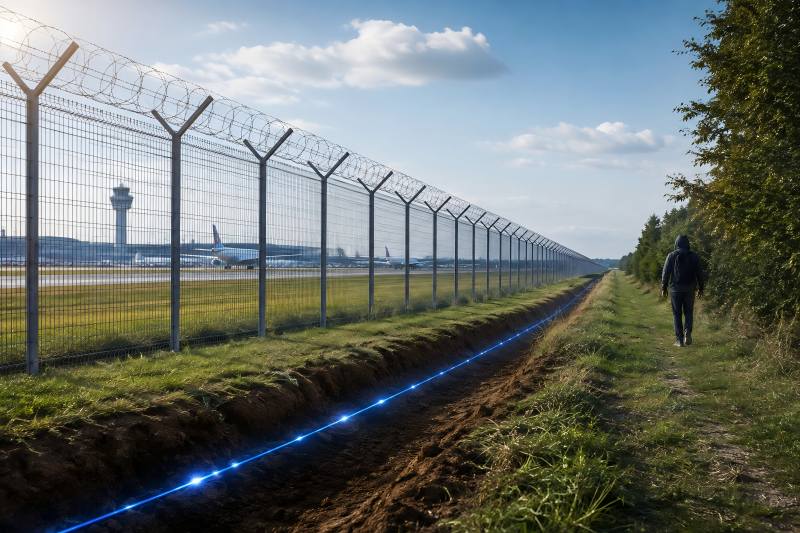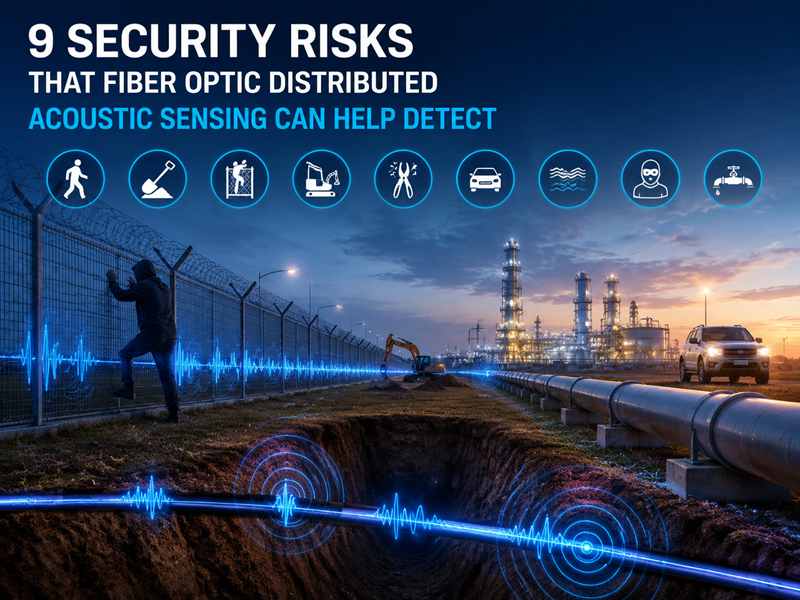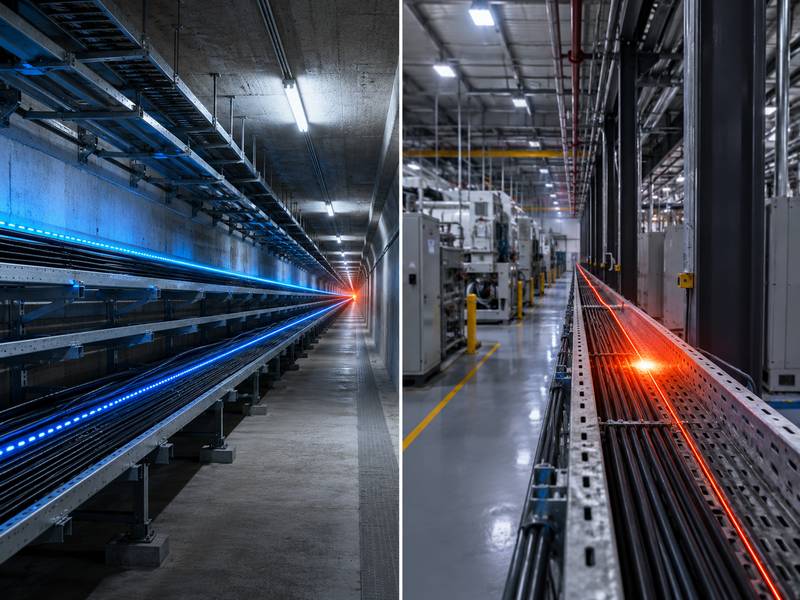
Choosing a reliable laser beam security system manufacturer is essential for perimeter protection in industrial sites, warehouses, substations, airports, logistics parks, prisons, and residential communities.
A good manufacturer should provide stable detection, fast alarm response, low false alarms, reliable outdoor performance, customization, quality control, and professional after-sales support.
Understand What a Laser Beam Security System Does
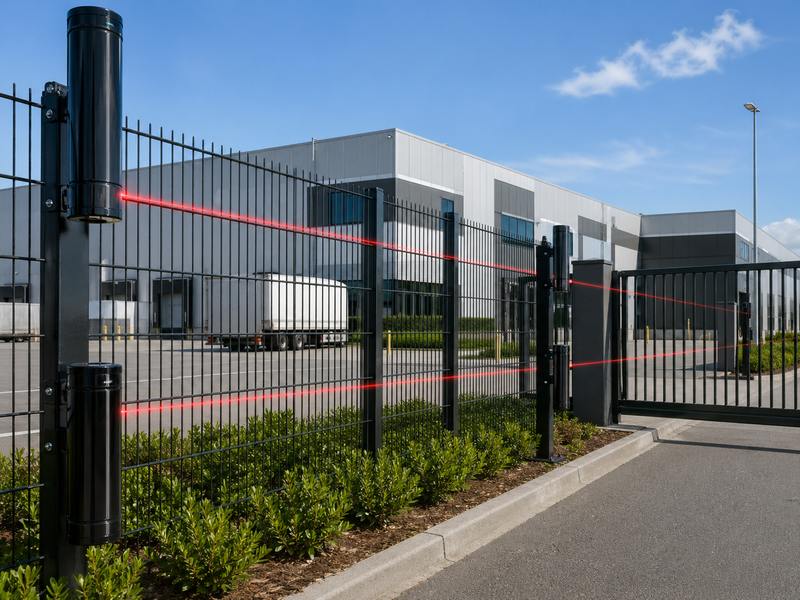
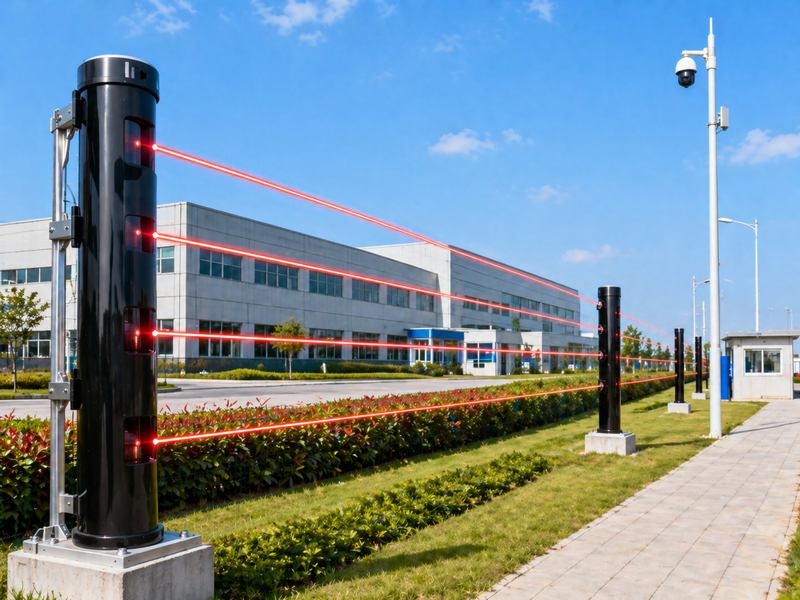
A laser beam security system is an active perimeter intrusion detection solution. It produces invisible beams using a transmitter and receiver. When a person, vehicle, or object blocks the beam, the system detects the interruption and sends an alarm to connected security equipment.
Laser beam security systems are commonly used for:
- Perimeter fence protection
- Wall-top intrusion detection
- Gate and entrance protection
- Warehouse and logistics park security
- Substation and power facility protection
- Industrial plant perimeter security
- Airport restricted zone protection
- Prison and correctional facility protection
- Border, port, and high-risk area monitoring
Laser beam systems offer longer distances, narrower beams, stronger anti-interference, and better alignment than basic infrared detectors, but performance depends on design, installation, and the manufacturer’s experience.
Why Manufacturer Selection Matters
The manufacturer directly affects the quality of the final security system. Even if two products look similar from the outside, their internal optical design, circuit stability, waterproof structure, anti-interference performance, alarm logic, and quality control may be very different.
A reliable manufacturer can help you reduce project risks in several ways:
- Recommend a suitable beam quantity and detection distance
- Provide stable products for outdoor environments
- Reduce false alarms caused by rain, fog, dust, insects, and small animals
- Support integration with alarm hosts, CCTV, VMS, or security platforms
- Provide installation guidance and alignment support
- Offer customization for different perimeter layouts
- Supply spare parts and technical support after delivery
A weak supplier may only sell hardware without understanding real project requirements. This often leads to poor system performance after installation.
| Supplier Type | Typical Advantage | Potential Risk |
| Professional manufacturer | Strong product knowledge, stable supply, and customization support | May require technical communication before quotation |
| Trading company | Fast response, wide product catalog | Limited technical control and after-sales support |
| Low-cost supplier | Attractive initial price | Higher risk of false alarms and short product life |
| Security solution provider | System-level design and integration ability | Cost may be higher than device-only supplier |
For long-term security projects, it is usually better to choose a manufacturer or solution provider with real technical capability instead of only comparing unit price.
Check Product Range and Technical Capability
A reliable laser beam security system manufacturer should offer flexible models for different distances, beam quantities, installations, interfaces, and protection levels.
A gate may need a compact two-beam detector, while a long industrial perimeter may require multi-beam, long-distance, outdoor-rated devices with platform integration.
When evaluating a supplier, check whether they can provide:
- Single-beam, dual-beam, triple-beam, or multi-beam models
- Short, medium, and long-distance detection options
- Outdoor waterproof and dustproof housings
- Adjustable mounting brackets
- Anti-tamper alarm function
- Signal output interfaces for alarm panels
- Communication options such as relay, RS485, TCP/IP, or wireless connection
- Compatibility with CCTV, VMS, or perimeter alarm platforms
- Custom beam height, pole installation, and perimeter layout support
| Product Factor | What to Check | Why It Matters |
| Detection distance | Indoor and outdoor rated distance | Ensures correct coverage for the site |
| Beam quantity | Single, dual, quad, or multi-beam | Affects detection accuracy and false alarm control |
| Beam alignment | Visual, laser-assisted, or signal strength adjustment | Reduces installation difficulty |
| Weather resistance | Waterproof, dustproof, temperature range | Ensures outdoor reliability |
| Alarm output | Relay, RS485, network, or platform integration | Supports security system connection |
| Anti-tamper design | Housing opening alarm, displacement alarm | Prevents intentional damage |
| Power options | DC power, solar power, backup battery | Supports different site conditions |
A manufacturer with strong technical capability can help match these features to your project instead of offering the same model for every application.
Evaluate Detection Accuracy and False Alarm Control
False alarm control is critical in perimeter security. Frequent alarms reduce operator trust, while low sensitivity may miss real intrusions.
A good laser beam security system should balance sensitivity and stability, reducing false alarms without affecting detection reliability.
Common false alarm sources include:
- Heavy rain or fog
- Flying insects
- Birds or small animals
- Falling leaves
- Dust and sand
- Strong sunlight
- Vibration of mounting poles
- Improper alignment
- Power instability
- Reflection from nearby surfaces
Reliable manufacturers may use multi-beam verification, adjustable sensitivity, automatic gain control, anti-interference circuits, environmental compensation, and better optical filtering to reduce false alarms.
| False Alarm Cause | Supplier Should Provide | Expected Result |
| Rain and fog | Weather-resistant optical design and sensitivity adjustment | Fewer weather-related alarms |
| Small animals | Multi-beam logic or beam height design | Reduces alarms from minor movement |
| Insects and leaves | Beam filtering and proper alignment guidance | Improves outdoor stability |
| Strong sunlight | Optical filtering and anti-glare design | Better daytime performance |
| Pole vibration | Stable brackets and installation guidance | Prevents unstable beam path |
| Misalignment | Signal strength indicator or alignment tool | Faster and more accurate installation |
Before buying, ask the manufacturer for false alarm control methods, field test results, and recommended installation practices.
Confirm Outdoor Durability and Protection Level
Laser beam security systems are often used outdoors and must withstand rain, dust, heat, cold, wind, sunlight, insects, and vibration.
A reliable manufacturer should provide durable housing, stable optical components, weatherproof sealing, UV-resistant materials, and corrosion-resistant accessories for long-term outdoor use.
Important durability factors include:
- Waterproof and dustproof rating
- Operating temperature range
- UV resistance
- Corrosion resistance
- Lightning and surge protection
- Stable power input design
- Sealed optical window
- Strong mounting structure
- Anti-tamper housing design
| Durability Item | Recommended Requirement | Importance |
| Waterproof protection | Suitable for outdoor rain exposure | Prevents water damage |
| Dustproof design | Suitable for industrial and outdoor areas | Maintains optical performance |
| Temperature range | Matches local climate | Prevents failure in extreme heat or cold |
| Housing material | Metal or high-quality engineering plastic | Improves service life |
| Surge protection | Designed for outdoor electrical environments | Reduces lightning and power damage |
| Mounting bracket | Stable and adjustable | Keeps beam alignment stable |
If the supplier cannot clearly explain product protection level and outdoor reliability, the system may not be suitable for serious perimeter security projects.
Look for Customization and Project Design Support
Every perimeter security project has different site conditions, installation needs, and integration requirements.
A reliable laser beam security system manufacturer should provide customization and design support, especially for airports, industrial parks, substations, oil depots, and logistics centers.
Useful customization options may include:
- Custom detection distance
- Beam quantity and beam spacing
- Pole height and mounting structure
- Wired or wireless communication
- Solar power supply options
- Alarm zone division
- Integration with CCTV or video verification
- Customized control host or monitoring software
- OEM and branding support
- Special housing color or material
| Custom Requirement | Why It Matters |
| Beam height customization | Matches fence, wall, or open-area protection needs |
| Detection distance selection | Avoids over-design or under-coverage |
| Zone division | Helps operators locate alarms quickly |
| CCTV linkage | Enables visual verification after alarm |
| Solar power option | Supports remote or difficult-to-wire locations |
| Communication interface | Ensures compatibility with existing platforms |
| OEM service | Supports distributors and project brands |
A supplier that can only sell standard products may be enough for small projects. For larger projects, design support is essential.
Review Manufacturing Quality Control
Quality control is a key difference between reliable manufacturers and low-cost suppliers. A good manufacturer should have a clear production process, component inspection, optical testing, aging test, waterproof test, and final performance check before shipment.
Inquire about the supplier’s quality control procedure. Important questions include:
- Do they test every unit before shipment?
- Do they perform aging tests?
- Do they check alignment accuracy?
- Do they test alarm output stability?
- Do they verify waterproof sealing?
- Do they provide inspection records?
- Do they support batch consistency for large orders?
| Quality Control Stage | Inspection Content | Purpose |
| Incoming material inspection | Housing, optical parts, circuit boards | Ensures component quality |
| Assembly inspection | Wiring, sealing, optical alignment | Prevents assembly defects |
| Functional testing | Beam detection and alarm output | Confirms basic performance |
| Aging test | Continuous operation for stability | Finds early failures |
| Waterproof test | Sealing and housing protection | Ensures outdoor durability |
| Final inspection | Appearance, accessories, labeling, packaging | Ensures delivery quality |
Reliable quality control reduces failure rates and improves long-term system stability.
Check Certifications and Compliance
Different markets may require different certifications and compliance documents. While not every project needs the same certificates, a professional manufacturer should understand common safety, electromagnetic compatibility, and product quality requirements.
Depending on the target market, buyers may need to check:
- CE compliance
- RoHS compliance
- FCC compliance
- ISO quality management certification
- IP protection test report
- EMC test report
- Product datasheet and user manual
- Warranty policy
- Installation guide
| Document or Certification | Why It Is Useful |
| Product datasheet | Helps compare technical specifications |
| Installation manual | Reduces installation mistakes |
| CE or EMC report | Supports market compliance |
| RoHS document | Useful for environmental compliance |
| IP rating evidence | Supports outdoor use claims |
| Warranty policy | Clarifies after-sales responsibility |
| Test report | Shows product performance verification |
When buying for international projects, documentation is especially important for customs, bidding, system approval, and client acceptance.
Evaluate Integration Capability
A laser beam security system rarely works alone. It usually needs to connect with a control host, alarm panel, access control system, CCTV system, VMS platform, security management software, or remote monitoring center.
Before choosing a manufacturer, confirm whether their products support your integration requirements.
Common integration methods include:
- Relay output to alarm panel
- RS485 communication to control host
- TCP/IP network communication
- Dry contact output
- Linkage with siren and warning light
- Video linkage with CCTV cameras
- Integration with perimeter security platform
- Mobile or remote alarm notification
| Integration Requirement | What to Confirm |
| Alarm panel connection | Output type and wiring method |
| CCTV linkage | Trigger signal and platform compatibility |
| VMS integration | Protocol and communication interface |
| Remote monitoring | Network connection and software support |
| Multi-zone alarm | Zone ID and location display |
| Siren or light linkage | Relay output capacity |
| Existing system upgrade | Compatibility with old alarm devices |
Strong integration capability is especially important for large projects where multiple security technologies must work together.
Compare Technical Support and After-Sales Service
A reliable manufacturer should provide technical support before, during, and after the project. Laser beam security systems require correct alignment, sensitivity adjustment, zone configuration, and integration setup. Without support, installation teams may experience delays or unstable performance.
Good supplier support may include:
- Pre-sales project consultation
- Product model selection
- System layout design
- Wiring and installation guidance
- Beam alignment instructions
- Remote technical support
- Troubleshooting assistance
- Spare parts supply
- Warranty service
- Training for distributors or installers
| Support Stage | What a Reliable Supplier Provides |
| Before purchase | Technical consultation and model recommendation |
| Before installation | Layout suggestion and wiring guidance |
| During installation | Alignment and configuration support |
| After installation | Troubleshooting and optimization |
| Long-term use | Spare parts, firmware updates, warranty service |
If a supplier only responds before payment but provides little support after delivery, the project risk is much higher.
Red Flags When Choosing a Supplier
Some warning signs may indicate that a supplier is not suitable for long-term cooperation.
Be careful if the supplier:
- Cannot explain product working principles
- Only talks about low price
- Has no detailed datasheet or installation manual
- Cannot provide outdoor protection information
- Gives vague answers about false alarm control
- Does not understand system integration
- Has no quality control process
- Cannot provide warranty details
- Offers the same model for every project
- Cannot support technical communication after delivery
| Red Flag | Possible Result |
| No technical documentation | Difficult installation and acceptance |
| No outdoor testing information | Higher failure risk |
| No false alarm control explanation | Poor field performance |
| No customization support | System may not match project |
| No after-sales support | Higher maintenance burden |
| Unrealistically low price | Hidden quality risk |
Avoiding unreliable suppliers at the beginning is much cheaper than fixing system problems after installation.
Final Selection Checklist
Use the following checklist before choosing a laser beam security system manufacturer.
| Evaluation Item | Good Supplier Standard |
| Product range | Multiple models for different distances and beam quantities |
| Technical capability | Can explain detection, alarm logic, and installation |
| Outdoor reliability | Waterproof, dustproof, temperature-resistant design |
| False alarm control | Multi-beam logic and adjustable sensitivity |
| Customization | Supports poles, beam height, zones, and interfaces |
| Integration | Compatible with alarm panels, CCTV, and platforms |
| Quality control | Testing, aging, and final inspection before shipment |
| Documentation | Datasheets, manuals, wiring diagrams, certificates |
| Project experience | Similar perimeter security applications |
| After-sales service | Warranty, troubleshooting, spare parts, and training |
A supplier that meets most of these standards is more likely to deliver stable products and support successful security projects.
Choosing a reliable laser beam security system manufacturer requires more than comparing prices. A good supplier should offer stable products, outdoor durability, accurate detection, low false alarms, customization, integration support, and after-sales service.
For perimeter protection projects, evaluate the supplier’s product range, quality control, certifications, technical support, customization ability, and service response. Choosing the correct manufacturer ensures long-term dependability, lowers maintenance costs, and enhances security performance.