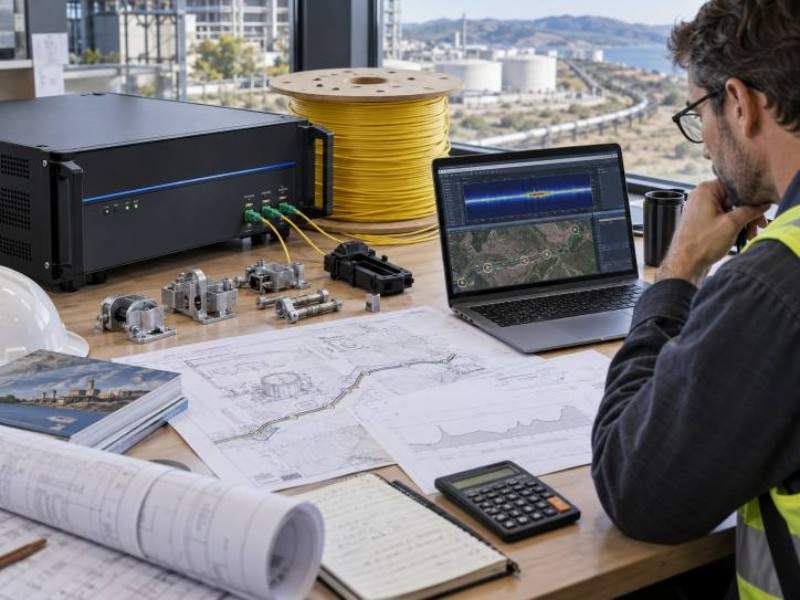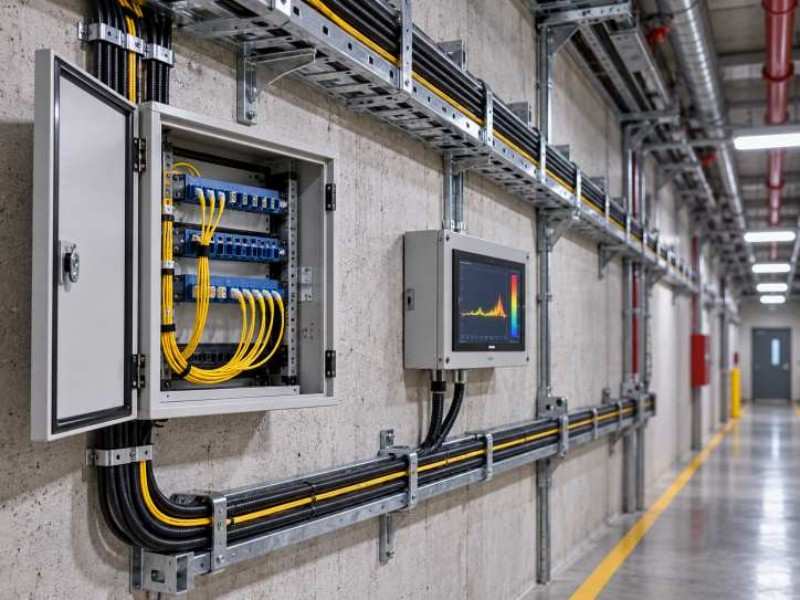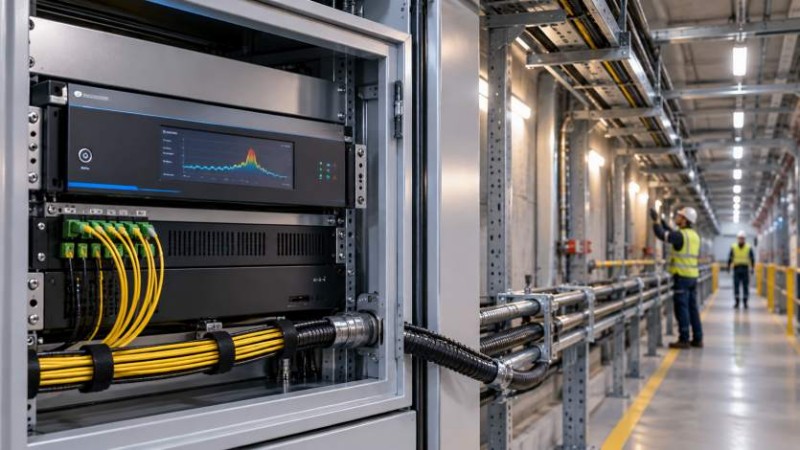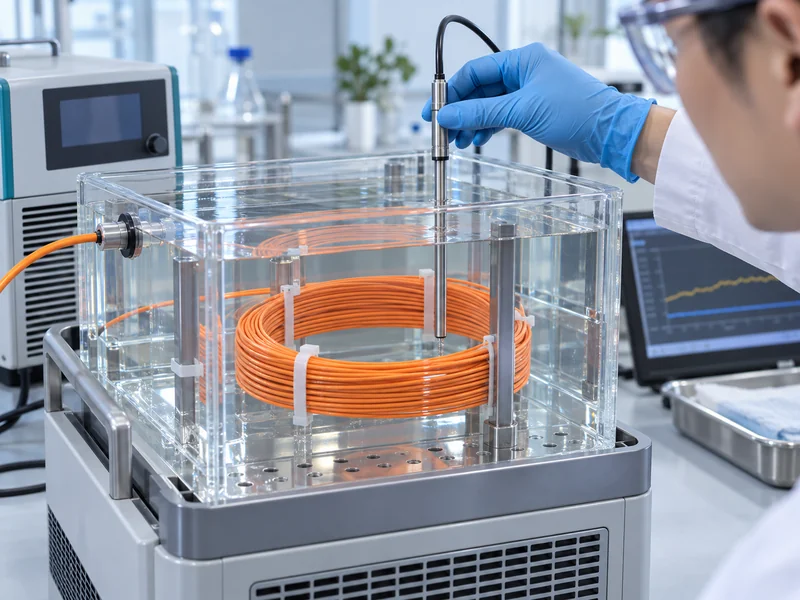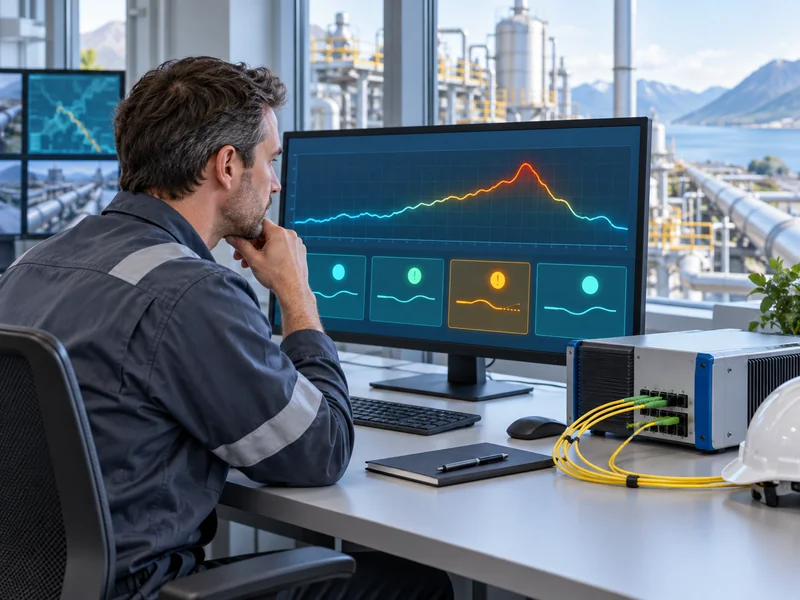
Distributed Acoustic Sensing (DAS) offers a new approach to comprehensive perimeter security. Unlike traditional sensors with limited detection points, DAS uses optical fiber as a continuous sensing network, enabling long-distance monitoring, accurate intrusion detection, and reduced false alarms across critical sites.
What Is a Distributed Acoustic Sensing System?
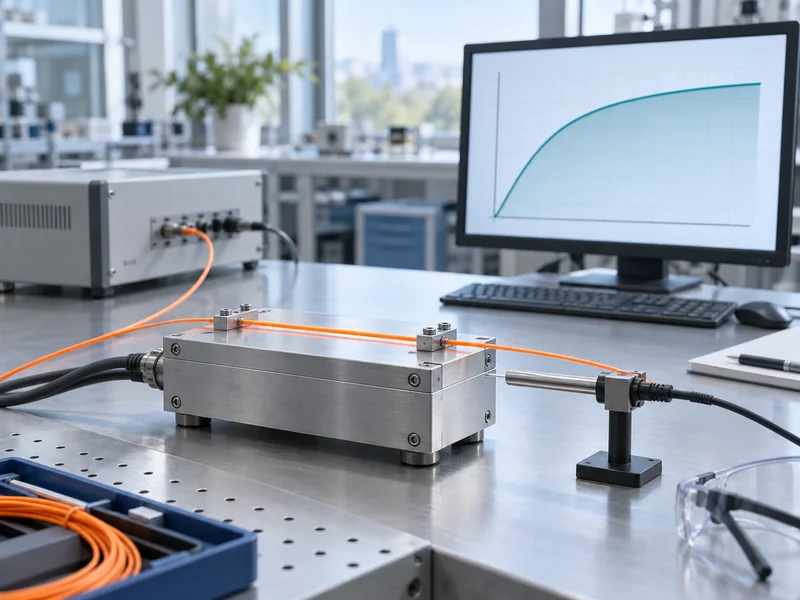
A distributed acoustic sensing system is a fiber optic sensing technology that detects acoustic signals and mechanical vibrations along an optical fiber.
Unlike traditional sensors that have a physical detection point, DAS treats the entire fiber cable as a sensor.
When external activity creates vibration near the fiber, such as:
- Walking near a buried cable
- Cutting a fence
- Climbing a barrier
- Vehicle movement
- Digging activities
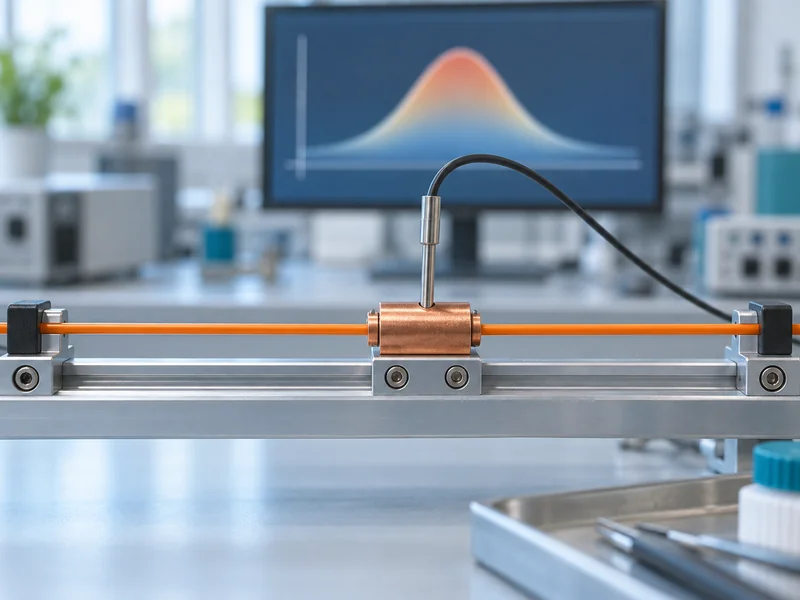
the vibration slightly changes the light transmission characteristics inside the fiber.
The DAS interrogator analyzes these changes and determines:
- Where the event happened
- When it happened
- What type of activity it may represent
This technology is based on optical sensing principles, where laser pulses are transmitted through the fiber and changes in backscattered light are analyzed to identify disturbances.
From a security engineering perspective, the most important difference is not the sensing principle itself. The key advantage is that the detection area moves from individual sensors to the entire fiber route.
How Does DAS Work in Perimeter Security?
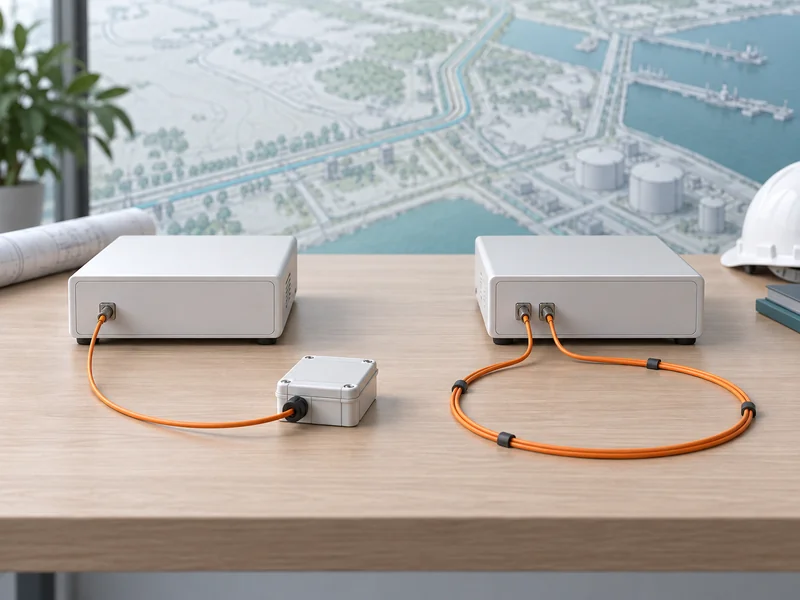
A complete DAS perimeter security system usually consists of three main components:
1. Fiber Optic Sensing Cable
The fiber cable is the actual sensing medium.
It can be installed in accordance with the needs of the site:
- Along fences
- Underground
- Around restricted zones
- Near pipelines or infrastructure routes
The fiber itself does not require a power supply along the detection line, which makes it suitable for large and remote areas.
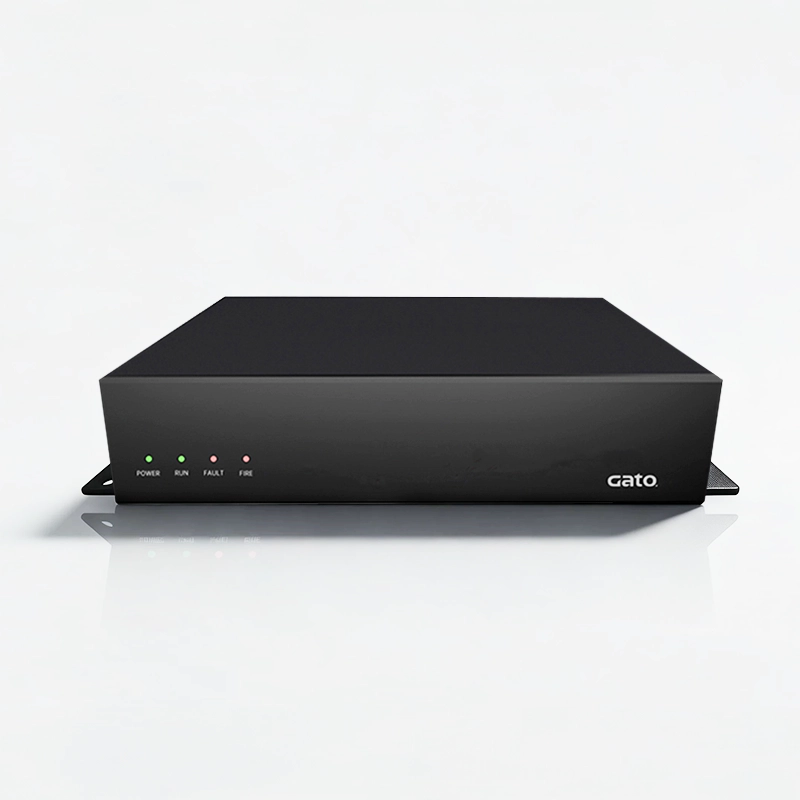
2. DAS Interrogator Unit
The interrogator is the core processing device.
It sends optical signals into the fiber and receives reflected signals.
The system continuously compares signal changes and identifies abnormal vibration patterns.
For security applications, the interrogator does more than detect vibration. A practical DAS system must distinguish between meaningful threats and normal environmental activities.
For example:
A person walking near a perimeter creates a different vibration pattern compared with:
- Heavy rain
- Strong wind
- Small animals
- Nearby traffic
Without effective signal analysis, even a highly sensitive system may generate too many alarms.
3. Security Management Platform
In real projects, DAS is rarely used as an isolated system.
A professional perimeter protection solution normally integrates DAS with:
- CCTV cameras
- Video management systems
- Access control systems
- Security operation platforms
The purpose is simple:
- DAS provides early detection.
- Cameras provide visual verification.
- Security personnel make the final response.
Generally speaking, this multi-layered strategy is more useful than depending just on one technology.
Techniques for Installing DAS for Perimeter Security
One of the reasons DAS is widely used in critical infrastructure security is its flexibility in installation.
Different environments require different deployment strategies.
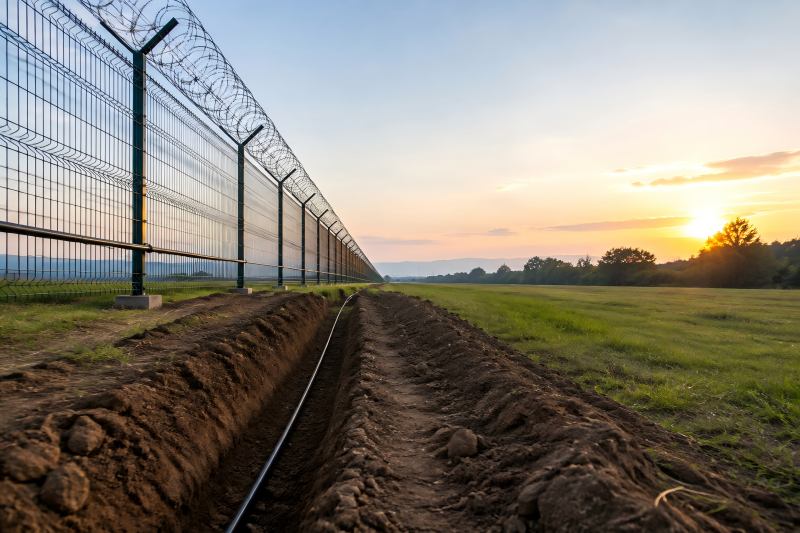
1. Buried Fiber Optic Installation
Buried fiber installation is commonly used for high-security areas where early detection is required before an intruder reaches the physical boundary.
The fiber cable is installed underground around the protected area.
It can detect:
- Footsteps
- Digging attempts
- Vehicle approach
- Ground vibration
This installation technique is particularly appropriate for:
- Airports
- Military facilities
- Border areas
- Power plants
One important engineering consideration is installation depth.
If the cable is too shallow, environmental noise may increase.
If it is too deep, sensitivity may decrease.
Therefore, successful deployment requires testing the soil condition, surrounding environment, and expected threat type.
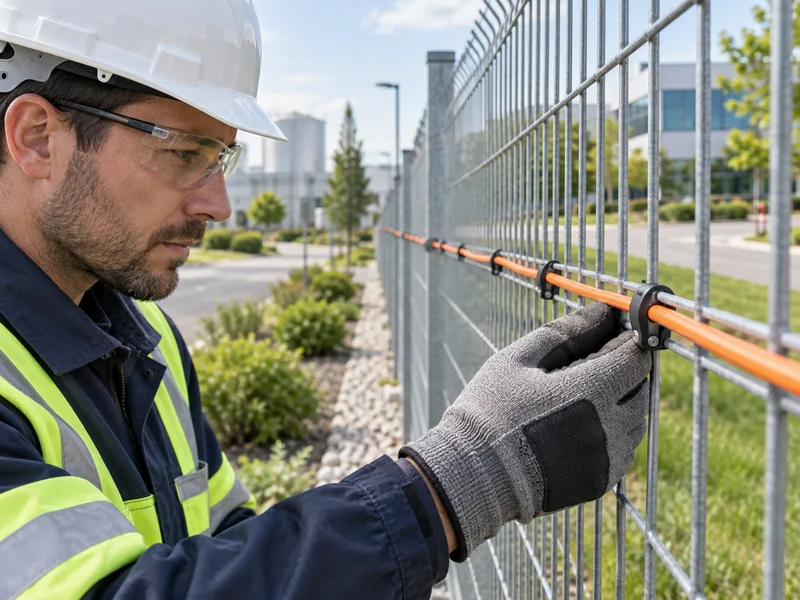
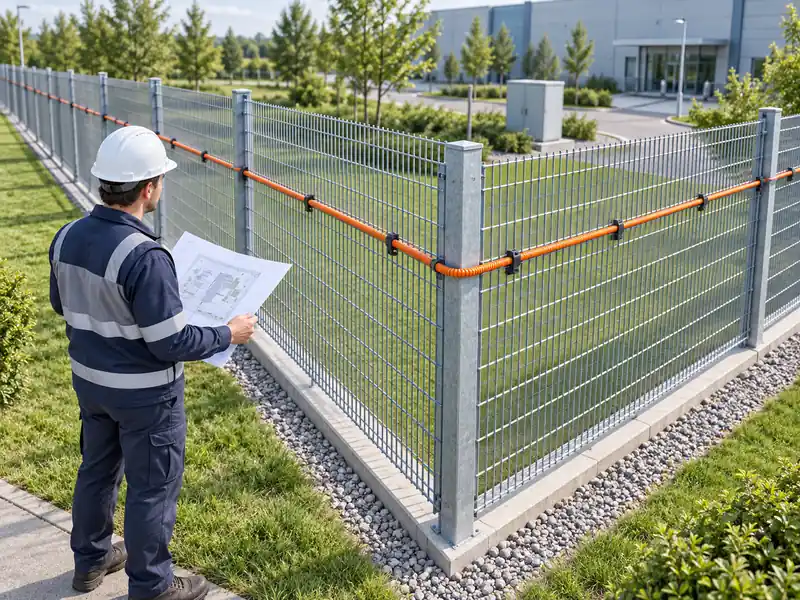
2. Fence-Mounted Fiber Installation
For sites with existing perimeter fences, installing fiber on the fence structure is often a practical solution.
The system can detect:
- Fence climbing
- Cutting attempts
- Physical impact
- Tampering activities
Compared with traditional fence vibration sensors, fiber optic systems have advantages because they are passive sensing devices and can cover longer distances.
However, fence installation also creates another engineering challenge.
The fence itself is affected by:
- Wind
- Loose structures
- Mechanical vibration
Therefore, the system configuration must consider local environmental conditions to maintain reliable detection.
3. Pipeline and Linear Infrastructure Protection
DAS technology is also suitable for protecting long linear assets.
Examples include:
- Oil pipelines
- Gas pipelines
- Power transmission routes
- Communication cables
For these applications, traditional security methods are often impractical.
Installing cameras along hundreds of kilometers of infrastructure would create huge costs and maintenance difficulties.
DAS provides a more scalable solution by using fiber as a continuous monitoring line.
Key Advantages of Distributed Acoustic Sensing System
1. Long-Distance Monitoring Capability
The biggest advantage of DAS is coverage.
A single system can monitor long fiber routes without installing hundreds or thousands of individual sensors.
This makes it suitable for large-scale infrastructure where traditional point sensors become expensive and difficult to maintain.
2. No Blind Spots Along the Fiber Route
Traditional sensors usually monitor specific locations.
If an intrusion happens between two sensors, detection may be delayed.
DAS works differently.
Every section of the sensing fiber becomes part of the detection area.
This creates continuous monitoring along the protected route.
3. Resistance to Electromagnetic Interference
Because DAS uses optical fiber instead of electrical signal transmission, it is naturally resistant to electromagnetic interference.
This is important for applications such as:
- Power stations
- Industrial facilities
- Railway environments
where electrical equipment may create strong interference.
4. Real-Time Alarm and Location Information
For security teams, knowing that an intrusion occurred is not enough.
They also need to know:
- Where it happened
- How serious it is
- What response is required
A well-designed DAS system can provide event location information, helping operators quickly verify and respond.
Practical Challenges When Deploying DAS Systems
Although DAS provides significant advantages, it is not a solution that can simply be installed and expected to work perfectly.
From an engineering perspective, several factors determine system performance.
Environmental Noise Management
The biggest challenge is not detecting vibration.
The challenge is understanding vibration.
A good DAS system must separate threats from normal environmental activities.
For example:
- A highway near the perimeter may create continuous vibration.
- A construction area may produce irregular noise.
- Wildlife may trigger underground movement signals.
Therefore, proper configuration, signal processing, and site testing are essential.
Installation Quality
Fiber installation directly affects detection performance.
Poor installation may cause:
- Reduced sensitivity
- Unstable signals
- Difficult maintenance
Before deployment, engineers should evaluate:
- Fiber route
- Soil conditions
- Fence structure
- Surrounding activities
- Security requirements
Integration With Existing Security Systems
DAS should not replace every other security technology.
The strongest perimeter security systems usually combine multiple layers:
Outer detection:
DAS fiber sensing
↓
Verification:
CCTV and video analytics
↓
Response:
Security personnel or access control system
This combination provides both early warning and reliable confirmation.
Applications of DAS Perimeter Security Systems
Airports
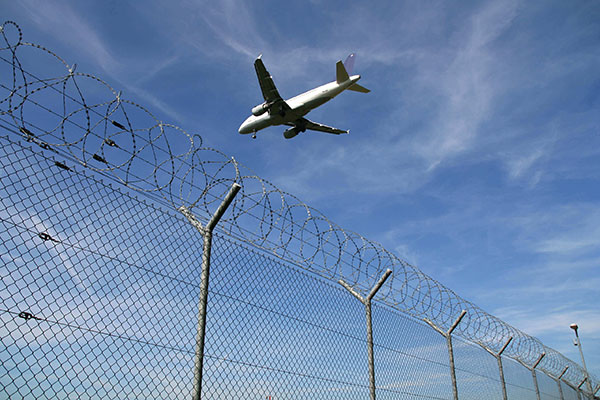
Airports require protection across large and complex boundaries.
DAS can help detect unauthorized access attempts along:
- Airport fences
- Restricted areas
- Runway boundaries
Its long-distance monitoring capability makes it suitable for large perimeter environments.
Data Centers
Data centers contain critical digital infrastructure and require strict physical protection.
DAS can provide an additional security layer outside the building perimeter, helping detect suspicious activities before they reach sensitive areas.
Oil and Gas Facilities
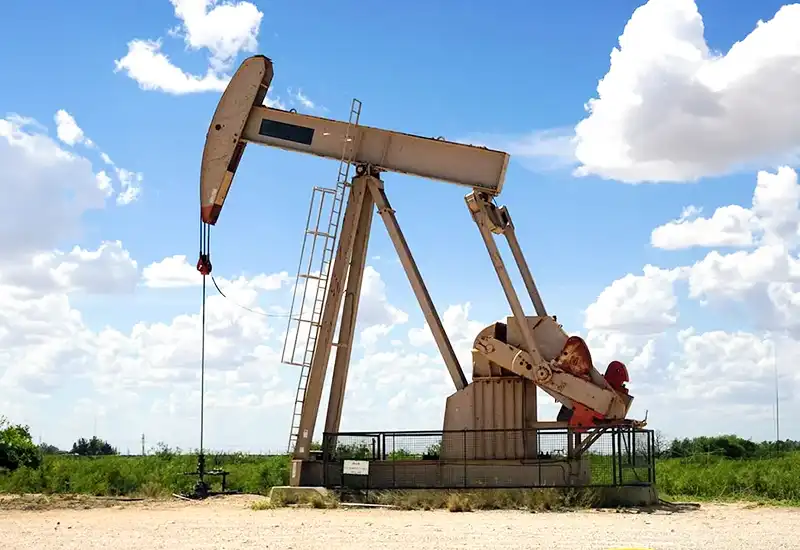
Oil and gas facilities often include pipelines and remote infrastructure.
DAS helps monitor these long-distance assets where traditional security solutions are difficult to deploy.
Border Security
Border protection requires reliable monitoring across challenging environments.
Fiber optic sensing solutions can detect human movement, vehicle activity, and attempts to cross restricted zones.
Power Plants
Facilities that generate electricity must be shielded from physical harm and unwanted access.
DAS operates dependably in industrial settings and offers continual monitoring around crucial zones.
DAS Is More Than a Sensor; It Is a Security Layer
A Distributed Acoustic Sensing System represents a significant change in how perimeter security is designed.
Instead of installing many independent sensors, DAS converts optical fiber into a continuous sensing network capable of monitoring large areas.
However, successful deployment depends on more than choosing advanced technology.
The real value comes from combining:
- Correct installation design
- Proper environmental analysis
- Intelligent signal processing
- Integration with other security systems
For critical infrastructure, the goal is not simply to detect every vibration.
The goal is to identify real threats early, reduce unnecessary alarms, and provide security teams with reliable information for fast response.
That is where DAS technology creates real value in modern perimeter protection.