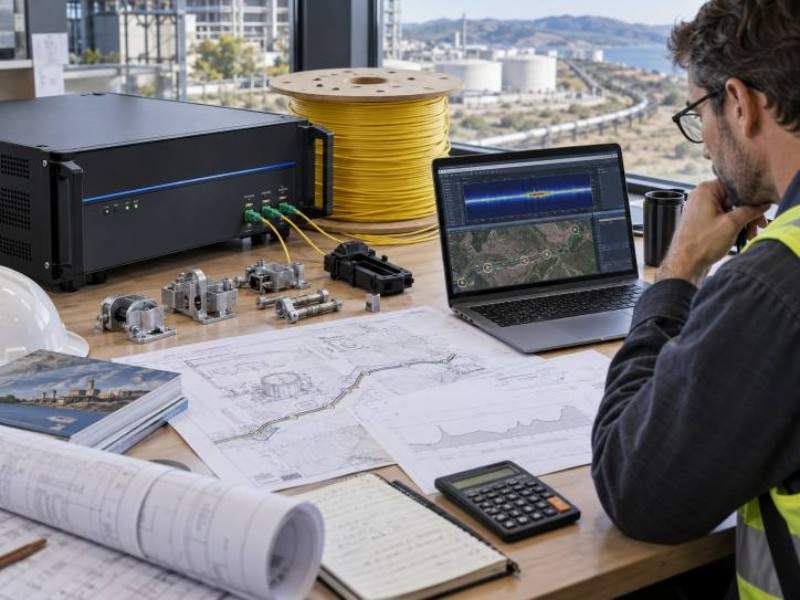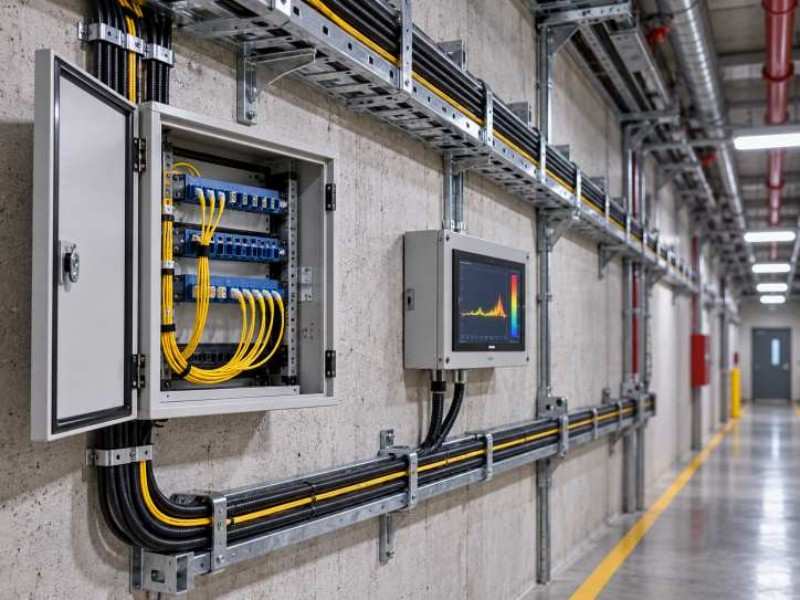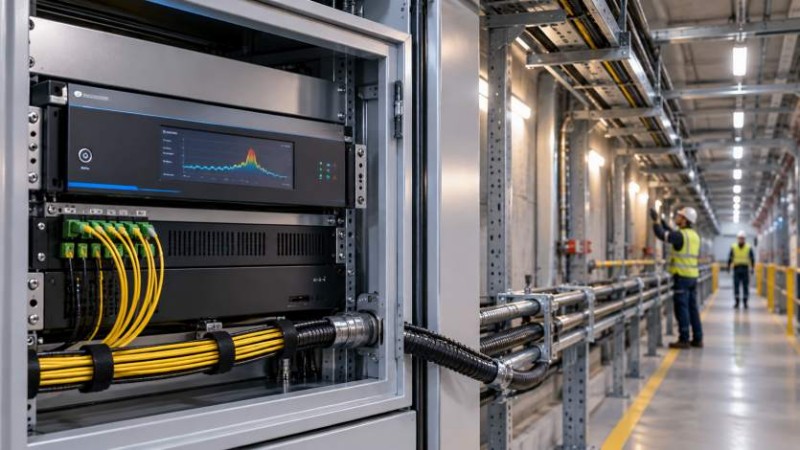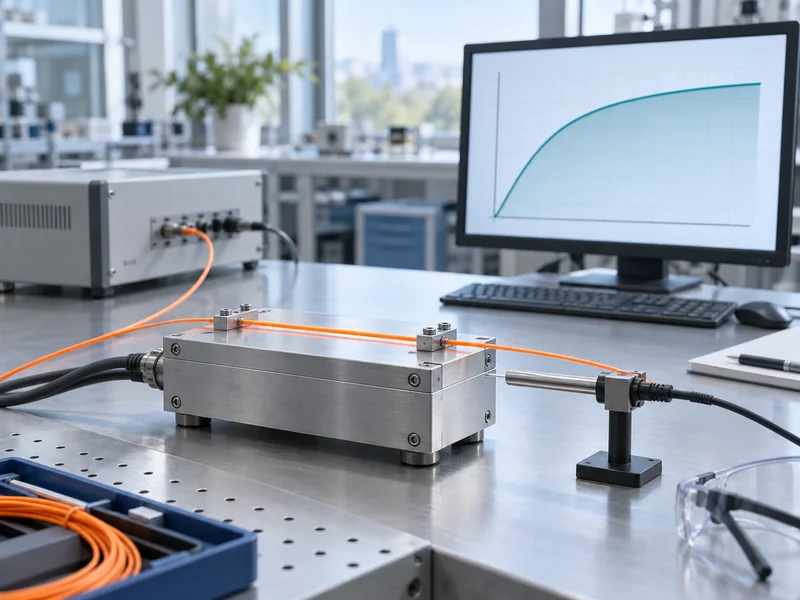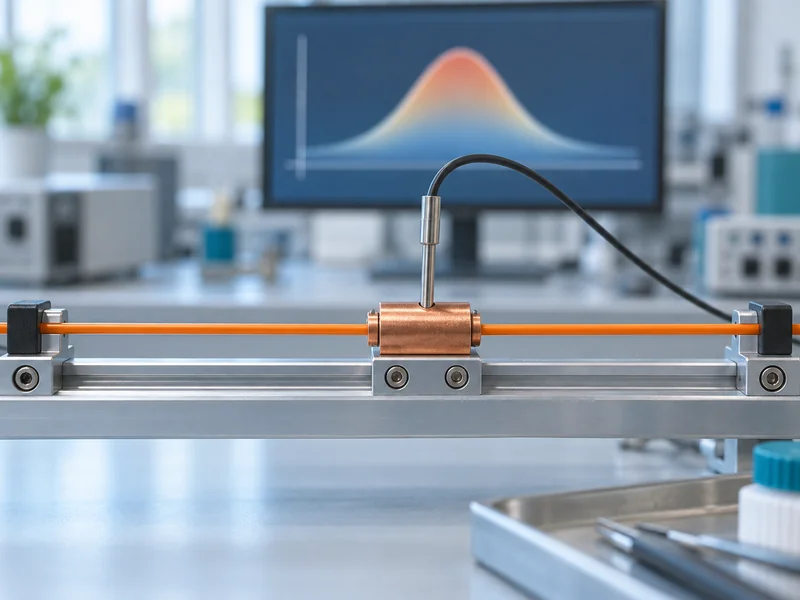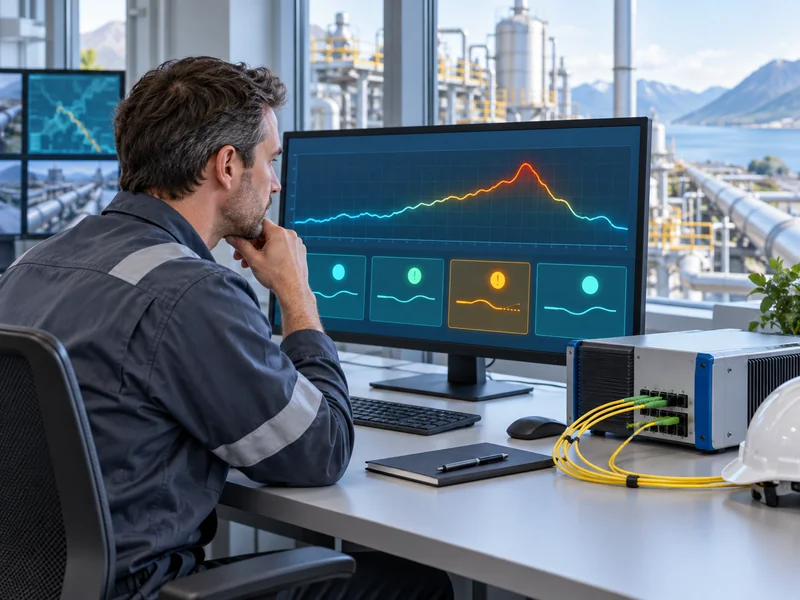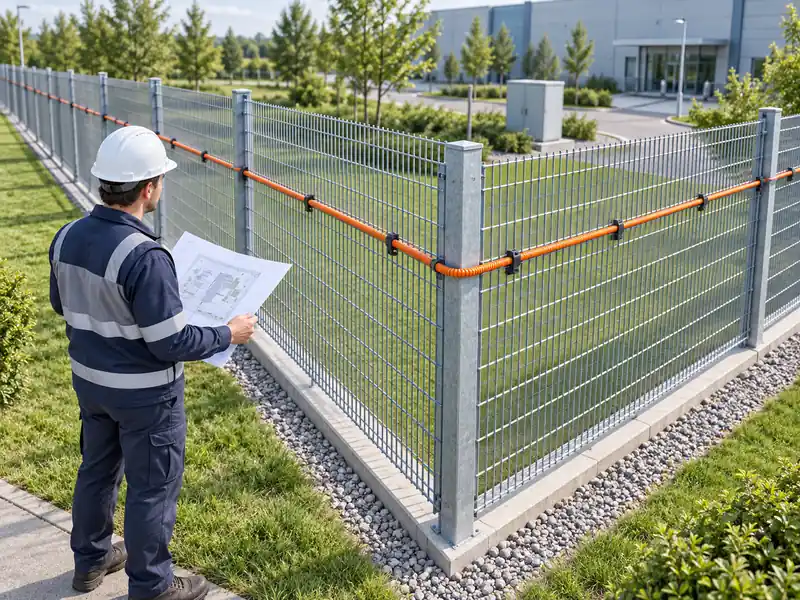
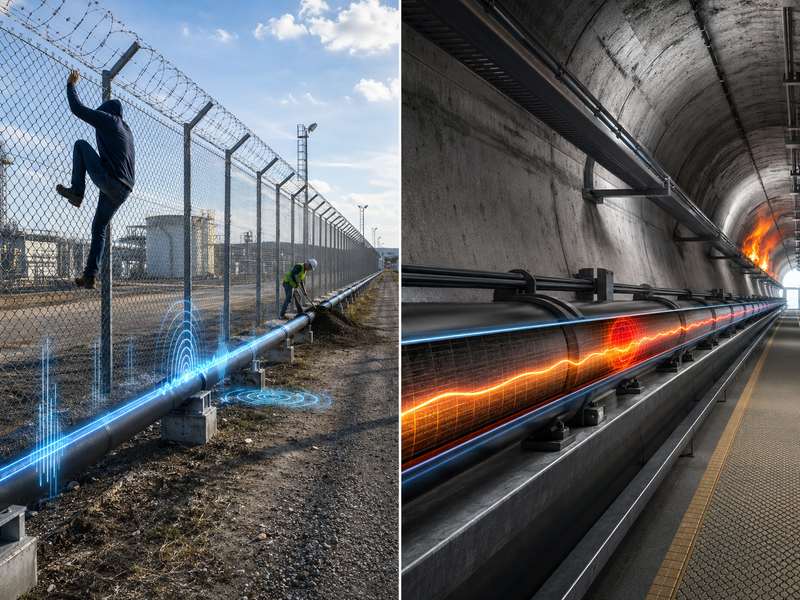
Fiber optic sensing turns optical fiber into a long-distance sensing line for security, pipelines, cables, tunnels, railways, bridges, mines, and industrial facilities.
DAS detects vibration, movement, digging, climbing, cutting, vehicle activity, and intrusion. DTS measures temperature changes, including overheating, leakage, fire risks, and hot spots.
What Is DAS?
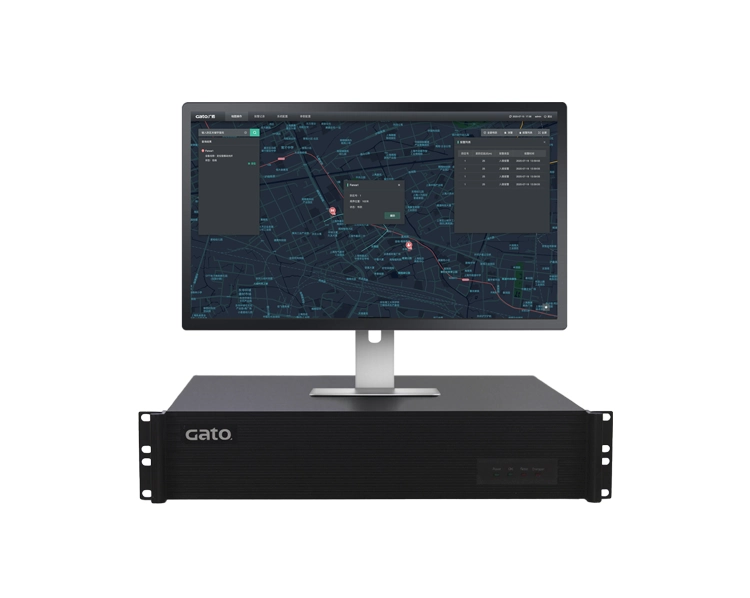
DAS, or Distributed Acoustic Sensing, uses optical fiber to detect vibration and acoustic signals along the cable. The backscattered light is examined after laser pulses are introduced into the cable. When vibration, sound, impact, digging, walking, vehicle movement, or fence shaking affects the fiber, the optical signal changes. The DAS system identifies these changes and locates the event position.
In simple terms, DAS turns a fiber optic cable into a long-distance vibration sensor.
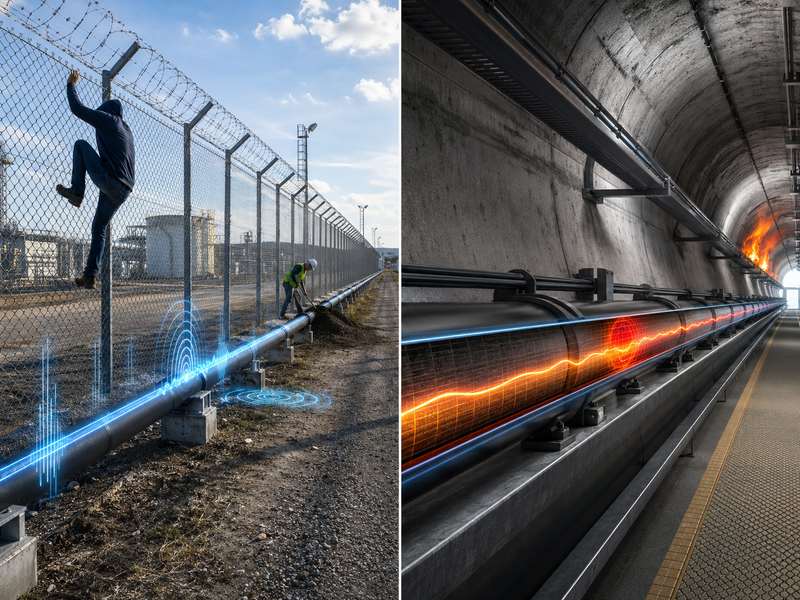
A DAS system is often used in security and monitoring projects where early intrusion detection is important. For example, when a person climbs a fence, cuts a fence, walks near a buried cable, digs near a pipeline, or drives close to a restricted area, the system can detect the vibration pattern and generate an alarm.
Modern DAS systems can also use AI analysis or event classification algorithms to reduce false alarms. This allows the system to distinguish between human intrusion, animal activity, rain, wind, vehicle vibration, or construction activity.
Common DAS Applications
| Application | What DAS Detects | Main Value |
| Perimeter security | Fence climbing, cutting, shaking, and intrusion | Early alarm and long-distance protection |
| Pipeline monitoring | Digging, third-party construction, leakage, vibration | Prevents damage and theft |
| Railway monitoring | Train movement, rail vibration, trackside intrusion | Improves safety awareness |
| Border security | Walking, digging, and vehicle movement | Wide-area detection |
| Oil and gas sites | Fence disturbance and ground activity | Protects critical infrastructure |
What Is DTS?
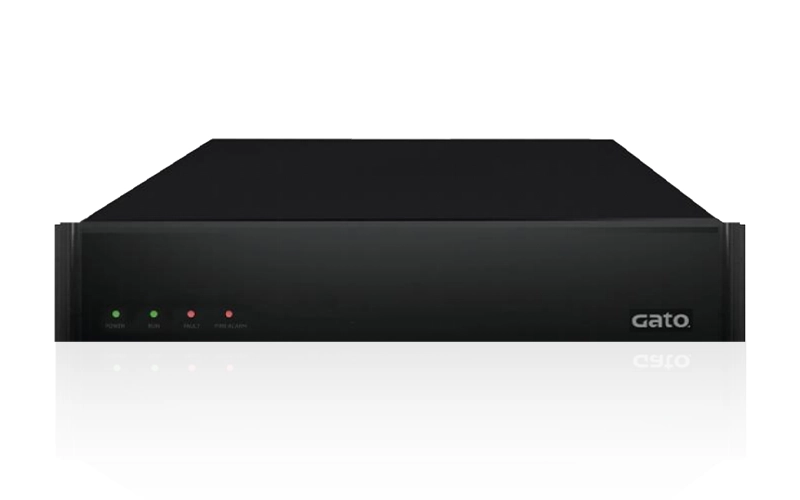
Distributed Temperature Sensing, or DTS, measures the temperature along a wire using optical fiber. Like DAS, it sends laser pulses into the fiber, but it focuses on temperature-related light scattering. The system determines the temperature at various locations along the fiber by analyzing the signal.
In simple terms, DTS turns a fiber optic cable into a long-distance temperature sensor.
DTS is used when the key concern is heat, fire, leakage, insulation failure, or temperature abnormality. It can monitor thousands of measuring points along a single fiber cable. This makes it useful for long tunnels, power cable corridors, storage tanks, pipelines, and industrial facilities.
For example, if a power cable begins to overheat, DTS can identify the hot spot before serious failure occurs. If a tunnel fire starts, DTS can locate the abnormal temperature rise. If a pipeline leaks, the surrounding temperature may change, and DTS can help identify the affected section.
Common DTS Applications
| Application | What DTS Measures | Main Value |
| Power cable monitoring | Cable surface or surrounding temperature | Prevents overheating and failure |
| Tunnel fire detection | Abnormal temperature rise | Early fire warning |
| Pipeline leakage detection | Temperature change near leakage point | Supports maintenance response |
| Tank monitoring | Temperature distribution | Improves safety control |
| Industrial process monitoring | Heat distribution | Detects abnormal operation |
DAS vs DTS: Quick Comparison
Although DAS and DTS both use fiber optic cables, their sensing goals are different. DAS listens for vibration and acoustic activity. DTS measures temperature changes.
| Item | DAS | DTS |
| Full name | Distributed Acoustic Sensing | Distributed Temperature Sensing |
| Main detection target | Vibration, sound, movement, intrusion | Temperature, heat, fire, thermal change |
| Typical signal | Acoustic/vibration signal | Temperature signal |
| Main use | Security and activity detection | Fire, overheating, leakage, thermal monitoring |
| Event type | Dynamic events | Thermal events |
| Common installation | Fence-mounted, buried, pipeline-side, railway-side | Power cable, tunnel, pipeline, tank, industrial area |
| Alarm example | Someone climbs a fence | Cable temperature exceeds limit |
| Best for | Intrusion and vibration monitoring | Temperature and fire monitoring |
Key Difference 1: Detection Principle
The biggest difference between DAS and DTS is the physical signal they detect.
DAS detects vibration and acoustic disturbances. It is sensitive to movement, impact, digging, walking, vehicle activity, fence shaking, and other dynamic events. It is suitable when the project needs to know whether something is moving, hitting, cutting, climbing, or approaching.
DTS detects temperature distribution. It is sensitive to heat changes, hot spots, fire risk, leakage-related temperature variation, and abnormal thermal conditions. It is suitable when the project needs to know whether a certain location is overheating or experiencing a temperature change.
For example, if someone cuts a perimeter fence, DAS is the better solution because the event creates vibration. If a power cable overheats, DTS is the better solution because the event creates a temperature change.
Key Difference 2: Application Scenarios
DAS is more common in perimeter security and third-party intrusion detection. It is often used for:
- Fence line intrusion detection
- Buried cable perimeter protection
- Pipeline anti-digging monitoring
- Railway trackside monitoring
- Border and airport perimeter protection
- Solar farm and refinery security
DTS is more common in temperature safety and asset protection. It is often used for:
- Power cable temperature monitoring
- Tunnel fire detection
- Pipeline leakage detection
- Conveyor belt fire warning
- Storage tank temperature monitoring
- Industrial heat monitoring
In many industrial sites, DAS and DTS can also be used together. DAS can detect unauthorized activity, while DTS can detect heat-related safety risks.
Key Difference 3: Alarm Type
DAS alarms are usually event-based. The system detects abnormal vibration or acoustic patterns and then classifies the event. For example, it may identify climbing, cutting, digging, walking, or vehicle movement.
DTS alarms are usually threshold-based or trend-based. The system measures temperature and compares it with preset limits. If the temperature exceeds a warning level, rises too quickly, or changes abnormally, the system triggers an alarm.
| Alarm Type | DAS Example | DTS Example |
| Direct alarm | Fence cutting detected | Cable temperature too high |
| Trend alarm | Repeated digging activity near pipeline | Temperature rising quickly |
| Zone alarm | Intrusion in Zone 5 | Hot spot in tunnel section |
| Classification alarm | Walking, climbing, digging, vehicle | Overheating, fire, leakage |
Key Difference 4: Installation Method
DAS installation depends on how the vibration needs to be captured. For perimeter security, the fiber cable may be fixed to a fence, buried underground, attached to a pipeline, or installed near railway tracks. The cable installation quality greatly affects detection performance. Loose cable fixing, poor contact, or unsuitable cable routing may reduce sensitivity.
DTS installation depends on how the temperature needs to be captured. The sensing cable should be placed close to the heat source or thermal risk area. It is possible to deploy the fiber along the cable route for power cable monitoring. For tunnel fire detection, the fiber may be installed along the tunnel ceiling or cable tray. For pipeline monitoring, the fiber may be placed near the pipeline surface or buried close to it.
In short, DAS needs good mechanical coupling to vibration sources. DTS needs good thermal coupling to heat sources.
Key Difference 5: Data Output
DAS systems generate vibration or acoustic data. The output may include event location, vibration intensity, waveform, frequency characteristics, and event classification. Because vibration patterns are complex, DAS software often plays a major role in analysis.
DTS systems generate temperature data. The output is usually easier to understand: temperature value, location, temperature curve, hot spot position, and alarm level. Operators can view temperature distribution along the fiber and identify abnormal sections.
| Data Output | DAS | DTS |
| Main data | Vibration/acoustic signal | Temperature value |
| Display form | Event map, waveform, frequency pattern | Temperature curve, heat map, alarm threshold |
| Analysis focus | Event classification | Temperature trend |
| Software role | Very important for false alarm reduction | Important for monitoring and reporting |
Key Difference 6: False Alarm Factors
DAS may be affected by wind, rain, animals, nearby vehicles, construction vibration, fence looseness, and environmental noise. For this reason, advanced DAS systems often use filtering algorithms, sensitivity settings, zone management, and AI classification to reduce false alarms.
DTS false alarms usually come from wrong temperature thresholds, poor cable placement, environmental temperature changes, damaged cable sections, or poor system calibration. Compared with DAS, DTS signals are often more stable, but the alarm threshold must be properly designed for the actual site.
For example, in an outdoor perimeter security project, DAS needs to distinguish between a real fence-climbing event and wind shaking the fence. In a tunnel fire monitoring project, DTS needs to distinguish between normal temperature variation and a dangerous hot spot.
DAS Advantages and Limitations
DAS is powerful because it can detect events before actual damage occurs. For example, it can detect digging near a pipeline before the pipeline is hit. It can detect fence climbing before the intruder enters the site. It can monitor long distances with fewer field devices.
However, DAS requires careful configuration. The system must be adjusted based on the site environment, cable installation method, and alarm rules. In complex environments, false alarm control is a key part of project success.
| DAS Advantages | DAS Limitations |
| Long-distance vibration detection | Sensitive to environmental vibration |
| Good for intrusion detection | Requires proper algorithm tuning |
| Can detect dynamic activity early | Installation quality affects performance |
| Supports event classification | May need site-specific calibration |
| Suitable for fence, buried, and pipeline use | More complex signal analysis |
DTS Advantages and Limitations
DTS provides continuous temperature monitoring over long distances. It is very useful for detecting overheating, fire, leakage, and abnormal heat distribution. It can replace many traditional point temperature sensors and provide more complete coverage.
However, DTS is not designed to detect vibration or movement. If the project goal is to detect intruders, digging, climbing, or fence cutting, DTS alone is not enough. It also requires correct cable placement near the heat source; the temperature response may be delayed or weakened.
| DTS Advantages | DTS Limitations |
| Continuous temperature measurement | Cannot detect vibration or intrusion directly |
| Good for fire and overheating detection | Requires good thermal contact |
| Easy-to-understand temperature output | Response depends on cable placement |
| Suitable for long-distance assets | Not ideal for dynamic event detection |
| Useful for preventive maintenance | Threshold design is important |
When Should You Choose DAS?
Choose DAS when your main goal is to detect activity, movement, vibration, or intrusion.
DAS is suitable for projects such as:
- Industrial perimeter security
- Airport fence monitoring
- Solar farm intrusion detection
- Pipeline anti-digging protection
- Railway security monitoring
- Border and restricted area monitoring
- Oil and gas site protection
If your security team needs to know when someone approaches, climbs, cuts, digs, walks, drives, or disturbs the perimeter, DAS is usually the better choice.
When Should You Choose DTS?
Choose DTS when your main goal is to detect temperature change, overheating, fire, or leakage.
DTS is suitable for projects such as:
- Power cable temperature monitoring
- Tunnel fire detection
- Pipeline leakage monitoring
- Conveyor fire warning
- Tank temperature monitoring
- Industrial heat monitoring
If your operation team needs to know where the temperature is rising, where a hot spot appears, or where a thermal abnormality occurs, DTS is usually the better choice.
Can DAS and DTS Be Used Together?
Yes. DAS and DTS can complement each other in high-security and high-safety projects.
For example, in an oil and gas pipeline project, DAS can detect third-party digging activity near the pipeline, while DTS can detect temperature changes related to leakage or abnormal process conditions.
In a tunnel project, DAS can monitor vibration or activity, while DTS can detect fire and overheating. In a power facility, DAS can support perimeter intrusion detection, while DTS can monitor cable temperature.
Using both systems provides a stronger protection layer because they monitor different risks.
| Project Type | DAS Role | DTS Role |
| Pipeline | Detect digging and ground vibration | Detect leakage-related temperature change |
| Tunnel | Detect activity or vibration | Detect fire and hot spots |
| Power facility | Detect perimeter intrusion | Monitor cable overheating |
| Industrial site | Detect fence disturbance | Monitor thermal risk |
| Railway | Detect trackside activity | Monitor heat-related equipment risk |
DAS and DTS are fiber optic sensing technologies for different needs. DAS detects vibration and acoustic signals for intrusion detection, perimeter security, pipeline anti-digging, and activity monitoring. DTS measures temperature for fire detection, cable overheating, pipeline leakage, and thermal safety.
Simply put: DAS listens to the fiber, while DTS measures heat.
Choose DAS for security and event detection, DTS for temperature monitoring, or combine both for complete protection.