How to Avoid False Alarms with Perimeter Intrusion Detection Systems (PIDS)
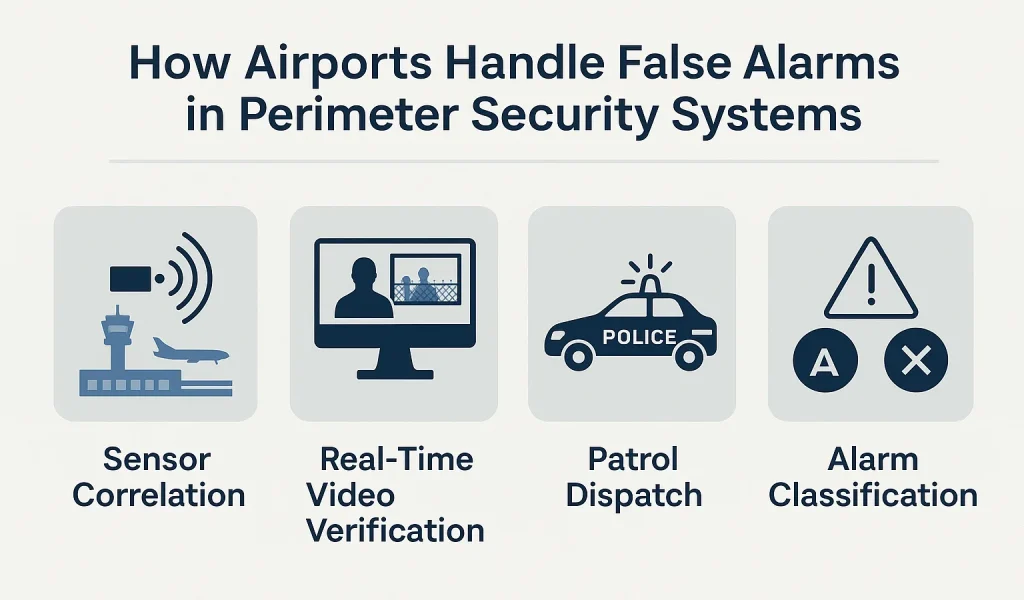
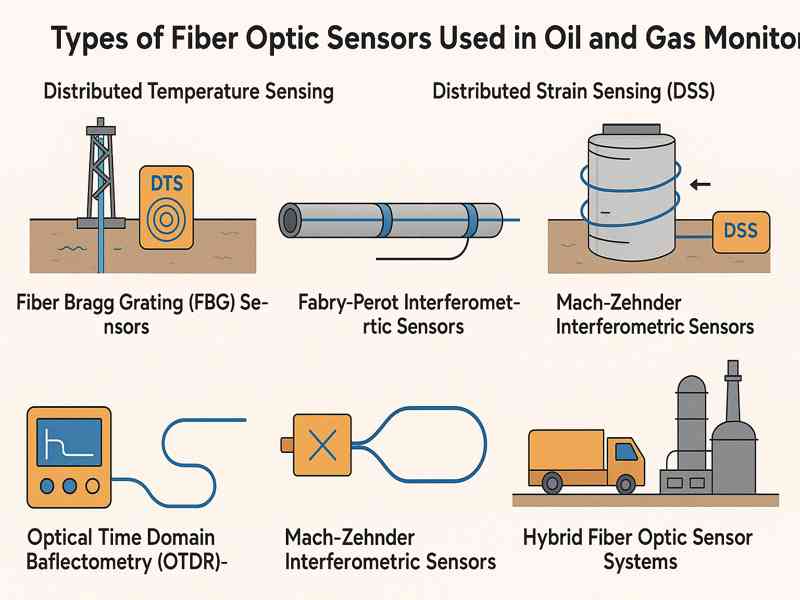
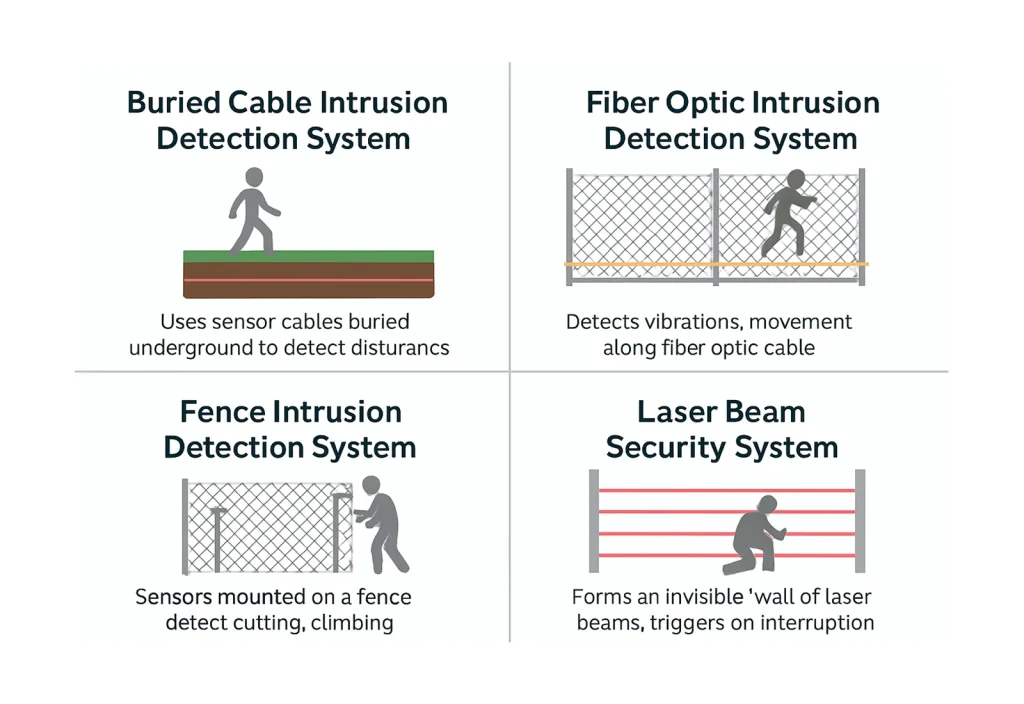
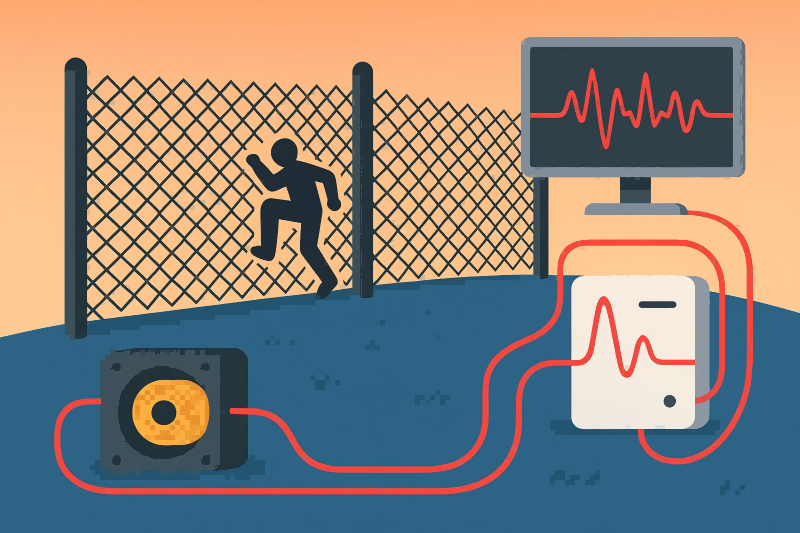
Perimeter Intrusion Detection Systems (PIDS) protect critical infrastructure, industrial sites, government buildings, and private estates by detecting unauthorized access. A key challenge is false alarms, where the system mistakenly identifies an intrusion without a real threat. False alarms undermine PIDS’ reliability, waste resources, and reduce effectiveness. Minimizing them is crucial for security. This article explores common causes and strategies to reduce false alarms. Understanding Perimeter Intrusion Detection Systems (PIDS) A Perimeter Intrusion Detection System (PIDS) consists of various technologies designed to monitor and detect unauthorized movements or breaches along a facility’s boundary. Typical PIDS types include the following: Infrared sensors: Identify movement by using heat signatures. Fiber Optic Sensors: Detect vibrations or disturbances along a fiber optic cable. Radar systems: They detect movement by using radio waves. Electromechanical Sensors: Detect changes in pressure or displacement along fences or walls. Video Surveillance Systems: Use cameras combined with motion detection algorithms to monitor perimeters. While these systems are highly effective, they can sometimes trigger false alarms, which occur when the system mistakenly identifies an innocuous event as a security threat. Minimizing these false alarms is crucial to maintaining a reliable and efficient PIDS. Common Causes of False Alarms False alarms in perimeter intrusion detection systems are caused by a number of sources. These elements typically have to do with the technology being utilized, the surroundings, and the system design. Interference from the Environment Environmental influences can have a big impact on false alarms. Common environmental causes include: Weather Conditions: Rain, wind, fog, snow, and temperature changes can all affect the sensors. For example, wind can cause motion sensors to detect movement, while rain can cause disturbances that trigger false alerts in systems like vibration sensors or infrared sensors. Wildlife Movement: Animals such as birds, rodents, or large animals like deer can cause disturbances that are incorrectly flagged as intrusions. For instance, animals might trigger motion sensors or vibration sensors on fences and barriers. Temperature Variations: Because infrared sensors rely on identifying heat signatures, they may be impacted by abrupt temperature fluctuations. Similarly, sudden temperature shifts can lead to fiber optic systems registering changes in the environment that are not related to actual intrusion. Human Error Sometimes, human error or misconfiguration of the PIDS can lead to false alarms: Improper Calibration: Incorrect settings for sensitivity or detection thresholds are among the leading causes of false alarms. For example, motion sensors may be set too sensitively, detecting even the smallest movement, such as swaying branches or debris blowing across the ground. Installation Issues: Poor installation practices, such as improper alignment or positioning of sensors, can create “dead zones” or overlapping detection zones. This can lead to both false positives (alarms triggered by non-intrusive events) and false negatives (actual intrusions not detected). Poor Integration with Other Systems: In some cases, PIDS are integrated with other security systems like video surveillance or access control systems. If not properly configured, these systems may generate false alarms by interpreting the same data differently. Over-Sensitivity of Sensors Over-sensitivity is one of the most common issues that lead to false alarms in PIDS. If the sensors are set too sensitively, they may pick up any movement or environmental change, regardless of whether it poses a real security threat. For example: Vibration Sensors: These sensors might register minor tremors caused by wind, rain, or even passing vehicles as significant threats. Infrared Sensors: These sensors might detect false positives if there are temperature fluctuations or heat sources like sunlight or nearby machinery that cause thermal signatures similar to those of a human body. Radar Systems: Over-sensitivity in radar systems can result in the detection of benign objects, such as birds, leaves, or small animals, triggering alarms unnecessarily. Correct Installation Is Essential If put improperly, even the most sophisticated sensors will malfunction. Improper placement, insecure mounting, and inadequate planning create vulnerable zones and unstable detection ranges. Installation Best Practices: Follow manufacturer-recommended spacing, angle, and height. Avoid placing sensors near air conditioners, trees, metal objects, or reflective surfaces. Make sure that wires are evenly covered by dirt and buried at the proper depth and spacing. Ensure fences are firmly anchored, not loose or swaying. Use shielding or barriers to protect sensors from direct wind or rain where appropriate. Actionable Tip: Always conduct a site survey before installation to assess terrain, exposure, and risk factors. Hire trained technicians to perform or supervise the installation. Strategies to Minimize False Alarms in PIDS Minimizing false alarms is crucial to ensuring the reliability and efficiency of a Perimeter Intrusion Detection System. By implementing several key strategies, security teams can significantly reduce false positives while maintaining high detection accuracy. Sensitivity Calibration One of the simplest and most effective ways to reduce false alarms is to calibrate the system’s sensitivity levels correctly. Each sensor in the PIDS, whether infrared, vibration, or radar-based, should be carefully adjusted to respond only to significant disturbances that pose a real threat. Setting Optimal Sensitivity: The sensitivity of the system should be fine-tuned to detect intrusions (e.g., human movement, vehicle activity) while ignoring environmental noise (e.g., animals, rain, wind). Continuous Monitoring and Adjustment: Sensitivity levels should be monitored regularly and adjusted as needed, particularly when there are seasonal or environmental changes that could affect the system’s performance. Combining Multiple Detection Technologies Integrating multiple types of detection technologies can significantly reduce the occurrence of false alarms. By combining complementary systems, PIDS can leverage the strengths of each technology while compensating for the weaknesses of others. Video Surveillance Integration: Integrating video surveillance systems with motion detectors or infrared sensors allows for visual verification of alerts. Video analytics can be used to confirm whether an alert is a true intrusion, providing a higher level of confidence in the system’s alerts. Multisensor Fusion: Combining radar, vibration, and fiber optic sensors can enhance accuracy. Each sensor type can provide different types of data, and cross-referencing these can help determine whether an alert is truly valid. Environmental Sensors: Incorporating environmental sensors (e.g., weather sensors) can help filter out alarms