Comparing Single-Mode vs. Multi-Mode Fiber in Intrusion Detection Systems
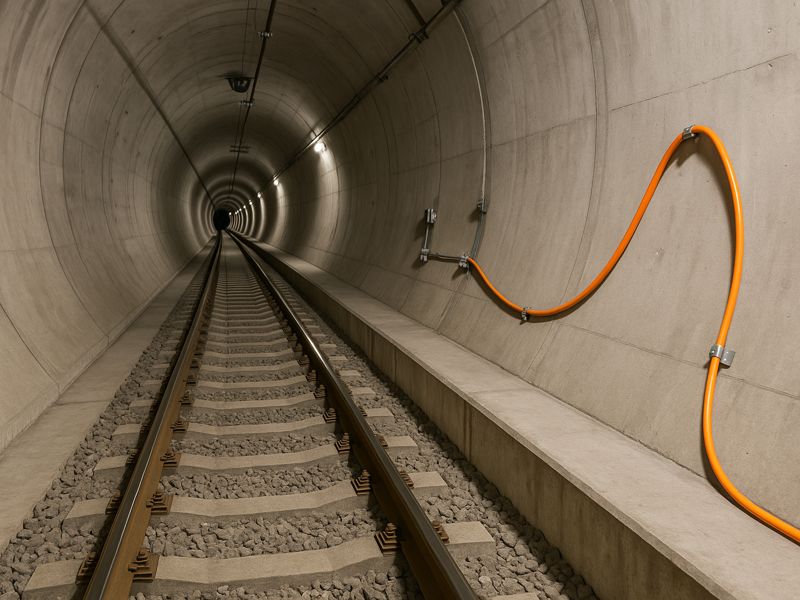
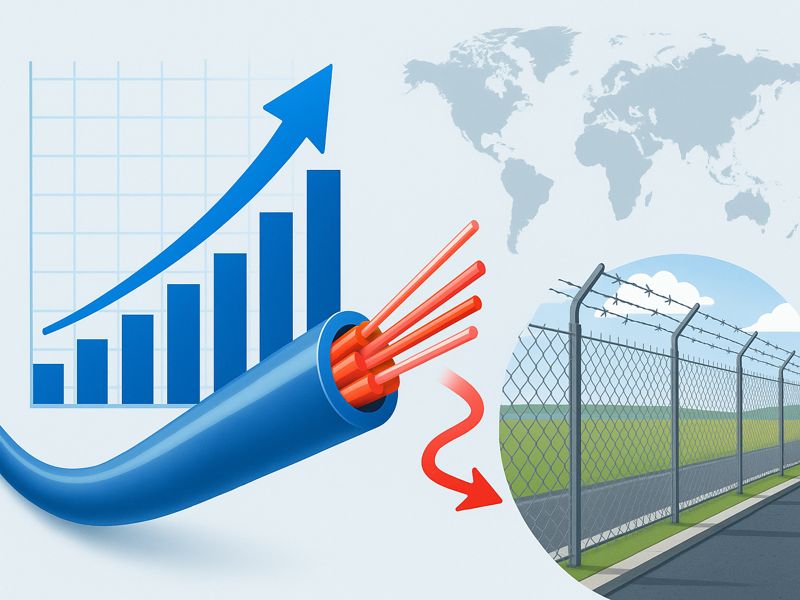
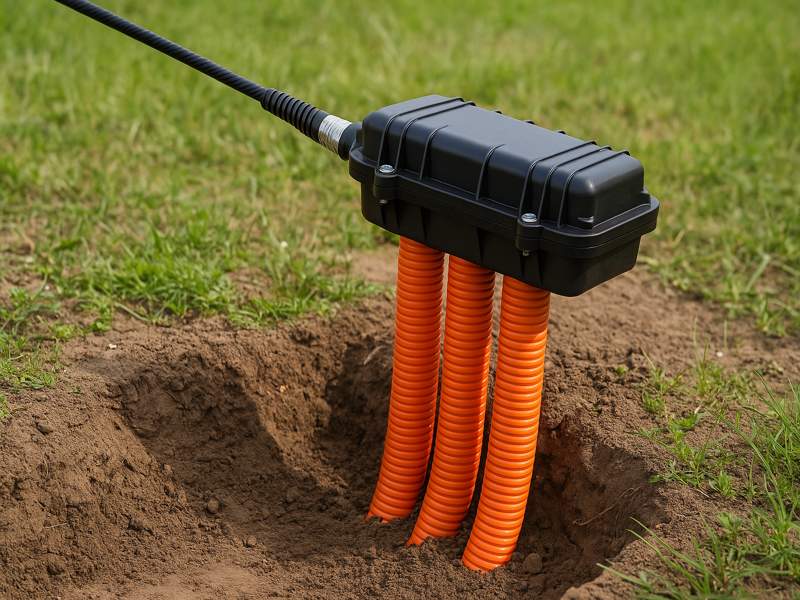
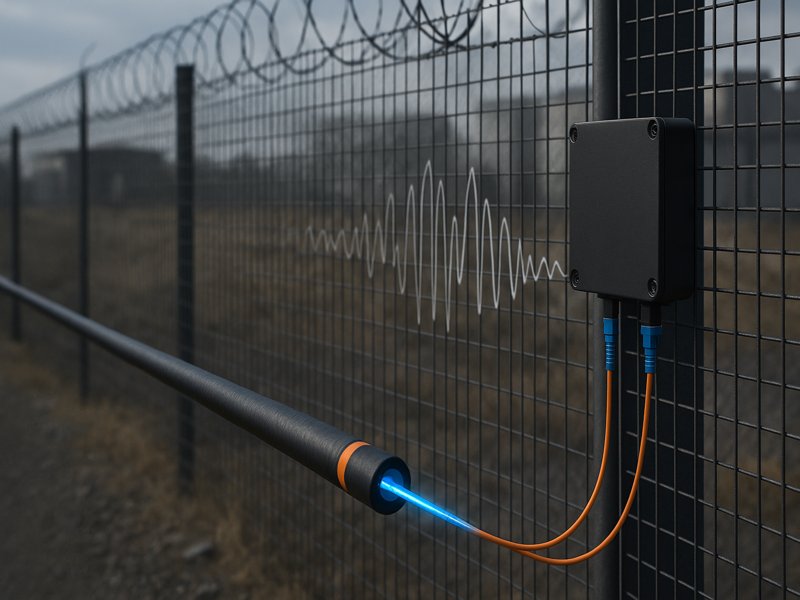
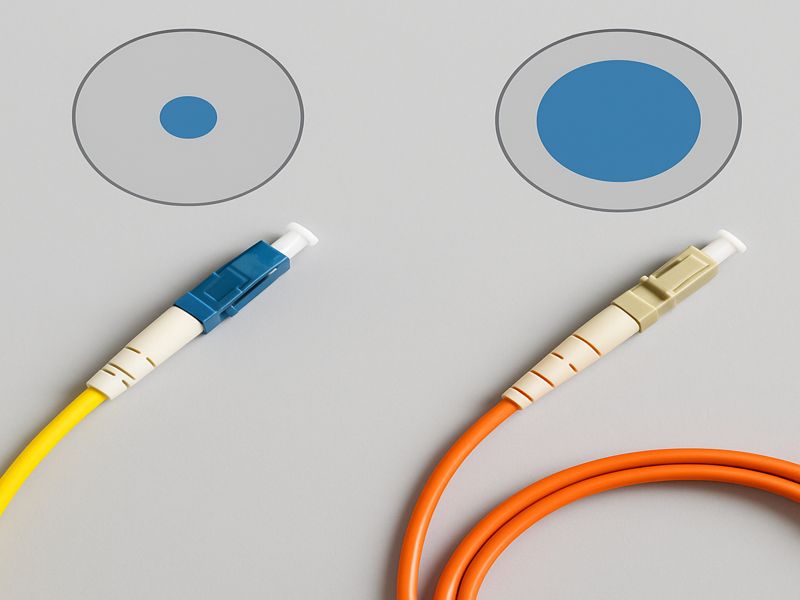
FOIDS are transforming security by turning fiber cables into continuous sensors that detect vibrations, temperature shifts, and disturbances along fences, pipelines, or tunnels. Their performance depends on fiber type—Single-Mode (SMF) or Multi-Mode (MMF)—which differ in structure, range, dispersion, and cost. Choosing the right fiber impacts detection accuracy and reliability. This article compares SMF and MMF performance in intrusion detection applications. Fundamentals of Fiber Optic Sensing in Security Applications Fiber optic intrusion systems rely on the same principles that govern telecommunication networks, but instead of transferring data, they analyze light scattering patterns to sense physical changes. A part of the light is reflected back as Rayleigh backscatter when a coherent laser pulse passes through the fiber. Any external vibration, strain, or temperature change alters this signal, allowing distributed sensing technologies such as: Distributed Acoustic Sensing (DAS) – detects acoustic or seismic activity. Distributed Temperature Sensing (DTS) – identifies heat sources or fires. Distributed Strain and Temperature Sensing (DTSS) – measures both deformation and temperature. The fiber itself becomes the sensing medium — no external sensors are required. This enables long-range, continuous monitoring ideal for perimeter fences, tunnels, and buried pipelines. Single-Mode Fiber (SMF): Long-Range Precision Single-mode fiber has a small core diameter (≈9 µm) that allows only one propagation path (mode) for the light signal. By reducing modal dispersion, this design guarantees that the signal will stay coherent across extended distances. Key Characteristics Operating wavelength: 1310 nm and 1550 nm Attenuation: as low as 0.2 dB/km Transmission distance: up to 50–80 km without amplification Detection performance: highly stable, accurate over long runs Advantages Exceptional long-distance detection (tens of kilometers). Low signal noise and consistent backscatter profile. Excellent event localization accuracy (±1 m typical). High compatibility with distributed acoustic sensing (DAS) interrogators. Limitations Higher cost of transceivers and interrogators. Requires tighter splicing and alignment tolerances. Slightly less sensitive to small, localized disturbances due to narrow core size. SMF is the preferred choice for large-scale perimeter, border, and tunnel systems that demand both distance and precision. Multi-Mode Fiber (MMF): Short-Range Sensitivity Multi-Mode Fiber features a larger core diameter (50 µm or 62.5 µm) that allows multiple light propagation paths (modes). This structure increases backscatter intensity, making MMF inherently more sensitive to localized disturbances, but it also introduces modal dispersion — the spreading of signals over distance. Key Characteristics Operating wavelength: 850 nm or 1300 nm Attenuation: typically 0.5–1 dB/km Transmission distance: usually under 2 km for sensing Detection performance: higher local signal amplitude, lower range stability Advantages High local sensitivity due to a large core. Easier coupling and installation tolerances. Lower equipment and connector costs. Ideal for confined or short-distance facilities. Limitations Significant signal loss and dispersion beyond 2 km. Modal noise and unstable signal coherence at long range. Lower localization accuracy. MMF systems are well-suited for data centers, short fences, and indoor industrial sites, where detection distances are limited and cost sensitivity is high. Direct Comparison: Single-Mode vs. Multi-Mode Fiber Parameter Single-Mode Fiber (SMF) Multi-Mode Fiber (MMF) Core Diameter 8–10 µm 50–62.5 µm Propagation Modes One Multiple Typical Range Up to 50 km 0.5–2 km Backscatter Strength Lower but stable Higher but noisy Modal Noise Minimal Significant beyond 1 km Localization Accuracy ±1–2 m ±3–10 m System Cost Moderate to High Low to Moderate Installation Tolerance Precise alignment required Easier alignment Best For Long-range, high-security installations Short-range, cost-effective systems From a system design perspective, SMF offers superior range and accuracy, while MMF prioritizes cost and convenience. Performance in Specific Intrusion Detection Scenarios The right fiber choice depends on the operational context — distance, terrain, and threat profile. Application Scenario Recommended Fiber Type Key Considerations Long Perimeter Fences (e.g., airports, borders) Single-Mode Requires long-range detection and minimal false alarms Metro and Railway Tunnels Single-Mode Stability under vibration and temperature change Short Facility Perimeters Multi-Mode Economical for a < 1 km range Data Centers and Building Intrusion Multi-Mode Short run, easy integration with existing fiber Industrial Plants or Refineries Hybrid (SMF + MMF) Combines long coverage with localized sensitivity Hybrid deployments are increasingly common — using single-mode fiber for long-distance runs and multi-mode for zone-specific detection near entry points or machinery areas. Sensitivity and Signal Behavior Acoustic and Vibration Sensitivity Multi-Mode fiber generates stronger Rayleigh backscatter signals because of its larger core, enhancing local vibration sensitivity. Single-Mode fiber, although less intense locally, maintains consistent backscatter over long runs, ensuring uniform detection sensitivity. Localization Accuracy In distributed acoustic sensing, signal timing and coherence determine event localization. SMF’s single propagation path ensures predictable time delays, allowing precise localization (±1 m) even over 40 km. MMF’s multiple modes can distort timing and reduce accuracy beyond 1–2 km. Noise and False Alarms Multi-mode fibers are more prone to modal interference, leading to higher false alarm potential unless advanced filtering algorithms are applied. Single-mode fibers maintain a cleaner baseline, simplifying pattern reco System Cost and Maintenance Installation and Hardware Costs SMF systems use more sophisticated interrogators with narrow-band lasers and high dynamic range photodiodes, resulting in higher upfront costs. MMF systems employ cost-effective light sources (LED or VCSEL) and lower-precision connectors. Maintenance and Longevity Both fiber types require minimal maintenance once installed, but SMF offers longer service life in harsh outdoor conditions due to tighter jacket designs and lower signal degradation. Cost Category Single-Mode Fiber Multi-Mode Fiber Cable Cost (per km) Moderate Low Interrogator / Equipment High Low to Moderate Installation Complexity High (precision splicing) Low Maintenance Frequency Low Moderate Total Lifecycle Cost Higher upfront, lower long-term Lower upfront, higher long-term For organizations prioritizing long-term reliability and reduced false alarms, SMF systems often deliver better ROI despite higher initial costs. Environmental and Deployment Considerations Temperature and Humidity Both SMF and MMF operate effectively between –40 °C and +85 °C, but SMF demonstrates better performance stability under thermal expansion or humidity variation due to smaller core and consistent refractive index profile. Vibration and Mechanical Stress Tunnels, bridges, and buried routes expose fibers to vibration. SMF’s lower dispersion maintains accuracy under stress, while MMF can show fluctuating sensitivity with microbends