
Blogs

Regional Pricing Trends for Electric Fencing
Blogs

Regional Pricing Trends for Electric Fencing: North America, Europe, Asia, and Beyond

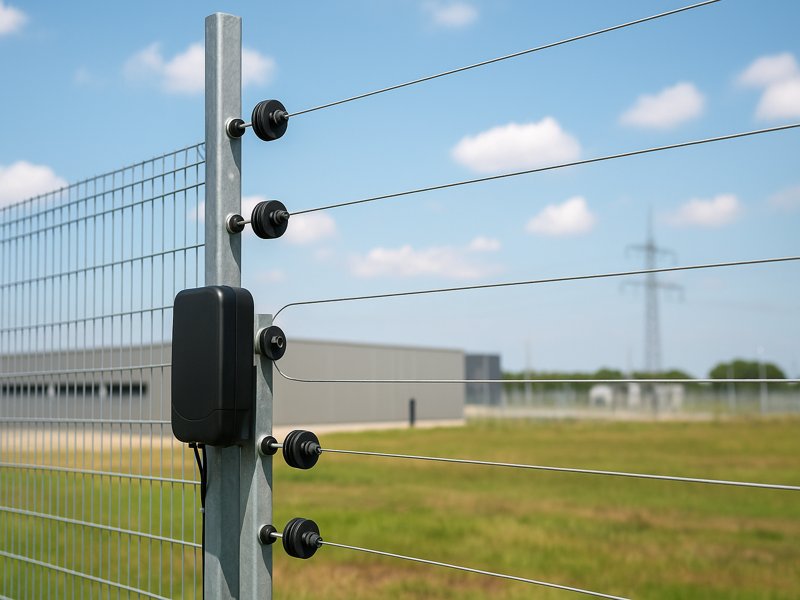
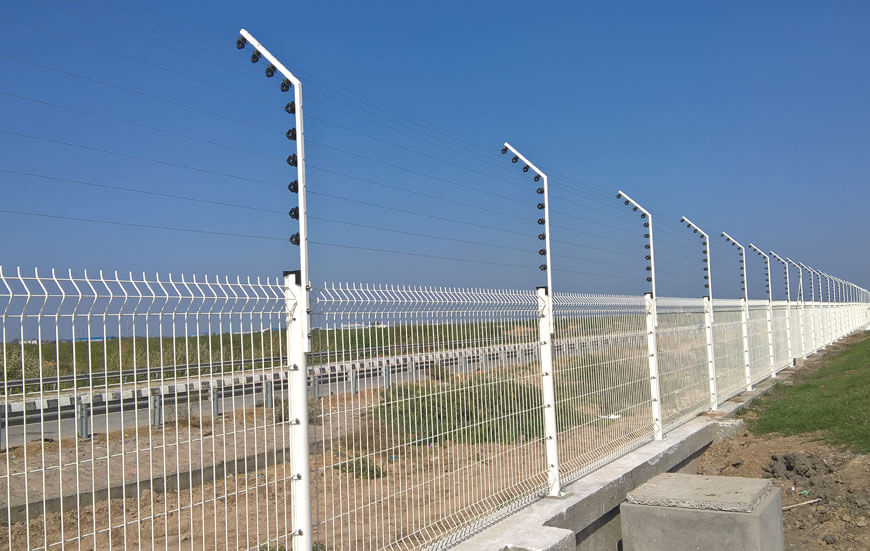
Electric fencing has become an essential security and agricultural solution worldwide. From keeping livestock safely contained on farms to protecting airports, power stations, and industrial facilities, these systems combine affordability with effectiveness. The cost of installing electric fences varies greatly across different regions. Factors like raw material costs, labor rates, regulations, and technology adoption all influence final expenses. For buyers, contractors, and facility managers, understanding electric fence price trends across global markets is crucial for budgeting and supplier selection. This article explores regional variations in North America, Europe, Asia, and other markets, while highlighting opportunities for cost savings and partnerships with reliable electric fence suppliers. Key Factors Influencing Electric Fencing Prices Globally While regional differences are significant, several universal factors shape the electric fence price worldwide: Material Costs – Steel wires, insulators, energizers, and poles make up a large portion of the costs. Rising steel prices impact every region. Technology Integration – Smart fencing systems with sensors, alarms, and solar panels cost more than basic livestock fencing. Labor and Installation – In regions with higher wages, such as North America and Western Europe, installation costs are a major factor. Regulatory Compliance – Certifications like CE (Europe), UL/CSA (North America), and local safety standards raise costs. Market Demand – Agricultural demand dominates in Asia and Africa, while industrial and perimeter security dominate in developed markets. North America: Premium Prices Driven by Labor and Technology In the U.S. and Canada, buyers can expect higher electric fence prices compared to other regions. Cost Range: Basic livestock fencing costs between $1.50–$3 per foot, while high-security electric fences for industrial sites can exceed $20 per foot. Key Drivers: High labor and installation costs. Demand for smart fences integrated with CCTV and alarm systems. Strict UL/CSA safety compliance. Market Trend: Growth in commercial sectors, especially for warehouses, airports, and government facilities. For agricultural buyers, prices remain manageable, but industrial customers pay a premium for advanced solutions. Europe: High Compliance and Sustainable Solutions Europe presents another market where the price for an electric fence is influenced heavily by regulatory standards. Cost Range: Agricultural electric fencing ranges from €2–€5 per meter, while high-security fencing can reach €60–€80 per meter in Western Europe. Key Drivers: EU directives and CE marking compliance. Rising demand for eco-friendly and solar-powered fencing solutions. Higher prices in Western Europe versus more affordable rates in Eastern Europe. Market Trend: Sustainability drives innovation, with demand growing in renewable energy sites, transport infrastructure, and urban security. Europe’s fencing sector prioritizes safety and environmental standards, resulting in higher upfront costs but long-term reliability. Asia-Pacific: Competitive Manufacturing and Expanding Demand Asia-Pacific is one of the most dynamic regions for electric fence suppliers, particularly with the rise of Chinese electric fence manufacturers. Cost Range: In China and India, basic fencing can cost as low as $0.80–$1.50 per foot, while smart fencing solutions average $10–$15 per foot. Key Drivers: Lower labor costs and abundant raw materials. Large-scale production and export competitiveness, especially from China. Rapid adoption in agriculture (India, Southeast Asia) and industrial security (Japan, South Korea, Australia). Market Trend: China remains the hub for manufacturing and exports, making China’s electric fence suppliers highly competitive in global markets. Many international buyers source from China to reduce costs while maintaining quality. For buyers comparing electric fence prices globally, Asia offers the most cost-efficient options. Middle East, Africa, and Latin America: Diverse Markets with Unique Challenges Middle East High demand for perimeter security in the oil, gas, and aviation sectors. The electric fence price is higher due to reliance on imported systems and premium suppliers. Africa Basic, low-cost fencing dominates agricultural and wildlife applications. Solar-powered solutions are gaining popularity due to limited electricity access. Latin America Prices are moderate, driven by agriculture (ranching) and growing industrial demand. Import tariffs influence final costs in countries like Brazil and Argentina. These regions are still emerging markets, offering opportunities for competitive electric fence suppliers to expand. Comparative Pricing Table Region Basic Agricultural Electric Fence High-Security Electric Fence Smart/IoT-Enabled Electric Fence North America $1.50–$3 per foot $20–$25 per foot $30+ per foot Europe €2–€5 per meter €60–€80 per meter €100+ per meter Asia-Pacific $0.80–$1.50 per foot $10–$15 per foot $20–$25 per foot Middle East $2–$4 per foot $25–$40 per foot $50+ per foot Africa $0.50–$1.20 per foot $8–$12 per foot $15+ per foot Latin America $1–$2.50 per foot $15–$20 per foot $25+ per foot Note: Prices are indicative averages and vary by supplier, material, and installation complexity. Future Outlook for Electric Fence Pricing The global electric fencing market is evolving rapidly: Smart Technology – AI, IoT, and automation are becoming standard in high-security fences, driving costs higher in developed markets. Asia’s Competitive Edge – China’s electric fence suppliers are expected to dominate exports, keeping global prices competitive. Sustainability – Future designs and costs will be shaped by solar-powered systems and recyclable materials. Regional Disparities – Prices will remain higher in North America and Europe, while Asia and Africa offer more cost-effective solutions. For buyers, the key is balancing local regulations with cost advantages from global sourcing. Electric fencing continues to serve as a vital solution for agriculture, industrial protection, and high-security applications worldwide. Regional pricing varies greatly, with North America and Europe demanding higher prices due to labor and compliance, while Asia, especially China, electric fence suppliers provide cost-efficient alternatives. Emerging regions like Africa and Latin America also present growth opportunities. In comparing the costs of electric fencing, businesses ought to take into account not just initial expenses but also durability over time, adherence to regulations, and the dependability of suppliers. By choosing the right partners among global electric fence suppliers, organizations can secure their assets effectively while optimizing investment.
Component For Buried Cable Intrusion Detection System
Blogs

Environmental Self-Adaptation in Buried Cable Intrusion Detection Systems

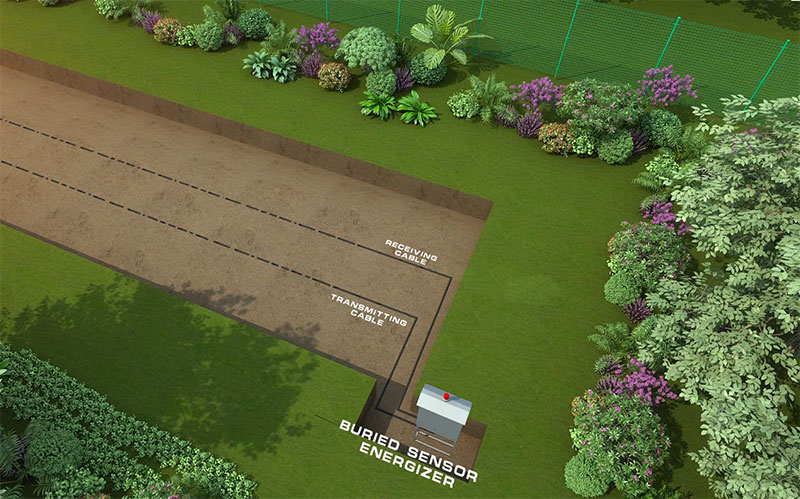
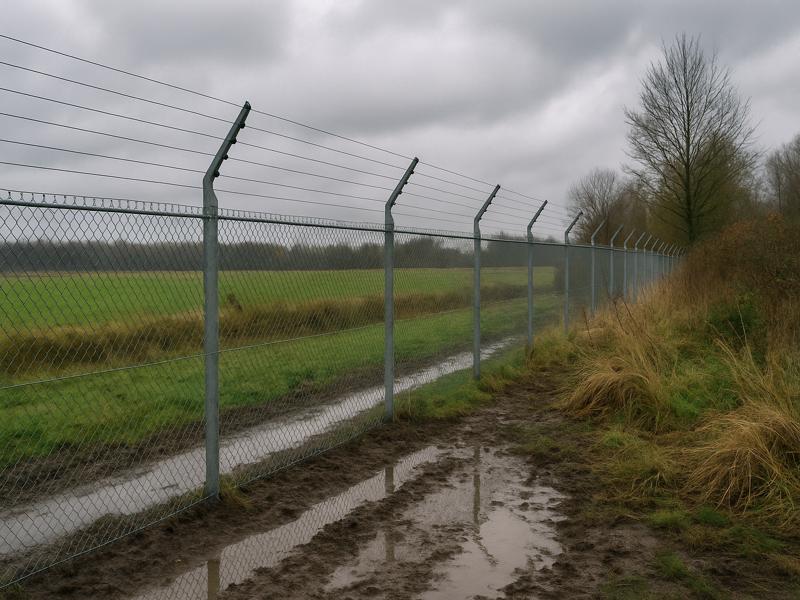
PIDS (Perimeter Intrusion Detection Systems) are essential for protecting infrastructure, government sites, and private property. Buried cable systems offer discreet deployment and broad coverage but struggle with environmental interference, leading to false alarms and higher costs. Emerging self-adaptive technologies address these challenges by adjusting to site conditions, improving accuracy, reliability, and long-term value. This article examines environmental factors, self-adaptive principles, enabling technologies, and commercial benefits. Key Environmental Challenges for Buried Cable Systems Soil Conditions Sand: Loose soils dampen vibration signals, reducing sensitivity. Clay: Water retention in clay may amplify signals and create inconsistent readings. Rocky Terrain: Rocks transmit vibrations differently, sometimes exaggerating background noise. Groundwater Levels: Fluctuating groundwater can flood or saturate sensor pathways. Weather Impacts Rain and Flooding: Excess water saturates soil, increasing conductivity and noise. Snow and Frost Heave: Expanding soil in freezing conditions displaces cables, altering calibration. Extreme Heat: Drying soils contract, changing pressure distribution on cables. Vegetation and Wildlife Roots: Growing roots create long-term shifts in soil pressure. Small Animals: Burrowing or crossing animals may mimic human activity. Insects: Dense insect movement in certain regions produces detectable vibrations. Human Activity and Infrastructure Vehicles and Machinery: Heavy equipment generates vibrations easily confused with intrusions. Construction Work: Creates continuous disturbances requiring adaptive filtering. Electromagnetic Interference: Power lines or communication towers nearby may impact signal clarity. Environmental Factors and Their Impact on Buried Cable Systems Environmental Factor Typical Impact Detection Risk Sandy Soil Weak vibration transfer Reduced sensitivity, missed detections Clay Soil Signal distortion under moisture False positives Heavy Rain Flooding, oversaturation Erratic sensor response Frost Heave Cable displacement Calibration drift Wildlife Movement Localized vibrations Frequent false alarms Heavy Machinery Ground vibration False intrusions during operations Principles of Environmental Self-Adaptation The concept of environmental self-adaptation focuses on enabling the buried cable system to automatically differentiate between natural disturbances and genuine threats. Key principles include: Continuous Monitoring: Systems establish a baseline “environmental noise profile” by tracking soil and vibration conditions over time. Dynamic Threshold Adjustment: Instead of relying on fixed sensitivity, adaptive systems raise or lower thresholds in response to seasonal or real-time changes. Machine Learning Algorithms: Adaptive models classify vibration signatures, distinguishing intruders from wildlife or rain. Self-Learning Capability: Systems improve detection accuracy by analyzing recurring patterns such as seasonal frost, daily traffic, or wildlife activity. This allows operators to benefit from consistent performance without constant manual recalibration. Technologies Enabling Self-Adaptation Modern self-adaptive buried cable systems combine hardware resilience with advanced software intelligence. Sensor Calibration Systems Self-calibrating sensors automatically fine-tune their response when soil density, moisture, or pressure shifts occur. This minimizes downtime and human intervention. Signal Processing Algorithms Adaptive filtering techniques remove irrelevant noise—such as vibrations from wind, rain, or small animals—without compromising sensitivity to human intrusions. Multi-Sensor Integration By combining buried cables with other technologies (thermal cameras, radar, or fence sensors), the system cross-validates events. Redundancy ensures fewer false alarms and higher confidence. Cloud-Based Analytics and Remote Updates Cloud-enabled systems analyze large volumes of data across multiple sites, identifying regional environmental trends. Software updates then refine performance without requiring hardware changes. Benefits of Environmental Self-Adaptation Accuracy Improvement Adaptive systems achieve higher detection rates by recognizing the difference between natural and man-made disturbances. Reduction in False Alarms False alarms damage operator trust and increase costs. Self-adaptation ensures reliable alerts only when genuine intrusions occur. Operational Efficiency Less manual recalibration and fewer maintenance visits translate into reduced operating costs. Long-Term Reliability Seasonal and climate variations no longer degrade performance, ensuring consistent protection year-round. Scalability Adaptive buried cable systems are easier to deploy across diverse terrains—urban, rural, tropical, desert, or arctic. Conventional vs Self-Adaptive Buried Cable Systems Feature Conventional System Self-Adaptive System Sensitivity Setting Fixed thresholds Dynamic adjustment in real-time False Alarm Rate High under changing conditions Significantly reduced Maintenance Needs Frequent manual recalibration Minimal operator intervention Seasonal Reliability Inconsistent Stable across weather and soil changes ROI Lower due to operational costs Higher due to efficiency and accuracy Use Cases & Applications Critical Infrastructure Airports, seaports, and power stations rely on buried cables for secure perimeters. Self-adaptation prevents disruptions caused by environmental noise in busy, high-risk areas. Border Security National borders require continuous monitoring across diverse terrains. Adaptive systems maintain consistent detection across deserts, forests, and mountainous regions. Industrial Perimeters Oil refineries, chemical plants, and warehouses face frequent vibrations from machinery. Self-adaptive buried cables can filter industrial noise while detecting real threats. High-Security Facilities Military bases, prisons, and government sites demand near-zero tolerance for false alarms. Adaptive systems provide reliable, low-maintenance security. Urban vs Rural Deployment Urban Areas: Adaptation reduces false alarms caused by traffic, subways, or construction. Rural Areas: Systems adapt to wildlife, farming machinery, and seasonal soil changes. Commercial and Strategic Value Adopting self-adaptive buried cable PIDS brings significant financial and operational advantages. Lowered Total Cost of Ownership (TCO): Reduced maintenance and a decrease in false alarms lead to diminished operational costs. Compliance: Systems meet international security standards by minimizing false positives. Competitive Advantage: Integrators offering adaptive systems stand out in bids for high-security projects. Future-Proofing: Adaptive solutions extend system lifecycles, protecting long-term investment. For decision-makers, the business case is clear: environmental self-adaptation is not a luxury—it is a necessity for reliable perimeter defense. Buried cable intrusion detection systems offer discreet perimeter defense but face environmental challenges that impact accuracy. Self-adaptive technology overcomes these limits by adjusting to site conditions, reducing false alarms, and lowering costs. From airports to military bases, adaptive buried cable PIDS deliver reliable, future-ready protection—making them the smarter choice for long-term security investments.

Environmental Factors Affecting PIDS Accuracy
Blogs

Environmental Factors Affecting PIDS Accuracy

Perimeter Intrusion Detection Systems (PIDS) are vital to modern security, acting as the first defense for critical assets. For security teams and managers, understanding these factors is key to reducing false alarms, ensuring reliability, and maximizing ROI. Weather Conditions and PIDS Performance Weather is one of the most significant external influences on PIDS accuracy. Different weather conditions affect detection technologies in various ways. Rain and Humidity: Heavy rain can cause waterlogging around buried sensors and interfere with signal transmission. Extreme temperatures: In cold climates, sensors may become unresponsive, while in desert environments, extreme heat may cause electronic components to overheat and malfunction. Wind Speed and Air Pressure: Strong winds can shake fences, poles, or loose vegetation, triggering false alarms in fence-mounted or vibration-based systems. Weather Factors and Their Impacts Weather Factor Typical Impact on PIDS Recommended Countermeasure Heavy Rain Signal interference, sensor flooding Waterproof housings, improved drainage High Humidity Corrosion, false positives Anti-corrosion coatings, sealed enclosures Extreme Heat Electronics overheating Heat-resistant materials, ventilation Freezing Cold Brittle sensors, reduced sensitivity Heated enclosures, insulation systems Strong Winds Fence movement, vibration alarms Sensor calibration, wind-resistant mounting Terrain and Ground Conditions The type of terrain where PIDS is deployed directly affects performance. Soil Type: Loose sandy soils reduce the efficiency of seismic or buried cable sensors, while rocky terrain may amplify vibrations, creating detection inconsistencies. Urban vs. Rural Sites: In urban environments, construction activities and traffic vibrations can produce background noise, while rural sites may have fewer disturbances but face challenges from uneven land. Groundwater or Flooding: High groundwater levels may saturate buried sensors, while flood-prone areas risk damage to cabling and electronics. Careful site surveys and soil testing should precede installation to avoid costly adjustments later. Vegetation and Wildlife Natural elements like plants and animals can often trigger false alarms if not properly managed. Moving Vegetation: Tall grass, bushes, or tree branches swaying in the wind can mimic intrusion signals. Wildlife: Birds landing on fences, small mammals crossing boundaries, or even insects triggering infrared sensors contribute to nuisance alarms. Seasonal Growth: Vegetation growth during spring and summer may block or reflect signals, requiring regular maintenance. A consistent vegetation management plan is crucial, especially for sites in wooded or rural areas. Light and Visibility Factors Optical and imaging-based PIDS technologies are heavily influenced by light and visibility conditions. Sunlight Glare: Direct sun exposure can cause cameras and infrared sensors to misinterpret signals. Night-Time Conditions: Artificial lighting may create shadows or reflections, complicating image analysis. Fog, Mist, and Dust: Reduce the range and clarity of laser, radar, or infrared detection systems. Using thermal imaging, multi-spectrum sensors, or light filters helps minimize these risks. Electromagnetic and Acoustic Interference Modern facilities often host multiple electronic systems that can interfere with PIDS accuracy. Radio Frequency Interference (RFI): Proximity to communication towers or high-voltage equipment can distort sensor signals. Industrial Noise: Heavy machinery creates ground vibrations that may be misread by seismic sensors. Power Line Proximity: Electromagnetic disturbances from power grids can reduce system reliability. Mitigation includes shielding, frequency filtering, and ensuring proper distance between PIDS and interference sources. Human and Operational Factors Even the best-designed PIDS can be compromised by human oversight. Maintenance Issues: Dirt, dust, or water accumulation reduces sensor performance over time. Installation Errors: Poor calibration or incorrect sensor placement can amplify environmental challenges. Operational Environment: Busy industrial perimeters face higher background noise compared to quiet, isolated facilities. Routine inspection and training for operators significantly reduce these risks. Regional and Seasonal Variations Different climates impose unique challenges on PIDS deployments. Tropical Regions: Constant humidity and heavy rainfall accelerate corrosion and increase nuisance alarms. Desert Environments: Sand and dust storms interfere with optics and mechanical systems. Cold Climates: Snow accumulation and ice expansion damage sensor housings and wiring. Regional Impacts on PIDS Climate Zone Key Challenges Adaptation Strategy Tropical Rain, humidity, corrosion Corrosion-resistant materials, drainage Desert Sandstorms, extreme heat Sealed optics, heat-resistant enclosures Cold/Arctic Ice, snow, frost heave Heated systems, antifreeze housing Coastal Salt corrosion, high winds Anti-salt coatings, reinforced mounts Mitigation Strategies To ensure optimal accuracy, organizations should adopt proactive solutions: Sensor Redundancy: Using multiple technologies (e.g., combining seismic, infrared, and radar) reduces dependency on one method. Smart Calibration: Adaptive algorithms can filter out environmental noise while maintaining sensitivity. Protective Housing: Weatherproof and tamper-proof designs extend system lifespan. Regular Risk Assessments: Periodic reviews ensure systems adapt to evolving site conditions. These strategies transform PIDS into resilient, long-term security investments. Commercial Considerations From a business perspective, environmental issues have a direct effect on operational expenses and return on investment (ROI). False Alarm Costs: Each false alarm consumes time, labor, and sometimes law enforcement resources. Downtime Risks: An unreliable system increases vulnerability, potentially leading to theft or damage. Value of Environment-Adaptive PIDS: Systems designed to withstand diverse climates and terrains minimize long-term expenses. Compliance and Standards: Many industries require PIDS that meet international environmental resilience standards (e.g., IEC, UL). For security buyers, considering environmental adaptability is not optional—it’s a key investment factor. PIDS technology provides strong protection, but performance is shaped by weather, terrain, vegetation, light, interference, and human factors. Adapting systems to these conditions reduces false alarms, improves efficiency, and extends reliability. For decision-makers, effective perimeter security combines advanced technology with environmental awareness.

Choose Electric Fencing Supplier
Blogs

Choosing the Right Electric Fencing Supplier: Key Factors for Buyers

Electric fences are vital not only in the agricultural sector but also in securing industrial boundaries, critical infrastructure, and even high-security facilities like prisons and power plants. The right fence system strikes a balance between durability, technological sophistication, and cost-effectiveness—but the true differentiator lies in the supplier behind the product. Choosing the right electric fence supplier is more than just finding the lowest price; it’s more about partnering with a company that delivers reliability, safety, long-term value, and enduring innovation. This article explores the key factors buyers should consider before making a decision. Supplier Reputation and Experience When it comes to electric fencing, reputation matters; established suppliers with decades of experience typically have proven product reliability and consistent service. Track record: Look for suppliers with references from farms, security companies, or government projects. Certifications & awards: Independent recognition often signals quality. Customer reviews: Reliable feedback highlights strengths and pain points. Tip: A supplier with strong case studies across both agriculture and security can be trusted to deliver under diverse conditions. Product Range and Technology The best suppliers offer more than just energizers. They provide end-to-end solutions covering energizers, conductors, insulators, posts, testers, and monitoring systems. Modern buyers should also check for technology integration: Energizers: mains-powered, battery, solar, or hybrid units. Smart features: remote monitoring via mobile apps or cloud platforms. Security integrations: compatibility with alarms, CCTV, fiber intrusion detection, laser beam security system, or buried cable intrusion detection system. Supplier Type vs Product Range vs Applications Supplier Type Product Range Depth Typical Applications Traditional Supplier Basic energizers & wires Small farms, homestead fencing Mid-Tier Supplier Energizers + full accessories Medium farms, commercial ranches Full-Solution Supplier Energizers + accessories + smart systems Large farms, industrial sites, security facilities Innovation-Driven Smart/cloud + integrated systems High-security perimeters, critical infrastructure Quality Standards and Certifications Compliance is non-negotiable. Suppliers should hold certifications such as: ISO 9001 (quality management) CE/RoHS (European standards) Local approvals (depending on market, e.g., UL in North America, CCC in China) Buyers should also verify whether suppliers conduct: Weather testing (heat, frost, humidity) Electrical safety testing Durability trials for posts, insulators, and conductors Tip: Ask suppliers for compliance documentation before purchasing. Post-Sales Support and Service All fencing systems, even the best ones, need support. Strong suppliers provide: Warranty policies covering energizers and accessories. Technical support during installation and maintenance. Spare parts availability to minimize downtime. Suppliers with local service centers or dealer networks can resolve issues much faster than overseas-only vendors. Personalization and Adaptability Each project is one of a kind. A cattle ranch requires different fencing than a power station perimeter. The right supplier should provide: Custom designs adapted to climate, soil, and terrain. Species-specific solutions (horses, sheep, goats, poultry, or wildlife deterrence). Security-grade fencing for industrial or government facilities. Flexibility ensures the system grows with your needs, whether expanding to more acreage or integrating with advanced intrusion detection. Cost vs Value Price is important, but the total cost of ownership (TCO) tells the full story. Low-cost suppliers may save money upfront but often lead to higher maintenance, more false alarms, and faster replacement cycles. Premium suppliers might appear expensive but deliver value over time. ROI Comparison of Supplier Types Supplier Category Upfront Cost Maintenance Needs Reliability Long-Term ROI Low-Cost Supplier Low High (frequent fixes) Low Poor Mid-Tier Supplier Medium Moderate Good Moderate Premium Supplier High Low (durable gear) Very High Strong Innovation-Driven High-High Low (smart alerts reduce failures) Excellent Excellent (long-term security value) Tip: For large farms or security-critical sites, investing in reliability pays back quickly. Global Reach and Local Availability Global suppliers with local dealer networks offer quicker delivery and enhanced support. Important questions to ask: Do they have regional warehouses or service hubs? Are replacement parts locally stocked? Is there a dealer or certified installer in your region? A strong global supplier with local access balances innovation with convenience. Future-Proofing and Innovation Technology is reshaping electric fencing: Smart energizers with remote controls and alerts Solar-powered systems for sustainable fencing Integration with IoT (farm management platforms, smart security systems) Choosing a supplier that invests in R&D ensures that your fence remains compatible with future innovations. Practical Buyer Tips Match supplier to your use case: small farm vs industrial perimeter security. Evaluate energizer specs carefully: joule output, power source, and line length capacity. Request a site survey: the best suppliers help design customized layouts. Ask about training: good suppliers provide installation and maintenance guidance. The choice of electric fencing supplier is strategic in nature and has implications for safety, efficiency, and long-term costs. By assessing supplier reputation, product range, certifications, after-sales service, customization ability, and innovation focus, buyers can ensure they partner with a company that delivers both reliability and value. For agricultural users, suppliers with proven animal-specific solutions are best. For industrial or high-security projects, choosing a supplier offering smart, adaptive, and integrated fencing systems ensures future-proof protection. The best choice is not always the cheapest — it’s the supplier who delivers dependable performance, responsive service, and solutions built for tomorrow’s challenges.

Perimeter Security
Blogs

What Is Perimeter Security? (A Complete, Practical Guide)

Perimeter security is the practice of protecting the outer boundary of a site so that threats are deterred, detected, delayed, and responded to before they affect people, assets, or operations. It blends physical barriers, sensing technologies, communications, trained personnel, and procedures into a layered system tailored to the risks of industrial plants, data centers, logistics hubs, utilities, airports, campuses, and other commercial environments. Done well, it reduces loss, downtime, and liability while enabling safe, efficient operations. Core Definitions & Concepts Perimeter vs. boundary vs. secure zone. The perimeter is the outermost boundary of control—often a fence line, property line, or virtual geofence on water or air approaches. Inside it, sites usually define zones: public, controlled, restricted, and critical. Each inner zone increases scrutiny and controls. The Deter–Detect–Delay–Respond–Recover model. Deter with signage, lighting, fencing, and visible patrols. Detect with sensors, cameras, analytics, and alarms. Delay using barriers, locks, sally ports, and distance. Respond via guards, first responders, and automated workflows. Recover by restoring service, preserving evidence, and learning from incidents. Defense-in-depth. No single sensor or barrier is perfect. Layering independent measures lowers the chance of a single point of failure and helps filter false and nuisance alarms. CPTED (Crime Prevention Through Environmental Design). Sightlines, landscaping, lighting uniformity, and controlled access points reduce concealment and opportunities for intrusion. Threat Landscape Threat actors: opportunistic thieves, organized crime, activist groups, disgruntled insiders, and curious trespassers. Tactics: cutting/climbing fences, tailgating vehicles, ramming gates, tampering with sensors, approaching by water, tunneling, drone overflights, and credential misuse. Environmental/operational hazards: wildlife, wind-blown debris, heavy rain/fog, RF interference, and construction works on or near the fence line. Risk framing: Combine likelihood (how often a tactic occurs) and impact (safety, financial loss, operational downtime, regulatory exposure). Focus investment where the product of likelihood × impact is highest. Perimeter Types & Use Cases Open perimeters: corporate campuses, parks. Emphasis on subtle deterrence, lighting, and video analytics. Fenced/controlled perimeters: manufacturing plants, warehouses. Typical mix of fencing, gates, ALPR, visitor controls, and multi-sensor detection. High-security sites: data centers, utilities, ports/airports. Dual fences with sterile zones, thermal/radar coverage, rigorous access control, and strict logging. Special perimeters: waterfronts, roofs, rail sidings, tunnels, and temporary/event perimeters requiring portable barriers and wireless sensing. Design Methodology (End-to-End) Define assets, threats, and risk tolerance. Map what you’re protecting and what failure looks like. Zoning & segmentation. Plan concentric layers and sterile zones between fences. Site survey. Terrain/soil conditions, drainage, line-of-sight, light levels, RF/EMI noise, prevailing winds, vegetation, and wildlife patterns. Requirements & metrics. Set target probability of detection (Pd), false alarm rate (FAR), nuisance alarm rate (NAR), availability, privacy, and safety expectations. Architecture selection. Choose barriers, sensors, communications, power, and C2 (command-and-control) platform. Validation & acceptance. Define test scripts (factory/site), performance acceptance criteria, documentation, and training deliverables. Physical Layer Components Barriers: anti-cut/anti-climb mesh, welded panels, T-walls, berms/ditches. Specify height, mesh aperture, topping (e.g., outriggers), and foundations suited to soil type and frost lines. Vehicle mitigation: fixed or retractable bollards, wedge barriers, crash-rated gates, and sally ports with interlocks. Portals & locks: doors/turnstiles (optical and full-height), locks (fail-safe vs. fail-secure), anti-passback policies. Lighting: uniformity ratio and vertical illumination matter more than raw lumens. Avoid glare and light trespass; consider dark-sky compliance while ensuring camera performance. Detection & Sensing Technologies Fence-mounted sensors: microphonic/accelerometer cables and fiber-optic sensing detect cut/climb events on the fence fabric. Ground/buried sensors: seismic, magnetic, pressure, and leaky coax systems form invisible trip lines along the boundary. Volumetric sensors: active infrared beams, microwave, radar, LiDAR, and PIR arrays cover areas between the fence and buildings. Video surveillance: fixed, PTZ, thermal, and multispectral cameras; analytics for line-crossing, loitering, person/vehicle classification. Electrified fencing: adds strong deterrence and detection (alarm on cut/short). Apply strict electrical safety and signage. Intercoms & call points: give people a way to request help without breaching the perimeter. Quick comparison (illustrative): Technology Typical Use Coverage Strengths Limitations Fence-mounted cable Fence lines Linear, continuous Localizes cut/climb, discreet Sensitive to loose panels/vegetation Fiber-optic fence High-security fences Long runs, zoneable EMI-immune, precise localization Higher CapEx, skilled tuning Buried sensor Invisible trip lines Linear zones Covert, weather-agnostic Complex civil works; soil-dependent Microwave Sterile zones Wide volumetric Strong in fog/dust, long range Multipath near metal Active IR beams Gate lines/roofs Beam paths Sharp trip lines Fog/snow occlusion Radar Wide-area Fan volumes Tracks moving objects Costs/false returns in clutter Thermal cameras Long perimeters Line-of-sight Works in darkness, detects humans Cost; needs analytics Visible cameras + analytics General LoS & zones Evidence + verification Lighting & shadows Privacy, Ethics & Legal Be transparent: signage at entries, purpose limitation for data use, and retention policies appropriate to risk. Mask private spaces, enable privacy zones in cameras, and consider privacy impact assessments for analytics and biometrics. Balance deterrence with user experience—especially on mixed-use campuses and public-facing sites. Environmental & Site Challenges Design for temperature extremes, icing, salt fog, dust/sand, and corrosive atmospheres. Select enclosures and finishes accordingly (e.g., stainless hardware, powder-coated or hot-dip galvanized steel). Mitigate vegetation (scheduled trimming), terrain masking (elevated poles, overlapping coverage), RF interference (spectrum planning), and lightning (bonding/grounding, surge protection). Procurement & Budgeting Model TCO across 5–10 years: CapEx (civil works, hardware, software licenses) and OpEx (monitoring, maintenance, spares, connectivity). Phase deployments: start with high-risk segments and quick wins (lighting, analytics), then expand. In RFPs, specify performance metrics, environmental test cases, cybersecurity hardening requirements, training hours, and support SLAs—not just parts lists. Installation & Commissioning Coordinate civil works (trenching, footings) with cable paths and drainage. Document device placement and run calibration (e.g., fence sensor tension, radar zones, camera FOVs with height charts). Execute acceptance scripts: walk-tests at set intervals, vehicle approaches at gates, alarm workflows from sensor through operator acknowledgment to dispatch logging. Capture as-built drawings and a complete asset register with firmware versions. Maintenance & Lifecycle Adopt a preventive maintenance schedule: fence torque checks, camera cleaning, desiccant replacement, heater verification, re-aiming after storms, sensor recalibration, and vegetation control. Maintain firmware lifecycles, backups, and vulnerability scans. Plan for end-of-life hardware and feature updates; avoid single-vendor lock-in where possible. Vertical-Specific Design Notes Utilities

PIDS Cost Installtaion
Blogs

How Much Does a Perimeter Intrusion Detection System (PIDS) Cost?

A Perimeter Intrusion Detection System (PIDS) is a critical security measure designed to detect, deter, and delay intrusions before they reach your facility’s interior. Determining the cost of a PIDS isn’t as simple as looking at one number — it’s influenced by multiple factors, including perimeter length, risk level, terrain complexity, environmental conditions, chosen technology, and integration requirements. Understanding PIDS and Its Cost Structure A PIDS is not a single device but a system combining physical components (barriers, gates) with electronic detection (sensors, cameras, analytics) and integration into a command-and-control (C2) platform. Typical Components Sensors: fence-mounted vibration sensors, buried seismic detectors, microwave or radar units. Verification systems: video cameras, thermal imagers, analytics software. Barriers: fences, gates, vehicle blockers. Infrastructure: poles, mounts, trenching, cable pathways, and power supply. Communications: fiber optic, copper, or wireless backhaul. Control & monitoring: VMS/PSIM, alarm servers, storage. Key Factors That Influence PIDS Cost The cost per meter or per project varies widely depending on: Perimeter length & layout: Longer and irregular perimeters require more hardware, poles, and cabling. Security level: High-risk sites demand dual-layer detection, redundancy, and higher Pd/FAR performance. Technology type: The chosen sensor plays a key role in determining overall cost. Environmental challenges: Harsh climates, wildlife, and electromagnetic interference can add to installation and maintenance expenses. Integration complexity: Linking PIDS to existing CCTV, access control, or PSIM increases cost. Regional variations: Labor rates, import duties, and compliance costs differ by location. Major Cost Categories Capital Expenditure (CAPEX) Hardware: Sensors, processors, cameras, energizers, gates, poles, and cabinets. Civil works: Trenching, concrete footings, mounting structures. Networking: Switches, fiber runs, wireless bridges. Power systems: UPS, backup generators, solar for remote segments. Software & licenses: VMS, analytics, health monitoring. Design & engineering: Risk assessment, coverage modeling, IFC drawings. Operational Expenditure (OPEX) Preventive maintenance: Cleaning lenses, recalibrating sensors, and vegetation trimming. Repairs & replacements: Spare cables, power supplies, and damaged sensor units. Monitoring costs: On-site or remote SOC. Software renewals: License fees, firmware updates. Utilities: Electricity and network costs. Total Cost of Ownership (TCO) Combines CAPEX and OPEX over 5–10 years. Includes depreciation and technology refresh cycles. Typical Technology Options and Costs Technology Typical Cost (USD) per Meter Pros Cons Maintenance Load Fence-mounted cable (microphonic) $50–$120 Good PD, moderate cost Sensitive to fence looseness Low–Medium Fiber-optic fence sensing $100–$200 EMI-immune, precise location High upfront cost Low Buried seismic/magnetic $150–$300 Invisible, covers open areas Civil works heavy Medium Microwave barrier $80–$150 Wide coverage, weather-tolerant Multipath issues Low Active IR beams $60–$100 Defined detection lines Fog/snow occlusion Low Radar $200–$400 Tracks moving targets Costly Low Thermal camera + analytics $5,000–$8,000 per unit Works in total darkness High cost Low Example Pricing Scenarios Scenario A — Small Warehouse (500 m perimeter) Configuration: Fence-mounted microphonic cable + fixed cameras for verification. Sensors: $35,000 Cameras & VMS: $20,000 Poles, mounts, cabling: $15,000 Power & network: $10,000 Civil works: $8,000 Software licenses: $7,000 Total CAPEX: ~$95,000 ($190/m) Annual OPEX: ~$8,000 (maintenance + licenses) Scenario B — Medium Industrial Site (2 km perimeter) Configuration: Dual-technology microwave + thermal cameras at gates, integrated with access control. Sensors: $250,000 Cameras & analytics: $180,000 Infrastructure: $90,000 Power & network: $60,000 Civil works: $55,000 Software licenses: $40,000 Total CAPEX: ~$675,000 ($337/m) Annual OPEX: ~$45,000 Scenario C — Critical Utility (8 km perimeter) Configuration: Fiber DAS + radar at water approaches, high redundancy, solar-powered remote zones. Sensors: $1,200,000 Radar & cameras: $900,000 Infrastructure: $400,000 Power (solar + backup): $250,000 Civil works: $300,000 Software licenses: $120,000 Total CAPEX: ~$3,170,000 ($396/m) Annual OPEX: ~$160,000 Hidden or Overlooked Costs Permits and compliance (electrified fences, environmental protection). Training for operators and technicians. Spare parts inventory for rapid repair. Downtime contingencies and temporary measures. Cost Optimization Strategies Deploy in phases, prioritizing high-risk zones. Combine lower-cost sensors with targeted high-end verification. Reuse existing poles, ducts, and power lines. Standardize equipment to simplify spares and maintenance. ROI Considerations Reduction in theft/vandalism incidents. Lower insurance premiums. Labor cost savings from automated detection. Avoidance of downtime for critical operations. Procurement Models Outright purchase: higher upfront cost, full ownership. Leasing: spreads cost, may include maintenance. Managed service: per-meter/month fee with performance SLAs. The cost of a PIDS can range from under $200 per meter for basic systems to over $400 per meter for advanced, high-security setups. The right solution balances performance, resilience, and budget. Start with a risk assessment, set measurable performance targets, and design with scalability in mind.

Electric Fence Alarm System for Your Size
Blogs

How to Choose the Best Electric Fence Alarm System for Your Size

An electric fence is more than a physical barrier—it’s a proactive security measure designed to detect and deter intrusions before they escalate. However, no matter how sturdy an electric fence may be, it can only achieve its full potential when combined with the appropriate electric fence alarm system. Whether you’re protecting a small property, a mid-sized industrial site, or an extensive perimeter, matching your alarm system to your fence’s dimensions and complexity is essential for cost efficiency, performance, and long-term reliability. Grasping how electric fence alarm systems work Before diving into sizing considerations, it’s important to understand exactly what an electric fence alarm system does and the different types available. Their Nature and Functioning An electric fence alarm system is essentially a continuous monitoring device for an electrified perimeter. It works by detecting changes in the electrical properties of the fence and triggering an alert when certain thresholds are breached. A typical system includes: Detection unit – constantly measures voltage, current, and continuity along the fence wires. Control panel – processes input from the detection unit and determines whether an alarm should activate. Alarm outputs – can include sirens, strobe lights, SMS or GSM notifications, and integration with CCTV or central security platforms. When the system senses a voltage drop (from tampering or a fault), a wire break, or a short circuit (caused by grounding or conductive contact), it triggers the alarm. The goal is to ensure that security personnel are alerted within seconds. Types of Electric Fence Alarm Systems Voltage Drop Alarms Activate when the voltage of the fence goes under a specified threshold. Simple, cost-effective, ideal for small to medium installations. Line Break Detectors Detect physical breaks or severe tension changes in fence wires. Often used in high-security environments. Multi-Sensor Systems Combine voltage drop, break detection, and grounding detection. Minimize false alarms by cross-referencing multiple detection methods. Networked / Remote Monitoring Systems Send alerts to central control rooms, security management software, or mobile devices. Essential for large sites and multi-site operations. Why Fence Size Matters in Alarm Selection The length, layout, and complexity of your fence have a direct impact on: Signal quality and stability – Long runs can lead to voltage loss. Monitoring strategy – Larger perimeters need zoning to locate incidents quickly. Response time – The bigger the fence, the more critical it is to pinpoint a breach immediately. Small Fences (Under 500 m) Typical environments: Small warehouses Storage yards Private residential properties Challenges: Budget constraints Simple layouts with one or two entry points Less manpower for complex system management Best-fit solution: Standalone voltage drop alarms with integrated sirens/lights Optional GSM module for text alerts Minimal wiring, quick installation Medium Fences (500 m – 2 km) Typical environments: Business parks Mid-sized factories Regional distribution hubs Challenges: Multiple access points Risk of targeted intrusion in a specific section Need for partial disarming for maintenance Best-fit solution: Multi-zone wired or wireless systems Adjustable sensitivity for each zone Local and remote alert capabilities Large Fences (Over 2 km) Typical environments: Airports Ports Correctional facilities Military installations Challenges: Vast coverage areas Mixed terrain and environmental conditions Multiple patrol teams Best-fit solution: Multi-sensor, multi-zone integrated systems Centralized control room monitoring CCTV integration for instant visual verification Key Factors to Consider When Choosing Sensitivity vs. False Alarms High sensitivity reduces missed detections but can cause nuisance alarms from wildlife, weather, or vegetation. Look for systems with programmable thresholds and false alarm filtering algorithms. Signal Transmission Wired: Most reliable for short to medium distances; less prone to interference. Wireless: Easier for complex terrain; may require repeaters for long distances. Hybrid: Offers redundancy and flexibility, often used in large-scale installations. Power Supply & Backup AC mains for urban sites. Solar power for remote sites. Battery backup to maintain uptime during outages. Expandability & Integration The system should integrate with CCTV, access control, and security management software. Expandable systems allow for additional zones or features as the site grows. Recommended Configurations by Fence Size Fence Size Typical Length Recommended System Type Key Features Advantages Example Use Cases Small Under 500 m Standalone voltage drop alarm with integrated siren/light Simple voltage monitoring, local audible/visual alert, optional SMS notification Low cost, easy setup, minimal maintenance Private residences, small warehouses, storage yards Medium 500 m – 2 km Zoned wired/wireless alarm system Multi-zone monitoring, central control panel, adjustable sensitivity, local + remote alerts Isolates issues to specific zones, scalable for future expansion Business parks, logistics hubs, mid-sized industrial sites Large Over 2 km Multi-sensor, multi-zone integrated system Voltage, break, and grounding detection, remote monitoring, CCTV integration, redundant power supply Maximum coverage, reduced false alarms, instant response from the control room Airports, ports, correctional facilities, military bases Installation & Maintenance Tips Strategic placement: Place detection units at high-risk areas such as gates and secluded sections. Regular testing: Monthly tests keep systems reliable. Vegetation control: Overgrowth can cause false alarms and grounding issues. Seasonal adjustments: Recheck sensitivity settings during rainy or snowy seasons. Record keeping: Maintain logs of tests, incidents, and system adjustments. Common Mistakes to Avoid Choosing only by price – Cheap systems can lead to higher costs from false alarms or missed detections. Ignoring backup power – A fence without power is an open invitation. Failing to zone large fences – Without zoning, response times increase dramatically. Overcomplicating small sites – Avoid paying for advanced features that won’t be used. 8. Buying Checklist Determine fence length and layout. Identify high-risk areas and prioritise them. Decide on wired, wireless, or hybrid communication. Check integration options with existing security infrastructure. Review local regulations for alarm volume and monitoring requirements.  Consider future expansion plans. Choosing the right electric fence alarm system for your size is a strategic investment in perimeter security. Small fences thrive on simple, integrated solutions with local alerts. Medium fences need zoned flexibility and remote alerting for efficiency. Large fences require multi-sensor integration with control room connectivity and layered redundancy. When properly matched to your perimeter size, your electric fence alarm system becomes more than just a

High vs. Low Voltage Electric Fences
Blogs

High vs. Low Voltage Electric Fences: Pros, Cons, and Best Uses

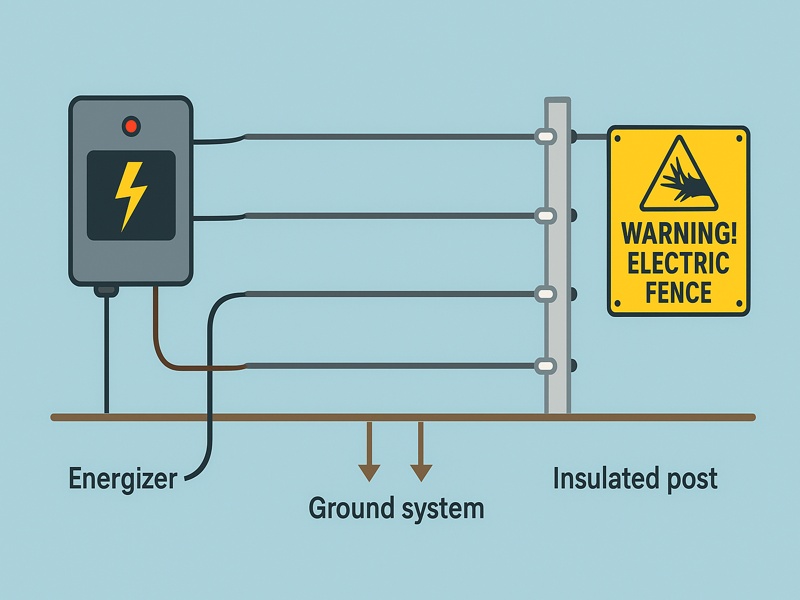
Electric fences are widely used in industrial sites, warehouses, airports, ports, correctional facilities, government installations, gated communities, and high-value private estates. While the materials and layouts may vary, one technical choice influences performance more than most: voltage level. A high voltage electric fence delivers a stronger, more forceful shock, while a low voltage electric fence provides a milder but still noticeable deterrent. The decision affects security strength, public safety, installation cost, and long-term maintenance. Basics of Electric Fence Voltage How Electric Fences Work At the core of every electric fence is the energizer (also called a charger). This apparatus transforms power into high-voltage pulses from a battery or mains supply. These pulses—typically lasting just milliseconds—are sent along conductive wires or tapes. When a person or animal touches the electrified wire, the electrical circuit completes through the ground system, delivering a brief, controlled shock. The aim is deterrence, not injury. Pulse-based delivery is a safety feature that prevents continuous current flow. What High and Low Voltage Mean In perimeter security: High Voltage: Operates around 5,000–12,000 volts, delivering a powerful deterrent capable of penetrating basic insulation or heavy clothing. Low Voltage: Operates around 2,000–5,000 volts, offering a milder shock suitable for environments where public safety is a higher priority. The voltage itself is not what causes injury—current (amperage) and pulse duration matter more. However, voltage determines how easily the electrical charge can pass through materials like clothing or vegetation. Factors Affecting Voltage Delivery Even with a high-voltage energizer, real-world performance can vary: Conductor Resistance – High-resistance wire reduces voltage over distance. Insulation Quality – Poor insulators can cause leakage and voltage drop. Grounding System – An inadequate ground can reduce fence effectiveness by over 50%. Environmental Conditions – Wet foliage, snow, and salt spray can all influence conductivity and shock strength. High Voltage Electric Fences Overview High-voltage fences are built for maximum security. Vital infrastructure, including water treatment plants and electricity plants. High-security industrial zones storing expensive machinery or hazardous materials. VIP residences in areas with elevated threat levels. These systems are designed to send a strong, memorable signal: “Do not proceed.” Advantages Maximum Deterrence Power –There is a much lower chance of intruders trying to climb or tamper. Effective Over Long Distances – Voltage drop is less of a concern for large sites. Better Against Insulated Contact – Can penetrate through gloves, heavy jackets, or tools. Environmental Tolerance – Performs well even when the fence is partially grounded by wet vegetation or debris. Integrated Security Features – Often paired with intrusion detection alarms that trigger instantly on contact or cutting. Disadvantages Higher Safety Risks – Requires adherence to strict safety codes to avoid harmful exposure. Increased Operational Costs – More power-hungry than low-voltage systems, especially in long perimeters. Complex Installation – Needs heavier-duty components, advanced grounding, and higher-grade insulators. Regulatory Challenges – Not all jurisdictions allow maximum voltage near public access points. Low-Voltage Electric Fences Overview Low-voltage fences balance deterrence and safety, making them well-suited for: Residential communities with pedestrian access. Light commercial properties in urban zones. Public buildings and event spaces. They are designed to deter without posing significant injury risks, often serving as part of a multi-layered security strategy. Advantages Enhanced Public Safety – Safer for areas where accidental contact is more likely. Reduced Energy Use – Gradually lowers operating expenses. Simpler Maintenance – Lower insulation requirements make repairs quicker and cheaper. Regulatory Compliance – Easier to meet legal voltage limits in city or suburban zones. Aesthetic Integration – Can be discreetly incorporated into existing fencing. Disadvantages Lower Deterrence Against Determined Intruders – A skilled trespasser with insulating tools may bypass. Range Limitations – More prone to voltage drop over long distances. Environmental Sensitivity – Wet foliage and grounding can significantly reduce shock strength. Safety & Regulatory Considerations In perimeter security, safety is as important as deterrence. Key compliance points include: Voltage Caps – Standards like IEC 60335-2-76 set strict limits, especially for public-facing fences. Mandatory Warning Signs – Often placed at intervals of 10–30 meters along the fence. Dual-Zone Systems – Some sites use an outer low-voltage zone for warning, with high voltage inside for active deterrence. Fail-Safe Designs – Integration with alarms to cut power in emergencies. Technical Comparison Table Feature High Voltage Electric Fence Low Voltage Electric Fence Voltage Range 5,000–12,000V 2,000–5,000V Deterrence Strength High – strong physical and psychological barrier Moderate – adequate for controlled zones Effective Range Long – minimal drop on large perimeters Short – noticeable drop on long runs Tamper Resistance Strong – effective even through clothing/tools Moderate – bypass possible with insulation Safety Level Moderate – requires strict compliance High – safer for public areas Energy Usage Higher Lower Maintenance Demand High – requires regular checks Lower – less intensive upkeep Best Uses High-security, industrial borders, VIP estates Residential, light commercial, public venues Best Uses & Application Scenarios High Voltage Airports & Ports – Securing critical entry and cargo zones. Correctional Facilities – Preventing escape attempts. Military Installations – Securing perimeter against infiltration. Large Industrial Sites – Protecting expensive assets and hazardous materials. Low Voltage Corporate Campuses – Providing deterrence without aggressive force. Urban Warehouses – Balancing security and public safety. Public Parks at Night – Temporary deterrence for restricted areas. Event Venues – Controlled crowd management. Installation & Maintenance Considerations For maximum reliability: Match the Energizer to Fence Length – Oversized energizers can waste power; undersized units underperform. Invest in Quality Grounding – Use corrosion-resistant rods and adequate depth. Schedule Routine Checks – Inspect wires, joints, and vegetation weekly. Adjust Seasonally– Monitor performance in wet and dry seasons. Integration with Modern Perimeter Security Solutions Today’s electric fences are rarely stand-alone: CCTV Linkage – Cameras activate when a voltage drop or contact is detected. Alarm Integration – Sirens or control room alerts on breach attempts. Access Control Systems – Fence voltage can be lowered or disabled for authorized entry. Remote Monitoring – Operators can check voltage status and faults from anywhere. Cost Considerations Installation Costs High-voltage systems often require heavier-duty

Electric Fence Systems for Industrial Factories
Blogs

Electric Fence Systems for Industrial Factories: Features and Best Practices

Industrial factories play a crucial role in national economies, producing everything from electronics and automotive parts to chemicals and food products. Given the high value of materials, machinery, and intellectual property housed within these sites, physical security is a top priority. Among the arsenal of security technologies available, electric fence systems have become an essential solution for safeguarding industrial perimeters. They offer an effective combination of deterrence, detection, and defense, forming the first line of protection against intruders. Why Electric Fence Systems Are Ideal for Industrial Facilities Industrial factories typically occupy large, open areas with valuable equipment, goods, and materials. They are therefore ideal targets for: Theft of completed goods or raw materials Industrial espionage or sabotage Unauthorized access and liability exposure Disruption to operations Traditional perimeter security (walls, fences, gates) often lacks the active deterrent and real-time detection needed to prevent these intrusions. Electric fences fill this gap by: Physically deterring intruders with painful but non-lethal shocks Sending instant alarms to control centers Serving as a visible and psychological barrier Their ability to work in extreme environments—including dusty, corrosive, or humid conditions—also makes them a strong match for heavy industry, petrochemical plants, warehouses, and processing units. Key Components of an Industrial Electric Fence System A well-designed industrial electric fence includes more than just electrified wires. It is a complex electronic system composed of multiple interconnected parts: Energizer (Power Unit) The energizer is the core of the system. It converts power (AC or solar) into high-voltage pulses and sends them through the fence lines. Important specifications include: Output voltage: Typically 5,000 to 10,000 volts Energy rating (Joules) Pulse interval: 1–1.5 seconds Lightning and surge protection Electric Fence Wires and Insulators The electrified wires can be made of high-tensile galvanized steel or aluminum, offering conductivity and corrosion resistance. UV-resistant insulators hold the wires in place and prevent energy leakage. Fence Posts Posts—made from steel, fiberglass, or PVC-coated metal—anchor the wires at regular intervals. Corner posts and strainers help maintain tension over long distances. Alarm and Monitoring Systems Advanced systems are connected to intrusion detection panels. When tampering, cutting, or grounding is detected, the system: Sends an alarm to the control room Triggers CCTV camera activation Sends SMS or email notifications Zone Division and Isolation Dividing the fence into zones allows better detection and troubleshooting. If an intrusion occurs, operators know exactly where it happened. Backup Power and Surge Protection To maintain operation during blackouts or lightning strikes, the system should include: Battery backup (up to 72 hours) Lightning arrestors Surge diverters Types of Electric Fencing for Industrial Use There are several configurations depending on the factory layout and security level: Standalone Electric Fencing This is the main fence structure—multiple strands of electrified wire arranged vertically, surrounding the property. It may stand 2–3 meters high and includes: Energized strands at the top Visual signage to deter intruders Wall-Top Electric Fencing Mounted atop existing concrete or steel fences, wall-top fences enhance physical barriers by adding electrified lines. Ideal for: Factories in urban or industrial parks Facilities with perimeter walls already in place Dual-Fence Systems A buffer zone is created by a double fence line with an electric fence between them. It’s suited for high-risk factories like: Refineries Explosives or defense manufacturers Data centers with intellectual property Hybrid Systems with PIDS Combining electric fencing with Perimeter Intrusion Detection Systems (PIDS) and video analytics ensures: Multi-modal detection Lower false alarm rates Smarter surveillance activation Benefits of Electric Fence Systems in Industrial Security Real-Time Intrusion Detection The fence generates instant alerts on: Wire cutting Short-circuiting Tampering Power loss This enables quick response by on-site or remote security teams. Active Deterrent Unlike passive walls, electric fences inflict pain through non-lethal shocks, discouraging further attempts to breach the perimeter. Cost-Effective Surveillance Electric fences reduce the need for: 24/7 patrolling guards Continuous camera monitoring This leads to long-term operational cost savings. Integration-Friendly Modern electric fences are IoT- and SCADA-compatible, allowing seamless integration with: Building Management Systems (BMS) Emergency response platforms Access control and alarm panels Best Practices for Implementing Electric Fence Systems Successfully securing an industrial facility involves more than installation. Here are the best practices across the planning, implementation, and maintenance stages. Conduct a Full Risk Assessment Before installation, evaluate: Facility layout and terrain Threat levels (e.g., theft, sabotage) Security goals (deterrent vs. detection vs. delay) Environmental conditions (corrosive, high temperature, storm-prone) A thorough risk analysis helps define optimal fence type, height, zones, and backup measures. Adhere to local ordinances Verify adherence to: Electrical safety codes Occupational safety laws Warning signage standards Voltage and energy output limits In most jurisdictions, electric fences must have visible warning signs every 10–30 meters and be non-lethal. Combine with Physical and Digital Barriers Electric fencing works best as part of a layered security system. Combine it with: Access control gates Surveillance cameras Guard patrols Remote monitoring software This creates redundancy and improves overall reliability. Design for Redundancy and Fail-Safes Consider: Multiple energizers for larger perimeters Battery backups in case of grid failure Segmented zoning for faster fault isolation Surge protection to handle lightning strikes Train Personnel Train your facility and security staff on: Basic troubleshooting System testing routines Alarm verification procedures Emergency shutdown Proper training ensures fast action and avoids mishandling. Schedule Routine Maintenance To keep the fence system in peak condition: Check wire tension monthly Inspect for rust, insulation damage, or vegetation interference Test voltage and pulse frequency regularly Calibrate monitoring software quarterly A preventive maintenance plan can extend fence lifespan and avoid blind spots. Frequent Hurdles and How to Tackle Them  Overgrowth of Vegetation Solution: Use herbicide treatments and install the fence 20–30 cm from the ground to reduce grass contact. Lightning and Power Surges Solution: Include lightning arrestors, surge diverters, and isolators between zones. System False Alarms Solution: Fine-tune sensitivity thresholds Use dual-zone triggering logic Integrate camera feeds for confirmation Vandalism or Tampering Solution: Use tamper-resistant hardware Implement video verification alarms Conduct patrol inspections Ideal Applications in Industrial Sectors There is no one-size-fits-all solution for electric fencing. Its

Electric Fencing Enhances Security for Solar Farms
Blogs

How Electric Fencing Enhances Security for Solar Farms

As solar farms grow in importance, they face rising threats like theft and trespassing. Electric fencing offers a powerful, cost-effective way to protect these vital renewable energy assets. This article examines its operational principles, advantages, and role in modern solar farm security. The Problem of Security in Solar Farms Large-scale systems that cover hundreds or even thousands of acres are known as solar farms. They are often located in remote or rural areas with limited supervision, making them prime targets for: Copper theft from wiring and inverters Vandalism to panels or control systems Unauthorized entry by trespassers or protestors Animal intrusion that can cause physical damage Such security breaches result not only in equipment loss or operational downtime but also in regulatory non-compliance and substantial financial loss. Therefore, implementing a reliable, 24/7 perimeter protection system is critical. How Electric Fencing Works Electric fencing is a psychological and physical barrier that delivers a short, safe, high-voltage pulse to any intruder who touches the fence. The goal is not to cause harm but to deliver a shock sufficient to deter humans and animals alike. Important elements consist of: Conductors or wires that are electrified Power-converting devices that produce high-voltage pulses Insulators that prevent the leakage of current Warning signs, grounding systems, and fence monitors The system is adaptable and self-sufficient for off-grid farms because it can be run on solar panels, batteries, or even grid electricity. The Benefits of Electric Fencing for Solar Farms Electric fencing brings a host of advantages specifically suited for the unique challenges of solar farms: a. Deterrence and Immediate Response The mere presence of an electrified fence acts as a strong psychological deterrent. If an intrusion attempt occurs, the non-lethal jolt is frequently sufficient to deter future attempts. b. Cost-Effective Perimeter Coverage Compared to hiring full-time security personnel or installing large physical barriers like walls, electric fencing offers long-term savings while covering large areas efficiently. c. Reliability and Low Maintenance Contemporary electric fencing systems are made to require less upkeep. Components such as galvanized steel wires, corrosion-resistant posts, and weatherproof energizers ensure long-term reliability in harsh environments. d. Scalability Electric fences can be easily scaled to protect small 10-acre solar farms or massive 1,000-acre utility installations, with consistent performance regardless of size. Connectivity to Monitoring and Surveillance Systems When incorporated into a multi-layered security system, electric fencing works best. Here’s how it works in synergy with other technologies: a. Alarm Integration Any disturbance to the fence—such as cutting wires or grounding attempts—triggers instant alarms. These alerts can be configured to notify onsite personnel, central control rooms, or even mobile devices. b. Surveillance Cameras Pairing the fence with CCTV systems enables real-time visual verification when an intrusion is detected. For a prompt response, PTZ cameras can be set to focus on the triggered zone. c. Access Control Systems Gates and access points within the electric fence can be secured with RFID readers or biometric scanners, ensuring only authorized personnel can enter. d. Remote Monitoring Many modern electric fence systems offer IoT-enabled monitoring, allowing administrators to track fence voltage, tamper alerts, and power status from anywhere via a mobile or web-based dashboard. Environmental Compatibility Electric fencing has minimal impact on the surrounding environment and wildlife, making it suitable for sustainable operations like solar farms. The short, pulsed nature of the current ensures that animals are repelled without lasting harm. The low power usage supports solar energy’s sustainability objectives. Solar-powered fence energizers offer green self-sufficiency, even in off-grid settings. Compliance with Security Standards and Regulations Governments and utility companies often require solar farms to comply with strict physical security standards. These standards are met in part via electric fencing: North American critical infrastructure NERC-CIP standards IEC 60335-2-76 standards for electric security fences Local regulations for animal safety and electromagnetic compatibility Moreover, installing a compliant system helps in securing insurance coverage and reduces liability risks. Types of Electric Fencing Suitable for Solar Farms a. High-Security Multi-Wire Fences These fences consist of 5–10 electrified strands and are designed to detect and repel intruders. Some also include tamper detection and zone-specific monitoring. b. Fence-Top Electric Wires Put in place over pre-existing fences to discourage climbing. This is ideal when combining electric security with pre-existing chain link or welded mesh fences. c. Zoned Perimeter Fencing The entire fence perimeter is divided into separate detection zones. This allows for faster localization of threats and tailored responses. d. Dual-Purpose Solar Electric Fencing In rural areas where animals may stray into solar farms, dual-purpose fencing offers both livestock control and asset protection. Installation and Operational Best Practices To maximize effectiveness, solar farm operators should consider the following: Perimeter Assessment: Begin with a site-specific risk analysis to determine fencing height, number of wires, and zoning requirements. Professional Installation: To ensure safety and compliance, make sure the system is installed by qualified technicians. Regular Testing: Monthly inspections of voltage levels, grounding efficiency, and alarm systems prevent performance degradation. Warning Signage: Clearly visible warning signs must be placed to comply with safety standards and deter casual trespassers. Maintenance Plan: Establish a schedule for vegetation control, voltage checks, and energizer performance validation. Limitations and How to Overcome Them Like any security solution, electric fencing is not without its challenges. However, most issues can be mitigated with proper design and integration. a. False Alarms from Wildlife or Weather Solution: Use multi-zone fencing with sensitivity settings and camera verification to avoid unnecessary alerts. b. Power Disruption Solution: Utilize solar-powered or battery-backed energizers to ensure operation during grid outages. c. Vandalism or Sabotage Solution: Choose tamper-detectable wire systems and include redundant perimeter detection methods such as vibration or buried sensors. Cost Considerations and ROI The cost of an electric fence varies based on materials, area, and integration. Typically, installation costs range between $8 to $15 per linear foot, with annual maintenance being minimal. Return on Investment (ROI) is realized through: Reduction in theft and damage Lower insurance premiums Decreased need for 24/7 manned security Extended asset life and reduced downtime ROI for large-scale

Prison Security
Blogs

Creating Escape-Proof Prisons with Integrated Electric Fences and Intrusion Detection

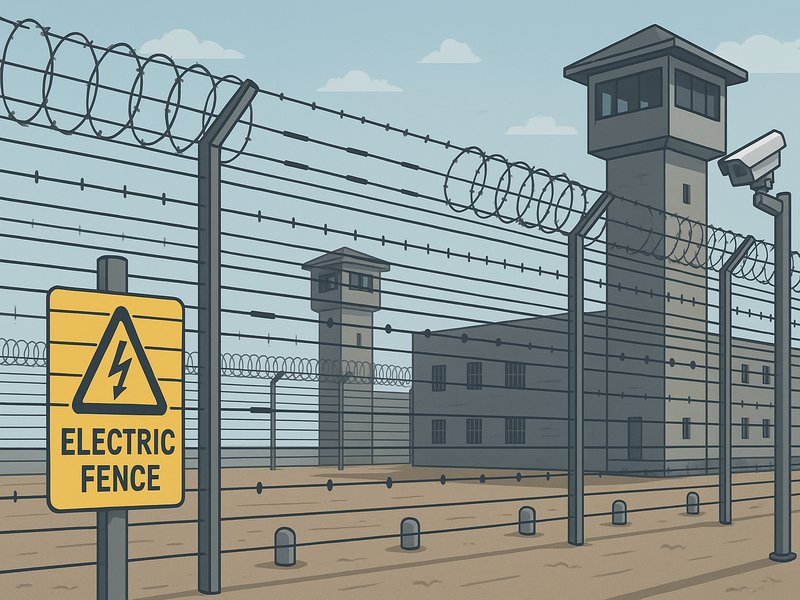
Prison escapes pose serious threats to public safety and correctional integrity. To counter them, modern prisons need more than guard towers—they require electric fences and intrusion detection systems for layered, intelligent security. This article explores how these technologies create escape-proof perimeters. The Challenge of Prison Escapes The Human and Operational Risks Prison escapes endanger lives—not only of the escapees and security personnel but also of innocent civilians. They lead to: Emergency lockdowns Manhunts and legal investigations Institutional reputation damage Massive resource expenditure Most escapes occur due to physical breaches, routine negligence, or technological blind spots—all of which can be mitigated with layered security. Traditional Weaknesses Conventional perimeter systems—barbed wire, passive barriers, patrols—are: Vulnerable to cutting or climbing Poor at detecting breaches in real time Difficult to monitor continuously across large facilities This is where electric fences and IDS integration change the game. Electric Fences: First Line of Physical and Psychological Defense How Electric Fencing Works in Correctional Settings Electric fences are no longer just farm tools—they are advanced high-voltage pulse deterrent systems engineered for security. In prison applications, electric fencing is used to: Deliver non-lethal shocks that deter contact or climbing. Alert security staff the moment wires are touched, cut, or moved. Serve as a visual and psychological barrier warning of active defense. Electric fences can be configured for inner perimeters, outer perimeters, or segregated zones within prison compounds. Types of Electric Fences Used in Prisons Pulse Electric Fences: Emit timed high-voltage pulses (~7000–10,000V) that are non-lethal but powerful enough to deter. Tensioned Wire Systems: Provide both structural integrity and electrocution deterrent. Multi-Zone Systems: Divide the fence into independently monitored zones to precisely locate breach attempts. Intrusion Detection: Turning the Fence into a Sensor What is PIDS? Perimeter Intrusion Detection Systems (PIDS) are sensor-based technologies that detect, analyze, and report any physical breach attempts across the fence line. Unlike passive systems, PIDS enables: Real-time breach alerts Pinpoint location detection False alarm filtration through AI or pattern analysis Common PIDS Used in Prisons Vibration or Microphonic Cable Sensors: Detect tampering, cutting, or climbing. Fiber Optic Cable Systems: Use light disturbance to detect movement along the fence. Accelerometers: Detect sudden jolts or displacements on fences or walls. Ground Surveillance Radars: Monitor movement near the perimeter from a distance. When combined with electric fences, these systems transform passive barriers into active detection zones. Layered Security Architecture: Building an Escape-Proof Perimeter A Multi-Zone Strategy Creating an escape-proof prison means no single point of failure. A typical layered system includes: Outer Fence (electrified): First psychological and physical barrier. Sterile Zone: A no-access area between fences for detection clarity. Inner Fence (electrified): Traps intruders who breach the first line. Underground IDS: Detects tunneling or digging activities. Laser/Microwave Sensors: Cover the sterile zone. CCTV Integration: Provides visual confirmation and AI-powered tracking. This architecture ensures redundancy, real-time tracking, and rapid incident response. Command Center Integration All perimeter data from electric fences and IDS is fed into a centralized security control platform, offering: Live mapping of breach locations Real-time alerts with time-stamped events Alarm prioritization and classification Integration with video analytics, access control, and patrol dispatch Operators can monitor the entire perimeter from one dashboard, reducing reaction time to seconds. Advanced Electric Fencing Features for High-Security Prisons Zone Customization Each fence zone can be tailored with: Variable voltage output Climb detection algorithms Tamper alerts Disabling zones for maintenance without disrupting the entire system Fail-Safe Operation Electric fences for prisons must remain active during: Power failures (UPS and solar backup) Communication outages (fiber + wireless redundancy) Manual overrides (requires double authentication) Maintenance Monitoring Self-diagnostics alert security teams about: Wire cuts or shorts Insulator damage Voltage drop Energizer faults Proactive alerts prevent downtime and avoid vulnerabilities. Global Case Studies: Lessons in Effective Integration South Africa’s Maximum Security Prisons Some of the country’s high-risk prisons use dual electric fence zones combined with buried vibration detection and laser motion barriers, reporting nearly zero successful escapes since implementation. Israeli Detention Centers Israel’s security infrastructure employs smart electric fences, underground seismic sensors, and thermal imaging cameras, making their high-security centers virtually escape-proof—even under sabotage attempts. Private U.S. Correctional Facilities Modern American prisons integrate fiber optic intrusion detection, AI-enhanced camera systems, and electric fencing with centralized control rooms, reducing response time to breaches to under 10 seconds. Advantages of Integrated Systems in Correctional Facilities Advantage Description Escape Deterrence Prevents attempts by adding real-time electric and psychological barriers Real-Time Alerts Notifies security instantly of intrusions or tampering Smart Decision-Making AI filters events to reduce false positives Efficient Response Guides rapid team deployment and incident resolution 24/7 Monitoring Works in all conditions—rain, night, fog, etc. Audit & Compliance Ready Generates records for investigations and compliance Safety, Ethics, and Human Rights Compliance Non-Lethal by Design Integrated electric fencing systems follow international standards (e.g., IEC 60335-2-76) to ensure: Short-duration, low-amperage pulses Safety signage at regular intervals Emergency shut-off protocols Manual override access These standards ensure inmate safety while maintaining security. Ethical Security Implementation Prison security systems must: Be transparent about usage Avoid excessive force or hidden electrification Respect visual privacy with smart zone masking Allow for third-party system audits This fosters trust, prevents abuse, and aligns with human rights compliance mandates. Planning and Deployment Considerations Site Assessment Security consultants begin with a full vulnerability and terrain assessment, factoring in: Facility layout Risk level (e.g., high-risk inmates) Surrounding topography Existing security infrastructure System Design Each system is uniquely configured with: Fence height and length Number of electric zones Type of IDS (fiber, seismic, infrared, etc.) Power and communication redundancy Testing and Training Before going live: Each zone is tested for detection sensitivity Control room staff undergo response simulations Maintenance teams are trained in diagnostics and safety Ongoing drills ensure system readiness at all times. The Future of Prison Perimeter Security Predictive Analytics Next-gen systems will predict escape attempts using: Historical data on behavior and incidents AI motion pattern recognition Geo-fencing for inmate location within prison zones Drone-Based Monitoring Autonomous drones may patrol perimeters, visually verifying fence alerts and providing real-time

Electric Fence Solutions
Blogs

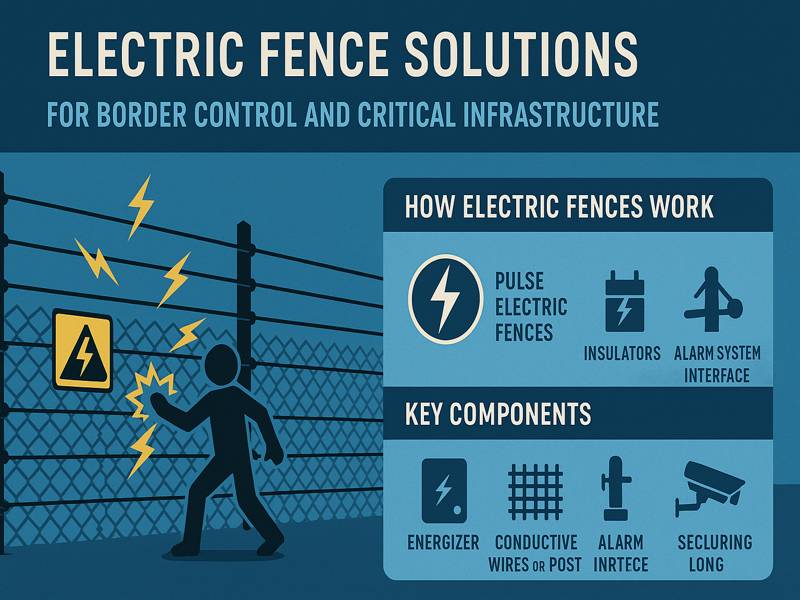
Electric Fence Solutions for Border Control and Critical Infrastructure

As global threats grow and border security demands rise, electric fences offer scalable, intelligent defense, combining deterrence, detection, and integration with modern surveillance for critical sites and remote borders. Understanding Electric Fence Technology How Electric Fences Work Electric fences function by delivering short, regulated electrical pulses through wires or conductive materials installed along a perimeter. When an intruder contacts the fence, they receive a non-lethal electric shock, acting as both a deterrent and an early warning system. There are two major types: Pulse Electric Fences: Emit high-voltage, low-current pulses at set intervals. Highly effective for human deterrence. Tensile Electric Fences: Use tensioned, electrified wires designed to resist tampering and climbing attempts, ideal for long border stretches. Key Components Energizers: Generate and regulate electrical pulses. Conductive Wires or Mesh: Deliver the current across the perimeter. Insulators and Posts: Maintain wire positioning and prevent current leakage. Alarm System Interface: Notifies users when the fence is broken or tampered with. Backup Power Supply: Guarantees uninterrupted functioning in the event of sabotage or outages. Electric Fencing in Border Control Securing Long and Remote Perimeters Securing international borders often involves thousands of kilometers of challenging terrain. Compared to concrete barriers or staffed patrols, electric fencing provides a low-maintenance, more affordable option. Advantages of border control: Visual and physical deterrence for smugglers, trespassers, or unauthorized immigrants. Real-time breach alerts through integrated sensor and alarm systems. Solar-powered options for deployment in remote areas. Notable Examples of Use India-Pakistan Border: Uses thousands of kilometers of electrified fencing supported by thermal sensors and surveillance towers. US-Mexico Border: Select zones use electric fencing integrated with motion detectors and patrol drones. Israel-Egypt Border: Features smart fencing with electric deterrents, radar, and camera integration. These deployments demonstrate how electric fence systems can operate autonomously while enhancing traditional patrol and surveillance strategies. Electric Fence Technologies: From Basic to Smart There are multiple types of fence intrusion detection system used in high-security environments. Their design and sophistication depend on the threat level and operational needs. 🔌 Pulse Electric Fence Systems Deliver high-voltage pulses (typically 5,000–10,000V) at low current Serve as non-lethal disincentives Set off alarms in response to wire cuts, short circuits, or tampering. Commonly used in border control due to simplicity and reliability 🧬 Tensile Wire Systems Use high-tension wires to resist cutting or climbing Ideal for integrating with sensors to detect vibrations or disturbances Less reliant on high-voltage pulses, often used in urban infrastructure zones 🌐 Internet of Things-Integrated Smart Electric Fencing Incorporate cloud-based monitoring, GPS tracking, and microcontrollers. Capable of real-time health diagnostics, zone-based control, and data logging Integrate with video analytics, AI detection models, and access control systems Smart systems reduce false alarms by filtering out animals, debris, and weather interference, making them highly effective in complex environments like ports or oil pipelines. Smart Integration: Building a Multi-Layered Defense System Electric Fences + Sensors + Surveillance Modern electric fence systems are no longer standalone barriers. They are part of a comprehensive perimeter security system that includes: PIDS (Perimeter Intrusion Detection Systems): Fiber optic or cable-based sensors detect vibrations or pressure. CCTV and AI Surveillance: Real-time visual monitoring with behavior analytics. Laser and Microwave Barriers: Create invisible tripwires and motion-detection zones. Drones and PTZ Cameras: Mobile surveillance to verify breach attempts. Electric fences can trigger these systems on contact or tampering, enabling swift security responses. Centralized Command Platforms Control rooms at critical infrastructure sites now employ integrated security control platforms where electric fence systems feed live data into: Central dashboards AI-based decision engines Incident loggers Emergency communication systems Operators receive instant alerts with location tagging, allowing security teams to intercept intruders before they advance. Deployment Challenges and Engineering Considerations Deploying electric fences on a border or around infrastructure comes with a host of logistical and technical challenges: Geographical Constraints Rocky terrains and mountainous regions may require specialized anchoring systems Flood-prone areas demand waterproof insulators and elevated fencing Long spans require repeater stations and voltage equalization Power Supply Management In remote areas, solar-powered fences with battery backup are vital Power conditioning equipment ensures stable voltage delivery and protection against lightning Material Durability High-tensile galvanized steel or aluminum wires are preferred UV-stabilized plastics and corrosion-resistant fittings extend lifespan Tamper-proof design deters intruders from bypassing or dismantling the fence Environmental and Wildlife Considerations Wildlife-friendly fencing modes can reduce accidental shocks to animals Fence systems must withstand extreme heat, snow, and sandstorms Threat-Specific Customization Nuclear Power Plants: Need multilayered fencing with seismic sensors and redundancy in power and communication lines. Data Centers: Prioritize fast breach detection and silent alarm triggering to avoid operational panic. Custom fence tension, voltage levels, and detection sensitivity can all be fine-tuned for each application. Advantages of Electric Fencing in High-Security Environments The reason electric fence solutions continue to grow in popularity for border and critical infrastructure protection is due to their combination of practical and strategic advantages: Feature Benefit Non-lethal shock Safe deterrent with minimal liability risks Tamper detection Alerts triggered on cutting, grounding, or climbing Integration-ready Easily links to alarms, cameras, and command systems Visual deterrent Warning signs and design deter intrusions proactively Scalable & modular Can be expanded or segmented based on threat level Low operational cost Requires less manpower than traditional patrolling Quick deployment Portable systems can be set up in temporary zones Regulations and Compliance Standards Electric fence systems must adhere to regional and global safety and operating regulations prior to deployment, including: Regarding electric fence energizers, IEC 60335-2-76 EN 60335-2-76 (European equivalent) UL 69 and ASTM standards in the U.S. Local government regulations on height, signage, and access Noncompliance may result in operational shutdowns or legal repercussions. Maintenance and Remote Monitoring Routine Maintenance Practices To ensure 24/7 protection, regular checks are essential: Wire tension and integrity Insulator condition Energizer voltage output Grounding effectiveness Sensor calibration Modern systems offer automated health monitoring, flagging maintenance issues before they become critical. Remote Monitoring Capabilities Today’s electric fences are accessible via cloud platforms and mobile apps, allowing users to: View real-time fence status Receive SMS/email alerts Control zones

Leave Your Message