Oil & Gas Perimeter Security Solution

Protect pipelines, refineries, tank farms and terminals with fiber optic intrusion detection and distributed temperature monitoring designed for long-distance coverage, faster alarm verification and centralized security management.

Challenges

A threat detected too late can put workers at risk, damage critical equipment, and interrupt production.

Remote Well Sites Are Difficult to Secure

Remote Well Sites Are Difficult to Secure

Overheating Power Cables Pose Fire Risks

Overheating Power Cables Pose Fire Risks

Third-Party Excavation Threatens Pipelines

Third-Party Excavation Threatens Pipelines

False Alarms and Unclear Alarm Locations Delay Response

False Alarms and Unclear Alarm Locations Delay Response

Our Solution

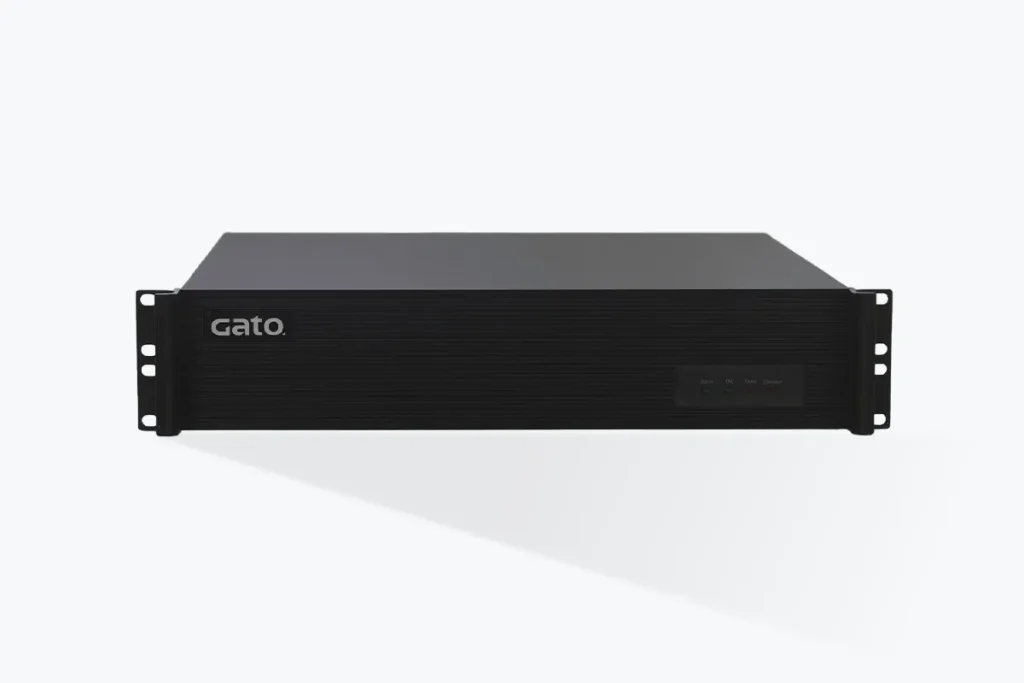
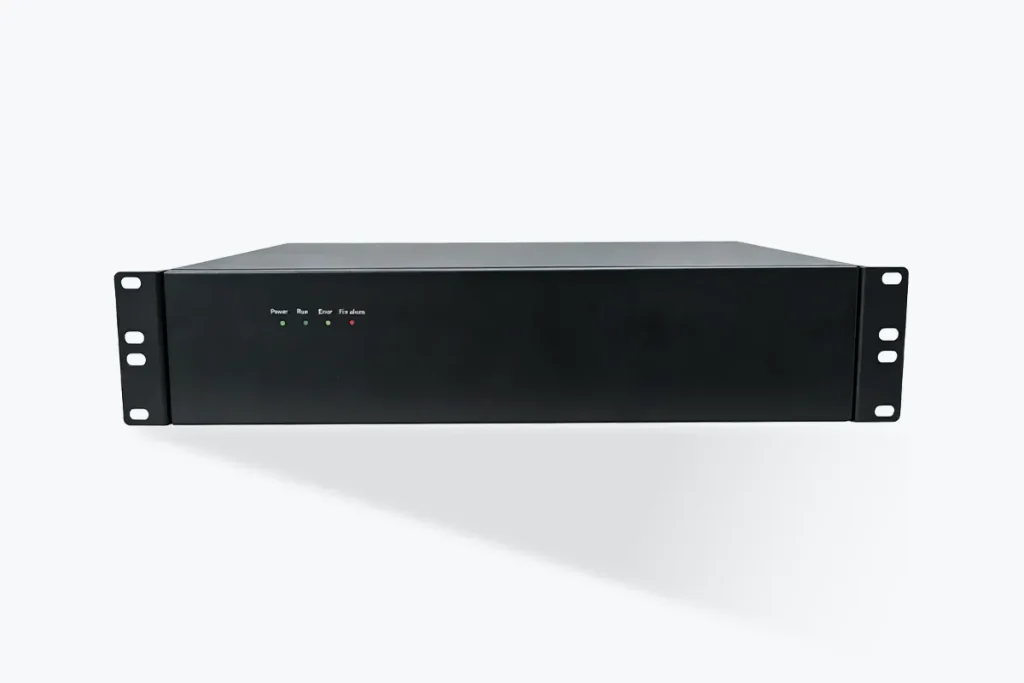
Gato uses F7 distributed acoustic sensing (DAS) to monitor intrusion-related activity along pipelines and facility perimeters, while E3 distributed temperature sensing (DTS) monitors abnormal temperature rises along selected cable routes. F7’s AI models help identify potential intrusions and filter environmental interference. Passive sensing fiber reduces the need for powered field detectors, while location-based alarms help teams respond faster.

Long-Range Monitoring with Passive Fiber

Long-Range Monitoring with Passive Fiber

Intrusion and Overheating Detection

Intrusion and Overheating Detection

Fewer Nuisance Alarms, Faster Response

Fewer Nuisance Alarms, Faster Response

Applications

Pipeline Corridors and Remote Stations

Pipeline Corridors and Remote Stations

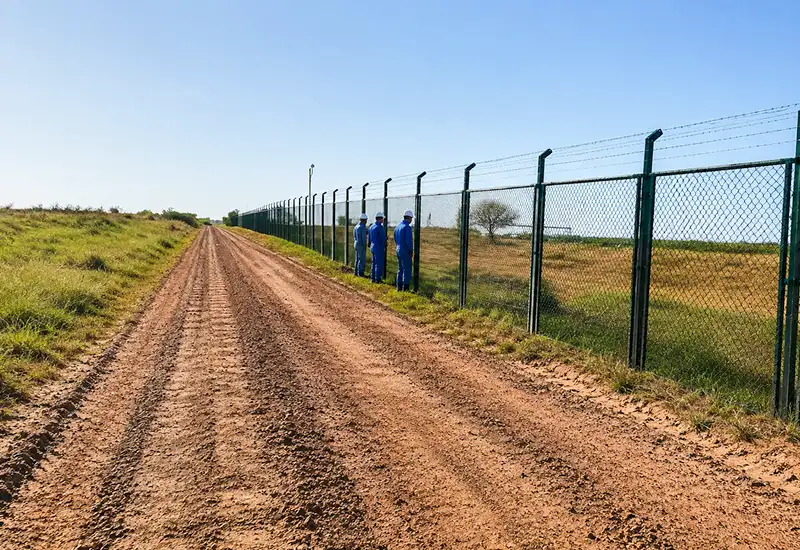
Third-party excavation near remote pipelines is difficult to monitor through patrols alone. F7 detects and locates suspicious digging vibrations along installed sensing fiber. At isolated well sites and valve stations, fence-mounted sensing fiber can also help detect unauthorized entry.

Refineries and Petrochemical Plants

Refineries and Petrochemical Plants

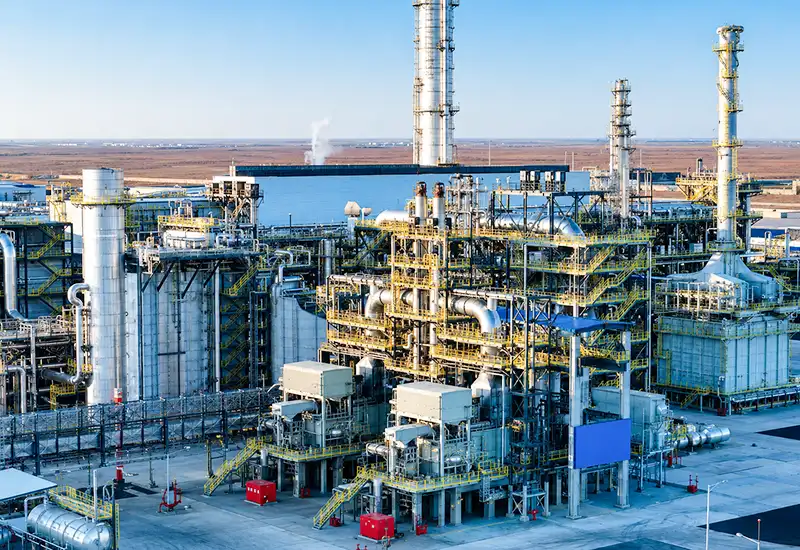
Large refineries have extensive fence lines and power cables running through critical operating areas. F7 detects intrusion-related vibrations along protected fences, while E3 monitors temperature along designated power cable routes. Both systems help teams identify which fence or cable section needs inspection.

Tank Farms, Depots and Loading Terminals

Tank Farms, Depots and Loading Terminals

Truck movements and daily loading operations can generate vibrations near restricted storage areas, increasing nuisance alarms. F7 analyzes vibration patterns along protected fences to help distinguish intrusions from routine activity. E3 can also monitor selected power cable routes where overheating is a concern.
Case Studies

Why Choose Us

Refinery and Petrochemical Project Experience

Gato’s project references include Zinder Refinery in Niger and a petrochemical complex in Kazakhstan, demonstrating experience in perimeter intrusion detection at large industrial facilities.

In-House Development and Manufacturing

Established in 2004, Gato develops hardware and software in-house and operates its own manufacturing facility. Factory visits and customer audits can also be arranged to review its production capabilities.

Project-Specific AI Model Customization

Gato supports custom F7 detection models for sites with complex vibration environments, such as refineries and loading terminals. Models can be developed using site-collected data to address specific intrusion detection requirements.

How We Deliver

1

Requirements and Risk Review

We review the asset type, monitored distance, site layout, threat scenarios, environmental conditions, hazardous-area classification and existing alarm or video architecture.

2

System Design and Compliance Matrix

We define the sensing technology, channel and range configuration, fiber layout, detection zones, interfaces and bill of materials. Available certificates, test reports and technical documents are mapped against the project’s tender requirements.

3

Commissioning and Handover Support

Support can include configuration guidance, alarm testing, interface verification, operator training, acceptance-test documentation and software or firmware updates according to the agreed project scope.

Request an Oil & Gas Monitoring Design

Share your asset type, site country, perimeter or pipeline length, hazardous-area requirements and existing security platform. Our engineers will recommend a suitable F7 DAS, E3 DTS or combined system architecture.

    Frequently Asked Questions

    Existing fiber may be reusable, but availability alone is not enough. Its ownership, fiber type, routing, splice history, optical condition, and current communications use must be verified. A fiber already carrying plant data should not be assumed suitable for sensing without an engineering review. In many projects, a dedicated fiber route provides clearer responsibility for maintenance and reduces the risk of changes to the communications network affecting security monitoring.

    Not automatically. Fiber optic intrusion detection and distributed temperature sensing use different measurement methods and may have different requirements for fiber type, route design, connections, and host equipment. A project should therefore confirm whether the proposed architecture uses separate fibers, separate cores within one cable, or another approved arrangement. The two functions should not be presented as sharing one sensing route unless the complete design has been technically validated.

    Every repair introduces a connection that must be checked for workmanship, optical loss, mechanical protection, and suitability for the installation environment. After repair, the affected route should be tested and its alarm locations verified. Where the work is carried out inside an operating oil or gas facility, the repair method and equipment location must also follow the site’s approved safety and permit requirements.

    F7 DAS configurations support 5 km, 15 km, 25 km or 50 km per channel, with single- or dual-channel options. E3 DTS is available with 10 km or 16 km per channel and 4-, 8- or 16-channel options. Final coverage depends on the selected model, fiber layout, required positioning accuracy and project architecture.