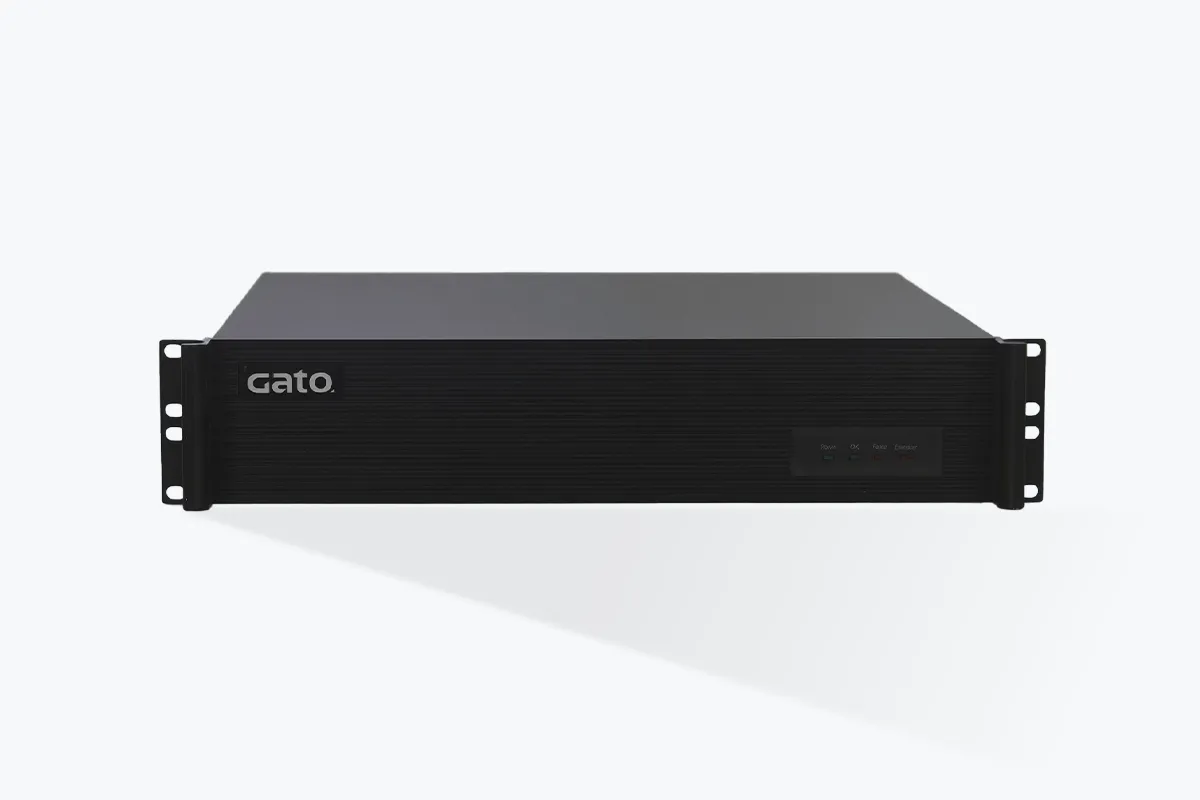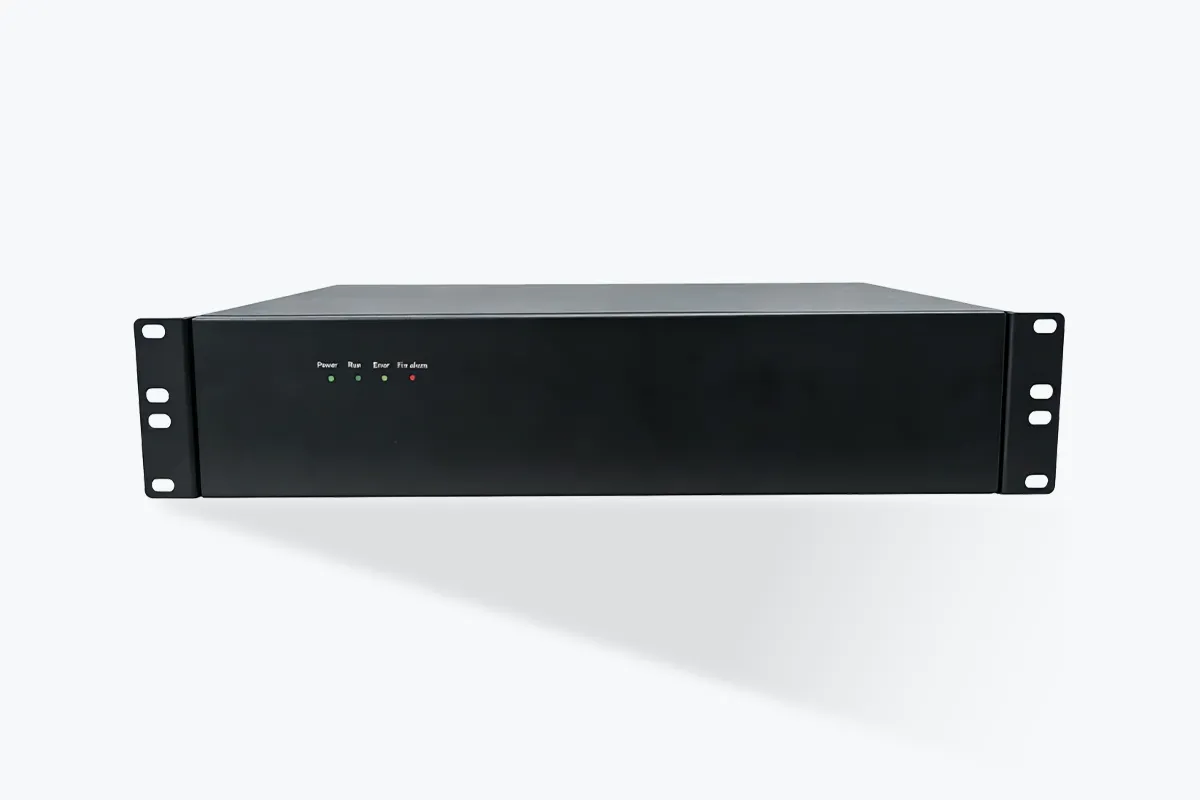
Utility Tunnel and Underground Cable Gallery Monitoring System

Monitor temperature conditions along underground power cables and protect entrances, shafts and restricted corridors with distributed fiber optic sensing, location-aware alarms and control-room integration.

Challenges

Underground incidents can disrupt power and communication services, damage critical infrastructure, and put maintenance crews at risk.

Manholes and Shafts Are Vulnerable to Break-Ins

Manholes and Shafts Are Vulnerable to Break-Ins

Copper Cable Theft Can Disrupt Power Supply

Copper Cable Theft Can Disrupt Power Supply

Cable Hotspots Can Develop Between Inspections

Cable Hotspots Can Develop Between Inspections

Locating Alarms Across Tunnel Branches Takes Time
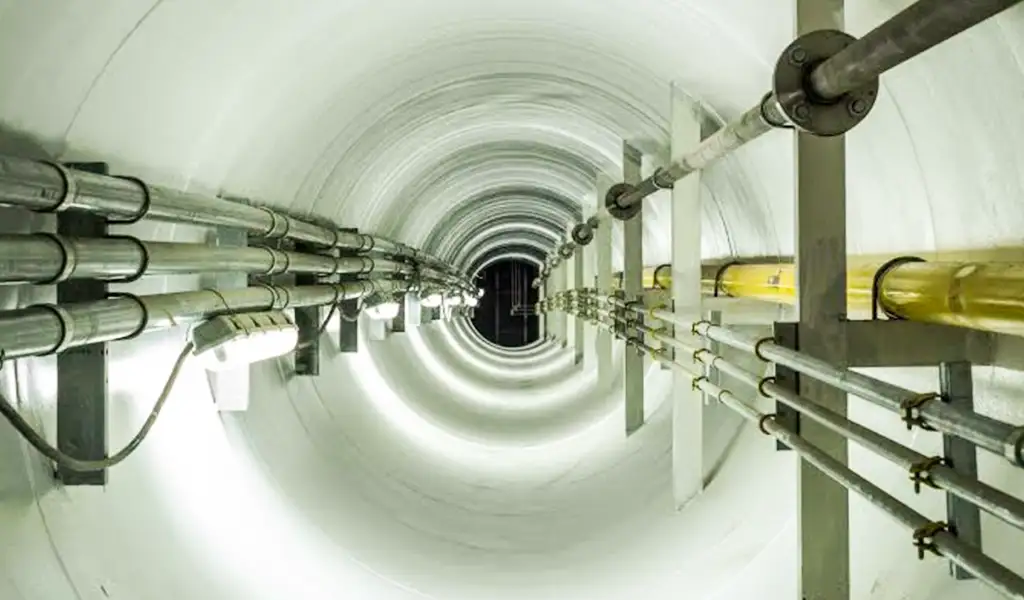
Locating Alarms Across Tunnel Branches Takes Time
Our Solution

Gato uses F7 distributed acoustic sensing (DAS) to detect suspicious vibrations along selected tunnel sections and access routes, while E3 distributed temperature sensing (DTS) continuously monitors temperature along designated power cable routes. F7’s AI models help filter environmental interference, and location-based alarms help operators identify which tunnel section needs inspection.

Underground Power Cable Tunnels

Detect Activity in Protected Tunnel Sections

Utility Tunnels and Integrated Pipe Galleries

Spot Cable Overheating Along Monitored Routes

Locate Alarms for Faster Underground Checks

Locate Alarms for Faster Underground Checks

Applications

Underground Power Cable Tunnels

Underground Power Cable Tunnels

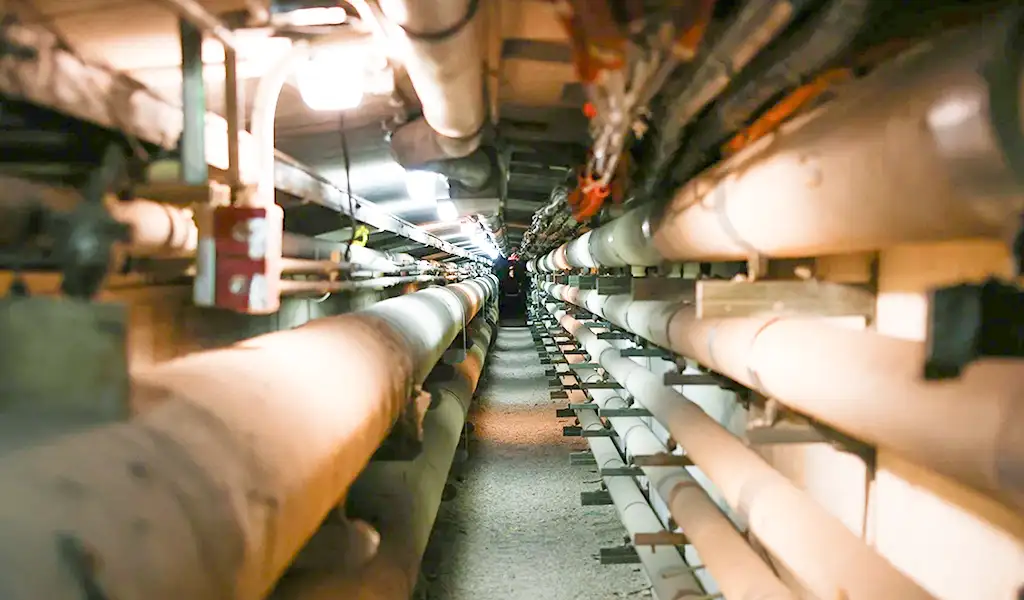
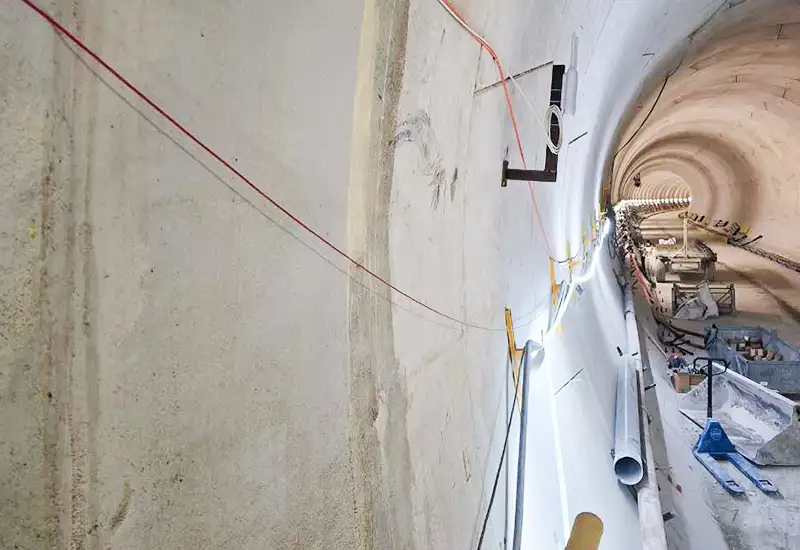
Power cable tunnels contain long cable runs, joints and high-load sections where overheating may develop between inspections. E3 continuously measures temperature along installed sensing fiber and identifies abnormal temperature changes. F7 can provide additional intrusion monitoring at selected tunnel sections where suitable fiber installation is possible.

Integrated Utility Tunnels and Pipe Galleries

Integrated Utility Tunnels and Pipe Galleries

Integrated utility tunnels carry power cables, communication lines and other services through shared underground corridors. E3 can monitor temperature in designated power cable sections, while F7 monitors suspicious vibration activity along selected restricted routes. Alarm locations help operators identify which branch or section needs attention.

Manholes, Inspection Shafts and Access Routes

Manholes, Inspection Shafts and Access Routes

Manholes and inspection shafts can provide unauthorized access to underground cable corridors. F7 can monitor vibration activity along selected protected access routes where sensing fiber is suitably installed. Mapping alarm locations to shaft numbers and access points helps security and maintenance teams investigate the affected area.
Case Studies

Why Choose Us

Tunnel Temperature Monitoring Evaluation Experience

Gato has participated in an E3 DTS evaluation with a French tunnel engineering provider, covering distributed temperature monitoring, alarm-location information and monitoring-system requirements for underground infrastructure.

In-House Development and Manufacturing

Established in 2004, Gato develops its sensing hardware and software in-house and operates its own manufacturing facility. Customers can arrange factory visits and audits to evaluate its production capabilities.

Ongoing Remote Technical Support

Gato provides remote troubleshooting and technical assistance for supported systems after handover, including software upgrade support where available. This helps tunnel operators maintain monitoring equipment installed across underground facilities.

How We Deliver

1

Tunnel and Asset Review

Review tunnel length, branches, cable routes, operating temperatures, access points, ventilation, equipment rooms, existing fire systems and control-room architecture.

2

Monitoring and Alarm Design

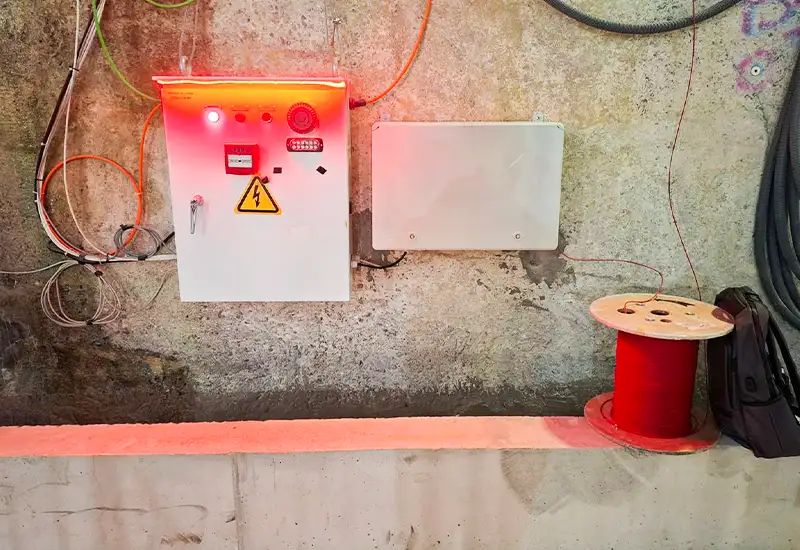
Define E3 channels and ranges, sensing-cable routes, alarm strategies, F7 monitoring sections, software zones, network architecture, interfaces and available compliance documents.

3

Commissioning and Handover Support

Support sensing-cable verification, baseline collection, temperature-alarm testing, intrusion-event testing where applicable, zone mapping, interface validation, operator training and acceptance documentation.

Request a Utility Tunnel Monitoring Design Review

Share the tunnel length, branch layout, power-cable routes, operating temperatures, access points and existing SCADA, VMS or fire-alarm systems. Tell us whether you need intrusion detection, temperature monitoring or both.

    Frequently Asked Questions

    The route should reflect where heat is expected to transfer and which assets require monitoring. Cable construction, joints, terminations, supports, ventilation, barriers, and allowable installation methods can all affect the sensing position. There is no single placement rule for every underground cable gallery. The proposed route should be reviewed against the asset layout and validated during commissioning.

    It should not be assumed. Distributed temperature sensing and vibration-based intrusion monitoring use different measurement principles and may require different fibers, cable constructions, installation positions, and host equipment. A utility tunnel monitoring system can include both functions, but the design should clearly identify which sensing route serves each purpose and whether any cable contains separate fibers assigned to different systems.

    They can. Each connection or branch may introduce optical loss, complicate route identification, or create an additional maintenance point. The design should document splice locations, branch ownership, and the relationship between measured distance and physical tunnel sections. After a splice is added or repaired, the affected route should be tested and its location mapping reconfirmed before normal monitoring resumes.