Integrated Airport Perimeter Security System

Protect airport fence lines, airside access points and restricted facilities with continuous intrusion monitoring, location-aware alarms and integration-ready security technologies designed around airport response workflows.

Challenges

An intrusion that reaches the airside can put aircraft and ground crews at risk and disrupt flight operations.

Fence Cutting and Climbing Put Airside Areas at Risk

Fence Cutting and Climbing Put Airside Areas at Risk

Wind and Wildlife Can Trigger False Alarms

Wind and Wildlife Can Trigger False Alarms

Unclear Alarm Locations Delay Airside Response

Unclear Alarm Locations Delay Airside Response

Unauthorized Entry at Busy Airside Gates
Unauthorized Entry at Busy Airside Gates

Our Solution

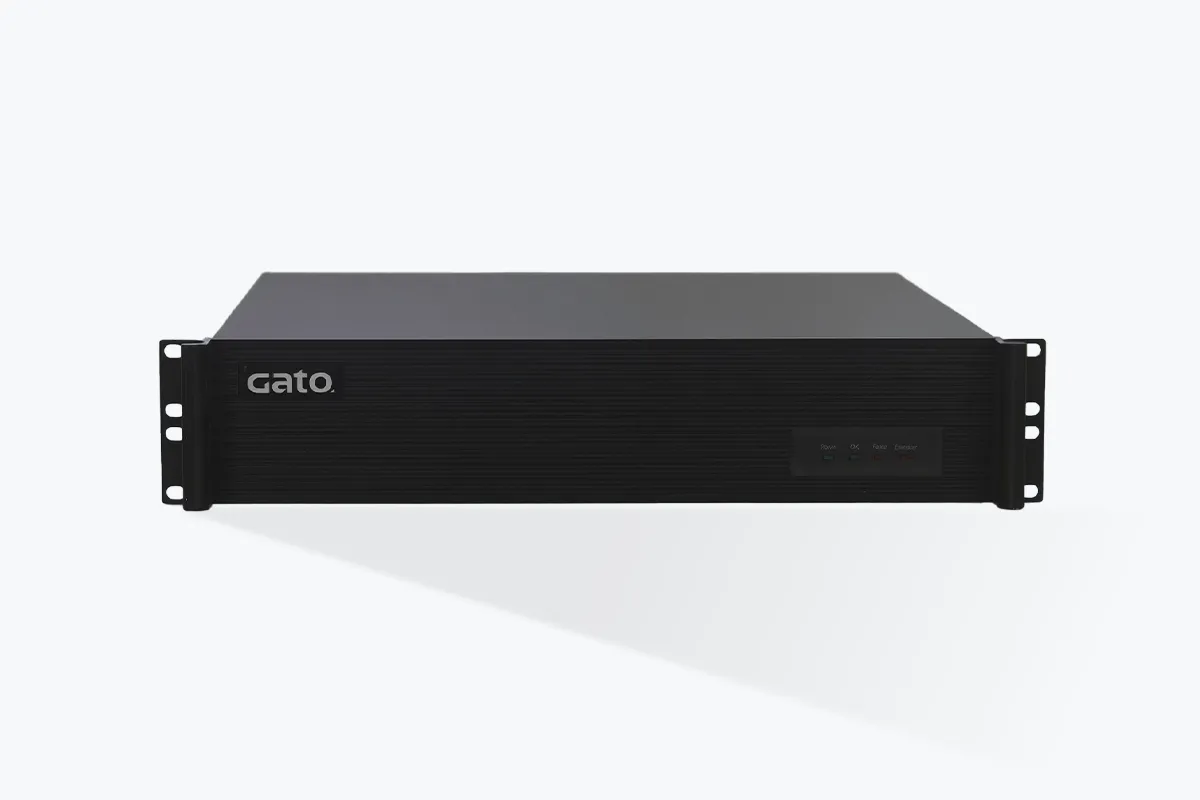
Gato combines F7 fiber optic sensing along airport fences with C3 laser beam detection at suitable access points. F7 uses AI models to identify intrusion-related vibrations and help filter interference from wind, wildlife and routine airport activity. Alarm locations support faster security verification and patrol response, while pulse electric fencing can provide additional deterrence where permitted.

Airport Perimeter Fences

Detect Fence Intrusions and Gate Crossings

Airport Perimeter Fences

Reduce Nuisance Alarms from Wind and Wildlife

Locate Events for Faster Security Response

Locate Events for Faster Security Response

Applications

Airport Perimeter Fence Lines

Airport Perimeter Fence Lines

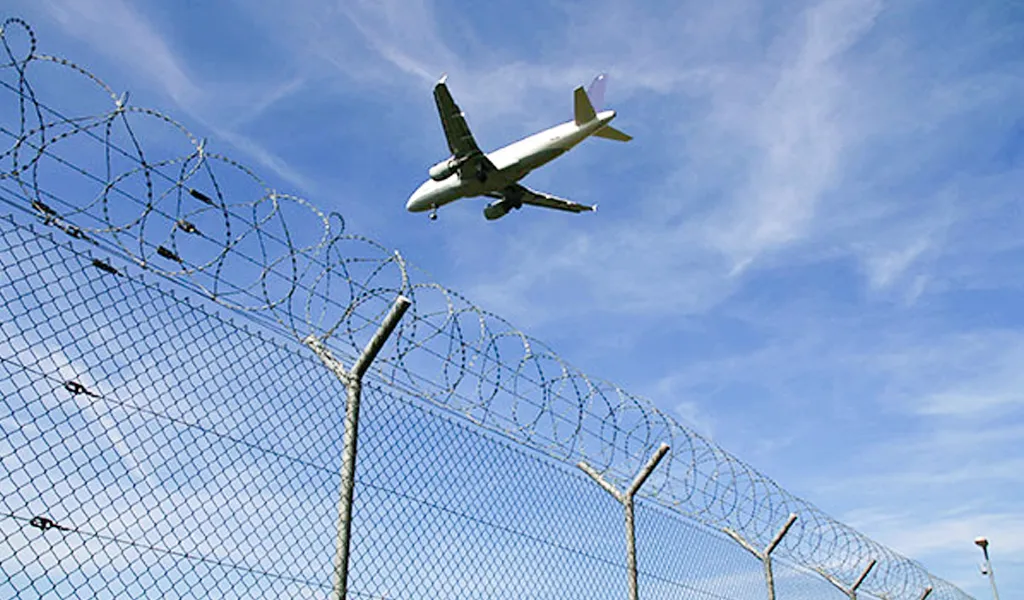
Long airport fences often border public roads and open land, making cutting and climbing attempts difficult to monitor through patrols alone. F7 detects intrusion-related vibrations along protected fence sections and identifies alarm locations, helping security teams reach the affected area without searching the entire perimeter.

Airside Service Gates and Access Routes

Airside Service Gates and Access Routes

Airport staff, contractors and service vehicles frequently use gates leading to restricted airside areas. C3 laser beam detectors can monitor designated crossing paths at suitable entrances. When connected to compatible access control and CCTV systems, alarms can be checked against normal gate activity.
Fuel Depots and Restricted Technical Facilities

Fuel Depots and Restricted Technical Facilities

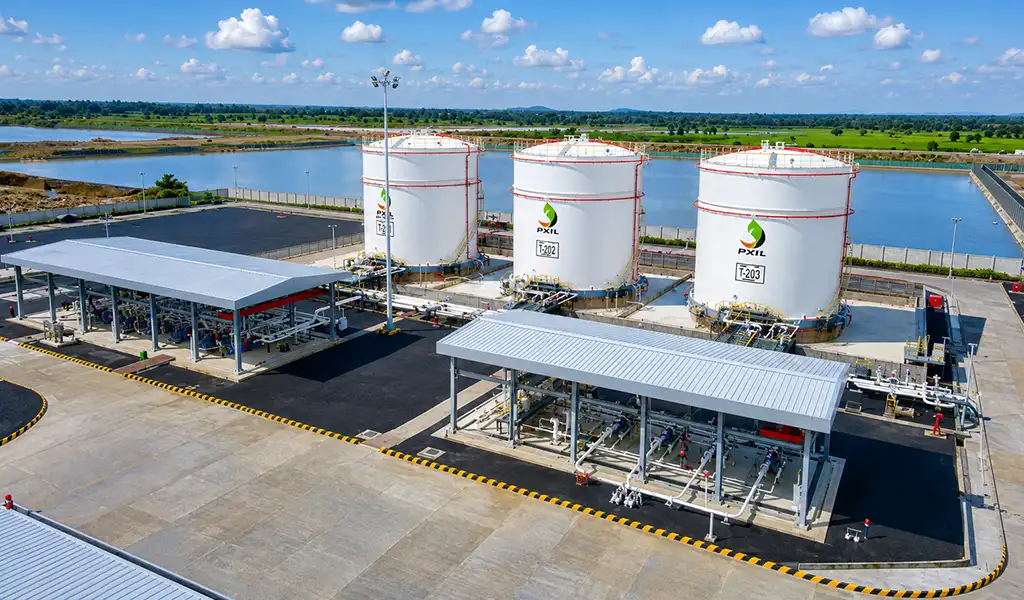
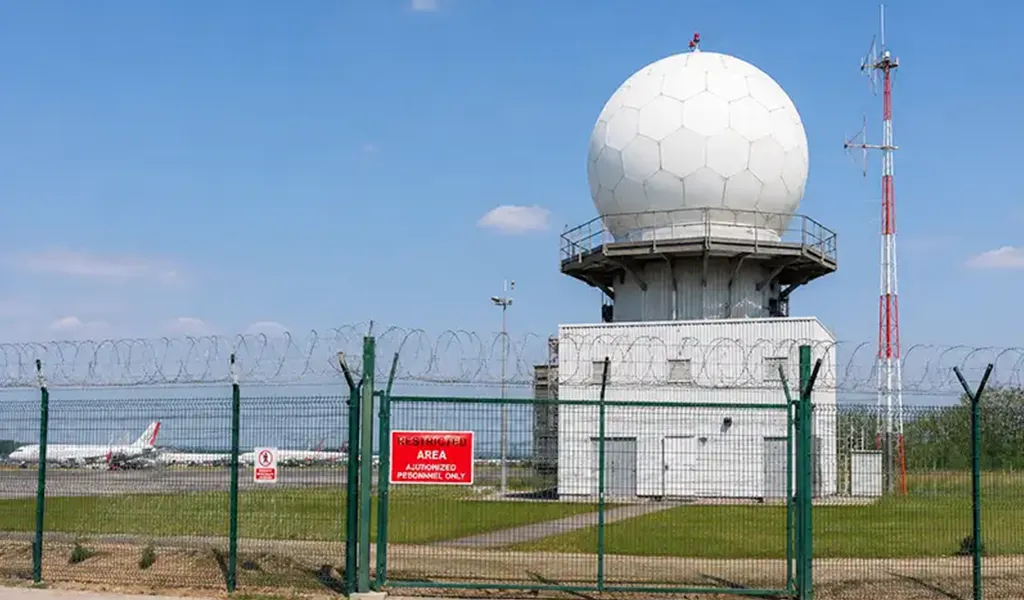
Airport fuel depots, navigation facilities and electrical substations need protection against unauthorized access. F7 can monitor suitable boundary fencing, while C3 covers selected clear approaches. Where permitted, pulse electric fencing adds deterrence and zoned alarms to protect sensitive facilities.

Case Studies

Why Choose Us

Airport Perimeter Security Project Experience

Gato’s project references include F7 perimeter protection at New Nasiriyah Airport in Iraq and an airport fuel-depot security project, demonstrating experience with intrusion detection requirements in different airport environments.

In-House R&D and Manufacturing

Established in 2004, Gato develops hardware and software in-house and operates its own manufacturing facility. Customers can also arrange factory visits and audits to evaluate its manufacturing capabilities.

Factory Testing Before Shipment

Every unit undergoes factory testing and must pass inspection before shipment. This provides an additional quality-control checkpoint before equipment is delivered for airport perimeter security projects.

How We Deliver

1

Layout and Threat Review

Review perimeter length, fence type, gates, airside access routes, restricted facilities, operational vibration, environmental conditions and the airport’s alarm-response workflow.

2

Coverage, Integration and Compliance Design

Define technology placement, sensing ranges, alarm zones, communication architecture and platform interfaces. Map available certificates and technical documents against the project specification and tender requirements.

3

Commissioning and Acceptance Support

Support baseline collection, intrusion-event testing, alarm-location verification, interface testing, operator training and acceptance documentation according to the agreed project scope.

Request an Airport Perimeter Design Review

Share your airport layout, perimeter length, fence type, access points, restricted facilities, existing security systems and project requirements. Our engineers will recommend an appropriate layered detection architecture.

    Frequently Asked Questions

    Often, yes, but the fence must be assessed before a perimeter sensing cable is installed. The review should consider fence material, structural stability, damaged panels, loose mesh, vegetation contact, gates, and sections where the boundary changes construction. Repairs may be required first because movement from a poorly maintained fence can affect signal quality. Openings and movable gates may also need a different detection method from the fixed fence line.

    A damaged section does not automatically mean that the complete route must be replaced. The affected area can be inspected, isolated, and repaired or replaced using an approved fiber procedure. After the work, optical continuity and signal quality should be checked, the alarm-location map should be confirmed, and a representative intrusion test should be completed before the section returns to service.

    The modified section should be treated as a change to the detection route, not only as a civil-work update. Installers should inspect the sensing-cable path, attachment condition, connection points, and any transition between fixed fencing and movable access points. The affected alarm locations should then be remapped and functionally tested so the airport fence intrusion detection display still matches the physical perimeter.

    F7 is available in single- or dual-channel configurations with 5 km, 15 km, 25 km or 50 km per channel. Each channel monitors an independent sensing-fiber route and should not be presented as one continuous route of twice the length. Positioning accuracy is ±1 m for the 5 km and 15 km models, ±2 m for the 25 km models, and ±4 m for the 50 km models.