
E3 Distributed Temperature Sensing System

Continuously monitor temperatures along sensing fibers with DTS technology, locate hotspots to within ±0.5 m, and support long-distance, multi-channel monitoring.
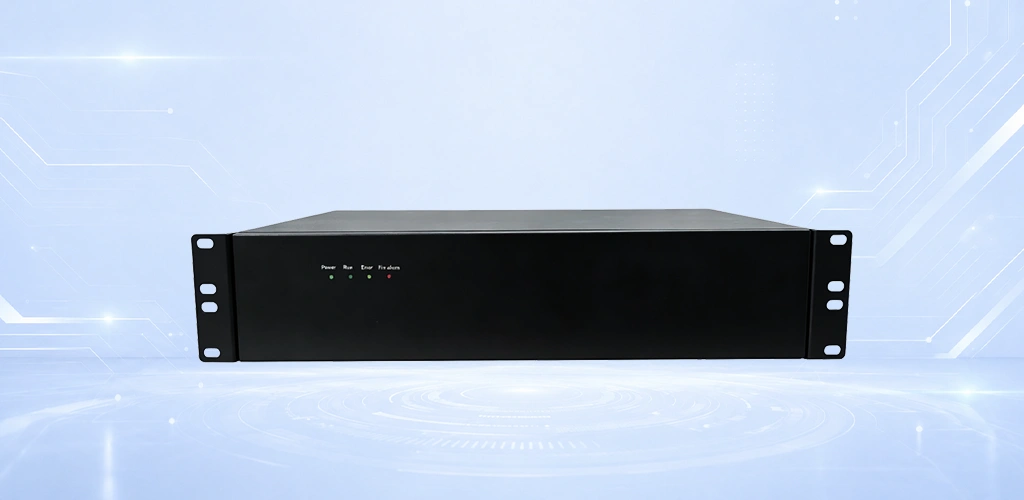
E3 rack-mounted DTS host unit

Core Advantages

Precise Hotspot Localization

Locates temperature anomalies along the sensing fiber with accuracy as precise as ±0.5 m, helping maintenance teams identify the affected area.

Accurate Temperature Measurement

The centimeter-level model offers temperature measurement accuracy as precise as ±0.5°C.

Multiple Alarm Modes

Supports fixed-temperature, temperature-difference, rate-of-rise, and fiber-break alarms for different monitoring needs.

Web-Based Access

Access the monitoring system through a web browser without installing client software, simplifying system access and management.

±0.5°C

Temperature Accuracy

0.5 m

Spatial Resolution

±0.5 m

Precise Hotspot Localization

16 km

METER-LEVEL DTS · per channel

How It Works

01 / TECHNOLOGY

DTS Sensing Technology

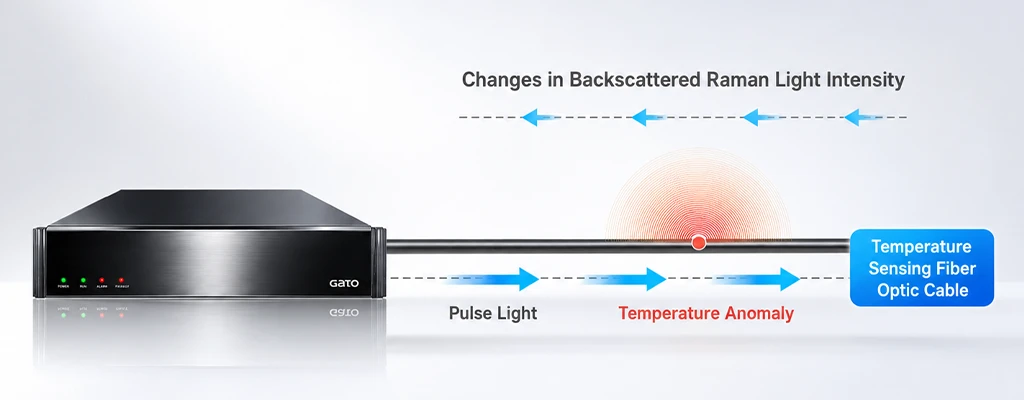
Raman scattering and OTDR measure temperatures and locate abnormal heating along the sensing fiber.

Based on Raman scattering and optical time-domain reflectometry (OTDR), the system analyzes backscattered light to measure temperatures and determine locations along the sensing fiber. It displays temperature profiles and triggers alarms when preset conditions are met.

02 / LONG-RANGE MONITORING

Meter-Level DTS

Long-distance temperature monitoring for power cable tunnels, utility corridors and extended infrastructure.

Meter-level DTS supports monitoring distances of up to 16 km per channel and up to 16 channels for flexible deployment. Measurement cycles as short as 1 second per channel enable frequent temperature updates across power cable tunnels, utility corridors, and other extended infrastructure.

03 / EQUIPMENT MONITORING

Centimeter-Level DTS

Localized temperature monitoring at cable joints, busways and other critical equipment.

Centimeter-level models cover up to 2.5 km per channel and are designed to monitor localized temperature changes at cable joints, busways, and other critical equipment. The passive sensing fiber requires no power along the sensing route and is resistant to electromagnetic interference.

System Components

E3 rack-mounted DTS host unit

E3 Host Unit

Processes optical signals from the sensing fiber to measure temperatures and locate abnormal heating. Available models can be selected based on channel count, sensing distance, and integration requirements.
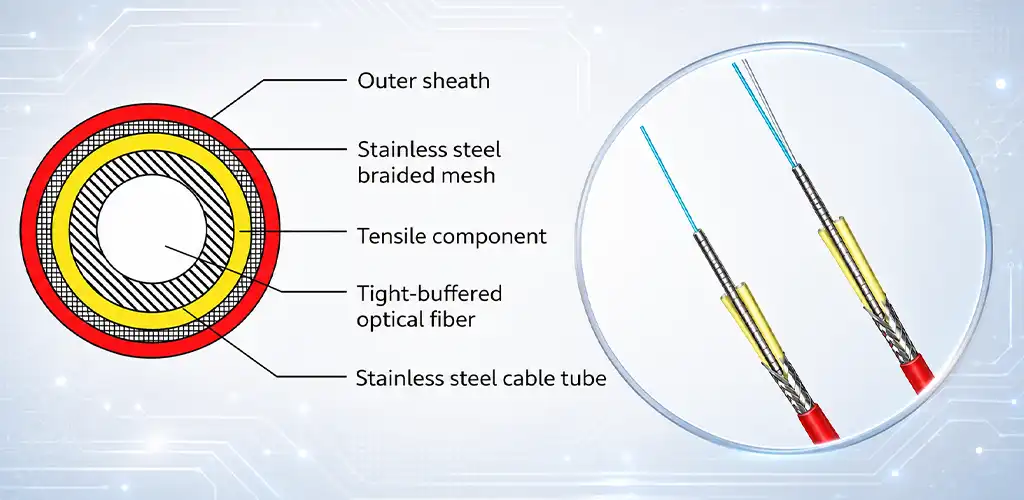
GI 62.5/125 multimode temperature-sensing cable

Temperature-Sensing Cable & Accessories

Provides continuous temperature monitoring along the installed route without requiring electrical power along the sensing cable. Optical accessories support fiber connections and installation.
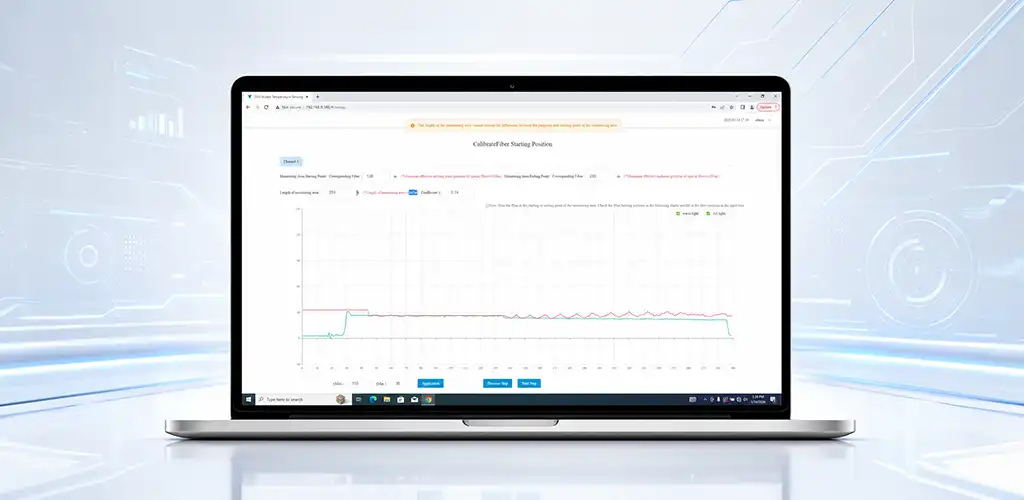
E3 temperature monitoring software interface

Monitoring Software & Integration

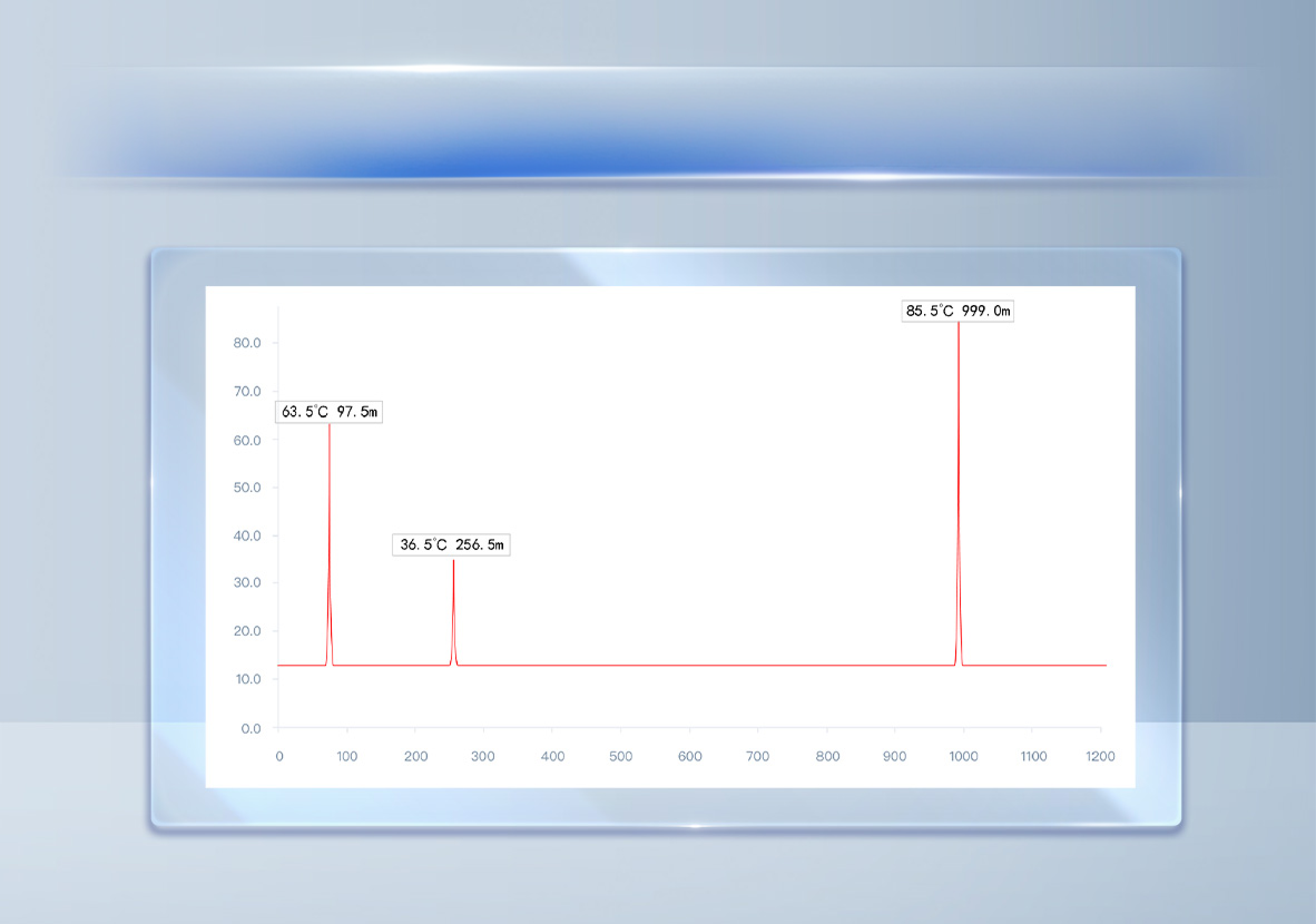
Displays real-time temperature profiles, alarm locations, and historical records, with relay outputs, RS485, Ethernet, and API options for integration with existing monitoring systems.
Certifications

The Gato E3 DTS system carries CE marking, with electromagnetic compatibility (EMC) compliance verified by SGS. FCC compliance documentation is also available for international projects.

CE

CE Marking

EMC compliance verified by SGS.

FCC

FCC Compliance

Compliance documentation for the U.S. market.

Typical Applications

Power Cable Tunnels

Monitor temperature along cable routes and identify abnormal heating before conditions escalate.

Oil & Gas Assets

Track abnormal temperature conditions along selected pipelines, storage areas and process routes.

Data Centers & Cable Rooms

Monitor power-distribution and cable routes for localized overheating.

Industrial Electrical Equipment

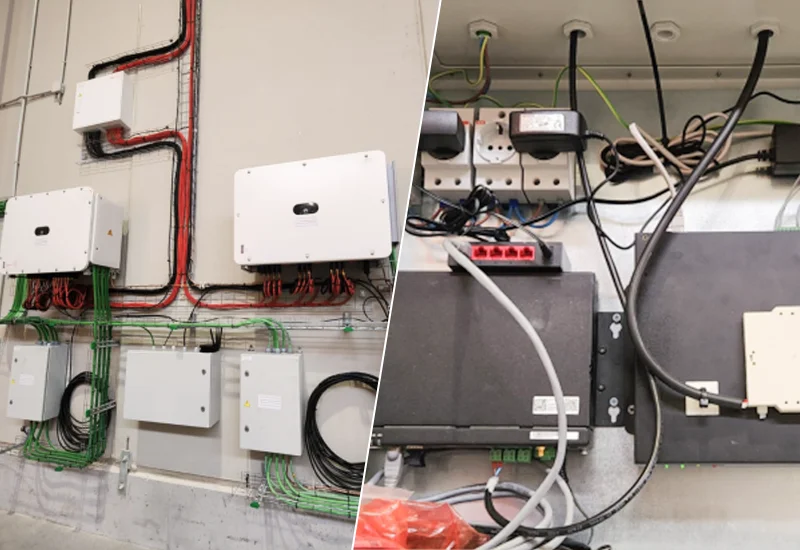
Monitor cables, inverters and connection areas for abnormal temperature rise.

Warehouses & Storage Areas

Provide distributed heat monitoring and configurable early-warning alarms along protected routes.

Traffic & Utility Tunnels

Monitor temperature across long enclosed routes and locate abnormal heat for inspection.

Case Studies

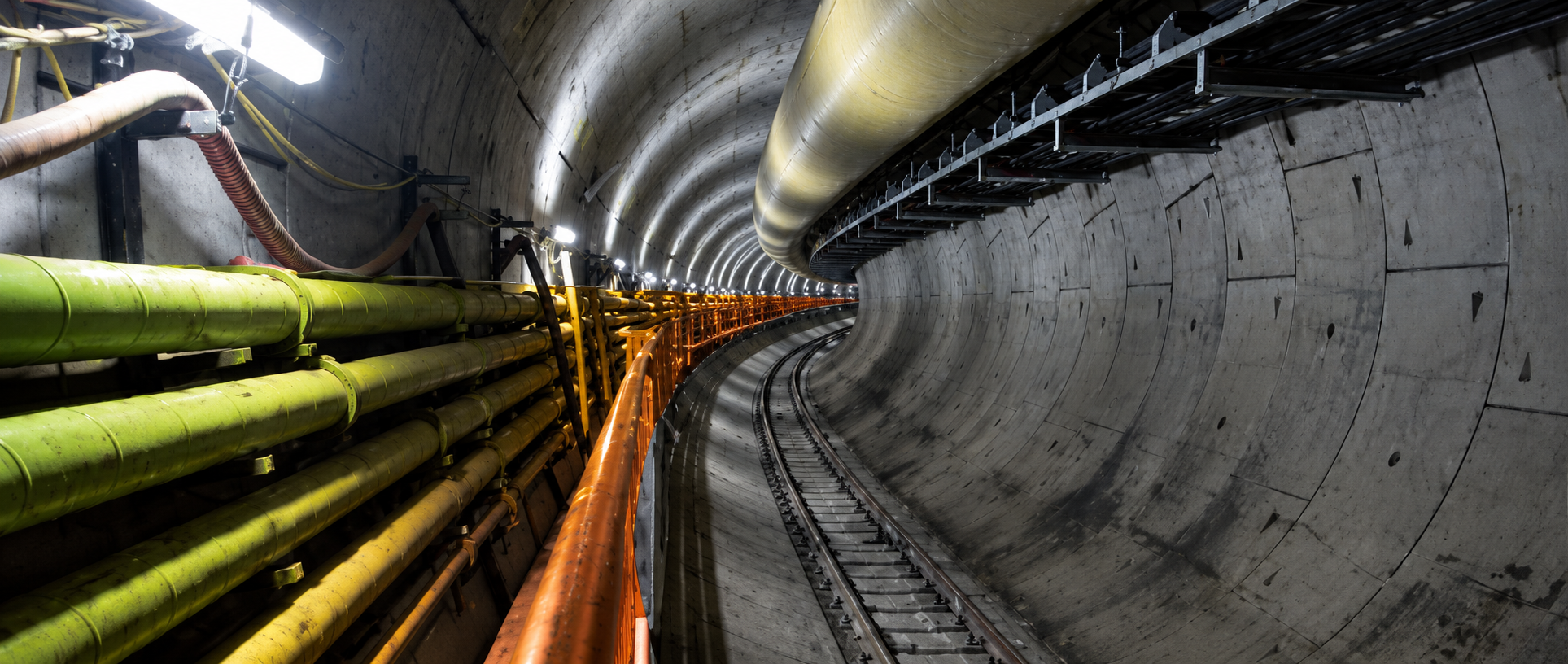
Tunnel Temperature Monitoring

Tunnel Temperature Monitoring in France

Project Challenge

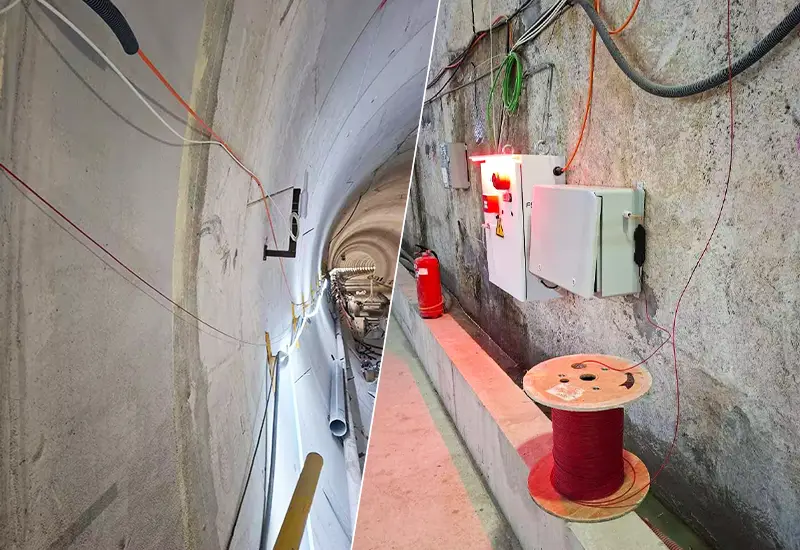
A French tunnel engineering provider with over 20 years of international experience needed continuous temperature monitoring and early warning of abnormal heat buildup to supplement its existing fire alarm procedures.

E3 Solution

Gato provided an E3 fiber optic temperature sensing system to monitor temperatures along the tunnel, with remote monitoring and configurable alarm zones for identifying abnormal temperature rises.

Project Highlights

The project demonstrates how continuous fiber optic temperature monitoring can support the transition from manual inspection to round-the-clock monitoring along tunnel infrastructure.
More Cases

Frequently Asked Questions

Distributed Temperature Sensing (DTS) measures temperature changes along an optical fiber, while Distributed Acoustic Sensing (DAS) detects vibrations and acoustic disturbances. DTS is commonly used for overheating and fire detection, whereas DAS is used for intrusion detection, pipeline monitoring, and vibration monitoring.

E3 requires optical fibers compatible with its DTS sensing technology. Existing fiber optic cables may be reused if they meet the required fiber type, optical loss, and installation conditions. Fiber compatibility should be evaluated before deployment.

Excessive fiber bending, poor splices, and high optical loss can weaken the backscattered signal and affect temperature measurement accuracy. Proper cable routing, suitable bend radii, and low-loss fiber connections help maintain reliable DTS performance.

E3 supports automatic baseline generation, temperature calibration, and optical loss compensation. On-site verification may still be required during commissioning, depending on the fiber installation and measurement accuracy requirements.

E3 supports relay outputs, RS485, and Ethernet interfaces, with Modbus RTU, Modbus TCP, and API integration options. Compatibility with SCADA, PLC, and fire alarm systems depends on the protocols and interface requirements of the target system.

Model selection depends on the required sensing distance, number of monitoring routes, temperature measurement accuracy, and installation environment. Meter-level models are suited to long-distance monitoring, while centimeter-level models are designed for localized temperature monitoring. Gato can help evaluate project requirements and recommend a suitable configuration.

Start Your Project Today

Get expert support and a customized temperature monitoring solution.

Reply within 24 hours. Your information is secure.

    E3 product video

    E3 setup video