Solar Farm Perimeter Security System

Protect utility-scale PV sites against cable theft, equipment intrusion and unauthorized access with fiber optic monitoring designed for long perimeters, remote operations and varied terrain.

Challenges

A single break-in can damage equipment, interrupt power generation, and leave operators facing costly repairs.

Copper Theft and Vandalism Threaten Solar Farms

Copper Theft and Vandalism Threaten Solar Farms

Remote Solar Farms Are Hard to Patrol at Night

Remote Solar Farms Are Hard to Patrol at Night

Wind and Wildlife Trigger Repeated Fence Alarms

Wind and Wildlife Trigger Repeated Fence Alarms

Locating Intrusions Along Solar Farm Fences Takes Time

Locating Intrusions Along Solar Farm Fences Takes Time

Our Solution

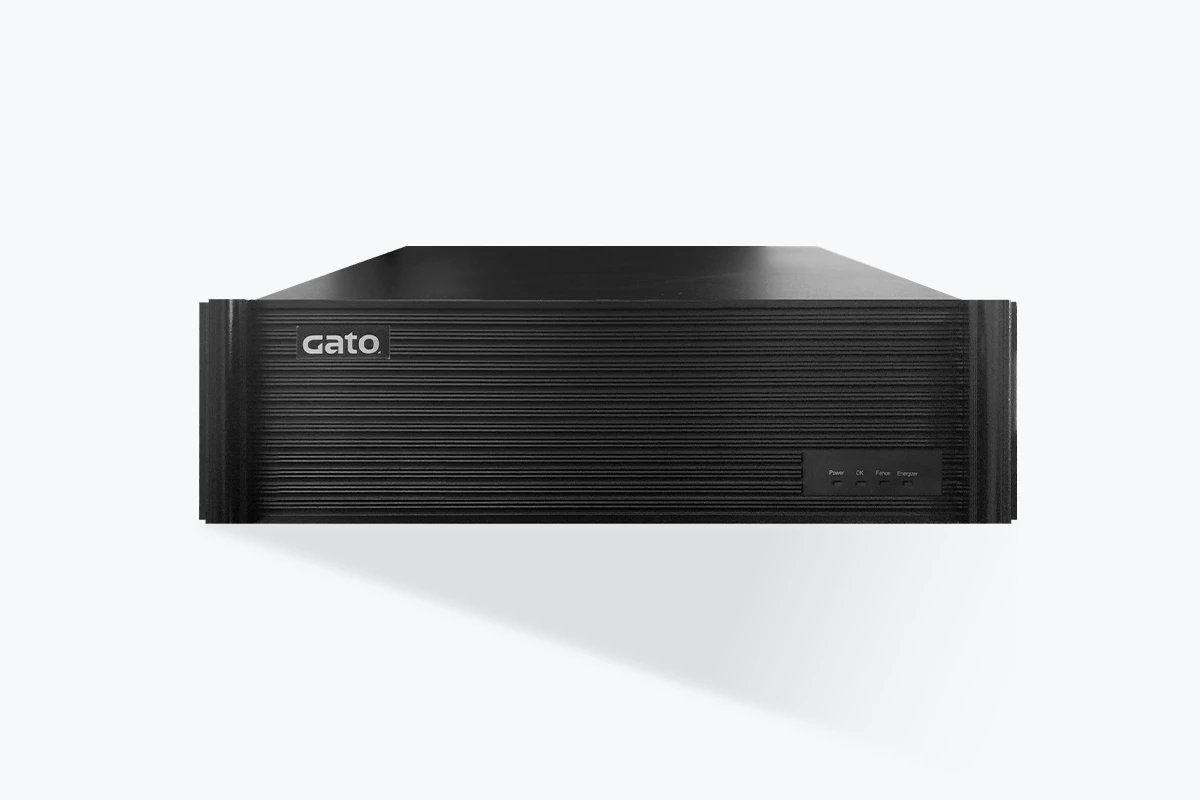
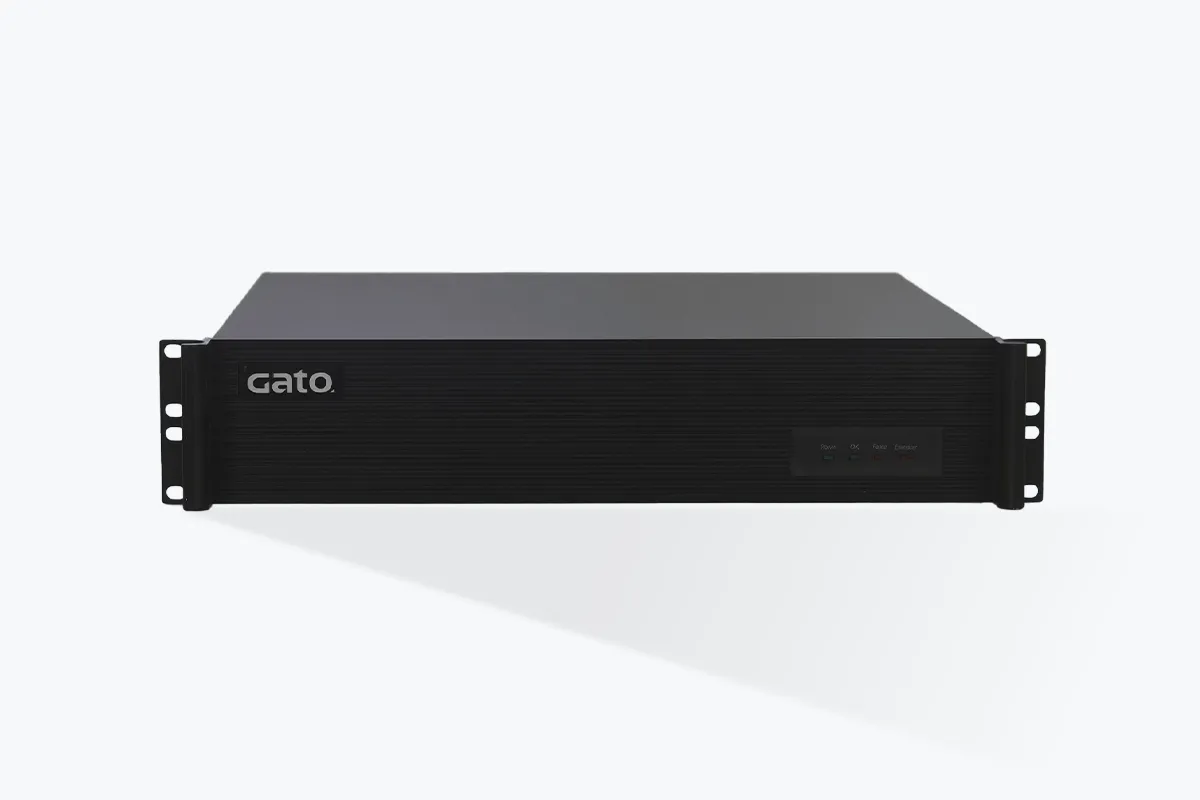
Gato uses F5 zone-based fiber sensing and F7 distributed acoustic sensing (DAS) to detect cutting and climbing attempts along solar farm fences. Passive sensing fiber reduces the need for powered detectors along remote boundaries. F7’s AI models help filter environmental interference, while zone-based and location-based alarms guide security teams to the affected fence section. E3 DTS can be added where selected power cables require temperature monitoring.

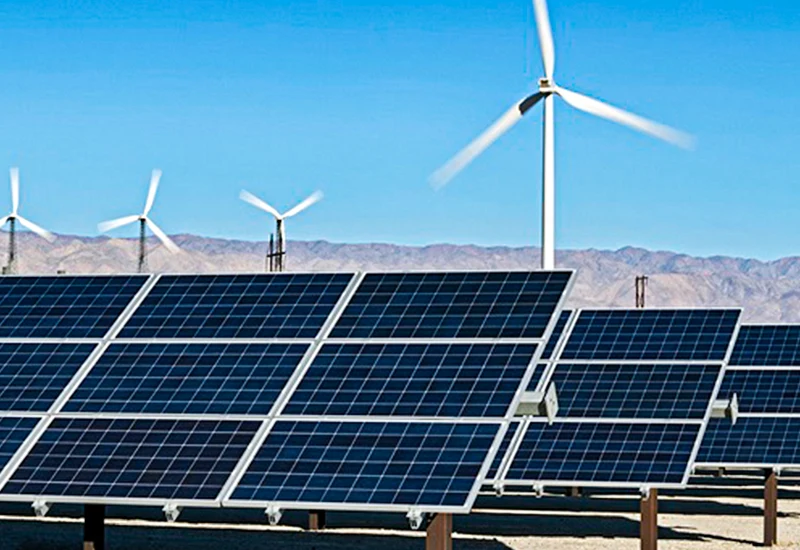
Large-scale solar (PV) power plant installed on the ground

Detect Fence Cutting and Climbing Attempts

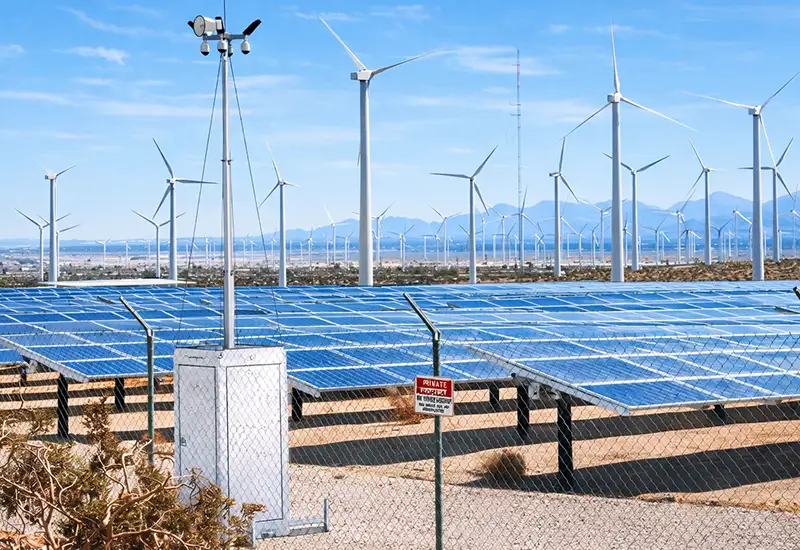
Photovoltaic (PV) power plant in the desert

Monitor Remote Perimeters with Passive Fiber

Reduce Nuisance Alarms and Locate Intrusions

Reduce Nuisance Alarms and Locate Intrusions

Applications

Utility-Scale Ground-Mounted PV Plants

Utility-Scale Ground-Mounted PV Plants

Large ground-mounted solar farms have extensive fencing around solar arrays, inverter stations and cable routes. F5 provides zone-based detection along divided fence sections, while F7 monitors longer boundaries and locates intrusion events. Alarm locations can be matched to site access roads to help security teams reach the affected area.

Desert and Arid-Region PV Plants

Desert and Arid-Region PV Plants

Desert solar farms often operate with few on-site guards, while strong winds and wildlife can interfere with perimeter alarms. Passive sensing fiber reduces the need for powered detectors along remote fences. F7's AI models can be configured using site-collected data to help filter background vibrations.
Hilly and Irregular-Terrain PV Plants

Hilly and Irregular-Terrain PV Plants

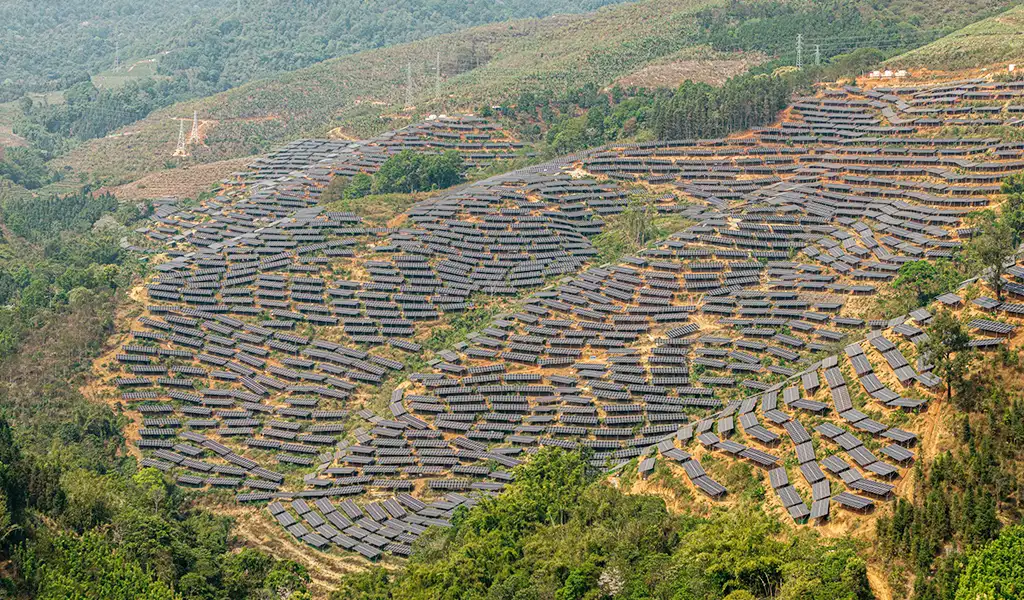
Solar farms built across hills and valleys often have winding fences that are difficult to inspect from a single location. Fiber optic sensing can monitor suitable fence sections across changing terrain, while location-based or zoned alarms help guards identify where to investigate and which access route to use.
Case Studies

Why Choose Us

Renewable Energy Customer and Integrator Experience

Gato has participated in an E3 supplier evaluation with a Spanish renewable-energy provider and F7 configuration discussions with a Brazilian solar-security integrator, providing relevant experience with solar-sector monitoring requirements.

In-House Development and Manufacturing

Established in 2004, Gato develops its sensing hardware and software in-house and operates its own manufacturing facility. Customers can arrange factory visits and audits to evaluate its production capabilities.

Pilot and Small-Batch Order Support

Gato supports evaluation orders and small-batch purchases, allowing solar security integrators and project teams to assess equipment before committing to larger deployments.

How We Deliver

1

Site and Risk Review

Review perimeter length, fence construction, terrain, vegetation, access roads, wildlife, patrol conditions, communication availability and any assets requiring temperature monitoring.

2

Coverage, Zoning and Integration Design

Define F5, F7 or E3 deployment areas, channel ranges, alarm zones, sensing-cable routes, communication architecture, platform interfaces and bill of materials.

3

Commissioning and Handover Support

Support baseline collection, representative intrusion testing, alarm-location verification, temperature-alarm testing where applicable, interface validation, operator training and acceptance documentation.

Request a Solar Farm Monitoring Design Review

Share the PV capacity, perimeter length, terrain, fence type, staffing model and existing security platform. If temperature monitoring is required, identify the cable routes or assets to be monitored.

    Frequently Asked Questions

    Usually, but the existing fence should first be checked for stability, damaged mesh, loose posts, uncontrolled vegetation, and sections that move excessively in normal weather. The cable route must also be protected from maintenance vehicles, mowing equipment, livestock, and future civil work. Where the fence condition varies around the site, the solar farm perimeter security system may require different installation approaches for different sections.

    The sensing cable itself may be passive, but the host equipment, communications, monitoring platform, and any supporting devices still require power. Continued monitoring during an outage therefore depends on the project’s backup-power and network design. The required operating duration and alarm-reporting method should be defined during design rather than assumed from the use of passive fiber along the fence.

    The maintenance team should identify and secure the affected section, then use a suitable fiber repair or replacement method for the installed cable. Connections must be protected against the local environment and accidental mechanical damage. Before the route is returned to service, optical condition, alarm-location mapping, and representative fence events should be checked. Keeping route drawings and approved repair materials on site can shorten recovery time.

    F5 is suitable for segmented boundaries where zone-level alarms are sufficient, subject to confirmation of the selected F5 configuration. F7 is suited to long perimeters requiring event location and is available in single- or dual-channel configurations with 5 km, 15 km, 25 km or 50 km per channel. Final selection depends on the perimeter layout, required alarm resolution and cable-route design.