
F7 Fiber Optic Intrusion Detection System
Combines distributed acoustic sensing (DAS) with AI-powered event recognition to detect and locate intrusions along long perimeters while helping distinguish intrusion activity from environmental interference.
Core Advantages
Fully Embedded Architecture
Integrates signal acquisition and processing into a single device, enabling up to 10× faster signal processing, reduced data loss, and more accurate intrusion detection. Total system power consumption is below 100 W.
AI-Powered Intrusion Detection
Combines preconfigured AI models with custom training using field-collected intrusion and interference samples to identify intrusion events and filter environmental interference.
High-Precision Intrusion Localization
Locates intrusion events with positioning accuracy as precise as ±1 m.
Up to 140 km Perimeter Coverage
Supports up to 70 km per channel and 140 km across two channels, reducing the number of monitoring units needed for long perimeters.
±1 m
Positioning Accuracy
140 km
Maximum Range · Dual Channel
2
Max Channels
How It Works
01 / TECHNOLOGY
DAS Sensing Technology
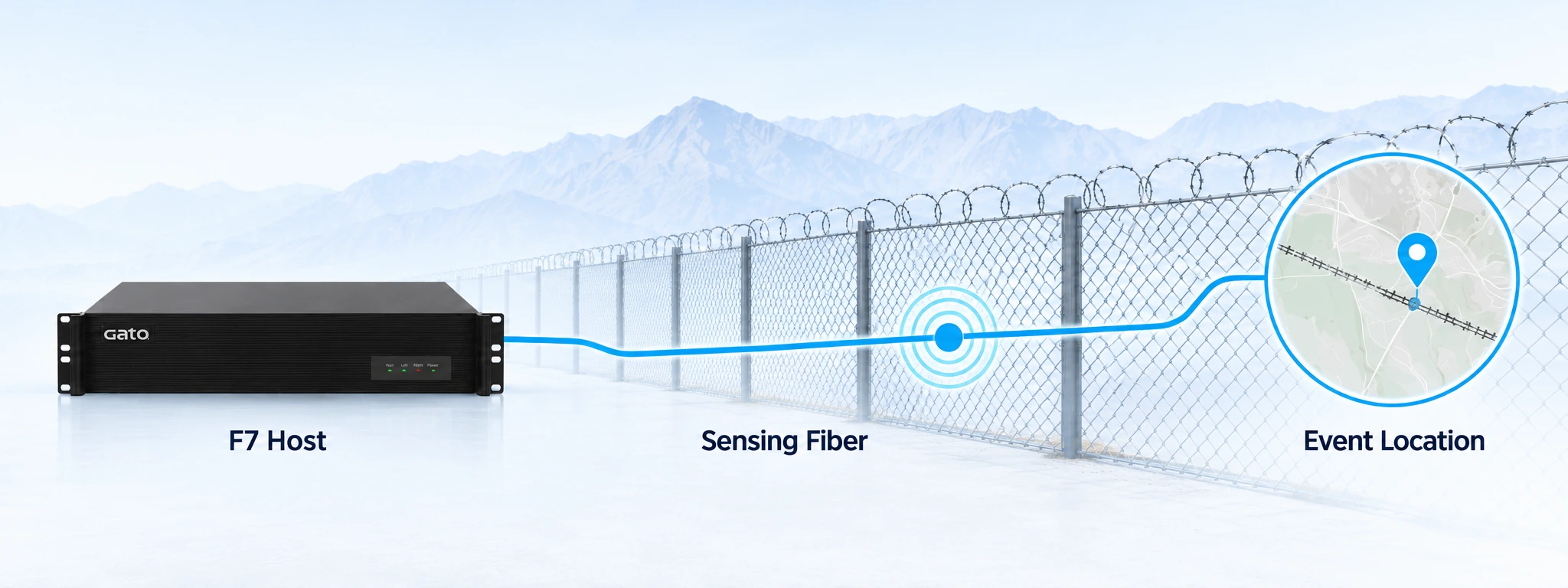
Uses distributed acoustic sensing (DAS) to detect and locate intrusion-related vibrations along an optical fiber.
F7 uses distributed acoustic sensing (DAS) to detect vibrations along an optical fiber. By analyzing changes in backscattered light, the system identifies and locates intrusion events. It analyzes vibration patterns across time, location, and frequency to help distinguish intrusion activity from environmental interference.
02 / FENCE INSTALLATION
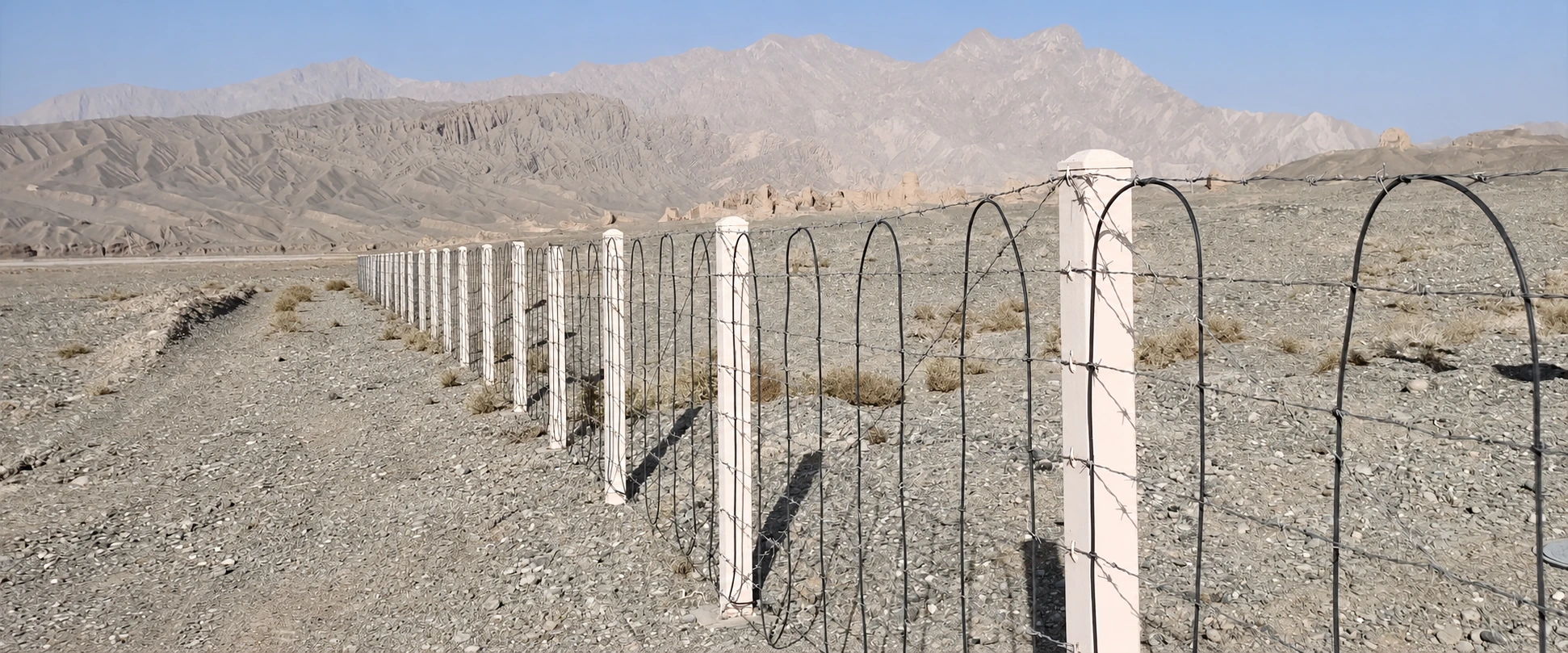
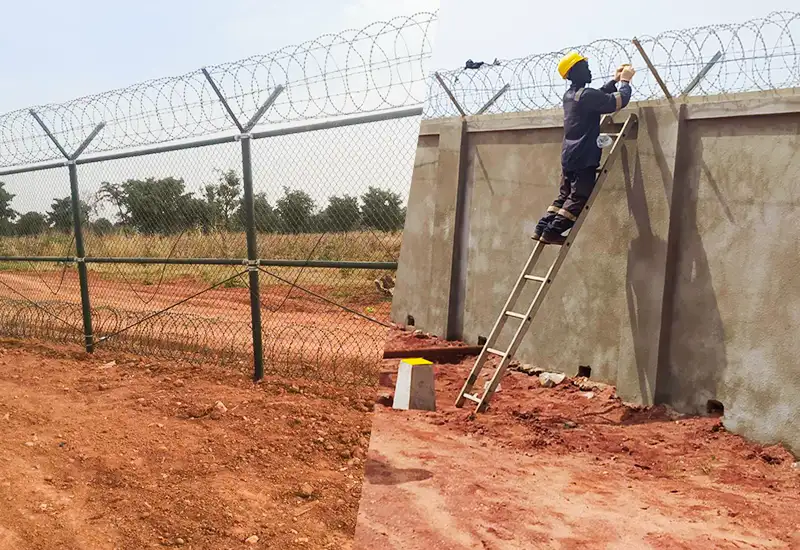
Fence-Mounted Sensing
Detects intrusion-related vibrations through sensing fiber installed on perimeter fences.
03 / BURIED INSTALLATION
Buried Fiber Sensing
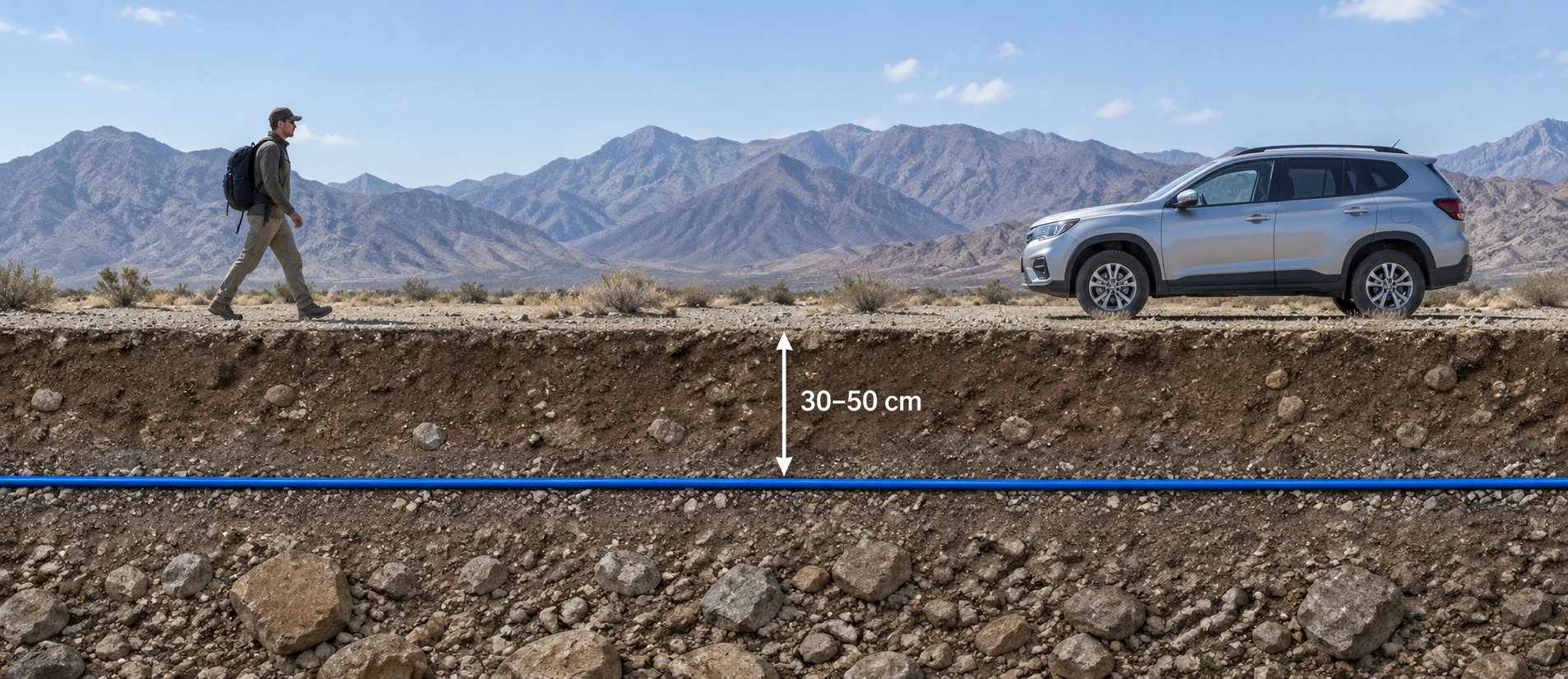
Detects ground vibrations from people, vehicles, and digging through buried sensing fiber.
Buried at a typical depth of 30–50 cm, the sensing fiber detects ground vibrations from people, vehicles, digging activities, and heavy machinery. Concealed sensing helps protect perimeters without visible sensing cables above ground.
System Components

F7 Host Unit
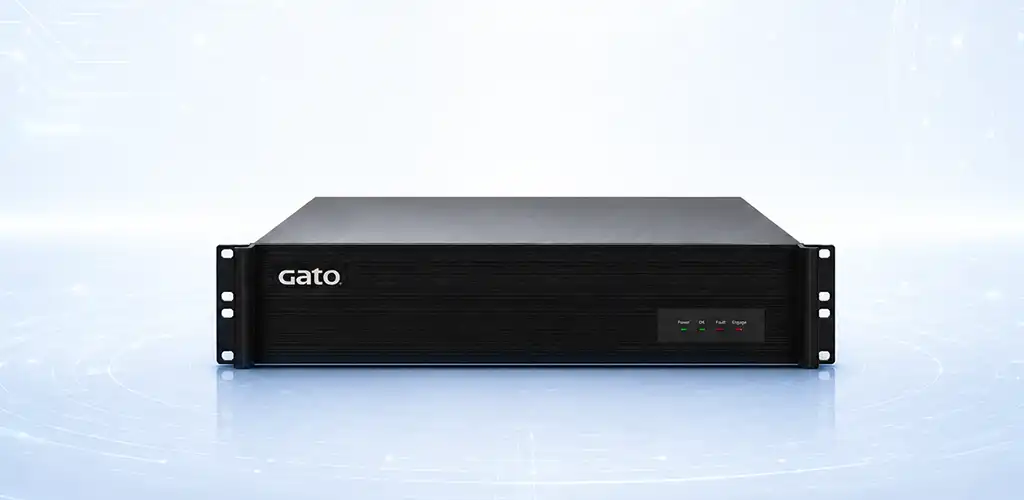
The F7 host unit analyzes signals from the sensing fiber to detect and locate intrusion events and generate alarms. Single- and dual-channel models are available for different perimeter layouts. Two independent 100/1000 Mbps Ethernet ports provide physical separation between internal and external networks.
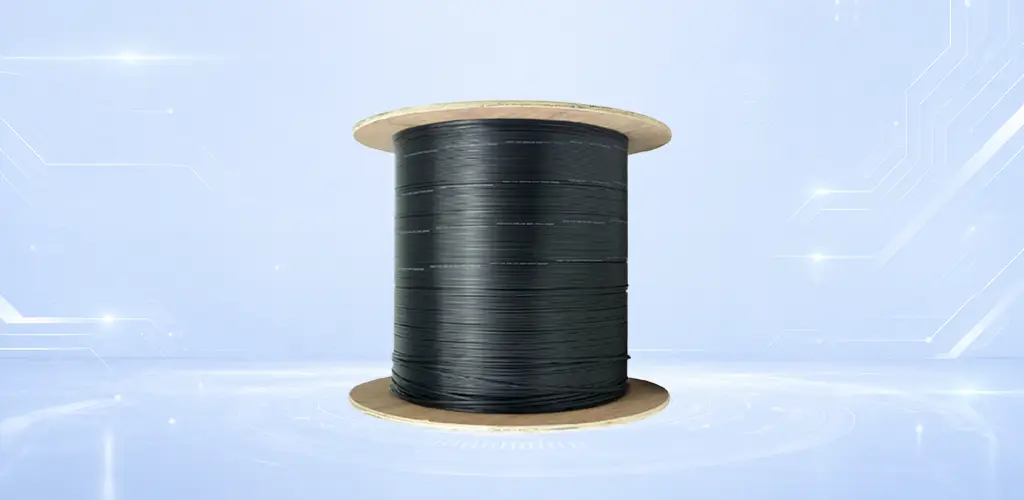
Sensing Cable & Accessories
The passive sensing cable is installed along fences or buried routes to detect vibrations without requiring power along the sensing path. Optical jumpers and splice accessories are selected to suit each installation.

Management Software
The browser-based software displays alarm locations on electronic maps, along with real-time and historical waveforms and event records. Operators can configure detection zones, adjust alarm thresholds, schedule arming and disarming, and manage whitelists and excluded areas. The F7 also supports video-linked alarm verification and integration with other security devices for coordinated alarm management.
Certifications
CE
CE Marking
FCC
FCC Compliance
Compliance documentation for the U.S. market.
Case Studies

Niger–Benin Pipeline Station Perimeters
Project Challenge
Eleven stations along the Niger–Benin Pipeline required perimeter intrusion detection across geographically dispersed locations.
F7 Solution
Gato deployed 11 F7 fiber optic intrusion detection systems across 11 stations, protecting approximately 1 km of perimeter at each location.
Project Highlights
Eleven independent F7 deployments provide perimeter monitoring across geographically dispersed stations, with approximately 1 km protected at each location.

Zinder Refinery, Niger
Project Challenge
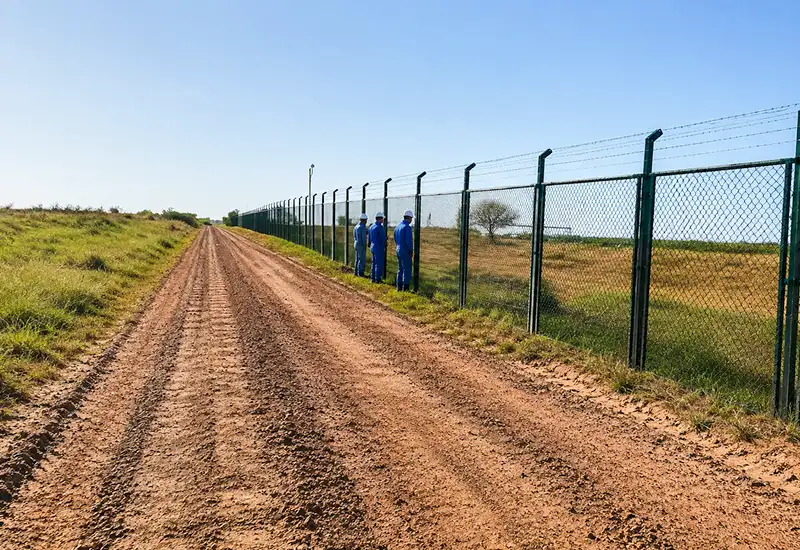
The Zinder Refinery required perimeter intrusion detection along its extensive fencing in a remote location exposed to demanding weather conditions.
F7 Solution
Approximately 15 km of F7 sensing cable was installed along the refinery's 8 km perimeter, using a fence-mounted fiber optic detection system.
Project Highlights
The installation uses approximately 15 km of sensing cable to monitor an 8 km perimeter, highlighting the importance of actual cable routing when planning large-scale fence protection.

Oman PV Industrial Park
Project Challenge
A large photovoltaic industrial park in Oman required perimeter intrusion detection across its extensive site boundary.
F7 Solution
Gato installed its F7 fence-mounted fiber optic sensing system along approximately 11 km of perimeter fencing.
Project Highlights
The fence-mounted sensing fiber provides continuous monitoring along the site boundary without requiring individual powered detection devices along the sensing route.
Frequently Asked Questions
What is the difference between DAS and traditional perimeter intrusion detection systems?
Unlike conventional systems that rely on individual sensors installed at fixed locations, distributed acoustic sensing (DAS) uses optical fiber as a continuous sensing element. This reduces the need for multiple detection devices along extended perimeter routes.
Can the F7 use existing fiber optic cables?
The suitability of existing fiber depends on its type, condition, routing, and connection requirements. A technical assessment is recommended to determine whether the available fiber infrastructure can support the intended installation.
What factors affect DAS detection performance?
Detection performance can be influenced by installation conditions, cable placement, environmental vibrations, and site-specific activity. Proper installation, detection zone configuration, and on-site calibration help optimize system performance.
How should sensing cable length be calculated for a perimeter project?
The required cable length depends on the actual installation route, not just the physical perimeter length. Fence layout, cable routing, and installation requirements should all be considered when estimating cable length.
Do fiber bends and splices affect DAS performance?
Yes. Excessive bending and poor-quality splices can introduce optical loss, which may affect signal quality and detection performance. Proper cable routing, bend radius control, and fiber splicing are important for reliable operation.
Can the F7 integrate with existing CCTV and security systems?
Yes. The F7 supports video-linked alarm verification and connections to other security devices. Integration options depend on the existing system and its interface requirements. Gato's technical team can help assess compatibility and recommend a suitable configuration.
What are the system's power requirements?
Power requirements vary by sensing range and system configuration. Configuration-specific power specifications are available during project planning.
How can I choose the right F7 configuration for my project?
The appropriate configuration depends on perimeter length, cable routing, installation method, and required location accuracy. Sharing your site layout and monitoring requirements with Gato's technical team can help determine the suitable system configuration.
Obtain a Free Plan for Perimeter Security
Give us the specifics of your project, and our engineers will create a tailored solution.
Reply within 24 hours. Your information is secure.


