Blogs

Energy-Efficient PIDS Security Systems
Blogs

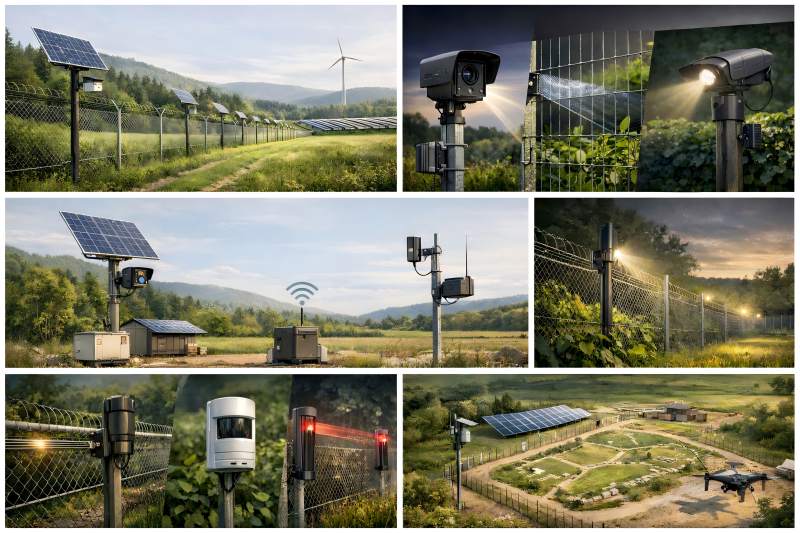
Green and Energy-Efficient PIDS Security Systems: Solar Power and Low-Consumption Designs

As energy costs rise and ESG reporting becomes standard, security managers must protect long, remote perimeters while reducing their environmental footprint. Modern PIDS help by using solar power, low-consumption sensors, smart lighting, and efficient analytics to deliver greener, more cost-effective security. Why Sustainability Matters in Perimeter Security The physical security industry is moving quickly toward sustainability. Major manufacturers, integrators, and end-users are aligning security investments with environmental, social, and governance (ESG) goals, aiming to reduce energy use and hardware waste without compromising safety. Key drivers include: Energy costs and carbon footprint – Always-on cameras, lighting, and servers can consume significant power. Green security aims to reduce this load through efficient hardware and smarter operation. ESG and stakeholder expectations – Investors, regulators, and customers increasingly expect security systems to support sustainability initiatives, not work against them. Difficult power access – Remote solar farms, wind parks, pipelines, and substations may lack reliable grid infrastructure, making low-consumption, solar-powered PIDS not just “nice to have,” but essential. In this context, designing PIDS as a green, energy-efficient platform is both a security decision and a strategic sustainability choice. What Makes a PIDS “Green” and Energy-Efficient? A Perimeter Intrusion Detection System (PIDS) is any system deployed outdoors to detect attempts to breach a protected boundary—typically using fence-mounted sensors, buried detection, radar, or beams. A green PIDS has three main characteristics: Low operational power – Sensors, cameras, communication modules, and controllers are chosen and configured to use minimal energy, often suitable for solar or hybrid power. Some fiber-optic and fence-mounted systems are specifically designed with low-power electronics and optional battery backup. Efficient infrastructure – Long-range or wide-coverage devices reduce the number of poles, cabinets, and trenching needed, cutting both material and energy use. Radar- and AI-based perimeter solutions, for example, can cover hundreds of meters from a single unit, requiring fewer powered points. Smart, event-driven operation – Instead of running everything at full power 24/7, green PIDS focuses on event-based recording, analytics, and lighting—saving energy while keeping security strong. Key Energy-Efficient PIDS Components Fence-mounted fiber-optic sensors – Use light instead of copper, support long runs, and can monitor an extended fence line from a few head-end units. Low-power radars and wide-area sensors – Offer long detection ranges with low power and bandwidth requirements, minimizing field infrastructure. Solar-powered IR beams and motion sensors – Provide intrusion detection across gates, paths, and open areas without grid power. LED perimeter lighting with motion control – Uses far less power than old sodium or halogen lights; can be triggered only on alarm or presence. Video analytics and H.265/H.265+ compression – Reduce server load and storage capacity needed while preserving forensic-quality video. Conventional vs Green PIDS at a Glance Aspect Conventional PIDS Green / Energy-Efficient PIDS Power Source Grid-only, often oversized Solar, hybrid, or optimized grid usage Field Hardware Many short-range devices Fewer long-range sensors and radars Lighting Always-on perimeter lighting LED + motion / event-based control Data & Storage Continuous recording, older codecs Event-driven recording, advanced compression Sustainability Impact High energy and material footprint Designed to minimize energy use and waste Solar-Powered PIDS: Off-Grid and Sustainable Many contemporary green PIDS architectures are powered by solar energy. Solar-powered beams, radars, and fence-mounted sensors make it possible to protect remote or off-grid perimeters with minimal environmental impact. How Solar-Powered PIDS Work A typical solar-powered PIDS field point includes: Solar panel sized for local irradiance and load Charge controller to manage charging and protect batteries Battery pack (often lithium or AGM) sized for several nights of autonomy Low-power sensor(s) – IR beams, motion sensors, small cameras, or radar Wireless communication to a central gateway or receiver Commercial solar-powered perimeter alarms demonstrate what’s possible: long-range wireless beams and siren units powered entirely by solar energy, with field devices up to several hundred feet apart and communication ranges reaching 3000 ft or more. Similarly, solar-powered vibration detection and fence-mounted systems are now offered by specialized perimeter security vendors, enabling energy-efficient intrusion detection without trenching power cables along the fence. Partnerships between solar pole manufacturers and radar-based perimeter providers have also made fully off-grid, solar-powered radar PIDS a reality, combining advanced detection with clean energy. Ideal Use Cases for Solar PIDS Solar-powered PIDS solutions are especially effective for: Solar farms and renewable energy plants – Using green power to protect green energy assets is both symbolic and practical; radar, buried sensors, and fence detection can be powered from solar poles. Remote farms, ranches, and estates – Solar beams and wireless receivers secure driveways, fence lines, and barns where grid power is unavailable or expensive. Pipelines and remote infrastructure – Off-grid or hybrid PIDS nodes along a pipeline or access road can integrate into a central command center via cellular or radio links. Temporary or mobile deployments – Construction sites, temporary storage yards, and event perimeters can be protected without permanent power infrastructure. In all these scenarios, solar-powered PIDS reduce cabling, trenching, and connection to utility power, shrinking both project CAPEX and environmental impact. Low-Consumption Designs Across the PIDS Stack Green PIDS are not only about solar panels. The full stack—sensors, computing, communications, and management—must be optimized. Low-Power Sensors and Electronics Manufacturers increasingly design fence sensors and processing units to use minimal power while maintaining high detection sensitivity. For example, fiber-optic fence sensors can cover long distances with a single controller, reducing the number of powered enclosures in the field. Energy-efficient sensor types include: Passive infrared (PIR) sensors – Known for their simplicity and low power draw, commonly used for presence detection around perimeters. Photobeam/IR barriers with sleep modes – Designed to operate at microamp standby currents, waking into full power only when sampling or alarming. Long-range radars with low bandwidth – Some radar-based perimeter solutions emphasize low power and minimal data transmission, making them well suited for solar and wireless deployments. Smart Power Management and Edge Computing Intelligent power management dramatically reduces total energy use: Event-driven activation – Cameras record at full frame rate only when a PIDS event occurs; otherwise, they operate at lower rates or in standby. Edge analytics – Processing video and sensor data at the edge reduces bandwidth and storage requirements. Modern VMS platforms highlight edge analytics and advanced compression
Optimize Fence Security System
Blogs

Using Fence Security Systems to Reduce Guard Costs and Improve Incident Response

Security guards are often one of the largest recurring expenses in a physical security budget. At the same time, many sites still struggle with slow incident response, missed events, and blind spots along the fence line. Modern fence security systems—combining sensors, cameras, analytics, and remote monitoring—offer a way out of this trade-off: better security at a lower long-term cost. This article explains how to use fence security systems to reduce dependence on manned patrols, cut guard costs, and dramatically improve incident response. Why Guard-Only Security Is So Expensive (and Limited) Traditional security models rely on on-site guards patrolling the perimeter, watching gates, and responding when something “looks wrong.” The problem is that this approach scales badly: You pay for 24/7 staffing: wages, overtime, benefits, and training. Coverage is naturally constrained because guards can only be in one location at a time. Night shifts and large perimeters often lead to fatigue and missed events. Industry comparisons show that fully manned gate or perimeter guard setups can cost well into six figures per year per site, while virtual/remote guarding or automated systems typically cost a fraction of that—often 40–90% less over the long term. At the same time, modern perimeter systems (fence sensors, cameras, analytics, and integrated alarms) are designed to detect, verify, and escalate incidents in a consistent way, without fatigue or distraction. What a Fence Security System Actually Does A fence security system is more than just a physical fence. It’s a layered detection and response platform built around the fence line. A typical solution combines: Fence-mounted intrusion detection (PIDS/FIDS): vibration, fiber-optic, or microphonic sensors detect cutting, climbing, or lifting of the fence. Perimeter video: fixed and PTZ cameras monitor the fence line and integrate with video management systems (VMS). Perimeter lighting: supports both deterrence and clear video images. Analytics and AI: distinguish people from animals or weather, reducing false alarms. Alarm and event management: rules and workflows route alarms to local guards or remote monitoring centers. When designed properly, the fence becomes an intelligent tripwire: as soon as someone touches or approaches it, the system detects, verifies, and triggers a defined response. How Fence Systems Reduce Guard Costs Replace Continuous Patrols with Event-Driven Monitoring One of the biggest cost advantages comes from shifting from time-based patrols to event-driven response. Instead of guards walking the fence every 30–60 minutes, the fence itself is continuously monitored by sensors and cameras. Guards—either on-site or remote—only react when: A fence sensor triggers an alarm Video analytics detect a person breaching the perimeter A rule (e.g., after-hours motion in a no-go zone) is violated Remote and virtual guarding studies show that using smart surveillance and integrated alarms allows a much smaller team to monitor more sites, near-continuously, at a far lower cost than full manned coverage. Consolidate Guard Posts With an automated fence line: You may no longer need a guard at every gate or perimeter tower. One guard in a control room (or a remote monitoring center) can handle multiple entrances and dozens of cameras. Some sites move from three guards per shift to one supervisor plus remote monitoring, cutting on-site headcount significantly. Case studies from remote perimeter monitoring providers show annual cost reductions of 50–80% when replacing or downsizing 24/7 guard posts with integrated perimeter systems and remote operators. Lower Indirect Costs and Risk Electronic fence security also reduces “hidden” guard costs: Fewer incidents (trespass, theft, vandalism) due to earlier detection and stronger deterrence Lower liability from guard errors, fatigue, or confrontations Potential insurance benefits for sites with documented perimeter protection and video coverage When incidents are caught at the fence instead of inside the facility, loss severity and downtime fall, further strengthening the financial case. Simple Cost Comparison (Illustrative) Model Staffing / Operation Typical Cost Profile* Guard-only perimeter Multiple guards per shift; full patrols Very high annual OPEX (wages, overtime) Hybrid: guards + fence system Smaller on-site team, event-driven patrols Medium OPEX + moderate CAPEX Remote/virtual guarding Minimal or no on-site guards Low OPEX; higher CAPEX, strong ROI *Exact numbers vary by country and site, but multiple industry examples show virtual/perimeter-based models at 40–80% lower annual cost than guard-only setups. How Fence Systems Improve Incident Response Cutting costs is not enough; security also needs to get better. Well-designed fence systems do exactly that by enabling earlier detection, clearer verification, and faster, more coordinated response. Detect Earlier—At the Edge of the Site Perimeter intrusion detection systems (PIDS) are designed to detect intruders at the earliest possible moment—when they attempt to climb, cut, lift, or tunnel near the fence. This has two big advantages: You gain time to respond before an intruder reaches critical assets. You reduce the number of “mystery alarms” inside the site, because most incidents are triggered and verified at the boundary. Guidance on modern perimeter systems emphasizes that early perimeter detection plus integrated video gives security teams crucial minutes to assess and respond, often before incidents escalate. 4.2 Automate the First Response When a fence sensor or analytic rule triggers, the system can automatically: Pop up the relevant camera views on a video wall Zoom PTZ cameras to the alarm location Activate strobe lights or sirens at the fence Lock or restrict access at nearby gates Send push notifications and snapshots to guards’ mobile devices Automation removes seconds—or even minutes—of delay that happen when guards must manually search for the right camera and decide what to do. It also ensures consistent responses every time, independent of who is on shift. 4.3 Provide Clear, Actionable Information Modern systems don’t just beep; they contextualize incidents: Video analytics highlight people and vehicles, filtering out animals, rain, or foliage movement. Maps or dashboards show exact zones and sensor IDs for each alarm. Event logs record who acknowledged what, when, supporting audits and investigations. This clarity helps guards make faster, better decisions, while supervisors can refine procedures based on real data. Before vs After Fence System Deployment Step Guard-Only Model With Fence Security System Detection Guard on patrol spots something (or not) Fence sensor or analytics auto-detects an intruder Verification The guard walks / drives to check the area Camera auto-positions;

Fence Security System Layout to Eliminate Blind Spots
Blogs

How to Optimize Fence Security System Layout to Eliminate Blind Spots

Designing a strong fence is only half the job. If your security system layout leaves blind spots—areas that cameras, sensors, or lighting don’t properly cover—intruders will find and exploit them. A well-planned fence security system focuses on continuous, overlapping coverage so every meter of perimeter is monitored and verified. This guide walks you through how to design or upgrade your fence security layout so blind spots are found and eliminated before criminals find them. Start with a Perimeter Risk Assessment Before placing a single camera or sensor, you need a clear understanding of the perimeter you’re protecting. Key steps: Map the property: Create a scaled plan showing fence lines, corners, gates, access roads, parking areas, loading bays, and nearby buildings. Identify high-risk zones: Focus on secluded areas, poorly lit stretches, blind alleyways, and spots near public roads or neighboring buildings where intruders can hide or stage tools. Note environmental constraints: Trees, slopes, walls, containers, metal structures, and water can affect camera views, IR/microwave sensors, and RF interference. Check existing systems: Document current cameras, fence sensors, motion detectors, lighting, and alarm routes. Mark where alarms frequently occur and where incidents have already happened. This assessment becomes the foundation for all layout decisions. It also helps you justify budget and technology choices later. Understand Where Blind Spots Come From Blind spots are not random; they usually come from predictable design issues. Recognizing these makes them easier to remove. Common causes of fence blind spots: Camera fields of view that don’t overlap or are aimed incorrectly “Dead zones” directly under cameras or behind posts and columns Corners and turns where cameras or sensors don’t fully cover the angle Dark stretches of fence due to uneven lighting or burned-out fixtures Vegetation, parked vehicles, containers, or signage blocking sensors Elevation changes (slopes, mounds, ditches) affecting line-of-sight sensors Poorly routed cabling for fence-mounted systems creates gaps in detection A good layout deliberately addresses each of these. Quick Reference: Typical Blind Spot Sources & Fixes Blind Spot Source Typical Cause Primary Fix Under cameras (“dead zone”) Camera mounted too high/close Overlapping camera or adjusted angle Dark fence stretch Poor lighting, spacing, or glare Even overlapping lighting along the fence Corners & gate posts Single device tasked with two angles Dedicated corner/gate camera or sensor Vegetation & clutter No clear zone near the fence Maintain a vegetation-free strip Sensor gaps on the fence Incorrect zone lengths or routing Re-segment sensors; follow manufacturer spec Segment the Perimeter into Independently Monitored Zones Instead of treating the fence as one long line, divide it into zones—straight runs between corners, gates, or key structures. Many regulatory and design guides recommend segmenting the perimeter so each zone can be independently monitored and alarmed. For each zone, define: Zone length: Based on sensor/cable limitations and camera performance. Zone type: Straight run, corner, gate, or high-risk section. Target detection method: Fence-mounted sensors, buried cable, IR beams, or a combination. Assessment method: Fixed cameras, PTZ (pan-tilt-zoom) cameras, thermal cameras, or on-site response. Zoning makes it easier to pinpoint alarm locations, reduces the chance of long, unmonitored stretches, and simplifies maintenance and troubleshooting. Design Overlapping Camera Coverage Cameras are your primary verification tool, so their placement is critical for eliminating blind spots. Use Overlapping Fields of View Best-practice guidance recommends overlapping camera coverage zones so one camera’s field of view includes the blind spot of the next camera. Practical tips: Overlap 10–20% of coverage: Where one camera’s view ends, the next should already be watching. Cover camera “dead zones”: The area directly below each camera is usually a blind spot; ensure the next camera covers this region. Use complementary lenses: Combine wide-angle cameras (for general perimeter tracking) with narrow-angle or PTZ cameras (for high-detail identification at gates and choke points). Optimize Height and Angle Camera height and angle have a huge impact on coverage: Mount cameras at a sufficient height (e.g., 4 m or higher on poles or buildings) and tilt them downwards to reduce sky and maximize ground coverage. Aim fields of view parallel to the fence line and perpendicular to expected intruder movement—this gives longer tracking time and better detection probability. Avoid placing cameras so close to the fence that they only see a narrow strip; you want enough depth to track movement on both sides. Plan Fence Sensor Layout for Continuous Detection Fence-mounted perimeter intrusion detection systems (PIDS/FIDS) can detect climbing, cutting, or lifting attempts along the fence line. To eliminate blind spots, the sensor layout must be as continuous as the fence itself. Follow Sensor Zoning and Cable Rules Guidance for barrier-mounted systems generally recommends: Only the sensor cable should be mounted on the fence; other cabling should, where possible, be at a stand-off to reduce vulnerability and noise. Design clear detection zones and keep within the maximum zone length recommended by the manufacturer to maintain sensitivity and avoid weak spots. Use a clear zone along the fence—free of vegetation, debris, and adjacent objects—to prevent interference with sensor performance and reduce false alarms. Combine Technologies for High-Risk Areas A dual-layer approach—combining fence-mounted detection with secondary technologies (e.g., buried cable, IR beams, radar, or thermal cameras)—can cover blind spots in very high-risk zones or complex terrain. Examples: Fence-mounted sensor + thermal camera at remote, dark perimeter stretches Fence-mounted sensor + microwave barrier across open ground near a road Fence-mounted sensor + active IR beams at vehicle gates and side entrances Layering ensures that if one technology is temporarily degraded (e.g., by heavy wind or rain), another still provides coverage. Use Strategic Lighting to Remove Dark Zones Even the best cameras and sensors struggle when visibility is poor. Proper perimeter lighting is essential to remove hiding places and support video analytics. Key principles: Uniform illumination: Avoid “spotty” pools of light separated by darkness. Even, continuous lighting reduces shadows and hiding places. Overlap light beams: Space lights so each beam reaches into the next, similar to camera overlap, to eliminate dark gaps along the fence. Control glare: Too much glare reduces camera image quality and makes it hard for guards to see. Select fixtures and angles that light the fence line, not the

Fence Alarm System
Blogs

What is a Fence Intrusion Detection System?

Advanced Fence Intrusion Detection Systems (FIDS) provide real-time solutions to prevent unauthorized access and threats. Gato Security leads with innovative FIDS solutions for enhanced perimeter security, offering rapid responses, precise monitoring, and seamless integration with other technologies. This article covers what FIDS are, how they work, and their applications. What is a Fence Intrusion Detection System? A Fence Intrusion Detection System (FIDS) is a sophisticated security solution designed to monitor the integrity of a perimeter fence. It detects and alerts security personnel about any unauthorized activity along the fence, such as climbing, cutting, or moving along it. This proactive system serves as the first line of defense against intruders, particularly in sensitive or high-risk areas where physical barriers alone are not enough to prevent breaches. FIDS use various detection technologies to monitor the perimeter, including vibration, acoustic, fiber optic sensors, and infrared beams, which allow them to detect even the slightest disturbances. These systems are essential for protecting crucial infrastructure, military installations, power plants, and borders. Gato Security specializes in offering adaptable FIDS solutions that include cutting-edge technology to improve its clients’ operational effectiveness and security. How Do Intrusion Detection Systems for Fences Operate? The operation of a FIDS involves the use of sensors placed along the fence to detect any abnormal movement or changes in environmental conditions. These sensors communicate with a central control system that evaluates the data and triggers an alert when a potential intrusion is detected. Subsection A: Sensing Technologies There are several technologies used in FIDS that allow them to detect disturbances along the fence line. Some of the most common technologies include: Technology Working Principle Advantages Applications Vibration Sensors Detects movement through vibrations. Highly sensitive to small movements. Airports, government facilities. Fiber Optic Sensors Monitors changes in light signals within fiber cables. Accurate, highly secure. Critical infrastructure. Infrared Beams Uses infrared light to detect interruption. Quick detection in open areas. Border security, high-risk areas. Each of these technologies has a unique set of benefits, and the particular needs of the application determine which system is best. For example, Gato Security integrates fiber-optic sensors in high-security zones due to their robustness and precision, ensuring that intrusions are detected with minimal false alarms. Important Elements of a Fence Intrusion Detection System FIDS are made up of a number of essential parts that cooperate to offer complete security. These components include sensors, control panels, and power supply systems. Subsection A: Sensors The sensors are the heart of the system. They are responsible for detecting disturbances along the fence line. Depending on the technology used, sensors can detect vibrations, pressure changes, or even breakage in the fiber optic cables. Gato Security provides a range of sensor types, from basic vibration sensors to advanced fiber-optic sensing systems, each designed to meet the unique needs of different applications. Subsection B: Control Panels The control panel receives signals from the sensors, processes the data, and triggers an alert when an intrusion is detected. This central unit is also responsible for managing other aspects of the system, including system diagnostics, sensor calibration, and communication with other security systems, such as surveillance cameras and access control systems. Subsection C: Power Supply and Backup An uninterrupted power supply is essential for ensuring that the FIDS remains functional at all times. Backup power options from Gato Security enable the system to continue operating even in the event of a power interruption. This ensures that security is maintained without any interruption, especially in critical areas like power plants or military installations. Different Fence Intrusion Detection System Types In general, there are two types of FIDS: passive systems and active systems. Both types of systems offer distinct advantages based on the specific security needs. Subsection A: Passive Systems Passive systems rely on detecting natural disturbances in the environment, such as vibrations or acoustic signals, without emitting any signals of their own. These systems are typically less intrusive and more cost-effective, making them ideal for applications such as wildlife reserves or low-risk areas. Subsection B: Active Systems Active systems send out signals (e.g., infrared or microwave signals) along the fence and detect disruptions in these signals caused by intruders. These systems are appropriate for high-security settings like military installations, airports, and vital infrastructure since they are more sensitive and offer faster detection. System Type Description Example Use Case Advantages Passive Systems Detects disturbances without emitting any signals. Forests, wildlife reserves. Cost-effective, minimal maintenance. Active Systems Uses signals that are disturbed by intruders. Military bases, prisons. High accuracy, customizable. Gato Security offers both passive and active systems, allowing clients to choose the system that best fits their security needs and budget. Use of Intrusion Detection Systems for Fences Numerous applications in various industries employ FIDS. Among the most popular applications are: Section A: Essential Infrastructure FIDS are crucial for protecting vital infrastructure, including telecommunications centers, power plants, and water treatment facilities. These systems provide real-time alerts of any unauthorized access, ensuring that vital resources are protected. Section B: Military and Government Government buildings and military installations frequently need more security. FIDS play a crucial role in protecting these sensitive areas from potential threats and unauthorized intrusions. Subsection C: Industrial & Commercial In the industrial and commercial sectors, FIDS are used to protect warehouses, factories, and data centers from theft, vandalism, and other security breaches. Businesses may guarantee complete perimeter protection by combining FIDS with other security measures like access control systems and video cameras. Advantages of Using a Fence Intrusion Detection System There are several key benefits to implementing a fence intrusion detection system, including: Enhanced Security: Provides real-time detection of intrusions, allowing for a swift response. Cost-Effectiveness: Reduces the need for large security teams while maintaining high security levels. Deterrent Effect: Potential intruders are discouraged by the loud or visible alerts. Advantage Explanation Enhanced Security Provides immediate detection and faster response times. Cost-Effective Minimizes the need for human patrols or security guards. Scalability Easily expandable to cover large perimeters with minimal additional infrastructure. Gato Security ensures that all systems are scalable, allowing businesses to expand their

Pipeline PIDS System
Blogs

Pipeline PIDS Systems Explained: A Complete Guide by Gato Perimeter Security

Pipeline networks are critical assets that transport oil, gas, water, chemicals, and refined fuels across vast distances. Their remote locations and extended geographical coverage make them highly vulnerable to third-party interference, illegal tapping, excavation damage, sabotage, and environmental threats. Protecting these assets requires more than traditional monitoring—it requires real-time, intelligent intrusion detection. As a global manufacturer of perimeter intrusion detection technologies, Gato provides advanced Pipeline Intrusion Detection Systems (PIDS) designed to secure pipelines with unmatched accuracy, long-distance coverage, and rapid response capability. This article explains what a pipeline PIDS system is, how it works, the technologies involved, and why operators worldwide rely on Gato PIDS solutions for pipeline safety. What Is a Pipeline Intrusion Detection System (PIDS)? A Pipeline Intrusion Detection System (PIDS) is a specialised monitoring solution that detects, classifies, and locates any unauthorised activity occurring near or directly on a buried or above-ground pipeline. Unlike SCADA—which monitors internal pipeline conditions—PIDS focuses on external physical threats such as digging, machinery vibration, pipe tampering, illegal tapping, and ground movement. Gato PIDS systems provide real-time alerts to prevent: Pipeline ruptures Oil and fuel theft Environmental disasters Service downtime High repair and cleanup costs Why Pipeline Operators Need Gato’s PIDS Solutions Pipeline incidents often occur because threats are detected too late. Gato PIDS provides early warnings that prevent costly failures. Key Reasons Operators Deploy Gato PIDS Challenge Impact Without PIDS Gato Solution Unauthorized excavation Pipeline rupture, leaks Detects digging instantly Illegal tapping Fuel loss, contamination Recognises tapping & drilling patterns Remote terrain Hard to patrol 24/7 automated monitoring Heavy machinery Accidental damage Machine-type classification Environmental shifts Soil erosion, landslides Detects ground deformation How Gato Pipeline PIDS Works Gato’s detection process is built around accuracy, ultra-fast response, and intelligent event classification. Step 1 — Sensors capture external disturbances Vibration, acoustic energy, seismic activity, ground movement, or pipe contact. Step 2 — Gato’s analytics engine filters and analyses data Advanced algorithms eliminate noise (wind, animals, rain) and isolate real threats. Step 3 — Event classification The system differentiates between digging, drilling, footsteps, driving, or tampering. Step 4 — Exact location detection Gato PIDS pinpoints events along the ROW, often within ±10 meters. Step 5 — Instant alarm delivery Alerts appear on Gato’s unified platform and can integrate with: SCADA GIS CCTV Command centre dashboards Mobile devices Operators receive the information they need to respond immediately. Core Components of Gato Pipeline PIDS A full Gato system includes: Fibre optic or seismic sensors Signal processing and an AI classification engine Long-distance communication module Gato Command Platform (monitoring software) Solar or hybrid power units (optional) Integration APIs for SCADA and third-party systems Every component is optimised for pipeline-scale deployments. Gato PIDS Technologies for Pipeline Protection Gato offers multiple sensing technologies based on application requirements. Fiber Optic Sensing (DAS-Based) — Gato’s Flagship Pipeline Solution A fibre optic system transforms a single fibre cable into a continuous, real-time sensor. Capabilities: Detects walking, digging, drilling, tapping Covers 50–100 km per cable Locates intrusions with meter-level accuracy Immune to electromagnetic interference Requires minimal maintenance Ideal for: Long-buried pipelines, high-risk corridors, and oil and gas transmission lines Buried Sensors These sensors detect ground vibration patterns related to human activity or machinery. Ideal for: Short zones, ROW choke points, border areas Pipeline-Mounted Vibration Sensors Mounted directly to above-ground or exposed lines. Detects: Sawing Hammering Cutting Climbing vibration Ideal for: Terminals, meter stations, tank farms, exposed pipe sections Radar / Microwave Sensors Used for perimeter monitoring around pipeline facilities. Ideal for: Pump stations, block valve stations, compressor stations Technology Comparison Table Technology Coverage Range Sensitivity Best Application Limitations Fibre Optic DAS 50–100 km Very High Long pipelines Higher initial cost Buried Seismic Sensors 30–300 m High ROW corridors Requires a sensor network Vibration Sensors Local Medium Above-ground pipelines Not suitable for long distances Radar / Microwave 100–300 m Medium Facilities Not for underground threats Gato’s engineering team typically recommends fibre optic DAS for new pipeline protection projects due to its scalability and precision. What Gato PIDS Detects Gato systems are designed for multi-threat environments, capable of identifying different intrusion patterns with high accuracy. Threat Type Recognised Signal Pattern Manual digging Repetitive shovel impacts Mechanical excavation Engine vibration + hydraulic cycle patterns Illegal tapping Drilling or cutting resonance Walking / Running Distinct footstep signatures Vehicle movement Tire vibration + frame resonance Soil movement Slow subsoil deformation patterns Pipeline tampering Metal impact/surface contact Where Gato PIDS Is Deployed Gato pipeline intrusion detection systems support: Crude oil transmission pipelines Natural gas distribution and transmission Petrochemical pipelines Water and wastewater transmission lines Fuel distribution networks Mine slurry pipelines Industrial plant pipelines Remote block valve stations Tank farms and terminal pipeline connections Cross-border pipeline corridors Gato’s adaptability ensures effective protection in deserts, mountains, forests, urban zones, and offshore approach areas. Choosing the Right Gato PIDS System Gato provides pipeline operators with a tailored solution based on engineering requirements. Key Selection Factors Factor Details to Consider Pipeline Type Buried, above-ground, mixed terrain Distance Long-range or short-range corridor Threat Level Theft, excavation, sabotage, environmental Terrain Soil type, vibration noise, seismic activity Climate Extreme heat/cold, rain, wind, interference Integration SCADA, GIS, CCTV, command centre Maintenance Access Remote or accessible areas Budget & Lifespan 20-year lifecycle planning A Pipeline Intrusion Detection System is essential for protecting critical pipeline infrastructure from interference, theft, and environmental threats. Gato provides one of the industry’s most advanced PIDS portfolios, built on precision sensing technology, AI analytics, real-time monitoring, and long-distance scalability. With Gato PIDS, pipeline operators gain: Full visibility across their ROW Early detection of excavation, tapping, tampering, and ground movement Stronger environmental and operational safety Compliance with global safety regulations Reduced operational cost Reliable protection for 20+ years of pipeline service life Whether securing a 10 km industrial line or a 300 km national pipeline, Gato delivers the technology, expertise, and reliability required for modern pipeline protection.

Fence Alarm System
Blogs

What Is the Average Price for an Electric Fence?

Electric fences are increasingly popular in a variety of applications — from residential yards and pet containment to agricultural fields, livestock operations and security perimeters. As manufacturers, contractors and purchasers alike ask, “What’s the average price for an electric fence?”, it becomes critical to dig into cost-drivers, typical price ranges and how to estimate your own project. This guide will break down the numbers, factors and regional variation so you can approach buying or specifying electric fences with informed confidence. Factors That Affect Electric Fence Pricing Understanding the cost of an electric fence begins with the variables that drive price. Here are the key influences: Fence Length and Coverage Area The greater the linear footage or acreage to fence, the higher the material and labour cost. For example, a small residential yard might involve a few hundred linear feet; a large rural pasture could involve thousands of feet or multiple acres. Costs may drop per linear foot as scale increases (economies of scale), but overhead and site preparation may also increase. Type of Electric Fence System Aboveground (visible wire strands) vs underground/invisible systems (buried wire or collar-based pet fences). Permanent vs temporary installations (e.g., seasonal livestock paddocks). Number of strands of wire (single strand vs multi‐strand high-tensile). Heavy-duty livestock/ security fences vs lightweight pet fences. Each type brings its own cost footprint. Power Source and Energizer The energizer (aka charger) is a core component — cost varies by output, solar vs mains powered, battery backup, etc. For remote or off-grid applications, solar-powered energizers and battery backups add cost. Power supply routing, grounding, mounting and safety features also affect cost. Material Quality Wire (galvanized steel, high-tensile, polymer tape, polywire), insulators, posts (wood, steel “T” posts, fibreglass) and gates all vary in cost by grade and durability. High-spec materials (for example, predator-proof fencing, heavy livestock use) cost more up front but may yield lower maintenance long-term. Installation Method DIY vs professional installation: hiring contractors adds labour cost but may ensure code compliance, better workmanship, and warranty. Terrain (rocky, sloped, dense vegetation) adds cost for post driving, clearing, and trenching (for buried systems). Permits, inspections, and landscaping restoration (after fencing work) may increase cost. Average Electric Fence Cost Breakdown (2025 Estimates) Based on recent statistics, these are average cost ranges (United States, general market). These are ballparks; your actual cost will depend on the factors above. Cost Breakdown by Component: Component Typical Budget Range (USD) Description Energizer / Charger $100 – $500+ Depending on output, solar vs mains, remote location. Wire / Tape $0.05 – $0.30 per foot Conductive fencing material; material quality matters. Fence Posts $1 – $5 each Wood, steel, fiberglass; spacing and design affect quantity. Insulators & Hardware $0.20 – $1 each Prevent short circuits and ensure performance. Battery / Solar Setup $80 – $300+ For off-grid or backup systems. Labour (optional) $0.50 – $2 per foot (or more) Professional installation including site prep. Typical Cost by Installation Size/Type: Size / Type Approximate Cost Range Notes Residential yard (e.g., ~300 ft) $600 – $1,800 Typical small project. Standard installation (per leaf data) $1,000 – $2,000+ Many sources cite averages around $1,300. Large acreage/livestock (1 acre+) $1,000 – $5,000 (or more) Cost per acre declining as area increases. High-spec underground/invisible system $2 to $6+ per linear foot More costly due to trenching/burial. From one source: the national average cost for an electric fence installation is around $1,327 in the U.S., with a common range from about $1,015 to $1,647. Another source suggests a cost per linear foot average of $1.50 to $7.00, depending on system type. Cost Comparison by Application Residential Electric Fence For homeowners aiming to contain pets or create a boundary, the installation is typically smaller scale, lower voltage, and simpler materials. Average: $800 – $2,000 for a moderate residential perimeter (300-500 ft) Typical cost per linear foot: ~$2 – $6. Key cost drivers: number of strands (for aesthetics & security), power source, whether invisible/underground or aboveground. Example: an invisible pet fence (buried wire + collar) might cost $1,000+, depending on yard layout. Agricultural or Livestock Electric Fence Larger scale, requiring more materials, often higher voltage, and more rugged construction. Average: $1,500 – $5,000 (or more) depending on acreage and terrain. Cost per acre: one source lists $1,000 to $5,000 per acre. Factors: number of wires, size of posts, terrain, remote power (solar/battery), and length of perimeter. Perimeter Security / Industrial Electric Fence High-spec installations for security, wildlife deterrence or perimeter defence involve premium components (multi-strand, tall heights, sensors, backup power). Although specific national averages are less frequently published, cost ranges can escalate well beyond $5,000 depending on site complexity. Buyers should expect premium pricing when incorporating alarms, remote monitoring, specialty energizers and rugged construction. Hidden Costs You Shouldn’t Overlook When budgeting for an electric fence, there are several “hidden” or follow-on costs that can catch you off guard. Site preparation: Clearing vegetation, levelling terrain, and removing old fencing or roots. high cost if the terrain is rough. Permits & inspections: Some municipalities require permits for electric fences, especially in residential zones. Typical permit costs $50-$200. Landscaping repair: After installation, you may need to restore lawns, topsoil or remove debris. Maintenance: Periodic inspections, replacing worn wires or insulators, and battery replacements for solar systems. One source says repairs cost between $300-$940. Power back-up: For remote or security systems, you may need solar chargers or battery backups ($100-$500) to maintain operation. Labour complexity: Rocky or sloped terrain can increase installation time and therefore labour cost. Cost-Saving Tips for Buyers Here are practical approaches to optimize cost while still obtaining a functional, reliable electric fence system. Measure accurately: Know your perimeter length ahead of time. Avoid over-ordering material. Select an energizer sized appropriately: A unit that is too large may cost more without a significant benefit. Choose material quality wisely: Good materials can reduce long-term maintenance costs, but don’t over-spec if basic containment is adequate. Hybrid fencing strategy: Use traditional fencing along part of the perimeter and electric wires along others to reduce cost. DIY

Electric Fence Cost
Blogs

How Much Does It Cost to Put Up Electric Fencing?

Electric fencing has become one of the most efficient and cost-effective perimeter protection methods for industrial facilities, energy infrastructure, logistics centers, and high-security zones. From small warehouses to multi-kilometer defense perimeters, the total cost of installation depends on several technical and geographic factors. This guide by Gato, a global perimeter intrusion detection and electric fencing systems manufacturer, explains how much it costs to install an electric fence, what drives the price, and how to plan an optimal budget without compromising safety or reliability. Understanding Electric Fencing Systems An electric fence creates a physical and psychological barrier by delivering a short, regulated electrical pulse when touched. In industrial environments, it is not merely a deterrent—it is an active security component that integrates with alarms, CCTV, and access-control systems. Main Components Energizer (power unit): Converts input power into controlled pulses. Conductive wires: Usually galvanized steel or aluminum alloy. Insulators: Prevent current leakage through posts. Posts or poles: Support the wire system along the perimeter. Grounding system: Ensures circuit completion for effective shock delivery. Alarm & monitoring units: Integrate electric fences into smart perimeter platforms. Average Cost Range for Electric Fencing The global average cost to install electric fencing varies from USD $3 to $12 per linear foot (≈ $10–$40 per meter), depending on fence design, materials, and automation features. Industrial or security-grade installations typically fall in the higher range because of multi-zone energizers, stainless-steel conductors, and alarm integration. Fence Type / Application Estimated Cost per Foot (USD) Typical Use Case Agricultural single-wire $0.50 – $1.50 Livestock control, rural areas Residential pet/garden $1.00 – $3.00 Small property protection Light commercial $3.00 – $6.00 Warehouses, depots Industrial perimeter (high-voltage, monitored) $6.00 – $12.00 Airports, prisons, utilities For large industrial facilities, the total project cost usually spans $20,000 – $250,000+, depending on perimeter length and technology level (e.g., integrated vibration fiber sensors or intrusion alarms). Key Factors Affecting Electric Fence Costs Fence Length and Layout The total length of the perimeter is the largest cost determinant. Every additional 100 m requires more posts, wires, and energizer output. Complex layouts with multiple corners, gates, or uneven terrain demand more accessories and labor. Voltage Level and Monitoring Type Low-voltage (1 – 3 kV) systems are used for animal control; high-voltage (7 – 10 kV) systems are common for security fences. Smart monitored systems that trigger alarms when a wire is cut or grounded cost more but provide 24/7 protection. Material Quality Wires: Galvanized steel is most common; stainless or aluminum alloys cost 20–40 % more but last longer. Posts: Steel posts offer rigidity; FRP or composite posts cost less but are used mainly for short runs. Insulators: UV-resistant polymer or porcelain insulators last up to 10 years. Power Source Mains-powered: Lower ongoing costs but requires power infrastructure. Solar-powered: 15–25 % higher upfront cost, but ideal for remote sites. Labor and Installation Professional installation ranges from $1 – $5 per foot, depending on region and complexity. Skilled labor is required for grounding, tensioning, and alarm integration. Detailed Component Cost Breakdown Component Low-End (USD) High-End (USD) Notes Energizer / Charger 150 – 500 1,500 – 4,000 Solar and multi-zone units on upper range Fence wire (per 1,000 ft) 80 – 150 300 – 600 High-tensile stainless lasts longer Posts (each) 3 – 8 12 – 25 Steel or composite Insulators (pack of 100) 15 – 25 40 – 60 Weather-resistant grade recommended Ground rods & clamps 25 – 100 150 – 250 Minimum 3 rods for efficiency Alarm & monitoring unit 200 – 400 2,000 – 5,000 Optional but essential for high-security sites Labor (per foot) 1 – 2 4 – 5 Skilled technician installation A standard 1-km (0.62-mile) industrial installation with six wires, two gates, and alarm integration typically totals $25,000 – $40,000, including materials and labor. Cost by Application Sector Agricultural Fences Designed mainly to contain livestock, agricultural electric fences are inexpensive—usually $0.50 – $1.50 per ft—and may use polywire or tape. Labor is often DIY. Residential & Commercial Fences For private properties, electric fences typically overlay existing walls or mesh. Cost: $3 – $6 per ft. These often include solar chargers and low-voltage energizers. Industrial & Perimeter Security Fences Used for oil refineries, military zones, airports, data centers, and logistics parks. High-tensile wires, heavy-duty insulators, and alarm integration push costs to $6 – $12 per ft, especially when combined with CCTV and fiber intrusion sensors. Hidden and Ongoing Costs Even after installation, electric fencing requires periodic attention. Category Typical Annual Cost (USD) Description Maintenance & Inspection $500 – $2,000 Replacement of worn insulators and testing voltage Power consumption $100 – $400 Depends on the energizer type and operating hours Repairs $200 – $1,000 Storm, corrosion, or vandalism damage Monitoring subscription (optional) $300 – $1,200 Cloud-based alarm integration Industrial users often budget 5 – 10 % of the initial cost annually for maintenance and monitoring. DIY vs. Professional Installation Aspect DIY Installation Professional Installation Cost per ft $1 – $4 $3 – $12 Expertise required High (electrical safety, grounding) Certified installers handle all systems Time Slower learning curve Faster and warranty-covered Risk Improper grounding or shorts Tested, compliant with regulations Recommended for Small agricultural use Industrial, high-security sites While DIY saves up to 40 %, incorrect installation may lead to inefficiency or safety violations. Gato recommends a professional setup for any perimeter exceeding 500 m or requiring alarm connectivity. Estimating Your Project Budget Here’s a simplified budgeting approach used by most security integrators: Measure perimeter length (L) in feet or meters. Decide the number of wires (W): typically 5–10 for industrial. Choose fence type: single, double, or wall-top. Select energizer power (E): depends on total line length. Add labor and accessories: 20–30 % of material cost. Add contingency (C): 10 – 15 % for unforeseen conditions. Example: A 1,200 m (≈ 3,940 ft) perimeter industrial plant with a 6-wire monitored fence. Average cost = $8 / ft × 3,940 ft = $31,520 Add contingency 15 % = +$4,728 Total estimate ≈ $36,000 Ways to Reduce Electric Fence Costs Optimize post spacing: Increase intervals where terrain allows to reduce material count. Combine with existing barriers: Install wall-top electric strands

Electric Fence For Prision
Blogs

How to Choose a Security System Vendor for Prison Projects

Prisons face extreme security demands, from intrusions to escape attempts, where any system failure can cause severe consequences. Choosing the right vendor is a vital risk management decision. This guide helps you evaluate suppliers, compare technologies, and select a partner for mission-critical protection. Understanding Prison Security System Requirements Prison threat scenarios are larger in scope and more complex than typical perimeter security projects. A vendor must understand these unique requirements from the start. Key Threat Categories Prisons must defend against: Escape attempts: cutting fences, climbing barriers, tunneling, distraction tactics Contraband smuggling: ground drops, drones, external accomplices Violence or riots: sudden inmate aggression requiring rapid lockdown Insider threats: staff manipulation or forced access External intrusions: break-in attempts to free inmates Each threat requires sensors, response tools, and analytics working together. Typical System Components Required for Correctional Facilities A complete prison security architecture includes: Perimeter detection systems Fiber optic fence detection Electric fences Buried sensors Microwave or infrared barriers Video surveillance Intelligent analytics PTZ auto-tracking Thermal imaging for nighttime or fog Access control & identity verification Biometric access RFID or smart card systems Anti-contraband systems Drone detection Cellular signal detection X-ray inspection Centralized Command Platform Multi-layer alarm integration Real-time operator dashboards Incident management workflow If a vendor cannot supply or integrate these components, the system will have gaps. Matching Vendor Capabilities With Facility Security Level Facility Type Security Requirements Vendor Requirements Minimum Security Low-risk perimeter, small inmate population Basic CCTV + access control Medium Security Enhanced perimeter sensors, controlled movement Proven integration skills Maximum Security Multi-layer defense, anti-cut, anti-climb, rapid detection Advanced fiber optic + AI analytics High-Risk / National Security Prisons Zero-tolerance fail-safe operations Military-grade encryption, 24/7 support, redundancy A vendor must demonstrate experience in your specific facility category. Key Factors When Choosing a Supplier Technical Expertise in Correctional Security Prison security is not generic perimeter protection. Choose suppliers with: Documented experience in prison projects Understanding of inmate behavior and escape patterns Proficiency with multi-layer perimeter design Ability to deliver high-security, low-false-alarm systems General security vendors rarely meet these performance thresholds. Product Portfolio Depth A qualified prison security vendor should offer or integrate: Fiber optic intrusion detection (cut/climb/lift detection) Electric fence systems with voltage monitoring Microwave and IR barriers for redundant protection Thermal + AI CCTV analytics Access control with biometric verification Drone detection and jammer systems Complete command control software Suppliers with only one or two technologies may force risky multi-vendor environments. Scalability and Modularity Prison facilities expand, upgrade, and add new wings. The system must: Support longer perimeters without sensitivity loss Adapt to future technologies Scale from 20 to 200+ zones Integrate new cameras, sensors, or fences Allow multi-site centralization A rigid system becomes obsolete within a few years. Integration Capabilities Integration is one of the most important criteria. System must support: VMS (Video Management System) ACS (Access Control System) SIS (Security Information System) Prison ERP / management databases ONVIF cameras Modbus / TCP / API system communication Without this, the prison will operate in dangerous silos. Compliance & Certifications A prison security vendor must adhere to: Correctional facility standards Electrical safety certifications Secure communication encryption Cybersecurity frameworks Government or defense approvals for high-risk prisons This ensures legal validity and risk compliance. Environmental & Operational Reliability Outdoor prison perimeters face harsh conditions: Wind vibrations Heavy rain, fog, snow Corrosion and UV exposure High-frequency movement from fences Animal interference A high-quality vendor delivers: Durable fiber optic cables True low-false-alarm filtering Redundant power & communication paths Weather-resistant enclosures Evaluating Vendor Experience & Project History Review Real Prison Case Studies A strong vendor can demonstrate: Multi-year operation at existing prisons Performance data (false alarm ratio, uptime, ROI) Project complexity Perimeter length and number of zones Technology combinations used General commercial case studies are not enough. Confirm Testimonials & Long-term Partnerships Ask for feedback about: Detection performance under high-wind conditions Reliability during attempted escape scenarios Post-installation support quality System uptime and software stability The best vendors maintain 10+ year partnerships with correctional institutions. Comparing Vendors: Features, Price & Performance Vendor Comparison Table Criteria Vendor A Vendor B Gato Perimeter Detection Microwave only Electric fence Fiber optic + buried + microwave fusion AI Surveillance Limited Medium Advanced AI analytics + PTZ auto-tracking False Alarm Filtering Weak Moderate Excellent, wind-resistant Integration Partial Moderate Full VMS + ACS + command platform Cybersecurity Basic Basic Encrypted, tamper-proof Support Outsourced Limited 24/7 direct support Maintenance Cost High Medium Low Overall Suitability Medium Medium Ideal for all security levels Total Cost of Ownership (TCO) In prison environments, TCO matters more than initial procurement cost. Cost Category Example ROI Considerations Installation High-quality installation lowers long-term failures Maintenance Fiber optic systems require less maintenance Downtime Every alarm failure increases risk & liability Training Staff training improves operational efficiency Scalability Modular systems reduce future upgrade cost A cheaper system can become more expensive after recurring failures. Critical Questions to Ask Before Selecting a Vendor Can your system detect cutting, climbing, tapping, and lifting with different sensitivity levels? How do you minimize false alarms during high wind or heavy rain? Do you offer AI-enhanced alarm verification via CCTV integration? What is your maximum detection distance and zone resolution? Can your system operate under a redundant, fail-safe architecture? Do you support future expansions up to 2–3× perimeter length? What is your technical support response time? How do you protect systems from cyber threats and tampering? A credible vendor should answer confidently with documented evidence. Procurement Checklists for Correctional Facilities Technical Checklist Multi-layer perimeter detection Fiber optic sensing capability AI-driven video analytics Tamper detection Failover communication loops Operational Checklist The training program included User-friendly monitoring interface Alarm escalation workflow Automatic incident reporting Risk & Compliance Checklist National corrections compliance Redundant power and communications Secure encrypted data Environmental resistance (IP66+ enclosures) Why Gato Is the Preferred Vendor for Prison Security Projects Technology Advantages Gato provides: Advanced fiber optic fence intrusion detection (cut, climb, tamper, lift) Buried vibration sensors for stealth detection Electric fence integration Microwave and infrared barriers AI-enhanced CCTV analytics with PTZ auto-tracking Unified command platform for all sensors & video This multi-sensor fusion approach

Testing Electric Fence Grounding System
Blogs

DIY vs Professional Installation of an Electric Fencing System: Cost Trade-offs

When installing an electric fence, hiring a professional installer or doing it yourself is one of the most crucial decisions. DIY offers lower labour costs and full design control, while professional installation ensures expertise, code compliance, and long-term reliability. In 2025, with the advent of new technologies, stricter regulations, and rising costs, the DIY vs. pro trade-offs are more significant than ever. This article explains what DIYers can realistically save, the risks or hidden expenses they may face, and when hiring professionals is worth the investment, supported by cost tables and real-world examples. Understanding Electric Fencing Systems Before diving into cost trade-offs, it’s useful to recap what an electric fencing system typically involves: A power source or energiser (which sends pulses of high-voltage, low-current current along the fence line). Conductive wires (often high-tensile steel or aluminium) mounted on posts or other supports, usually insulated at connection points. When the fence is touched, a grounding system (ground rods, earth stakes) completes the circuit. Insulators, tensioners, posts, and ancillary hardware (connectors, warning signs). For security/perimeter applications: possible integration with alarm systems, CCTV, sensors, remote monitoring, backup power (solar or battery) and more sophisticated energiser/control units. Installation complexity can vary massively: a simple pet-containment electric fence is far simpler than a multi-zone, high-voltage perimeter fence for a warehouse or industrial site. That variation drives much of the cost difference between DIY and professional services. Cost Overview: DIY vs Professional Installation at a Glance Here is a summary comparison of the major cost and risk dimensions: Aspect DIY Installation Professional Installation Up-front cost Lower — mainly materials and your labour Higher — materials plus labour, permits, professional markup Labour & time You supply labour; it may take longer Contractor supplies labour; likely faster completion Skill/knowledge required High — you must know electrical wiring, grounding, safety, and maybe local codes Less of a burden on you — installer brings expertise Safety & compliance risk Higher risk of mistakes, code/permit non-compliance, potential liability Lower risk: installer takes responsibility, usually insured Warranty/guarantee Often minimal or none, you carry repair risk Usually includes some warranty, service support Long-term performance Possibly lower if mistakes or sub-optimal installation Likely better reliability, fewer hidden costs over time What a Savvy DIYer Can Save For many property owners, DIY may seem an attractive cost-saving route. Let’s look at typical savings: Labour cost savings Industry data shows that for many electric fences, labour & installation fees can account for 50-70% of the total cost when hiring a pro. For example, according to one source: “Professional labour accounts for 50% to 70% of the total project cost, adding around $0.12 to $0.20 per linear foot to the cost of materials.” Therefore, by doing the labour yourself, you may shave off a significant portion of the budget. Example material-only cost Let’s say you need 500 ft of fence. Industry averages suggest a modest installation: ~$750-$2,000 (for 500 linear feet, including materials & labour). If you undertake the installation yourself, you may reduce the cost by the labour portion (maybe 30-50% of the total). If materials cost $1,000 and labour $700, you could save $700 by doing it yourself. Control and flexibility DIY allows you to schedule the work when you choose, shop for materials, pick suppliers, and potentially reuse existing posts or infrastructure. This can translate to further savings. Learning and maintenance benefits By doing the installation yourself, you become familiar with the system — how it is grounded, how the energiser works, and how to test voltage. That knowledge lowers future maintenance costs (you can diagnose issues yourself rather than call a technician). Hidden or Overlooked Costs & Risks in DIY Projects However, the savings are not without trade-offs. Several hidden or overlooked costs and risks can erode the savings, sometimes dramatically. Tooling and equipment While materials are obvious, DIY may require purchasing tools you don’t already have: post‐hole diggers, tensioners, wire crimpers, voltage testers, grounding rods, maybe a trenching tool if burying cable. These upfront costs often go overlooked. Mistakes, rework and inefficiency Improper grounding, wrong post spacing, poor wire tensioning, inadequate insulation, or shortcuts in wiring can cause inefficiencies, reduce system performance, or lead to failure. One source noted that site preparation (clearing vegetation, levelling terrain) and complex terrain add high cost. If you misinstall, you may spend more later to fix it, which erodes your initial savings. Compliance, permits and liability Electric fencing may be subject to local codes (especially if used for perimeter security rather than just pets), especially if there’s high voltage or integration with alarm systems. Permits or electrical inspections may be required; failing compliance may lead to fines, insurance issues, or the need for a redo. According to HomeAdvisor, permit fees can range $50-$200. DIYers must ensure they follow local regulations and safety standards. Safety risks Electric fences pose safety hazards if incorrectly installed: risk of shock to humans or animals, poor grounding causing erratic behaviour, or fire risk if energizer wiring is faulty. For high-security perimeter fencing with high voltage outputs, the risks amplify. If something goes wrong, you bear the liability (injury, property damage). Hidden ongoing maintenance costs Even if the initial install is cheap, DIY systems might require more frequent maintenance: wires sagging, insulators failing, vegetation touching wires, poor grounding degrading over time. These maintenance issues can cost time and parts. One cost guide suggests repairs cost $300-$940. Thus, DIY savings may be partially offset by higher lifetime costs. Efficiency losses If the installation is sub-optimal (poor grounding, wrong energiser size, inadequate wires), the fence may use more power, perform less reliably, or require more frequent troubleshooting. Over time, this can have a tangible cost impact. When Hiring Professionals Makes Sense For many applications — especially larger or higher-stakes installations — professional installation may be the smarter path. Here are scenarios where it strongly makes sense: Large perimeter or complex layout: If you have several thousand feet of fencing, multiple zones, varied terrain, or need integration with security systems (alarms, CCTV), then the complexity

Fiber Optic Temperature Sensor in the Oil & Gas Industry
Blogs

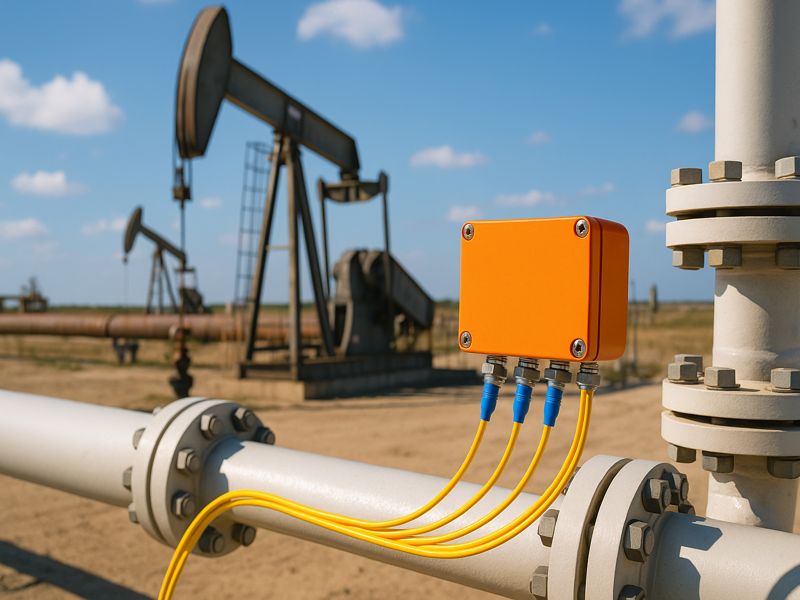
Fiber Optic Temperature Sensor in the Oil & Gas Industry: From Downhole to Pipeline Monitoring

Temperature critically impacts safety, efficiency, and reliability in oil and gas operations. Conventional sensors like thermocouples and RTDs struggle under extreme heat, pressure, and EMI, prompting a shift toward fiber optic temperature sensors (FOTS). Using light instead of electricity, FOTS delivers real-time, interference-free, and long-distance monitoring across wells, pipelines, refineries, and storage sites—revolutionizing thermal management throughout the industry. The Need for Advanced Temperature Monitoring in Oil & Gas In oil and gas operations, temperature serves as an indicator of system integrity and performance. Deviations from expected temperature profiles can reveal early signs of equipment malfunction, leaks, or process inefficiencies. Challenges Faced by Traditional Sensors Harsh environments: Downhole wells and pipelines experience pressures exceeding 10,000 psi and temperatures above 200°C. Electromagnetic interference: Electrical sensors can produce inaccurate readings in the presence of strong EMI from motors or power lines. Accessibility: Physical inspection and replacement of sensors in deep wells or long pipelines are costly and time-consuming. Safety concerns: Electric-based systems pose ignition risks in explosive environments. In contrast, fiber optic systems overcome these challenges by offering distributed, passive, and intrinsically safe sensing over tens of kilometers — making them indispensable for modern oilfield monitoring. Principles of Fiber Optic Temperature Sensing Fiber optic temperature sensors rely on light propagation within optical fibers. When temperature changes, it affects the light’s properties — such as intensity, wavelength, or phase — enabling precise temperature detection. Important Technologies Fiber Bragg Grating (FBG) Sensors: Certain light wavelengths that change in response to strain or temperature are reflected by these sensors. They are suitable for point-based measurements with very high accuracy. Raman Scattering (Distributed Temperature Sensing, DTS): DTS systems analyze backscattered light caused by Raman scattering. Temperature data is continuously transmitted through the fiber by comparing anti-Stokes and Stokes scattering signal ratios. Brillouin Scattering Sensors: Used for both temperature and strain sensing, offering longer range (up to 100 km) and higher precision for pipeline and structural health monitoring. Comparison of Fiber Optic Temperature Sensing Technologies Technology Measurement Type Range Accuracy Key Applications Fiber Bragg Grating (FBG) Point-based Up to 10 km ±0.1°C Downhole, wellhead, tanks Raman DTS Distributed Up to 50 km ±1°C Pipelines, refineries Brillouin DTS Distributed (Temp & Strain) Up to 100 km ±0.5°C Long pipelines, structural monitoring Advantages of Fiber Optic Temperature Sensors in Oil & Gas The oil and gas sector requires monitoring systems that can endure high pressure, temperature, vibration, and chemical exposure while providing reliable data for automation and safety. Principal Benefits EMI Immunity: Fiber optics is not affected by electromagnetic interference since they use light rather than electrical signals. High Accuracy Over Long Distances: Capable of continuous monitoring over tens of kilometers with minimal signal loss. Intrinsic Safety: Non-electrical operation eliminates ignition risk in hazardous areas. Durability: Able to withstand high heat, pressure, and corrosion. Real-time Data: Enables continuous monitoring and early fault detection. Traditional vs. Fiber Optic Temperature Sensors Parameter Traditional (RTD/Thermocouple) Fiber Optic Sensor Signal Type Electrical Optical Range < 1 km Up to 100 km EMI Resistance Low High Accuracy ±1–2°C ±0.1–0.5°C Maintenance High Low Intrinsic Safety No Yes These advantages make fiber optic sensors ideal for upstream (drilling and production), midstream (transport), and downstream (refining and storage) operations. Downhole Temperature Monitoring Applications Downhole temperature monitoring plays a critical role in optimizing production, ensuring well integrity, and improving recovery efficiency. Typical Use Cases Steam Injection & Thermal Recovery: Monitoring the temperature profile along the wellbore during steam-assisted gravity drainage (SAGD) helps operators ensure even heat distribution. Hydraulic Fracturing: Real-time temperature mapping detects fluid movement, fracture propagation, and potential leaks. Zonal Isolation: Identifies leaks in packers and flow barriers that can compromise well performance. Pipeline Monitoring Applications Temperature variations along pipelines often indicate abnormal flow, leaks, or insulation failures. Fiber optic sensors provide continuous monitoring across entire pipeline lengths, enabling faster detection and response. Applications Leak Detection: Sudden drops in temperature indicate escaping fluids in liquid pipelines. Flow Monitoring: Detecting temperature gradients reveals flow distribution and potential blockages. Subsea Pipelines: Fiber optics withstands the extreme pressures and long distances of subsea environments. Pipeline Monitoring Methods Compared Monitoring Method Coverage Response Time Sensitivity Maintenance Cost Electrical Sensors Localized Slow Moderate High Acoustic Sensors Localized Fast Moderate High Fiber Optic DTS Continuous (Up to 100 km) Instant High Low Storage and Refining Applications Fiber optic temperature sensors also play a significant role in downstream operations, particularly in refineries, LNG plants, and large storage tanks. Applications Tank Temperature Profiling: Detects stratification and ensures uniform thermal conditions for stored hydrocarbons or LNG. Process Optimization: Real-time temperature tracking enhances control of distillation, cracking, and reforming processes. Safety Monitoring: Detects overheating, ensuring compliance with safety standards and preventing fire or explosion risks. In LNG terminals, fiber optic sensing can monitor both temperature and strain in cryogenic conditions, ensuring pipeline and tank integrity during repeated thermal cycles. Integration with SCADA and Digital Oilfield Systems The true power of fiber optic sensing is realized when integrated into modern Supervisory Control and Data Acquisition (SCADA) systems and digital oilfield architectures. Integration Benefits Real-Time Analytics: Enables operators to visualize continuous temperature profiles and automatically trigger alarms. Predictive Maintenance: Machine learning models can identify deviations from normal patterns, predicting failures before they occur. IoT Compatibility: Fiber sensors act as part of a connected ecosystem, feeding data to edge devices and cloud-based dashboards. For instance, integrating DTS data with acoustic (DAS) and pressure sensors in a unified SCADA dashboard allows for multi-parameter diagnostics, improving accuracy in fault localization and operational decision-making. Installation and Maintenance Considerations Although fiber optic systems offer superior performance, successful deployment requires careful design and execution. Installation Factors Cable Design: Must withstand mechanical stress, temperature extremes, and chemical corrosion. Connection Points: Proper termination and splicing ensure minimal signal loss. System Calibration: Regular calibration maintains accuracy over long-term operation. Maintenance and Cost Considerations Lower Long-Term Costs: Despite higher initial investment, FOTS reduces downtime and maintenance frequency. Data Management: High-resolution distributed data requires efficient data storage and analysis infrastructure. Reliability: With no moving parts and high durability, FOTS systems

Single-Mode vs. Multi-Mode Fiber in Intrusion Detection System
Blogs

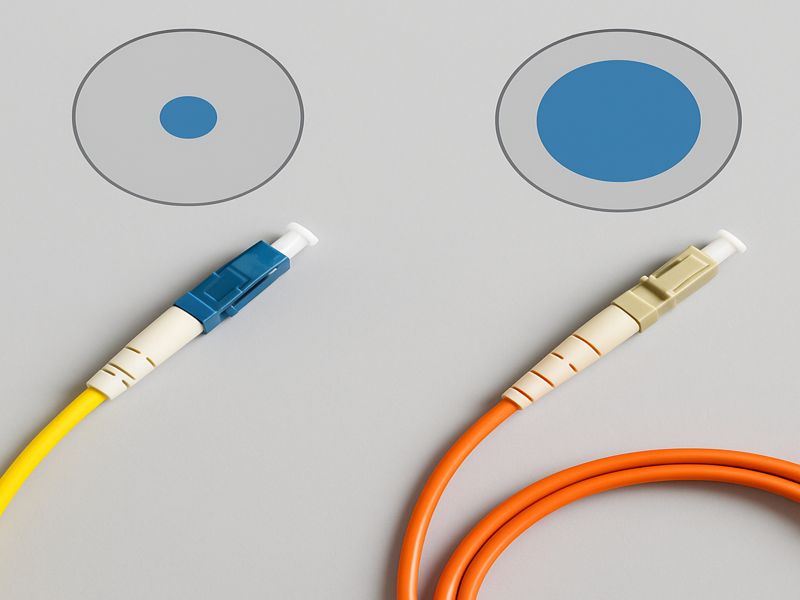
Comparing Single-Mode vs. Multi-Mode Fiber in Intrusion Detection Systems

FOIDS are transforming security by turning fiber cables into continuous sensors that detect vibrations, temperature shifts, and disturbances along fences, pipelines, or tunnels. Their performance depends on fiber type—Single-Mode (SMF) or Multi-Mode (MMF)—which differ in structure, range, dispersion, and cost. Choosing the right fiber impacts detection accuracy and reliability. This article compares SMF and MMF performance in intrusion detection applications. Fundamentals of Fiber Optic Sensing in Security Applications Fiber optic intrusion systems rely on the same principles that govern telecommunication networks, but instead of transferring data, they analyze light scattering patterns to sense physical changes. A part of the light is reflected back as Rayleigh backscatter when a coherent laser pulse passes through the fiber. Any external vibration, strain, or temperature change alters this signal, allowing distributed sensing technologies such as: Distributed Acoustic Sensing (DAS) – detects acoustic or seismic activity. Distributed Temperature Sensing (DTS) – identifies heat sources or fires. Distributed Strain and Temperature Sensing (DTSS) – measures both deformation and temperature. The fiber itself becomes the sensing medium — no external sensors are required. This enables long-range, continuous monitoring ideal for perimeter fences, tunnels, and buried pipelines. Single-Mode Fiber (SMF): Long-Range Precision Single-mode fiber has a small core diameter (≈9 µm) that allows only one propagation path (mode) for the light signal. By reducing modal dispersion, this design guarantees that the signal will stay coherent across extended distances. Key Characteristics Operating wavelength: 1310 nm and 1550 nm Attenuation: as low as 0.2 dB/km Transmission distance: up to 50–80 km without amplification Detection performance: highly stable, accurate over long runs Advantages Exceptional long-distance detection (tens of kilometers). Low signal noise and consistent backscatter profile. Excellent event localization accuracy (±1 m typical). High compatibility with distributed acoustic sensing (DAS) interrogators. Limitations Higher cost of transceivers and interrogators. Requires tighter splicing and alignment tolerances. Slightly less sensitive to small, localized disturbances due to narrow core size. SMF is the preferred choice for large-scale perimeter, border, and tunnel systems that demand both distance and precision. Multi-Mode Fiber (MMF): Short-Range Sensitivity Multi-Mode Fiber features a larger core diameter (50 µm or 62.5 µm) that allows multiple light propagation paths (modes). This structure increases backscatter intensity, making MMF inherently more sensitive to localized disturbances, but it also introduces modal dispersion — the spreading of signals over distance. Key Characteristics Operating wavelength: 850 nm or 1300 nm Attenuation: typically 0.5–1 dB/km Transmission distance: usually under 2 km for sensing Detection performance: higher local signal amplitude, lower range stability Advantages High local sensitivity due to a large core. Easier coupling and installation tolerances. Lower equipment and connector costs. Ideal for confined or short-distance facilities. Limitations Significant signal loss and dispersion beyond 2 km. Modal noise and unstable signal coherence at long range. Lower localization accuracy. MMF systems are well-suited for data centers, short fences, and indoor industrial sites, where detection distances are limited and cost sensitivity is high. Direct Comparison: Single-Mode vs. Multi-Mode Fiber Parameter Single-Mode Fiber (SMF) Multi-Mode Fiber (MMF) Core Diameter 8–10 µm 50–62.5 µm Propagation Modes One Multiple Typical Range Up to 50 km 0.5–2 km Backscatter Strength Lower but stable Higher but noisy Modal Noise Minimal Significant beyond 1 km Localization Accuracy ±1–2 m ±3–10 m System Cost Moderate to High Low to Moderate Installation Tolerance Precise alignment required Easier alignment Best For Long-range, high-security installations Short-range, cost-effective systems From a system design perspective, SMF offers superior range and accuracy, while MMF prioritizes cost and convenience. Performance in Specific Intrusion Detection Scenarios The right fiber choice depends on the operational context — distance, terrain, and threat profile. Application Scenario Recommended Fiber Type Key Considerations Long Perimeter Fences (e.g., airports, borders) Single-Mode Requires long-range detection and minimal false alarms Metro and Railway Tunnels Single-Mode Stability under vibration and temperature change Short Facility Perimeters Multi-Mode Economical for a < 1 km range Data Centers and Building Intrusion Multi-Mode Short run, easy integration with existing fiber Industrial Plants or Refineries Hybrid (SMF + MMF) Combines long coverage with localized sensitivity Hybrid deployments are increasingly common — using single-mode fiber for long-distance runs and multi-mode for zone-specific detection near entry points or machinery areas. Sensitivity and Signal Behavior Acoustic and Vibration Sensitivity Multi-Mode fiber generates stronger Rayleigh backscatter signals because of its larger core, enhancing local vibration sensitivity. Single-Mode fiber, although less intense locally, maintains consistent backscatter over long runs, ensuring uniform detection sensitivity. Localization Accuracy In distributed acoustic sensing, signal timing and coherence determine event localization. SMF’s single propagation path ensures predictable time delays, allowing precise localization (±1 m) even over 40 km. MMF’s multiple modes can distort timing and reduce accuracy beyond 1–2 km. Noise and False Alarms Multi-mode fibers are more prone to modal interference, leading to higher false alarm potential unless advanced filtering algorithms are applied. Single-mode fibers maintain a cleaner baseline, simplifying pattern reco System Cost and Maintenance Installation and Hardware Costs SMF systems use more sophisticated interrogators with narrow-band lasers and high dynamic range photodiodes, resulting in higher upfront costs. MMF systems employ cost-effective light sources (LED or VCSEL) and lower-precision connectors. Maintenance and Longevity Both fiber types require minimal maintenance once installed, but SMF offers longer service life in harsh outdoor conditions due to tighter jacket designs and lower signal degradation. Cost Category Single-Mode Fiber Multi-Mode Fiber Cable Cost (per km) Moderate Low Interrogator / Equipment High Low to Moderate Installation Complexity High (precision splicing) Low Maintenance Frequency Low Moderate Total Lifecycle Cost Higher upfront, lower long-term Lower upfront, higher long-term For organizations prioritizing long-term reliability and reduced false alarms, SMF systems often deliver better ROI despite higher initial costs. Environmental and Deployment Considerations Temperature and Humidity Both SMF and MMF operate effectively between –40 °C and +85 °C, but SMF demonstrates better performance stability under thermal expansion or humidity variation due to smaller core and consistent refractive index profile. Vibration and Mechanical Stress Tunnels, bridges, and buried routes expose fibers to vibration. SMF’s lower dispersion maintains accuracy under stress, while MMF can show fluctuating sensitivity with microbends

What Is a Fibre Optic Temperature Sensor
Blogs

What Is a Fibre Optic Temperature Sensor?

Temperature is critical to the safety and performance of systems in power, oil and gas, manufacturing, and transport. As operations grow harsher, traditional sensors like thermocouples and RTDs face limits from interference, range, and safety issues. Fiber optic temperature sensors overcome these challenges by using light instead of electricity, delivering accurate, interference-free, real-time temperature monitoring across long distances. This article examines their working principles, types, benefits, and applications. The Principle of Fibre Optic Sensing Fibre optic sensors operate on the principle that light traveling through an optical fiber can be influenced by external physical conditions—such as temperature, strain, or pressure. When temperature changes occur, they cause variations in the properties of the optical fiber (such as refractive index or length), which in turn modify the transmitted light signal. In essence, fibre optic sensing relies on detecting these light changes—whether in intensity, phase, polarization, or wavelength—and translating them into precise temperature readings. Because optical fibers are made of glass or plastic and transmit light instead of electricity, they are inherently immune to electromagnetic noise and are safe for use in high-voltage or explosive areas. There are two main sensing modes: Point sensing: Measures temperature at specific, discrete locations. Distributed sensing: Monitors temperature continuously along the entire length of a fiber—sometimes over tens of kilometers. Components of a Fibre Optic Temperature Sensor A typical fibre optic temperature sensing system consists of several key components: Component Function Optical Fiber Serves as the transmission path for light signals. It can be made from glass (silica) or polymer, depending on the environment. Sensing Element The section of the fiber or attached device that responds to temperature (e.g., Fibre Bragg Grating, Raman/Brillouin scattering region). Interrogator/Analyzer Converts the reflected or scattered light into readable temperature data using spectrometry or optical time-domain reflectometry (OTDR). Protective Sheath or Housing Shields the fiber from mechanical stress, chemical exposure, or high heat, ensuring reliable performance in harsh environments. Each component works together to ensure accuracy, stability, and resilience over time, even in environments where electrical sensors would fail. Working Principle The working principle of a fibre optic temperature sensor can vary depending on the technology used, but all share a fundamental concept: light changes its properties based on temperature variations. An Example of Fibre Bragg Grating (FBG) Periodic changes in the refractive index are imprinted along the fiber core of an FBG sensor. A particular wavelength, known as the Bragg wavelength, is reflected when broadband light travels through the fiber. As temperature changes, the grating spacing and refractive index shift, causing the reflected wavelength to change. By monitoring this wavelength shift, temperature can be precisely calculated. The relationship can be expressed as: Δλ = (∂λ/∂T) × ΔT Where Δλ is the wavelength shift and ΔT is the temperature change. Other techniques, such as Raman and Brillouin scattering, rely on detecting backscattered light variations, which correspond to temperature gradients along the fiber’s length. Types of Fibre Optic Temperature Sensors Type Sensing Principle Key Features Applications Fibre Bragg Grating (FBG) Wavelength shift due to temperature and strain changes High accuracy, multiplexing capability Power systems, aerospace, medical devices Raman Distributed Temperature Sensor (DTS) Measures intensity ratio of Stokes and anti-Stokes Raman scattering Long-distance distributed sensing Oil pipelines, tunnels, power cables Brillouin Scattering Sensor Frequency shift proportional to strain and temperature Measures both temperature and stress Structural health monitoring, long-distance sensing Interferometric Sensors Optical phase difference detection Extremely high sensitivity Laboratory or precision applications Each technology serves distinct needs: FBG sensors are ideal for localized precision monitoring, while Raman and Brillouin systems are perfect for long-distance distributed applications like pipeline or tunnel monitoring. Key Advantages Fibre optic temperature sensors provide several advantages over conventional electrical sensing technologies: Immunity to Electromagnetic Interference (EMI) Because they transmit light, fibre optic sensors are unaffected by electromagnetic or radio frequency noise—making them ideal near high-voltage lines or substations. High Accuracy and Stability They deliver temperature readings with precision down to fractions of a degree Celsius, maintaining accuracy even under vibration or chemical exposure. Long-Distance Measurement Distributed systems can monitor temperature profiles along several kilometers of fiber, reducing the need for multiple sensors. Safety in Hazardous Environments Since they use no electrical current, they are safe in explosive atmospheres or flammable chemical plants. Compact and Corrosion-Resistant Design Optical fibers are thin, lightweight, and resistant to corrosion, making them suitable for integration into confined or harsh spaces. Multiplexing Capability A single optical fiber can accommodate dozens or hundreds of sensing points, simplifying cabling and reducing costs. Common Applications Because of its versatility and dependability, fiber optic temperature sensors are extensively utilized in many different industries. Power and Energy Real-time monitoring of transformer winding temperatures. Cable hot-spot detection in underground and submarine power transmission systems. Preventive maintenance in renewable energy systems such as wind turbines. Oil & Gas Monitoring of well temperatures downhole. Finding leaks in storage tanks and pipelines. Real-time reservoir temperature profiling. Industrial and Manufacturing Process control in refineries, chemical reactors, and furnaces. Monitoring high-voltage motors and generators. Temperature mapping in composite material curing processes. Transportation Tunnel fire detection systems in metro and railway infrastructures. Aircraft structural monitoring. Automotive engine testing and battery temperature control. Data Centers and IT Infrastructure Rack-level temperature tracking for efficient cooling management. Fiber network thermal integrity monitoring. Healthcare and Research Temperature sensing in MRI environments where electrical sensors cannot operate. Biothermal mapping in medical devices or laboratory instruments. Comparison with Conventional Sensors Parameter Fibre Optic Sensor Thermocouple/RTD Signal Type Optical (light-based) Electrical (voltage/resistance) EMI Resistance Immune Susceptible Measurement Range Up to several kilometers Localized, short-range Accuracy High (±0.1°C possible) Moderate Safety Intrinsically safe, non-electrical Risk of spark or short circuit Maintenance Low Moderate to high Installation Cost Higher initial, lower long-term Lower initial, higher maintenance Multipoint Capability Excellent (via multiplexing) Limited The comparison clearly shows that fibre optic temperature sensors excel in environments requiring high precision, long-range monitoring, and electrical isolation. Installation and Maintenance Considerations Proper installation and maintenance are key to ensuring optimal sensor performance. Installation Best Practices Route fibers carefully to avoid

Leave Your Message