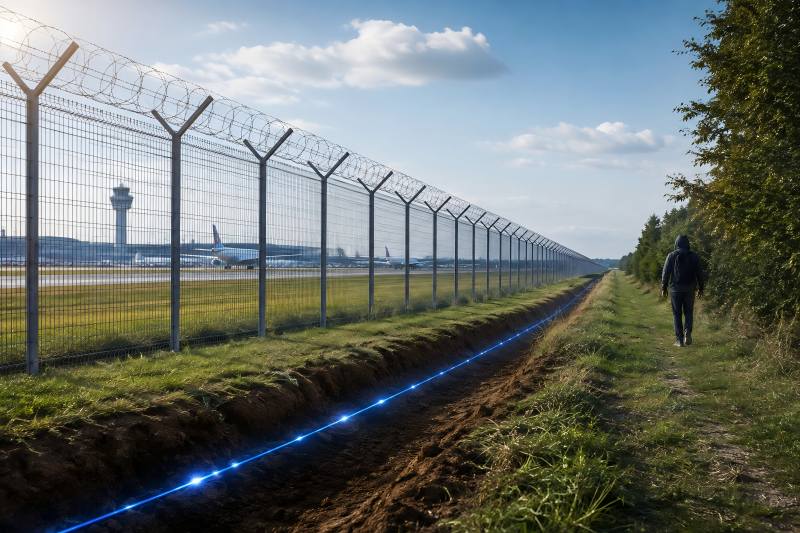
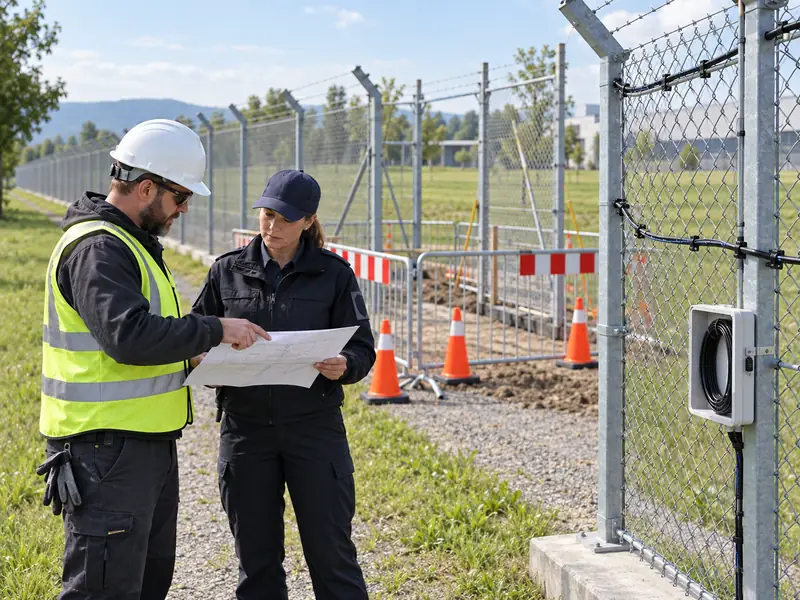
Maintain fiber optic perimeter security during fence repairs by defining the affected coverage, assigning temporary protection and controlling how the sensing route is returned to service. Construction can change cable attachment, physical access and alarm behavior even when the optical fiber remains intact. A work permit should therefore describe the security state as well as the physical repair.
A fiber optic perimeter intrusion detection system depends on the installed route and the operating response. Repair work can affect both. This guide focuses on managing a temporary change at an operating site rather than designing a new perimeter.
What Should Be Identified Before Work Starts?
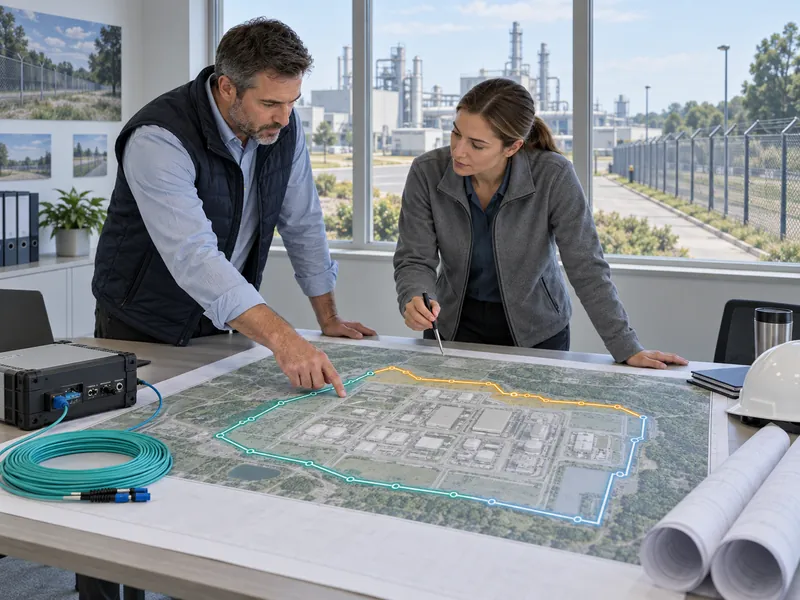
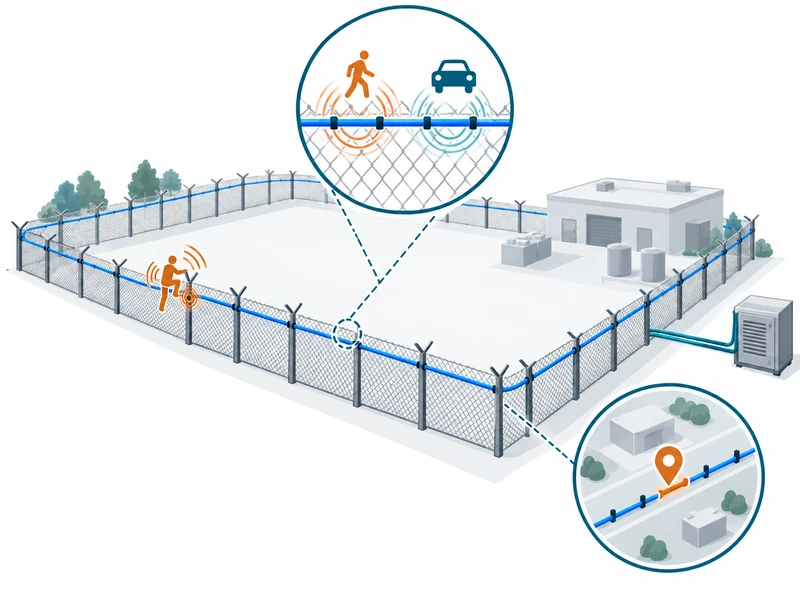
Mark the physical work area, the sensing cable affected and the related alarm zones. Confirm whether the cable will remain attached, be temporarily supported, be disconnected or require replacement. Each condition has different implications for detection and fault reporting.
Review neighboring sections as well as the obvious repair location. Shared posts, tensioned mesh or temporary bracing can transfer construction activity beyond the work area. The security team needs an accurate description of the affected installation rather than an assumption based solely on the contractor’s fence panel count.
- Identify the work boundary and planned access route.
- Locate sensing cable, splice enclosures and protected slack.
- List affected zones, cameras and response instructions.
- Define the expected start, finish and daily handover times.
- Assign the person authorized to change the monitoring state.
- Agree on the evidence required before normal service resumes.
Use current route records and verify them on site. An old drawing may omit cable added during a previous repair. Where records and physical conditions disagree, resolve the uncertainty before work reaches the cable.
Who Should Coordinate the Temporary Security State?
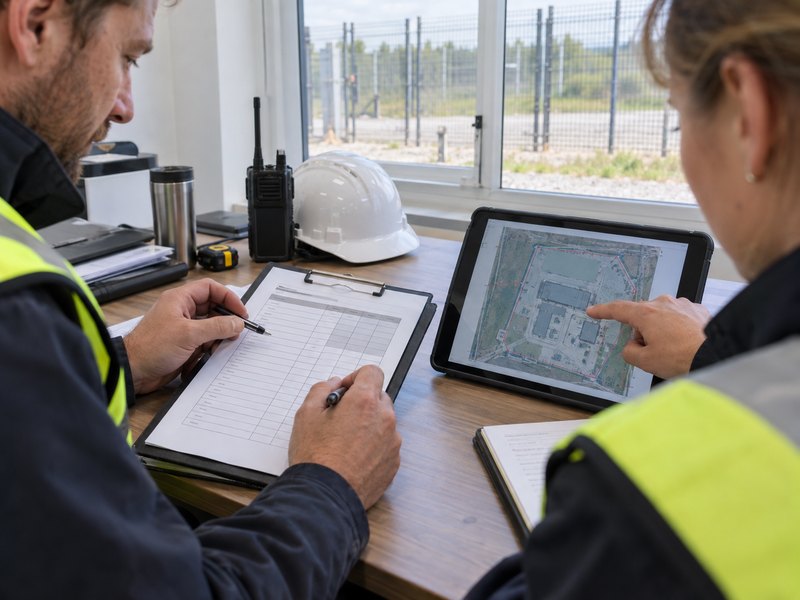
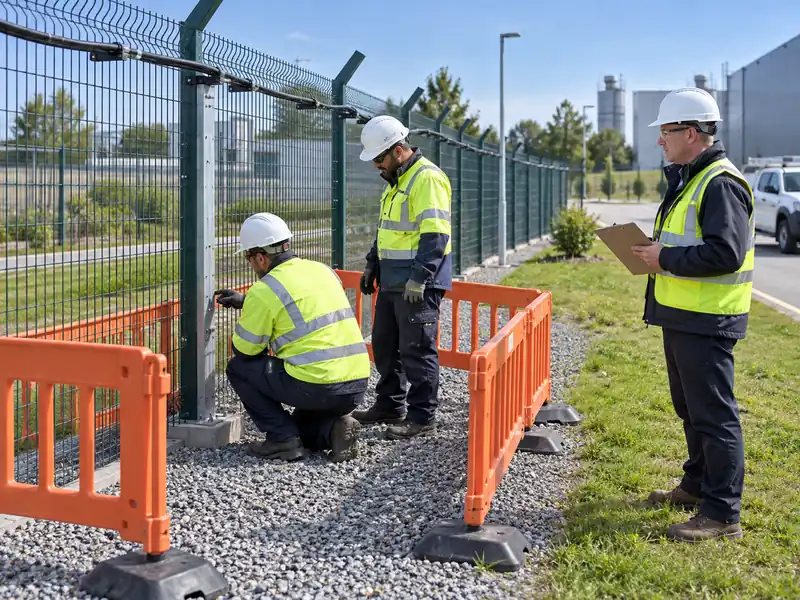
Assign a named operational owner who can coordinate the contractor, security staff and system maintainer. The person performing the fence work should not have to infer which alarms matter or who can authorize a monitoring change. Clear ownership reduces ambiguous handovers.
For an industrial perimeter, access and production constraints may require work in short windows. Document what happens if a window ends before the repair is complete. The site still needs a defined protection arrangement overnight or between shifts.
Should the Entire System Be Put into Maintenance Mode?
Use the narrowest supported change that meets the approved work plan and preserves the required protection elsewhere. The actual options depend on the delivered system and the site’s procedures. Do not assume that one maintenance setting has the same meaning across all products.
Record which functions remain active, which are limited and how the limitation is displayed. A temporary suppression should have an owner and an expiry or review point. The control room must be able to distinguish planned work from an unexplained loss of coverage.
What Temporary Measures Should Replace Affected Coverage?
Select measures through the site’s risk and operating process, considering the exposed boundary and the duration of work. Staff observation, controlled access or another approved detection arrangement may be appropriate in a particular setting. No single measure automatically substitutes for the original design.
Temporary arrangements must be practical for the people assigned to them. Specify the area, hours, communication route and escalation responsibility. A vague instruction to watch the fence does not establish who will detect and report an unexpected event.
| Work Condition | Security Question | Required Decision |
| Panel removed | How is access through the opening controlled? | Temporary boundary and responsible staff |
| Cable detached | Is the intended mechanical response still valid? | Coverage limitation and compensating arrangement |
| Heavy nearby work | How are work events distinguished from other alarms? | Notification and verification procedure |
| Incomplete shift-end repair | What protection remains after contractors leave? | Documented overnight state |
The table identifies questions rather than prescribing a universal security design. Record the approved answer for the actual site. Reassess it if the work boundary or duration changes.
How Should the Sensing Cable Be Protected?
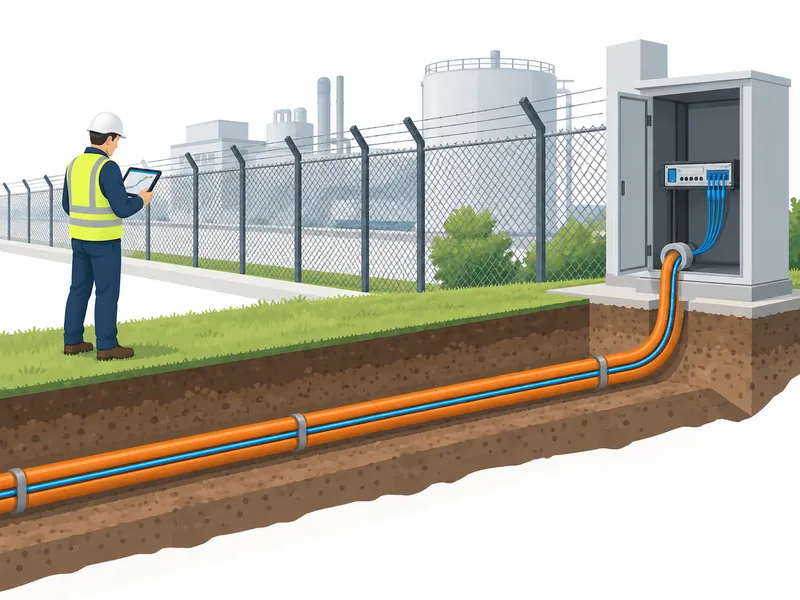
Follow the cable and system supplier’s handling limits and installation method. Keep the cable clear of cutting, welding, crushing and uncontrolled tension. Temporary supports should preserve the required bend and mechanical limits.
Do not treat an intact outer jacket as proof that the sensing arrangement is unchanged. Moving the cable away from the fence can alter strain transfer even if optical continuity remains good. The DAS deployment conditions guide explains why installation conditions affect performance.
Photograph the original attachment and record relevant routing details before removal. Keep enclosure and slack-loop locations identifiable throughout the work. These records support restoration and make later mapping checks easier.
How Should Construction Alarms Be Handled?
Give operators the planned work location and timing so they can interpret expected activity within the approved procedure. Continue recording relevant events where the system supports it. Known work activity should not become a reason to disregard unrelated alarms.
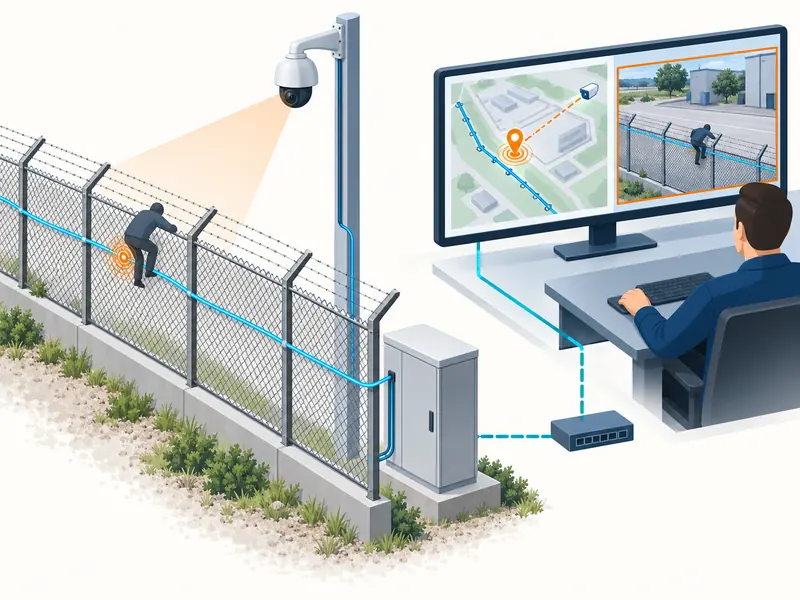
The guide to alarm zoning and response is useful when identifying the affected operational area. Check whether the software zone corresponds to the physical work boundary. If it does not, document the broader consequence of any temporary change.
Should Sensitivity Be Reduced to Quiet the Work Area?
Only make an approved configuration change with a clear purpose, recorded baseline and restoration plan. Lower sensitivity can change the detection behavior for events other than construction. Repeated informal adjustments can leave the final operating state uncertain.
If a temporary adjustment is necessary, identify its exact scope and who will reverse it. Preserve the previous approved settings through the supported backup method. Verify the restored behavior instead of assuming that selecting an old value completes the work.
What Must Be Checked Before Returning to Service?
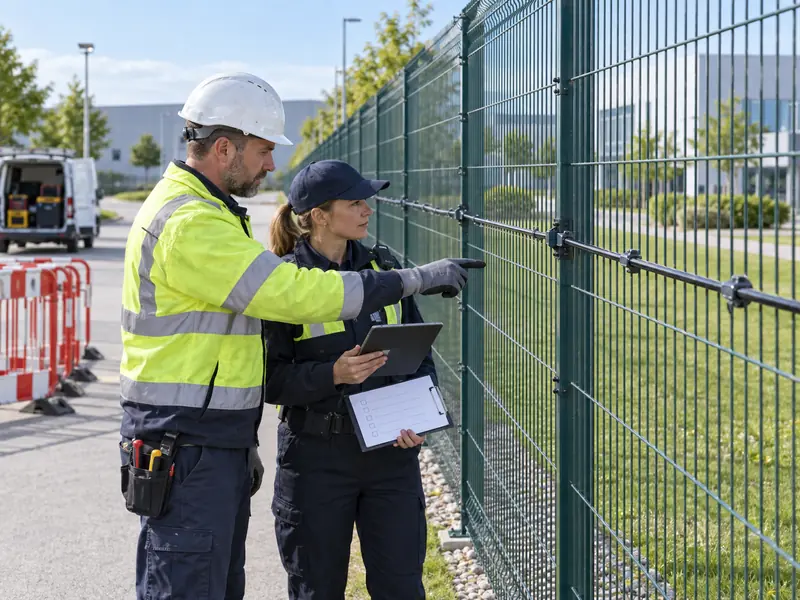
Inspect the completed fence and sensing cable, verify optical health and demonstrate the affected detection and response functions. The test scope should follow the actual changes. Replacing a post, adding cable and moving a zone boundary do not create identical verification needs.
- Confirm the physical repair and cable attachment are complete.
- Check the cable route, slack and enclosure condition.
- Review optical continuity and any supplier-required diagnostics.
- Restore the approved monitoring configuration.
- Test representative locations within and beside the repaired area.
- Verify location labels, camera association and operator notification.
- Remove temporary restrictions only after the responsible owner accepts the result.
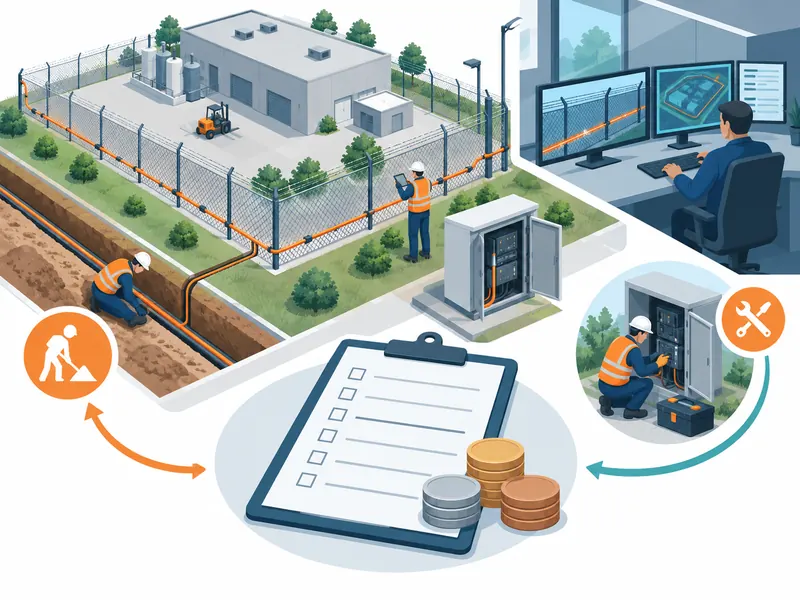
Use the perimeter acceptance checklist to organize the evidence. A targeted return-to-service test can be sufficient when the affected scope is clear. Uncertain or extensive changes may justify broader recommissioning.
What If the New Fence Responds Differently?
Compare the installed structure, cable attachment and test conditions with the pre-work record. New mesh tension, post spacing or panel construction can change the vibration response. Investigate those physical differences before treating the change as an instrument defect.
The existing guide to DAS alarm accuracy provides broader tuning context. Any required adjustment should preserve the agreed detection objective and acceptable nuisance behavior. Keep representative event evidence with the final settings.
An illustrative repair might replace flexible mesh with a stiffer panel while retaining the same optical cable. The cable could remain healthy yet respond differently to the approved test. The closeout would need to address that changed mechanical arrangement rather than relying only on an optical continuity result.
What Belongs in the Work Closeout Record?
Include the work boundary, dates, cable changes, configuration changes and return-to-service evidence. Record who accepted the restored coverage and whether any limitations remain. Update route drawings and operating instructions when the physical arrangement changed.
Close the temporary security arrangement explicitly so it does not persist by accident. Review any unexpected alarms or coverage gaps observed during the work. A well-managed repair ends with a verified operating state that both maintenance and security teams understand.