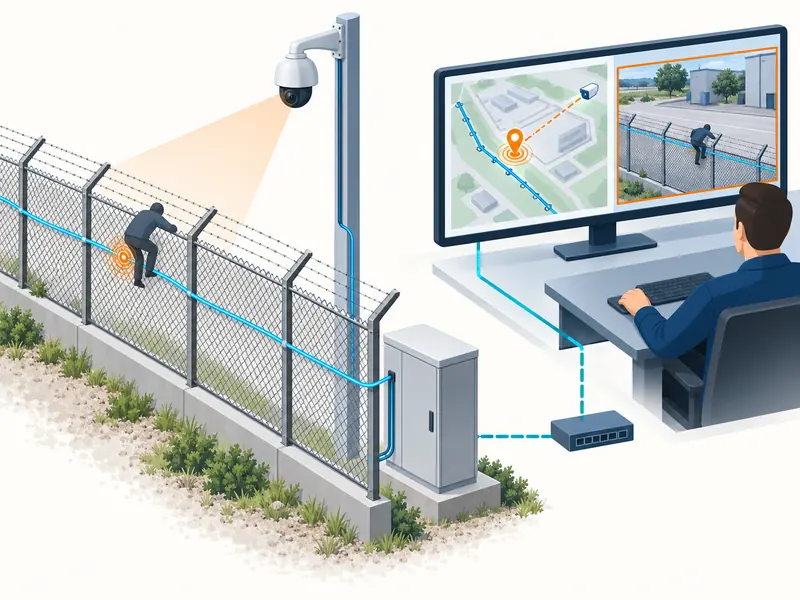
A distributed acoustic sensing system’s alarm latency should be measured from a defined physical event to a defined operational outcome, using synchronized evidence at each stage. The interval can include sensing, signal processing, alarm qualification, network delivery, platform handling and notification. A fast trace refresh alone does not establish how quickly a guard receives a usable alarm.
For a fiber optic intrusion detection system, the useful question is whether the complete response chain meets the site’s agreed need under realistic conditions. Specify the event, the required destination and the acceptance method before comparing headline speed claims. This article focuses on measuring elapsed time rather than selecting detection thresholds.
Where Should the Measurement Begin and End?
Begin at a physical event that the test team can identify consistently, and end at the operational state the requirement actually describes. A stimulus onset, an instrument alarm and a visible control-room notification are different timestamps. Selecting convenient endpoints can hide a delay elsewhere in the chain.
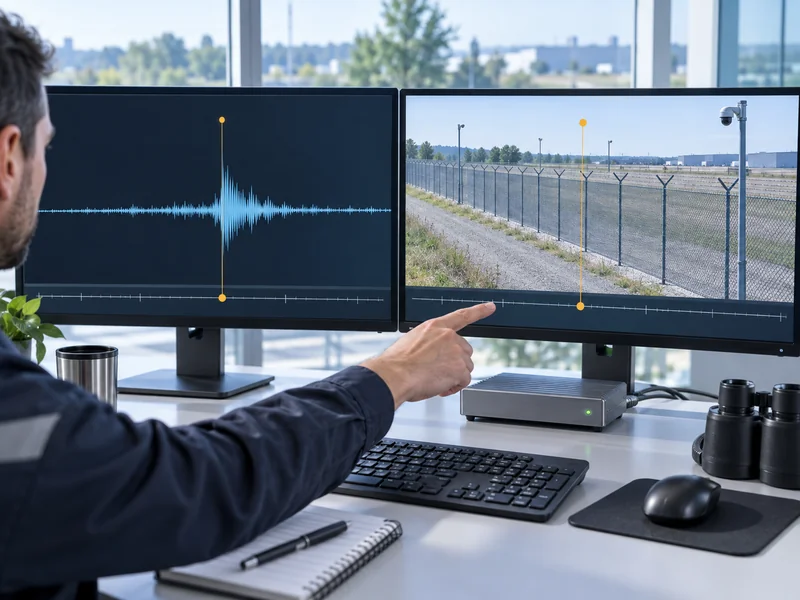
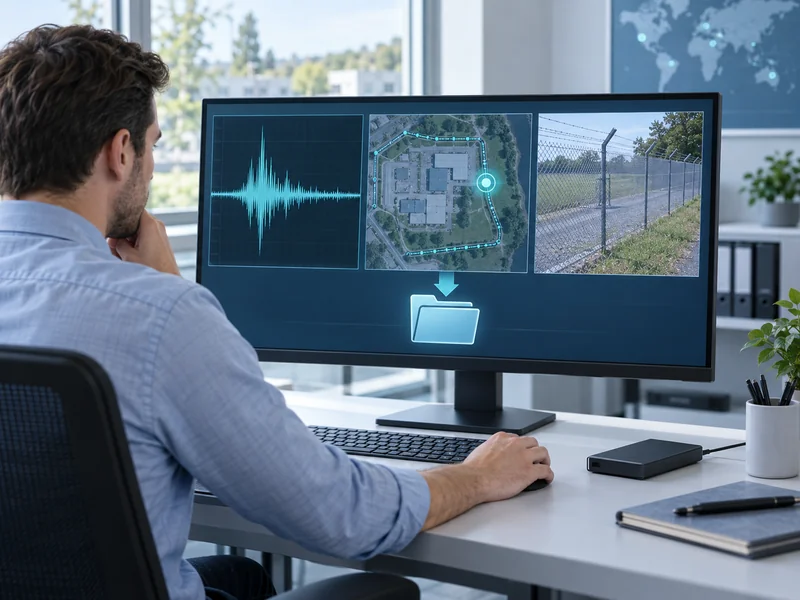
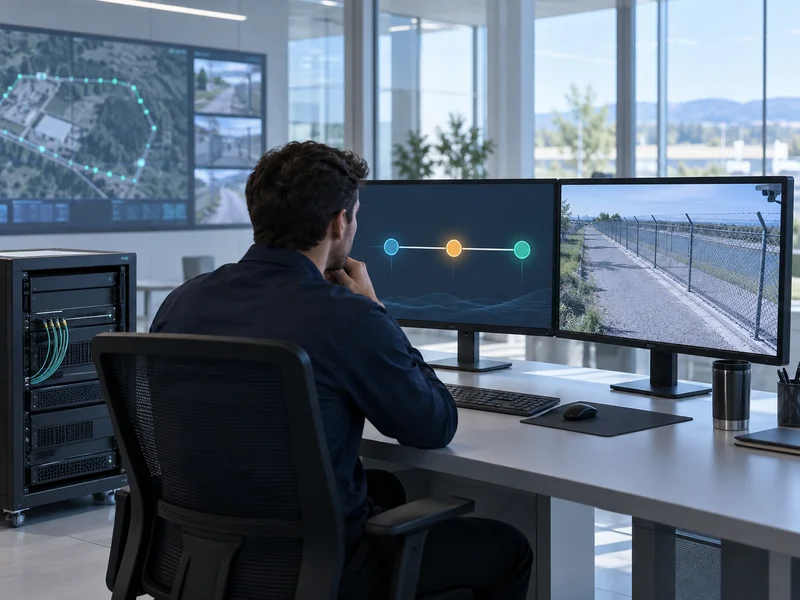
For example, a site may require an alarm to appear at the operator workstation with the correct location and camera association. In that case, receipt by an integration server is only an intermediate milestone. The endpoint must include successful presentation of the information needed to act.
| Milestone | Meaning | Possible Evidence |
| Physical stimulus | The agreed test action begins | Independent event recording |
| Qualified DAS alarm | The sensing system creates an alarm | Instrument event record |
| Platform receipt | The receiving application accepts the event | Integration log |
| Operator presentation | A usable notification is displayed | Workstation recording |
| Human acknowledgment | An operator accepts responsibility | Acknowledgment history |
Keep human acknowledgment separate from automated delivery unless the requirement explicitly combines them. Staffing, workload and operating procedures affect acknowledgment time. Combining all stages into one number can prevent the team from identifying which part needs improvement.

Which Processing Stages Add Time?
A sensing system must acquire and interpret enough information to decide whether an event satisfies its configured rules. Processing windows, persistence conditions and classification logic can therefore influence when an alarm is created. Their contribution should be evaluated under the settings intended for actual operation.
A configuration that raises an alarm immediately after a small disturbance may also produce unacceptable nuisance activity. Conversely, a long qualification interval may suppress short events that matter. Timing acceptance should remain tied to the agreed detection and nuisance-alarm requirements.
Does Faster Sampling Guarantee Faster Alarms?
No, because sample acquisition and alarm generation are different operations. A system may collect data frequently while waiting for a processing window or persistence rule to complete. The destination platform may then apply its own queueing, polling or display behavior.
The guide to DAS range, resolution and location accuracy explains other performance terms that should remain distinct. Time performance deserves the same care with definitions. Ask what a quoted figure measures and which configuration produced it.
How Can Each Stage Be Timed Reliably?
Use clocks with a known relationship, and record what each timestamp represents. A device may stamp the acquisition time, processing completion time or message transmission time. These values cannot be subtracted meaningfully until their semantics and clock offsets are understood.
Where separate devices supply evidence, document their time source, synchronization status and timestamp precision. A visually detailed timestamp can still be wrong if its clock has drifted. NIST guidance on log management treats consistent time as important for relating events from different systems.
- Define the physical start marker and the required end state.
- Identify the clocks used by every evidence source.
- Record timestamp resolution and any known offset.
- Retain the event identifiers used to join related records.
- State the uncertainty of the resulting interval.
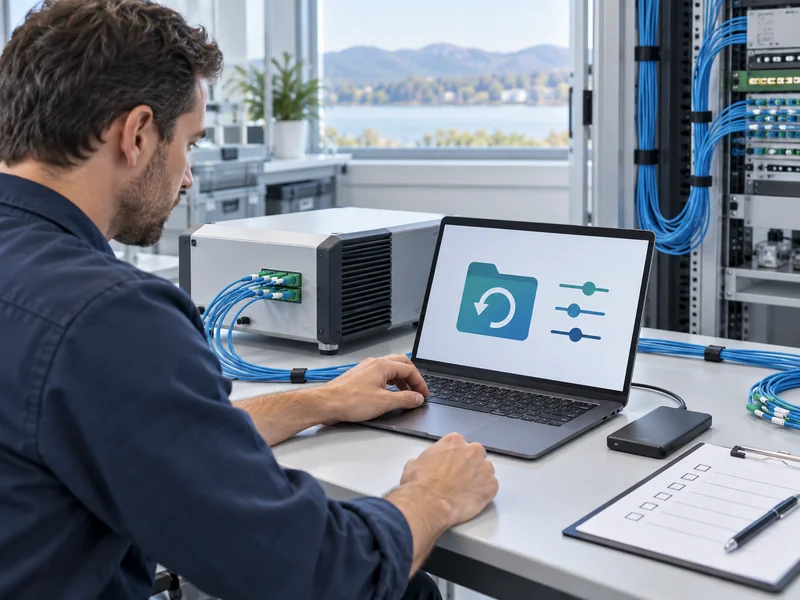
For a short timing requirement, the measurement arrangement itself may need specialist attention. A handheld stopwatch can be adequate for a rough operational demonstration while being unsuitable for a precise contractual comparison. Choose the method according to the decision the evidence must support.
What Should a Representative Test Include?
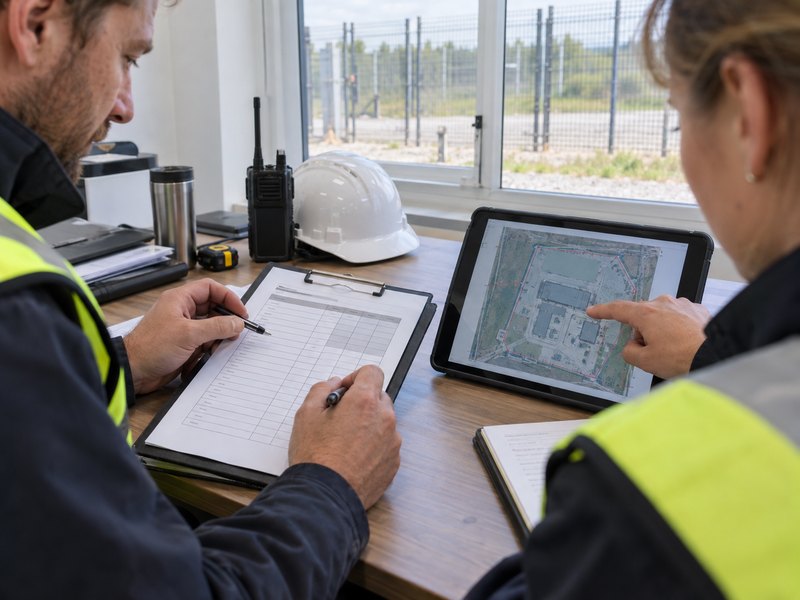
Test the installed chain or a documented representative arrangement using approved physical stimuli. Include the actual receiving platform, network route and workstation behavior where these form part of the acceptance endpoint. A direct laptop connection beside the interrogator may omit the stages that dominate site performance.
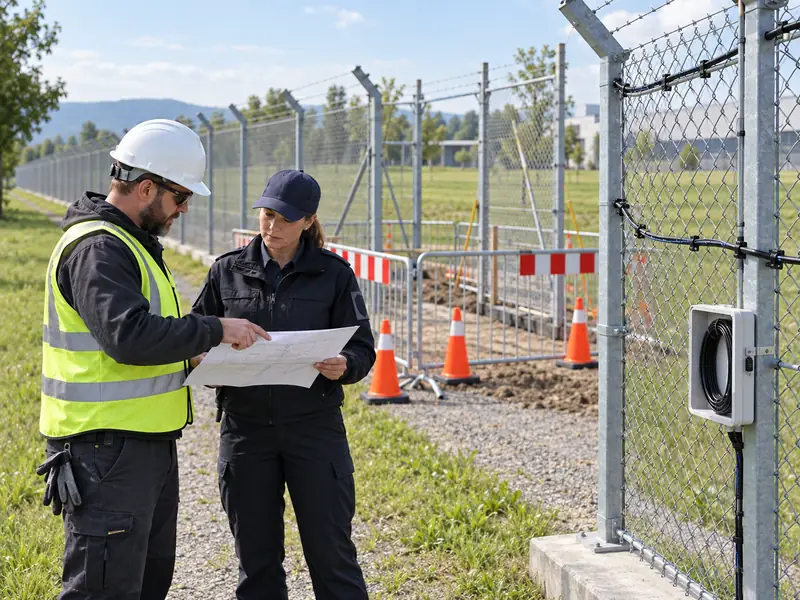
Coordinate testing with operations so staff can distinguish controlled events from genuine incidents without disabling unrelated protection. Identify the route position, event type and active configuration for each trial. The broader perimeter security acceptance checklist provides a useful framework for that coordination.
- Confirm the test scope, endpoints and evidence method.
- Record the active sensing and integration configuration.
- Verify normal health and clock status before stimulation.
- Apply the approved event and preserve the start marker.
- Capture the instrument alarm, platform receipt and operator display.
- Repeat enough trials to expose variability.
- Record unsuccessful or ambiguous trials alongside successful ones.
Use conditions relevant to the operating requirement rather than presenting only a best-case trial. Different route sections or event classes may produce different qualification times. Keep those results distinguishable instead of averaging away a systematically slower scenario.
Should Normal Platform Load Be Included?
Yes, when normal workload could influence the required endpoint. A receiving server handling camera events, historical queries or multiple alarms may behave differently from an idle demonstration system. Agree on representative load without creating an unsafe disturbance to the live service.
Also distinguish ordinary operating tests from deliberately stressed conditions. Report routine-load timing separately from trials intended to explore the system’s behavior under added demand. A report should identify the workload and system health that existed during each measurement.
How Should Variable Results Be Reported?
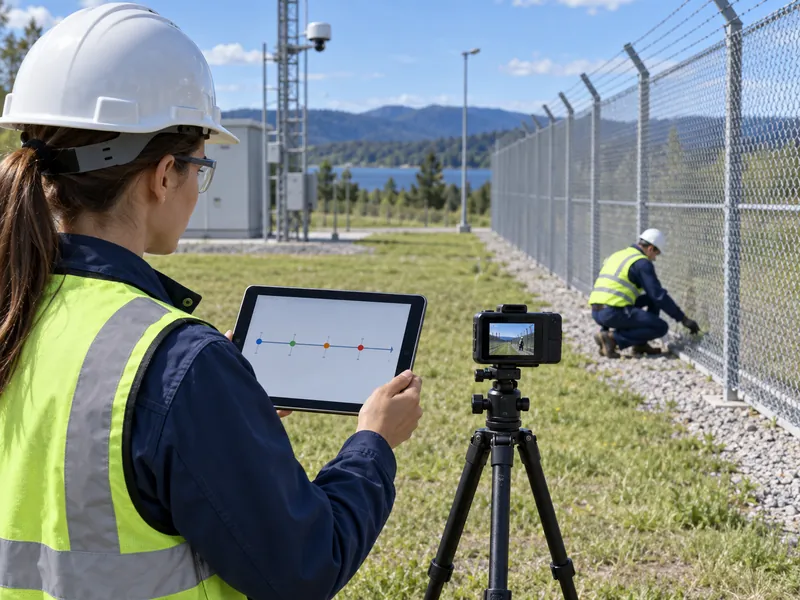
Preserve individual trial intervals and summarize the distribution in terms relevant to the requirement. A mean value alone can conceal occasional long delays. State the trial count and method before presenting a percentile or worst observed result.
Do not describe the largest interval in a small test as a guaranteed maximum for every future condition. It is the largest observed value within the documented test. Contractual limits need an agreed test population, operating envelope and treatment of failures.
An illustrative project might record several repeated fence stimuli at each selected section and compare the time to workstation presentation. If one section repeatedly takes longer, the team would investigate its signal behavior and processing settings. If every section slows simultaneously, shared network or platform stages become more plausible candidates.
How Can the Slowest Stage Be Isolated?
Compare adjacent milestones rather than changing settings across the whole chain at once. Timely instrument alarms followed by delayed platform receipt point toward delivery or integration handling. Timely receipt followed by late display points toward application processing, queueing or workstation behavior.
The existing guide to DAS integration with CCTV, VMS and GIS helps place those interfaces in context. For central alarm management, confirm which timestamps and diagnostic records the delivered configuration actually exposes. Do not assume every integration preserves the original instrument event time.
Record the reason for any adjustment and repeat the affected test after the change. Retain the earlier results so the improvement can be attributed to a known intervention. A timing improvement that causes missed events or excessive nuisance alarms has not met the complete operating objective.
When Should Alarm Timing Be Reverified?
Reverify relevant stages after software upgrades, processing changes, network redesign or migration of the receiving platform. Changes to workstation notification rules can also affect the user-visible endpoint. Add a repeatable event-to-display measurement to the validation steps for changes affecting the alarm path.
Keep the baseline test, configuration revision and clock assumptions together in the handover. Operators should know how to recognize a delivery problem and which team owns each stage. A defensible latency figure describes a complete, repeatable path from a defined event to an actionable alarm.