
Upgrade an operating fiber optic perimeter security system in defined stages, with clear coverage ownership and acceptance criteria for each transition. Keep the existing protection or an approved temporary arrangement in place until the replacement section is verified. A phased project succeeds when operators can identify which system protects each area throughout the work.
When planning a fiber optic intrusion detection upgrade, the final equipment design is only part of the project. Intermediate operating states also need engineering and operational control. This article addresses the migration sequence rather than offering a general product-selection checklist.
How Should the Existing Service Be Documented?
Begin with the actual protected boundary, active sensors, alarm destinations and operator procedures. Record known limitations separately from functions that currently work as intended. The upgrade plan needs a realistic baseline rather than an idealized historical drawing.
Identify shared dependencies such as power, network links, cable ducts and platform servers. Work on a shared component can affect sections outside the planned migration area. These dependencies often determine the safe order of operations.
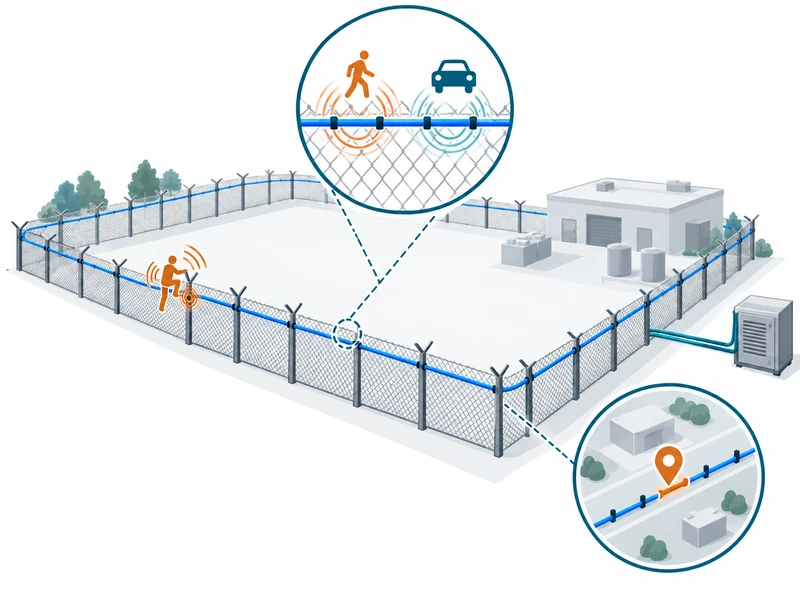
- Map the physical perimeter and current detection coverage.
- Identify the system responsible for each operational area.
- Record alarm labels, camera links and response routes.
- List shared infrastructure and access constraints.
- Document known faults and temporary arrangements.
- Preserve the approved pre-upgrade configuration.
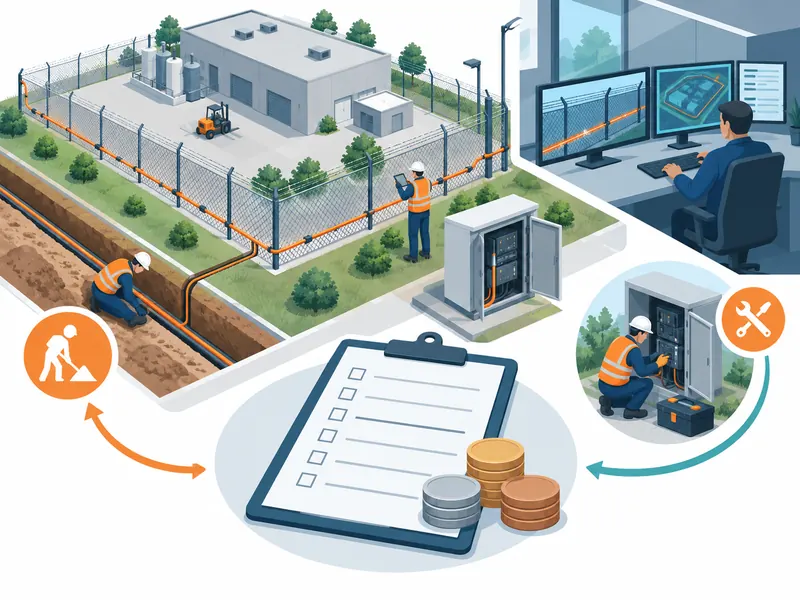
For an operating industrial site, production schedules and contractor access may constrain the work windows. Include these conditions in the migration plan. A technically simple replacement can still be operationally difficult if it interrupts a critical access route.

What Makes a Useful Migration Stage?
A useful stage has a clear physical boundary, a testable set of functions and an explicit operating state before and after the work. It should be small enough to manage but large enough to verify as a coherent unit. Dividing the project only by equipment delivery dates may not achieve that.
Define the stage’s entry conditions, work sequence, acceptance checks and rollback criteria. Assign a person who can declare the section operational. Without that decision point, a partly commissioned section can drift into routine use.
| Stage Element | Decision Needed | Evidence |
| Boundary | Which physical area changes? | Marked route and zone plan |
| Protection during work | What covers the affected area? | Approved temporary operating plan |
| Acceptance | Which functions must work? | Focused test record |
| Rollback | When and how is the prior state restored? | Recovery sequence and retained configuration |
| Handover | Who accepts operational ownership? | Signed or otherwise approved release record |
The stage record should remain understandable to the shift team that did not attend the installation meeting. Use physical location names that match the control-room view. Avoid relying on contractor shorthand that disappears after the project.
Can Existing Fiber Be Reused During an Upgrade?
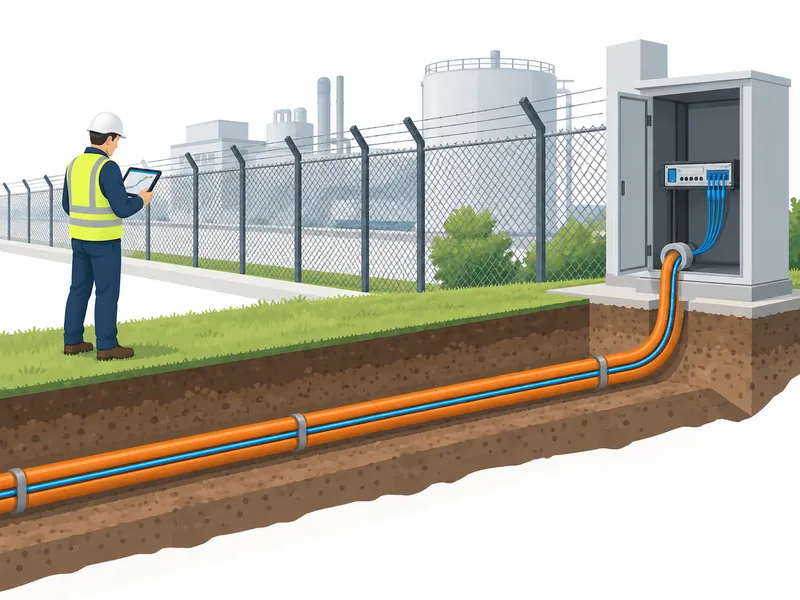
Potentially, but verify its optical condition, route documentation and suitability for sensing under the proposed installation. A fiber that carries communications successfully is not automatically a suitable DAS sensing path. Access to the required fiber and its mechanical relationship to the monitored environment also matter.
The guide to using existing fiber for DAS addresses that assessment in more detail. For phased migration, also consider whether reuse requires an interruption to another service. Resolve ownership and availability before treating the route as a project shortcut.
Record any temporary patching or route changes made during the stage. These can alter optical distances and the relationship between reported locations and the site map. The final mapping must reflect the installed path after temporary arrangements are removed.
How Should Old and New Alarms Coexist?
Define which system has operational authority for each section and how overlapping alarms will be presented. Parallel operation can provide useful comparison, but duplicate notifications can confuse staff if their meaning is unclear. Operators need to know whether two events describe one disturbance or separate coverage.
Preserve event source identifiers and distinguish trial alarms from accepted operational alarms through supported methods. Do not make a new system appear fully commissioned simply by assigning familiar zone names. The operating instructions should state the acceptance status of each migrated area.
Should Both Systems Use Identical Zone Boundaries?
Use boundaries that support clear operational mapping, while recognizing that the systems may organize sensing differently. A one-to-one correspondence can simplify comparison where it is practical. Where it is not, document the relationship explicitly.
The article on DAS alarm zoning explains why response areas matter. During migration, avoid boundary gaps and ambiguous responsibility between adjacent stages. Include events near the interfaces in the acceptance checks.
Which Dependencies Should Be Migrated First?
Sequence work according to verified dependencies and the required protection, not a universal equipment order. In some projects, preparing network and platform interfaces first reduces the final interruption. In others, a shared infrastructure change needs its own controlled maintenance window.
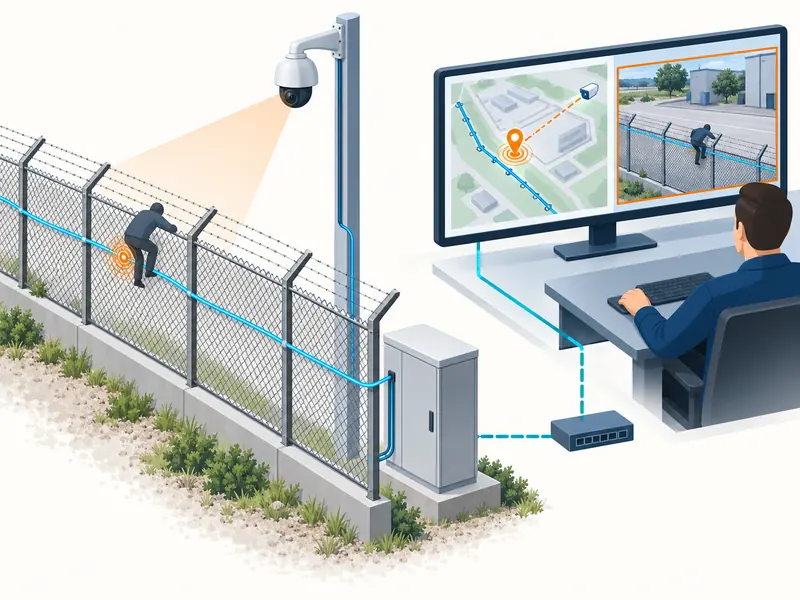
Confirm that the new service can deliver usable alarms before removing the old path. This includes location, notification and required video association, not just a healthy connection status. The guide to DAS platform integration provides context for those interfaces.
- Confirm the stage boundary and current coverage.
- Prepare the necessary infrastructure and approved configuration.
- Verify the receiving platform and operator view.
- Install or connect the new sensing section.
- Run the stage acceptance tests.
- Declare the new section operational through the agreed process.
- Remove superseded arrangements only when authorized by the plan.
Keep the sequence adaptable when site findings differ from the design. Unexpected cable routing or unavailable access can change the dependency order. Record and review the revised transition state before continuing.
What Should Trigger Rollback?
Define observable conditions such as failed detection tests, incorrect locations or an unavailable alarm destination. Include the decision deadline for a limited work window. A rollback plan that can only be started after the site must reopen is not operationally useful.
Confirm that the prior state is actually recoverable before relying on it. Retain the required hardware, connections and configuration until the agreed release point. Some physical changes may require a different temporary arrangement rather than a simple reversal.
Document who can make the rollback decision and who communicates the resulting coverage state. The control room should receive a clear update even when the technical team considers the change routine. Operational ambiguity can outlast the physical fault.

How Should Each Stage Be Accepted?
Test the functions affected by the stage, including representative detection, location and operator response. Include faults and boundary behavior where they form part of the requirements. Preserve the configuration revision used for the test.
Use the perimeter acceptance-testing framework to build a proportionate stage checklist. A successful central demonstration should not substitute for checking newly installed field sections. Equally, repeating unaffected tests without a reason can consume the limited migration window.
In an illustrative project, one boundary might be accepted while another remains on the legacy system pending cable work. The control-room map and shift brief would identify that mixed state. The example demonstrates staged ownership, not a recommendation for a specific site layout.
When Is the Overall Upgrade Complete?
Completion requires all stages to reach their agreed state and shared functions to be verified across the finished installation. Review transitions between areas, common fault reporting and the consolidated operator workflow. Local stage success alone may not establish whole-site consistency.
Deliver the final route records, approved configuration, training and remaining limitations in one coherent handover. Close temporary labels and procedures that no longer apply. A successful phased upgrade leaves an operating team with one understandable security service, even if construction took place in many stages.