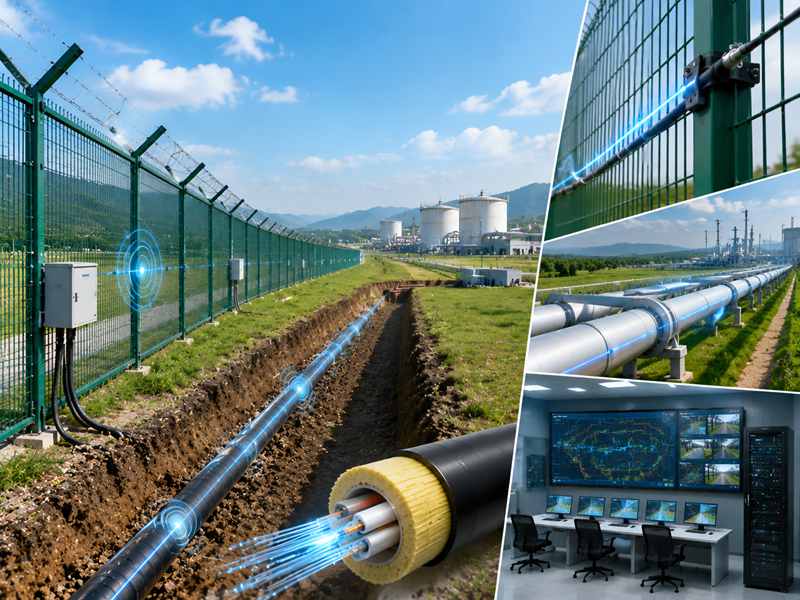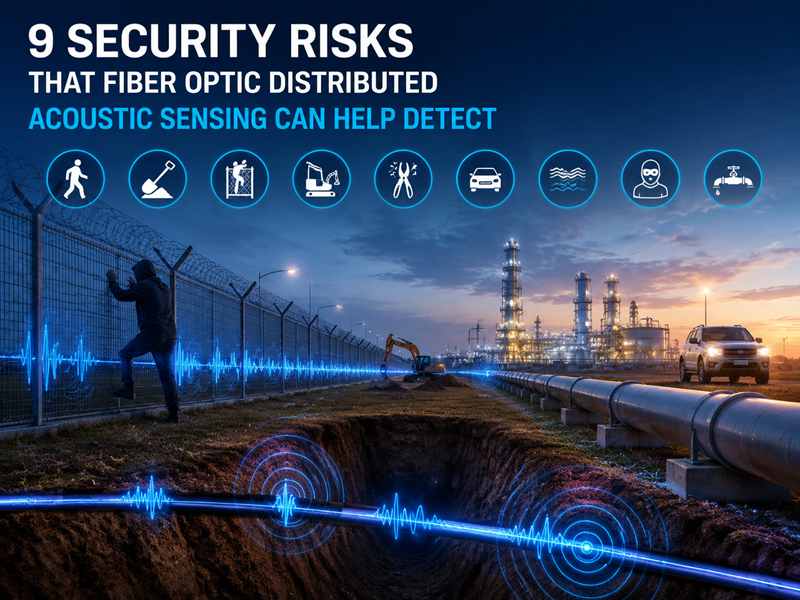
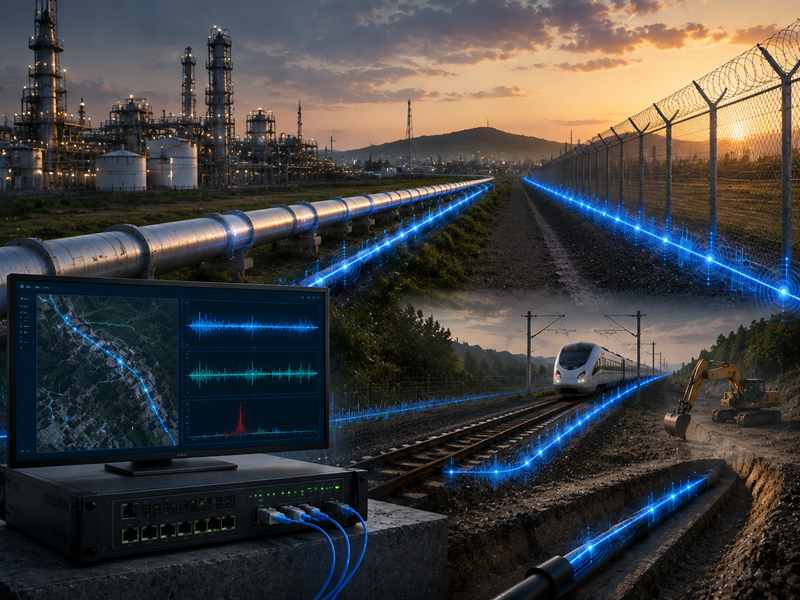
Fiber-based DAS systems deliver uninterrupted surveillance for industrial sites, capturing vibrations, trespassing and anomalous incidents via optical cables.
To pick a suitable DAS solution, engineers assess monitoring range, installation constraints, signal processing capacity, system compatibility and project hazards to guarantee stable industrial safety.
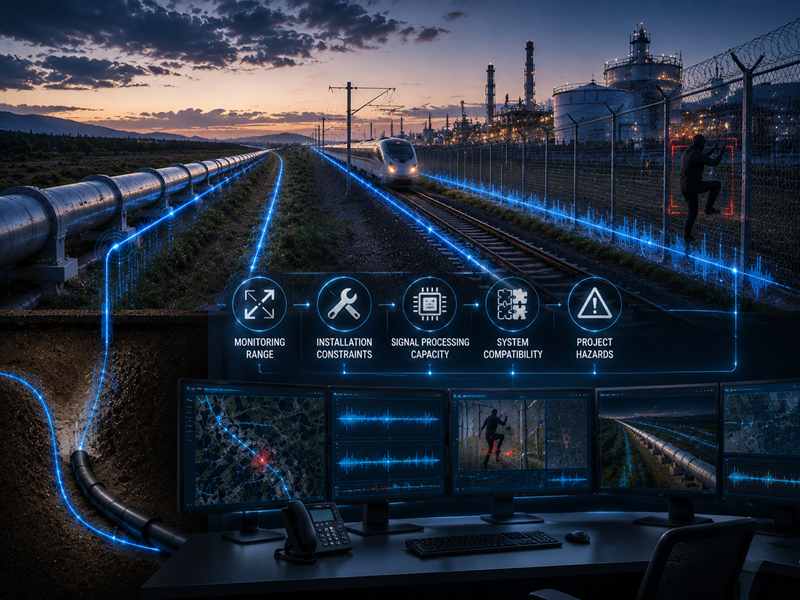
Critical Criteria to Evaluate Before Deploying DAS Equipment
| Selection Factor | Key Evaluation Point | Industrial Impact |
| Detection Distance | Fiber sensing length and coverage area | Determines whether one system can protect the entire monitoring zone |
| Location Accuracy | Event positioning capability along fiber cable | Helps security teams identify the exact abnormal point |
| Installation Method | Buried, fence-mounted, pipeline-mounted, or existing fiber network | Influences detection sensitivity and maintenance requirements |
| Environmental Adaptability | Temperature, moisture, vibration, and outdoor conditions | Ensures stable operation in harsh environments |
| System Integration | CCTV, VMS, access control, alarm platforms | Improves response efficiency |
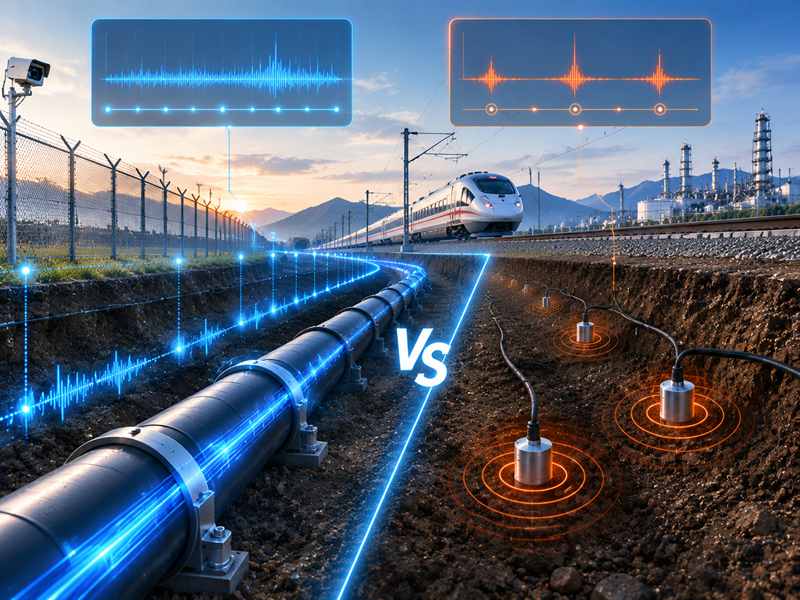
Choose distributed acoustic sensing solutions based on the physical traits of your monitoring site. Buried fiber intrusion systems need unique sensitivity adjustments unlike fence detection systems, as vibrations transfer in entirely different ways.
How Does Detection Distance Affect DAS System Selection?
Distributed acoustic sensing boasts long-range monitoring capability. Continuous fiber avoids massive discrete sensors deployed for linear industrial infrastructures.
Extended sensing length may impair signal quality and event identification, hence DAS selection needs to fit actual monitoring scope.
| Application Area | Typical Monitoring Distance Requirement | Recommended DAS Configuration |
| Industrial Perimeter | Hundreds of meters to several kilometers | Fiber optic perimeter intrusion detection system |
| Pipeline Corridor | Several kilometers to tens of kilometers | Long-range buried fiber DAS system |
| Railway Track Protection | Continuous linear monitoring | Trackside fiber sensing system |
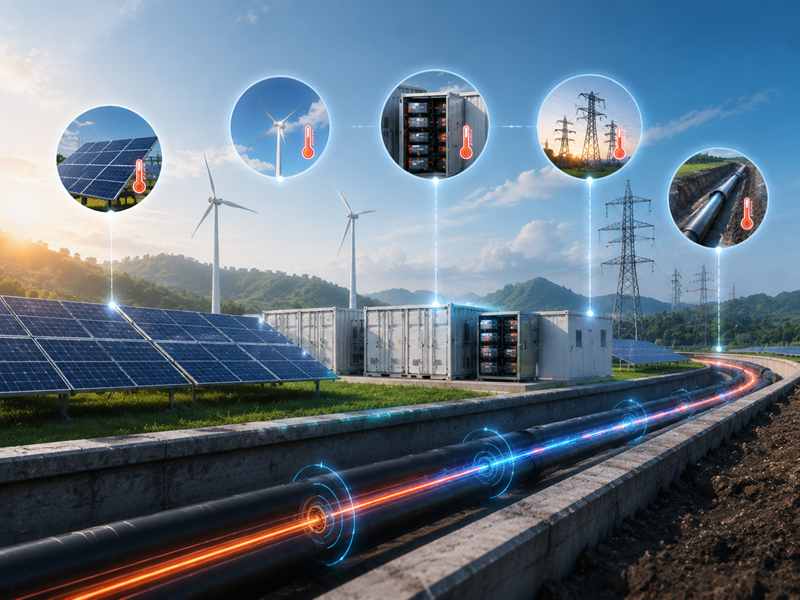
| Energy Infrastructure | Large distributed facilities | Multi-zone DAS monitoring system |
For example, buried cable intrusion detection applications often require fiber installation underground along protected routes. The system must identify activities such as digging, excavation, or unauthorized access near the cable path.
In contrast, fence intrusion detection applications focus more on detecting climbing, cutting, and forced entry behaviors. The sensing algorithm needs to distinguish human activities from environmental vibrations such as wind or rain.
What Types of DAS Systems Are Used in Industrial Applications?
DAS monitoring schemes support customized layouts adapted to diverse deployment surroundings. Proper structural design optimizes detection efficiency while eliminating redundant system complexity.
Buried Fiber Optic DAS System
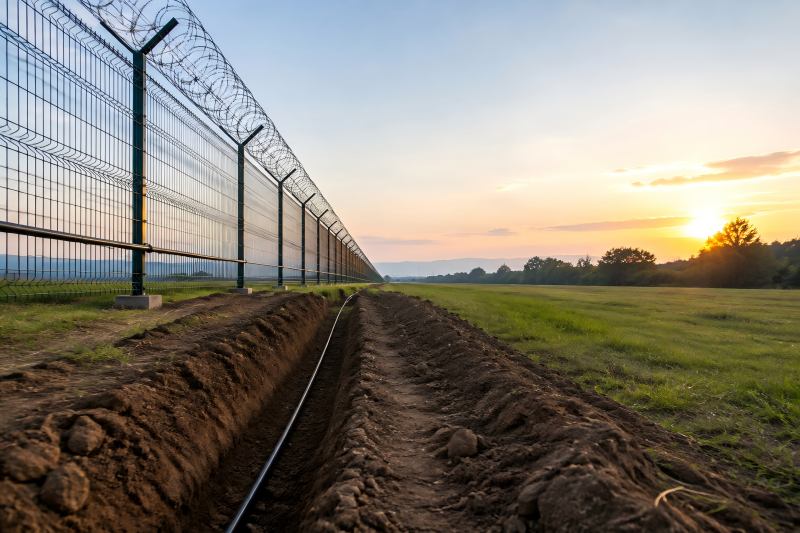
Buried fiber optic DAS systems are commonly used for underground protection applications. The sensing cable is installed below the ground surface, allowing the system to detect vibration changes caused by excavation, digging, or unauthorized approach.
Typical applications include:
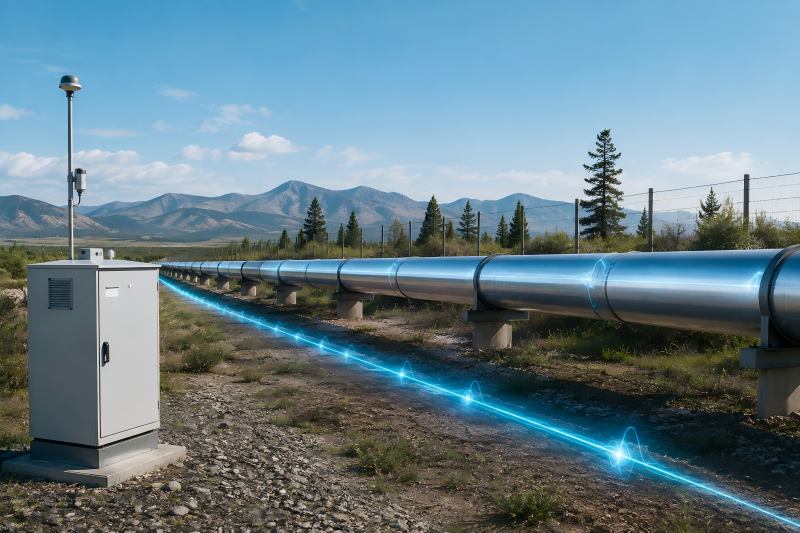
- Oil and gas pipelines
- Underground cable protection
- Utility corridors
- Restricted infrastructure zones
Fence-Mounted DAS System
Fence intrusion detection systems are designed for above-ground perimeter protection.
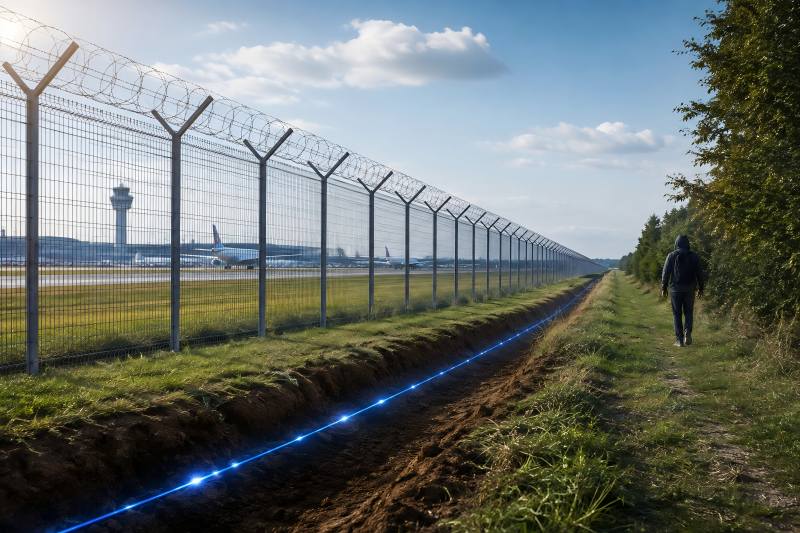
Fiber optic cables can be installed along fences, barriers, or protective structures. When external force affects the fence, the DAS system analyzes vibration patterns and identifies possible intrusion events.
Typical applications include:
- Industrial factories
- Energy facilities
- Warehouses
- Airports
- Restricted areas
Existing Fiber Network DAS Integration
Unutilized optical communication cables have been pre-installed within numerous industrial monitoring areas.
A distributed acoustic sensing can potentially utilize existing fiber infrastructure to create additional monitoring capability without installing completely new sensing lines.
This approach is suitable for:
- Railway communication networks
- Large industrial campuses
- Pipeline monitoring routes
- Transportation infrastructure
How Does Detection Accuracy Influence DAS System Performance?
A practical DAS system should provide:
- Real-time event detection
- Accurate location information
- Alarm classification
- Multi-zone management
- Integration with security platforms
For large facilities, location accuracy directly affects response time. When an alarm occurs along a long pipeline or perimeter, security personnel need precise information to quickly locate the event.
A DAS system with suitable signal processing can help separate different vibration patterns, such as:
- Human movement
- Vehicle activity
- Mechanical vibration
- Construction activity
- Environmental disturbance
DAS System Comparison Based on Installation Method
| Installation Type | Installation Location | Main Detection Target | Suitable Applications |
| Buried Fiber Installation | Underground along protected routes | Digging, excavation, underground intrusion | Pipelines, cables, utilities |
| Fence Fiber Installation | Mounted on fences or barriers | Climbing, cutting, forced entry | Factories, warehouses, facilities |
| Surface Installation | Ground surface or structures | Vibration and abnormal activities | Industrial zones |
| Existing Fiber Network Integration | Existing communication fiber | Distributed vibration events | Railway, energy, infrastructure |
Key Technical Parameters for Industrial DAS Selection
| Parameter | Recommended Evaluation Range | Application Consideration |
| Fiber Sensing Distance | Kilometer-level monitoring capability | Suitable for large linear assets |
| Detection Mode | Vibration, intrusion, abnormal activity detection | Select according to security objectives |
| Position Accuracy | Meter-level event localization | Improves alarm response |
| Communication Interface | Ethernet, RS485, industrial protocols | Supports system integration |
| Working Environment | Outdoor, underground, industrial conditions | Determines protection design |
How Does DAS Integrate With Existing Security Systems?
Modern industrial security systems rarely operate independently.
A distributed acoustic sensing solution can be connected with:
- CCTV systems
- Video Management Systems (VMS)
- Access control platforms
- Central monitoring centers
- Alarm management software
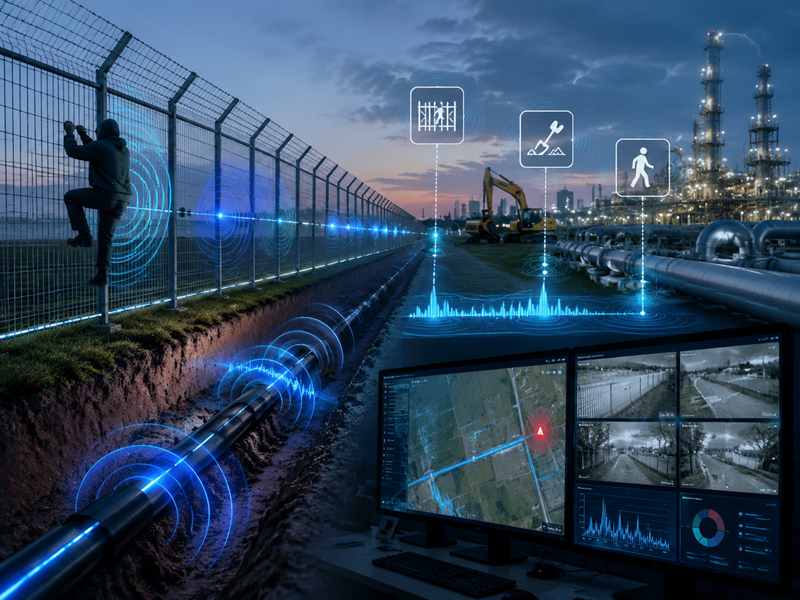
When DAS detects abnormal vibration, the system can automatically trigger linked security actions.
For example:
- Fiber sensor detects abnormal vibration.
- DAS processor analyzes event characteristics.
- Alarm location is displayed on the monitoring platform.
- CCTV automatically focuses on the relevant area.
- Security personnel receive real-time notification.
This integrated approach improves response speed and reduces dependence on manual patrol.
Custom DAS Solution Configuration Reference
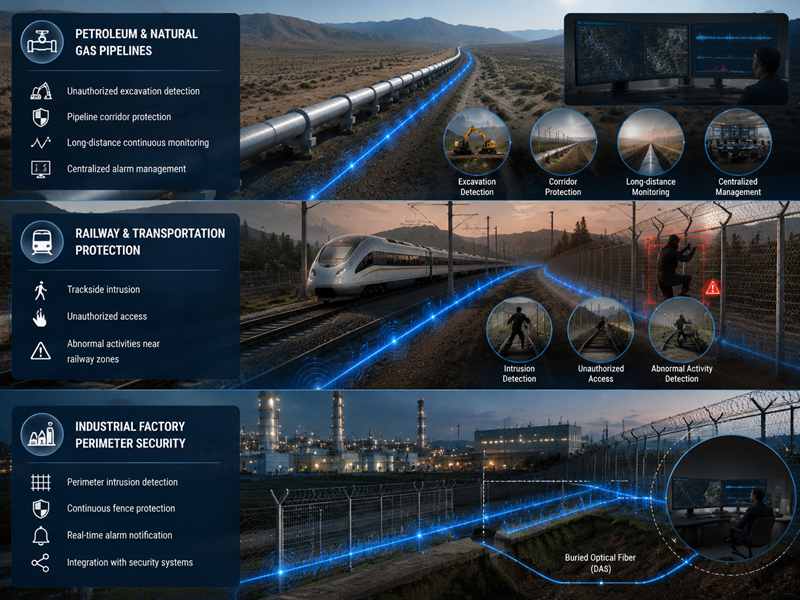
Monitoring for Petroleum and Natural Gas Pipelines
Pipeline infrastructures generally stretch for miles through isolated, hard-to-access terrains. Core monitoring demands cover the following aspects:
- Unauthorized excavation detection
- Pipeline corridor protection
- Long-distance continuous monitoring
- Centralized alarm management
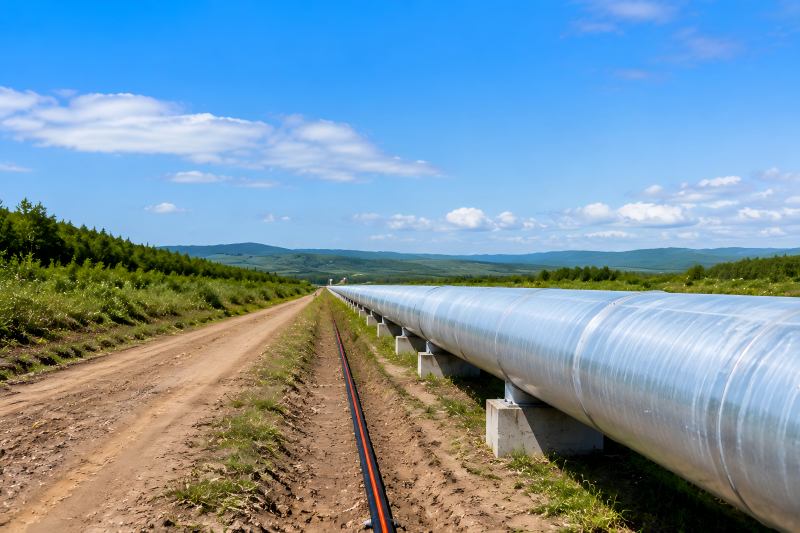
Industry practitioners frequently choose buried optical fiber DAS solutions, which realize long-distance monitoring without deploying numerous separate field detectors.
Railway and Transportation Protection
Continuous monitoring of rails, stations and exclusion zones is a fundamental demand for railway operation. The DAS monitoring system shall realize identification of the listed events:
- Trackside intrusion
- Unauthorized access
- Abnormal activities near railway zones
Industrial Factory Perimeter Security
Large factories often include:
- Production buildings
- Storage areas
- Material yards
- Restricted zones
A perimeter intrusion detection system combined with DAS technology can provide continuous protection along fences and boundaries.
DAS selection hinges on site conditions, risks and integration demands rather than mere hardware parameter comparison.
Customized DAS variants fit different industrial sites to deliver round-the-clock stable monitoring and boost security efficiency.