


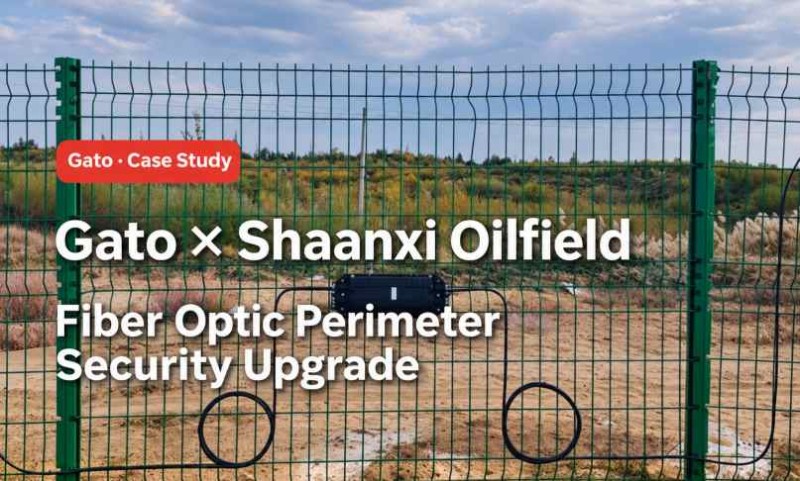
In October 2026, Gato delivered a fiber optic perimeter security upgrade for an oilfield operator in China. The project covered approximately 8 km of perimeter and replaced an existing vibration-sensing fiber optic system that had been generating frequent nuisance alarms.
The solution combined F7 distributed acoustic sensing (DAS), AI-assisted event analysis and a dual-channel fiber ring configuration. Its priorities were to reduce unnecessary alarms, maintain alarm availability following a single-point fiber break and support the site’s security team through a practical installation and commissioning process.
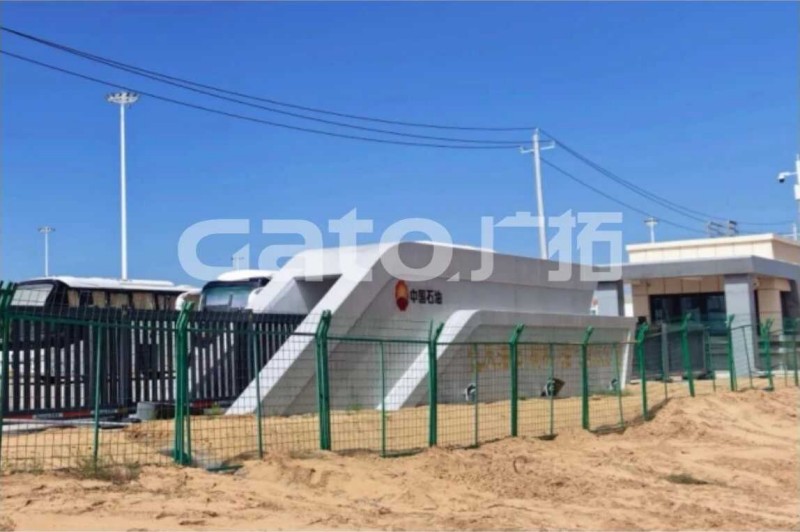
Project at a glance
- Location: China
- Client: An oilfield operator; company name not disclosed
- Project date: October 2026
- Protected perimeter: Approximately 8 km
- System: Gato F7 DAS fiber optic intrusion detection
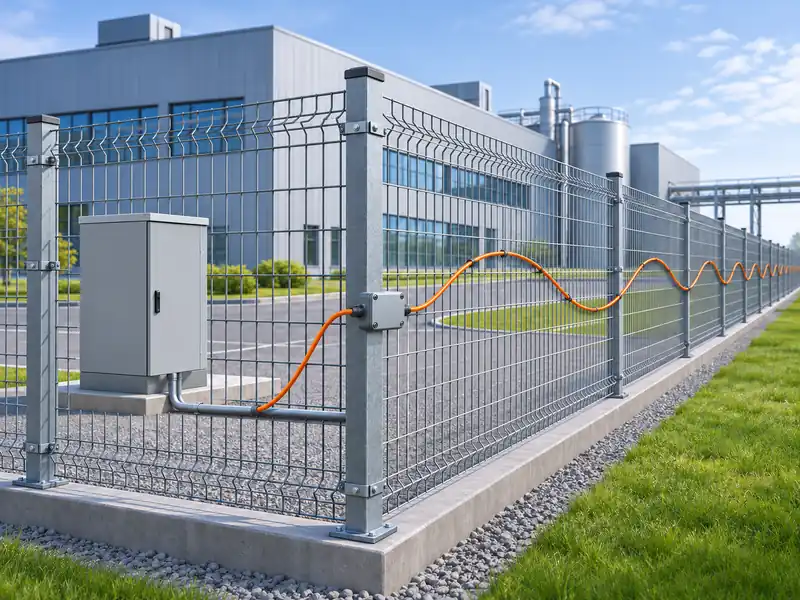
- Installation: Fence-mounted sensing cable with S-shaped routing
- Resilience design: Dual-channel fiber ring configuration
- Delivery and implementation: Equipment arrival within the requested 10-day window; installation and joint commissioning completed in approximately one month
The challenge: frequent alarms along a long industrial perimeter
The site combined an extended boundary with oilfield facilities and associated pipeline infrastructure. Monitoring this perimeter required a system that could identify relevant disturbances without repeatedly interrupting operators with unnecessary alerts.
According to the project brief, the previous vibration-sensing fiber optic system produced frequent false alarms. These alerts consumed security personnel’s attention and created a risk of alarm fatigue, making genuine intrusion signals harder to prioritize.
The upgrade also had to address a specific resilience requirement: alarm functionality needed to remain available after a single intrusion-related damage event. A design vulnerable to losing its alarm capability following one damaged fiber point would not meet the project’s stated needs.
The solution: F7 DAS with a dual-channel fiber ring
Gato developed the solution around the perimeter length, terrain and operational requirements. The scope combined sensing hardware, fence-mounted fiber, software configuration and technical support for implementation.
Vibration analysis to reduce nuisance alarms
The Gato F7 fiber optic intrusion detection system uses distributed acoustic sensing to detect and locate vibration events along an optical fiber. AI-assisted analysis helps distinguish intrusion-related activity from environmental interference.
For this project, the central objective was to improve the usefulness of alarms reaching the security team. The project material identifies wind, rain and animal activity as examples of disturbances the event analysis is intended to distinguish from intrusion activity.
Redundancy for a single-point fiber break
Gato specified a dual-channel fiber ring arrangement to address the client’s continuity requirement. As described in the project brief, the alternate channel provides an alarm path if the perimeter fiber is damaged at a single point.
This design addresses the documented single-point damage scenario. Its value lies in preserving alarm availability under that condition; it should not be interpreted as unlimited protection against multiple breaks or every possible equipment failure.
Fence-mounted sensing along the protected boundary
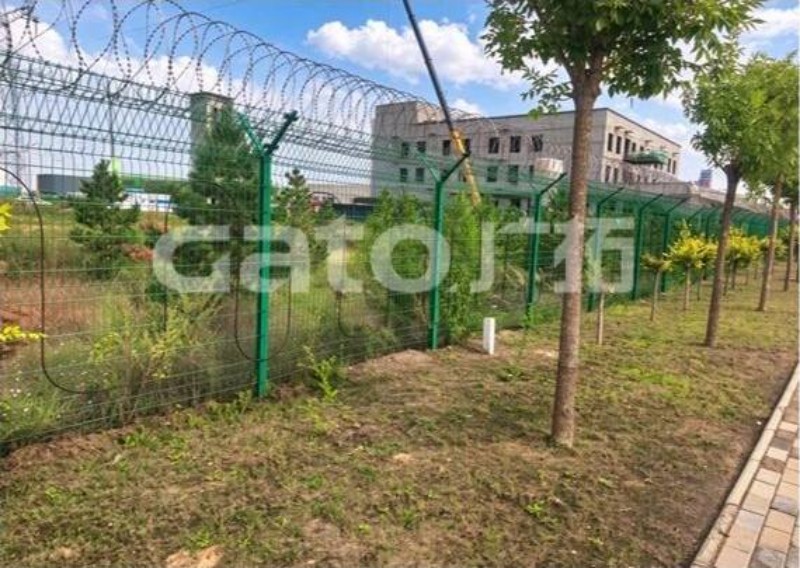
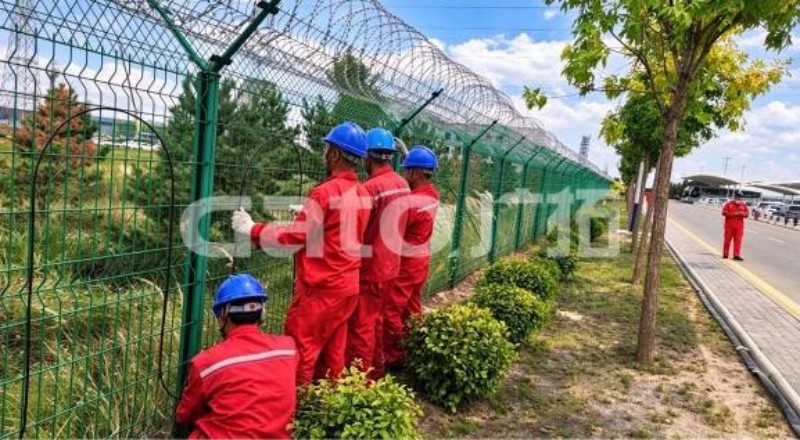
The sensing cable was routed in an S-shaped pattern along the perimeter mesh fence. The supplied site photographs show cable runs attached to green metal fencing across different boundary sections, including areas beside vegetation and internal roads.
The solution also included software-based detection zoning and provision for video surveillance linkage. These functions support a monitoring workflow in which an alarm can be associated with a defined area for further checking.
Delivery and commissioning: turning the design into an operating system
The customer compared equipment and proposals from several suppliers before selecting Gato. The project brief attributes the decision to the sensing technology, the proposed implementation approach and confidence in delivery, with acceptance from both the customer and the system integrator.
Following selection, the customer requested equipment arrival within 10 days. Gato coordinated internally to meet this delivery window.
Before installation, the teams held several technical video meetings to refine the deployment plan. After the sensing fiber had been laid, Gato’s technical engineers supported system commissioning and joint adjustment.
Installation and joint commissioning of the complete system were finished in approximately one month. The project material records successful acceptance and subsequent entry into operational use.
Reported results: fewer nuisance alarms and less operator workload
Following the upgrade, the project brief reports a substantial reduction in false alarms compared with the previous system. Under normal weather conditions, it describes operation with almost no false alarms.
The reported operational benefits included a lower monitoring burden for security personnel and improved early-warning response efficiency. Additionally, the client expressed satisfaction with the finished project.
These are qualitative findings from Gato’s project account. The available material does not specify the monitoring period, before-and-after alarm counts or a measured percentage reduction, so the results should be understood in the context of this installation.
What this project demonstrates for oilfield security upgrades
This deployment illustrates three practical considerations for operators evaluating a replacement perimeter intrusion detection system.
- Alarm quality matters: The original problem was frequent unnecessary alerts. The replacement therefore needed to address how vibration events were interpreted, as well as how the boundary was monitored.
- Resilience belongs in the design: The client’s single-damage requirement influenced the dual-channel ring configuration from the outset.
- Implementation support matters: Technical coordination before installation and engineering support during commissioning formed part of the documented delivery process.
For similar projects, the starting point is a review of the existing fence, recurring alarm causes, required damage tolerance and the team’s alarm verification workflow. These details help define an appropriate oil and gas perimeter security solution.
Discuss a similar perimeter security project
If your site is experiencing frequent nuisance alarms or needs to upgrade a long fence perimeter, share the perimeter length, fence layout, existing system and operational requirements with Gato.
Contact Gato’s technical team to discuss a suitable F7 DAS configuration, sensing cable layout and commissioning scope.



How Can We Help?
Please describe your request and how we can help.