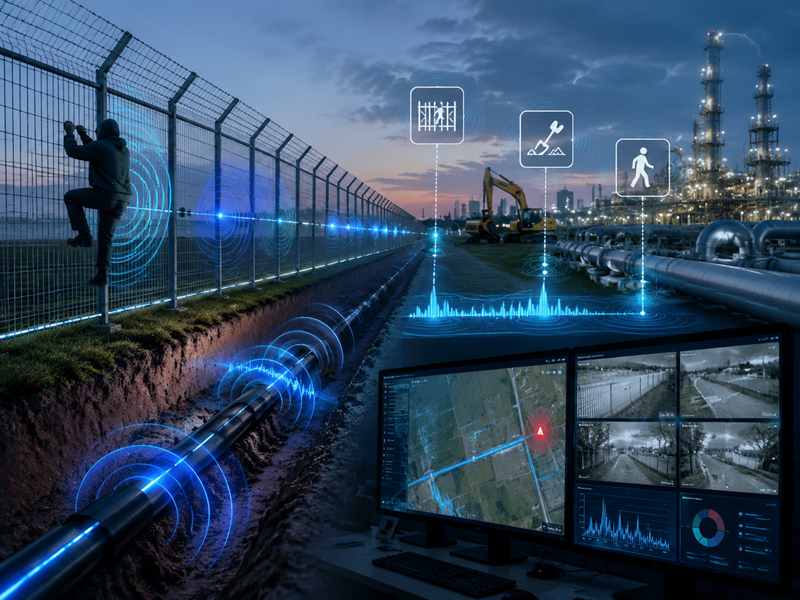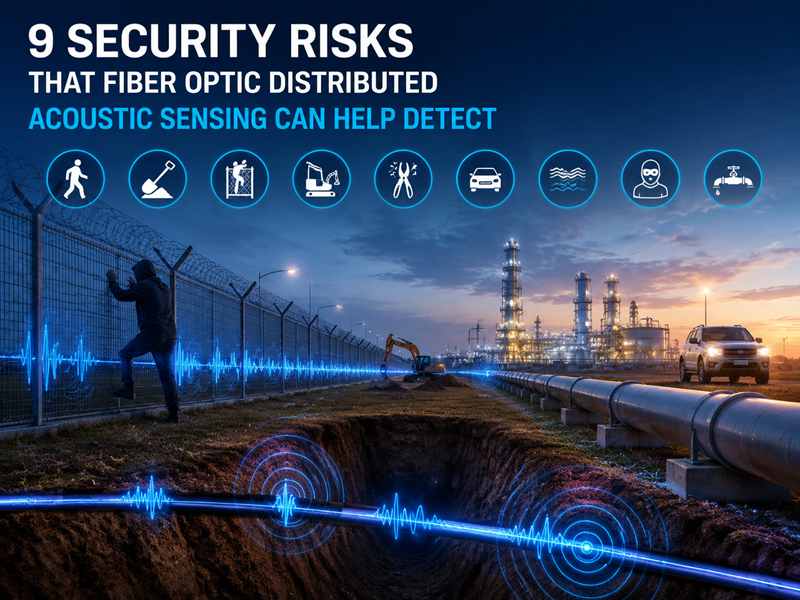
Advanced Fence Intrusion Detection Systems (FIDS) provide real-time solutions to prevent unauthorized access and threats. Gato Security leads with innovative FIDS solutions for enhanced perimeter security, offering rapid responses, precise monitoring, and seamless integration with other technologies. This article covers what FIDS are, how they work, and their applications.
What is a Fence Intrusion Detection System?
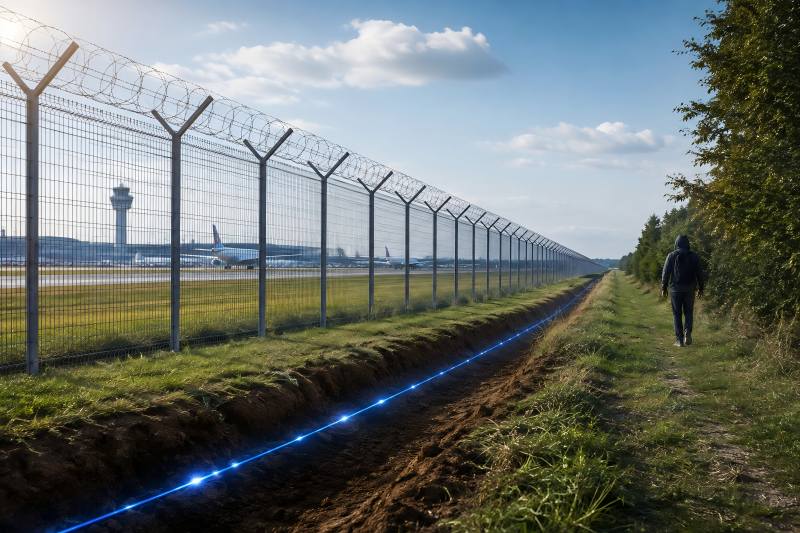
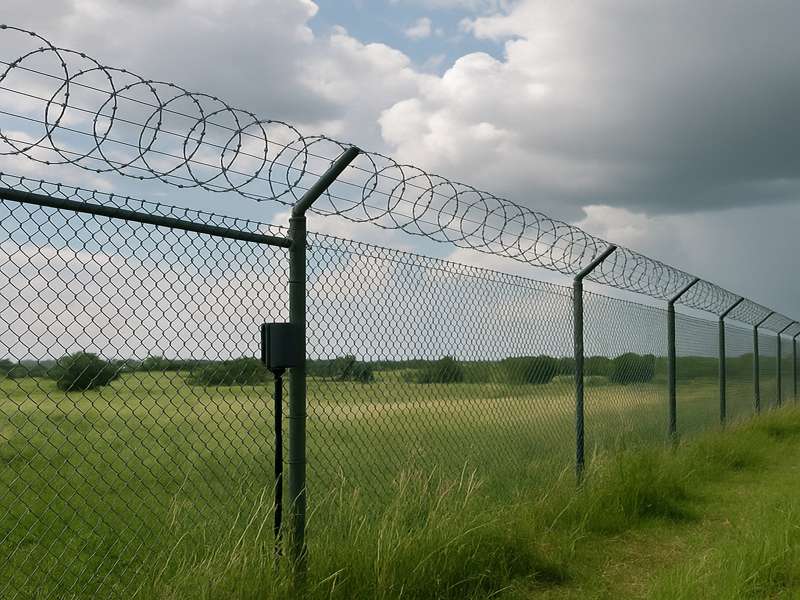
A Fence Intrusion Detection System (FIDS) is a sophisticated security solution designed to monitor the integrity of a perimeter fence. It detects and alerts security personnel about any unauthorized activity along the fence, such as climbing, cutting, or moving along it. This proactive system serves as the first line of defense against intruders, particularly in sensitive or high-risk areas where physical barriers alone are not enough to prevent breaches.
FIDS use various detection technologies to monitor the perimeter, including vibration, acoustic, fiber optic sensors, and infrared beams, which allow them to detect even the slightest disturbances. These systems are essential for protecting crucial infrastructure, military installations, power plants, and borders.
Gato Security specializes in offering adaptable FIDS solutions that include cutting-edge technology to improve its clients’ operational effectiveness and security.
How Do Intrusion Detection Systems for Fences Operate?
The operation of a FIDS involves the use of sensors placed along the fence to detect any abnormal movement or changes in environmental conditions. These sensors communicate with a central control system that evaluates the data and triggers an alert when a potential intrusion is detected.
Subsection A: Sensing Technologies
There are several technologies used in FIDS that allow them to detect disturbances along the fence line. Some of the most common technologies include:
| Technology | Working Principle | Advantages | Applications |
| Vibration Sensors | Detects movement through vibrations. | Highly sensitive to small movements. | Airports, government facilities. |
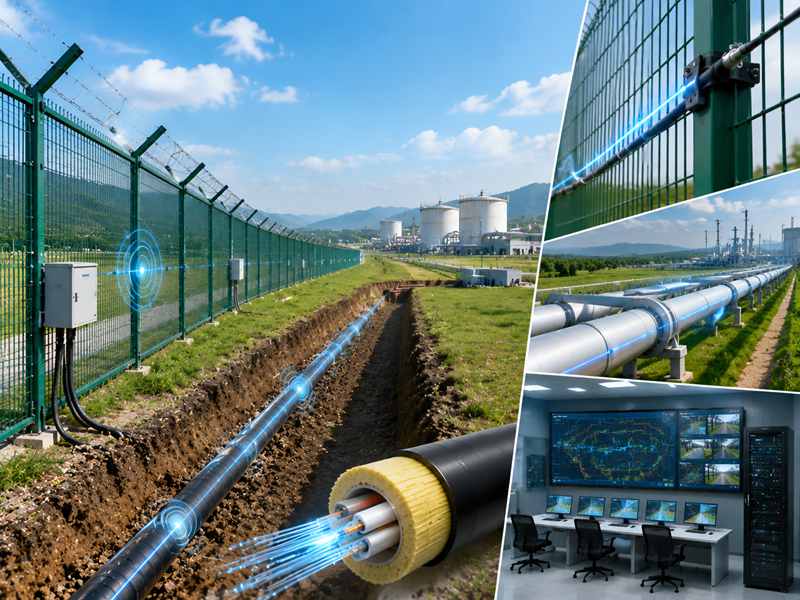
| Fiber Optic Sensors | Monitors changes in light signals within fiber cables. | Accurate, highly secure. | Critical infrastructure. |
| Infrared Beams | Uses infrared light to detect interruption. | Quick detection in open areas. | Border security, high-risk areas. |
Each of these technologies has a unique set of benefits, and the particular needs of the application determine which system is best. For example, Gato Security integrates fiber-optic sensors in high-security zones due to their robustness and precision, ensuring that intrusions are detected with minimal false alarms.
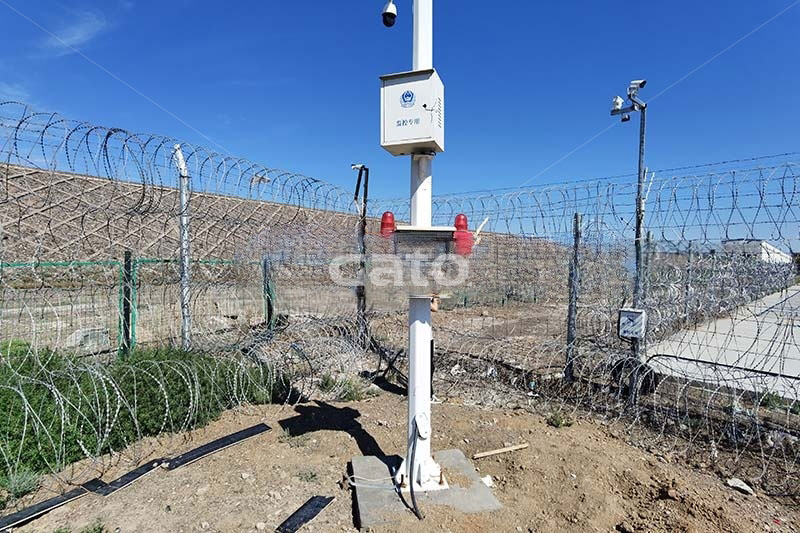
Important Elements of a Fence Intrusion Detection System
FIDS are made up of a number of essential parts that cooperate to offer complete security. These components include sensors, control panels, and power supply systems.
Subsection A: Sensors
The sensors are the heart of the system. They are responsible for detecting disturbances along the fence line. Depending on the technology used, sensors can detect vibrations, pressure changes, or even breakage in the fiber optic cables. Gato Security provides a range of sensor types, from basic vibration sensors to advanced fiber-optic sensing systems, each designed to meet the unique needs of different applications.
Subsection B: Control Panels
The control panel receives signals from the sensors, processes the data, and triggers an alert when an intrusion is detected. This central unit is also responsible for managing other aspects of the system, including system diagnostics, sensor calibration, and communication with other security systems, such as surveillance cameras and access control systems.
Subsection C: Power Supply and Backup
An uninterrupted power supply is essential for ensuring that the FIDS remains functional at all times. Backup power options from Gato Security enable the system to continue operating even in the event of a power interruption. This ensures that security is maintained without any interruption, especially in critical areas like power plants or military installations.
Different Fence Intrusion Detection System Types
In general, there are two types of FIDS: passive systems and active systems. Both types of systems offer distinct advantages based on the specific security needs.
Subsection A: Passive Systems
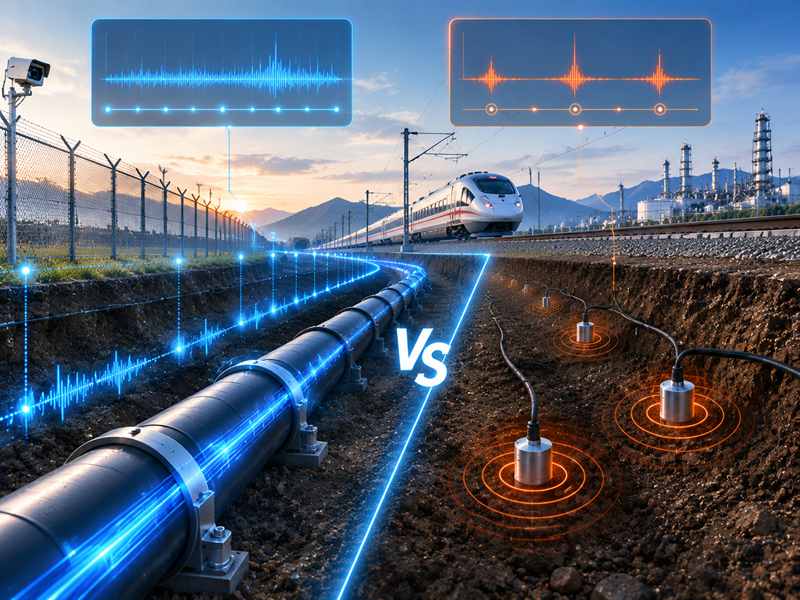
Passive systems rely on detecting natural disturbances in the environment, such as vibrations or acoustic signals, without emitting any signals of their own. These systems are typically less intrusive and more cost-effective, making them ideal for applications such as wildlife reserves or low-risk areas.
Subsection B: Active Systems
Active systems send out signals (e.g., infrared or microwave signals) along the fence and detect disruptions in these signals caused by intruders. These systems are appropriate for high-security settings like military installations, airports, and vital infrastructure since they are more sensitive and offer faster detection.
| System Type | Description | Example Use Case | Advantages |
| Passive Systems | Detects disturbances without emitting any signals. | Forests, wildlife reserves. | Cost-effective, minimal maintenance. |
| Active Systems | Uses signals that are disturbed by intruders. | Military bases, prisons. | High accuracy, customizable. |
Gato Security offers both passive and active systems, allowing clients to choose the system that best fits their security needs and budget.
Use of Intrusion Detection Systems for Fences
Numerous applications in various industries employ FIDS. Among the most popular applications are:
Section A: Essential Infrastructure
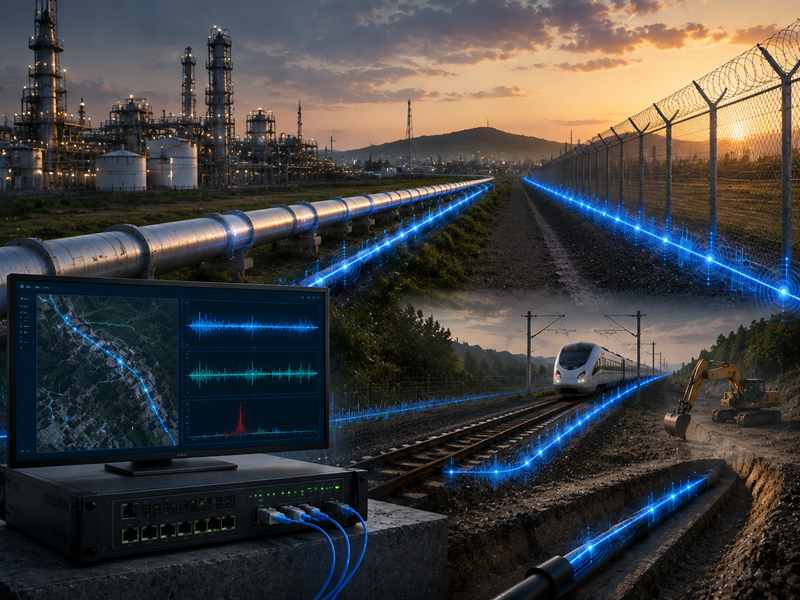
FIDS are crucial for protecting vital infrastructure, including telecommunications centers, power plants, and water treatment facilities. These systems provide real-time alerts of any unauthorized access, ensuring that vital resources are protected.
Section B: Military and Government
Government buildings and military installations frequently need more security. FIDS play a crucial role in protecting these sensitive areas from potential threats and unauthorized intrusions.
Subsection C: Industrial & Commercial
In the industrial and commercial sectors, FIDS are used to protect warehouses, factories, and data centers from theft, vandalism, and other security breaches. Businesses may guarantee complete perimeter protection by combining FIDS with other security measures like access control systems and video cameras.
Advantages of Using a Fence Intrusion Detection System
There are several key benefits to implementing a fence intrusion detection system, including:
- Enhanced Security: Provides real-time detection of intrusions, allowing for a swift response.
- Cost-Effectiveness: Reduces the need for large security teams while maintaining high security levels.
- Deterrent Effect: Potential intruders are discouraged by the loud or visible alerts.
| Advantage | Explanation |
| Enhanced Security | Provides immediate detection and faster response times. |
| Cost-Effective | Minimizes the need for human patrols or security guards. |
| Scalability | Easily expandable to cover large perimeters with minimal additional infrastructure. |
Gato Security ensures that all systems are scalable, allowing businesses to expand their security as needed.
Challenges of Fence Intrusion Detection Systems
Despite their effectiveness, FIDS face certain challenges, such as:
- Environmental Interference: Factors like wind, rain, and animals can cause false alarms or reduce the effectiveness of the system.
- False Alarms: Some systems may trigger alerts for non-threatening events, which can reduce the reliability of the system.
- Maintenance: Like any security system, FIDS require regular maintenance and calibration to ensure optimal performance.
Future Trends in Fence Intrusion Detection Systems
The future of FIDS is heavily influenced by emerging technologies, including:
Subsection A: Integration with IoT and Smart Technologies
The integration of Internet of Things (IoT) technology into FIDS is revolutionizing perimeter security. By enabling real-time monitoring and control from any location, IoT-based systems offer increased flexibility and response times.
Subsection B: Artificial Intelligence and Machine Learning
Artificial intelligence (AI) is being incorporated into FIDS to reduce false alarms and improve detection accuracy. AI algorithms can analyze patterns and make decisions based on historical data, significantly improving the system’s reliability.
Subsection C: Advanced Sensors
New sensor technologies, such as low-power, long-range sensors, are being developed to enhance detection and reduce maintenance costs. These sensors are particularly useful in remote locations.
Gato Security is actively investing in these technologies to provide next-generation FIDS solutions that meet the evolving needs of clients.
Fence Intrusion Detection Systems are essential for modern security, providing real-time detection and minimizing unauthorized access risks. Gato Security leads innovation with tailored FIDS solutions, integrating IoT, AI, and fiber optics for unmatched accuracy, reliability, and scalability. Whether securing critical infrastructure or commercial properties, FIDS are vital for maintaining top-tier security.