August 26, 2025

Perimeter Security
Blogs

What Is Perimeter Security? (A Complete, Practical Guide)

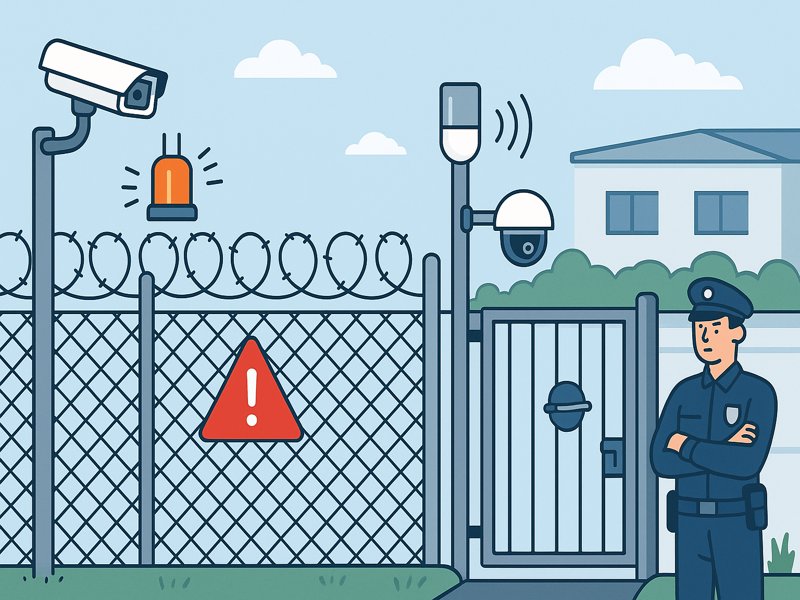
Perimeter security is the practice of protecting the outer boundary of a site so that threats are deterred, detected, delayed, and responded to before they affect people, assets, or operations. It blends physical barriers, sensing technologies, communications, trained personnel, and procedures into a layered system tailored to the risks of industrial plants, data centers, logistics hubs, utilities, airports, campuses, and other commercial environments. Done well, it reduces loss, downtime, and liability while enabling safe, efficient operations. Core Definitions & Concepts Perimeter vs. boundary vs. secure zone. The perimeter is the outermost boundary of control—often a fence line, property line, or virtual geofence on water or air approaches. Inside it, sites usually define zones: public, controlled, restricted, and critical. Each inner zone increases scrutiny and controls. The Deter–Detect–Delay–Respond–Recover model. Deter with signage, lighting, fencing, and visible patrols. Detect with sensors, cameras, analytics, and alarms. Delay using barriers, locks, sally ports, and distance. Respond via guards, first responders, and automated workflows. Recover by restoring service, preserving evidence, and learning from incidents. Defense-in-depth. No single sensor or barrier is perfect. Layering independent measures lowers the chance of a single point of failure and helps filter false and nuisance alarms. CPTED (Crime Prevention Through Environmental Design). Sightlines, landscaping, lighting uniformity, and controlled access points reduce concealment and opportunities for intrusion. Threat Landscape Threat actors: opportunistic thieves, organized crime, activist groups, disgruntled insiders, and curious trespassers. Tactics: cutting/climbing fences, tailgating vehicles, ramming gates, tampering with sensors, approaching by water, tunneling, drone overflights, and credential misuse. Environmental/operational hazards: wildlife, wind-blown debris, heavy rain/fog, RF interference, and construction works on or near the fence line. Risk framing: Combine likelihood (how often a tactic occurs) and impact (safety, financial loss, operational downtime, regulatory exposure). Focus investment where the product of likelihood × impact is highest. Perimeter Types & Use Cases Open perimeters: corporate campuses, parks. Emphasis on subtle deterrence, lighting, and video analytics. Fenced/controlled perimeters: manufacturing plants, warehouses. Typical mix of fencing, gates, ALPR, visitor controls, and multi-sensor detection. High-security sites: data centers, utilities, ports/airports. Dual fences with sterile zones, thermal/radar coverage, rigorous access control, and strict logging. Special perimeters: waterfronts, roofs, rail sidings, tunnels, and temporary/event perimeters requiring portable barriers and wireless sensing. Design Methodology (End-to-End) Define assets, threats, and risk tolerance. Map what you’re protecting and what failure looks like. Zoning & segmentation. Plan concentric layers and sterile zones between fences. Site survey. Terrain/soil conditions, drainage, line-of-sight, light levels, RF/EMI noise, prevailing winds, vegetation, and wildlife patterns. Requirements & metrics. Set target probability of detection (Pd), false alarm rate (FAR), nuisance alarm rate (NAR), availability, privacy, and safety expectations. Architecture selection. Choose barriers, sensors, communications, power, and C2 (command-and-control) platform. Validation & acceptance. Define test scripts (factory/site), performance acceptance criteria, documentation, and training deliverables. Physical Layer Components Barriers: anti-cut/anti-climb mesh, welded panels, T-walls, berms/ditches. Specify height, mesh aperture, topping (e.g., outriggers), and foundations suited to soil type and frost lines. Vehicle mitigation: fixed or retractable bollards, wedge barriers, crash-rated gates, and sally ports with interlocks. Portals & locks: doors/turnstiles (optical and full-height), locks (fail-safe vs. fail-secure), anti-passback policies. Lighting: uniformity ratio and vertical illumination matter more than raw lumens. Avoid glare and light trespass; consider dark-sky compliance while ensuring camera performance. Detection & Sensing Technologies Fence-mounted sensors: microphonic/accelerometer cables and fiber-optic sensing detect cut/climb events on the fence fabric. Ground/buried sensors: seismic, magnetic, pressure, and leaky coax systems form invisible trip lines along the boundary. Volumetric sensors: active infrared beams, microwave, radar, LiDAR, and PIR arrays cover areas between the fence and buildings. Video surveillance: fixed, PTZ, thermal, and multispectral cameras; analytics for line-crossing, loitering, person/vehicle classification. Electrified fencing: adds strong deterrence and detection (alarm on cut/short). Apply strict electrical safety and signage. Intercoms & call points: give people a way to request help without breaching the perimeter. Quick comparison (illustrative): Technology Typical Use Coverage Strengths Limitations Fence-mounted cable Fence lines Linear, continuous Localizes cut/climb, discreet Sensitive to loose panels/vegetation Fiber-optic fence High-security fences Long runs, zoneable EMI-immune, precise localization Higher CapEx, skilled tuning Buried sensor Invisible trip lines Linear zones Covert, weather-agnostic Complex civil works; soil-dependent Microwave Sterile zones Wide volumetric Strong in fog/dust, long range Multipath near metal Active IR beams Gate lines/roofs Beam paths Sharp trip lines Fog/snow occlusion Radar Wide-area Fan volumes Tracks moving objects Costs/false returns in clutter Thermal cameras Long perimeters Line-of-sight Works in darkness, detects humans Cost; needs analytics Visible cameras + analytics General LoS & zones Evidence + verification Lighting & shadows Privacy, Ethics & Legal Be transparent: signage at entries, purpose limitation for data use, and retention policies appropriate to risk. Mask private spaces, enable privacy zones in cameras, and consider privacy impact assessments for analytics and biometrics. Balance deterrence with user experience—especially on mixed-use campuses and public-facing sites. Environmental & Site Challenges Design for temperature extremes, icing, salt fog, dust/sand, and corrosive atmospheres. Select enclosures and finishes accordingly (e.g., stainless hardware, powder-coated or hot-dip galvanized steel). Mitigate vegetation (scheduled trimming), terrain masking (elevated poles, overlapping coverage), RF interference (spectrum planning), and lightning (bonding/grounding, surge protection). Procurement & Budgeting Model TCO across 5–10 years: CapEx (civil works, hardware, software licenses) and OpEx (monitoring, maintenance, spares, connectivity). Phase deployments: start with high-risk segments and quick wins (lighting, analytics), then expand. In RFPs, specify performance metrics, environmental test cases, cybersecurity hardening requirements, training hours, and support SLAs—not just parts lists. Installation & Commissioning Coordinate civil works (trenching, footings) with cable paths and drainage. Document device placement and run calibration (e.g., fence sensor tension, radar zones, camera FOVs with height charts). Execute acceptance scripts: walk-tests at set intervals, vehicle approaches at gates, alarm workflows from sensor through operator acknowledgment to dispatch logging. Capture as-built drawings and a complete asset register with firmware versions. Maintenance & Lifecycle Adopt a preventive maintenance schedule: fence torque checks, camera cleaning, desiccant replacement, heater verification, re-aiming after storms, sensor recalibration, and vegetation control. Maintain firmware lifecycles, backups, and vulnerability scans. Plan for end-of-life hardware and feature updates; avoid single-vendor lock-in where possible. Vertical-Specific Design Notes Utilities
PIDS Cost Installtaion
Blogs

How Much Does a Perimeter Intrusion Detection System (PIDS) Cost?

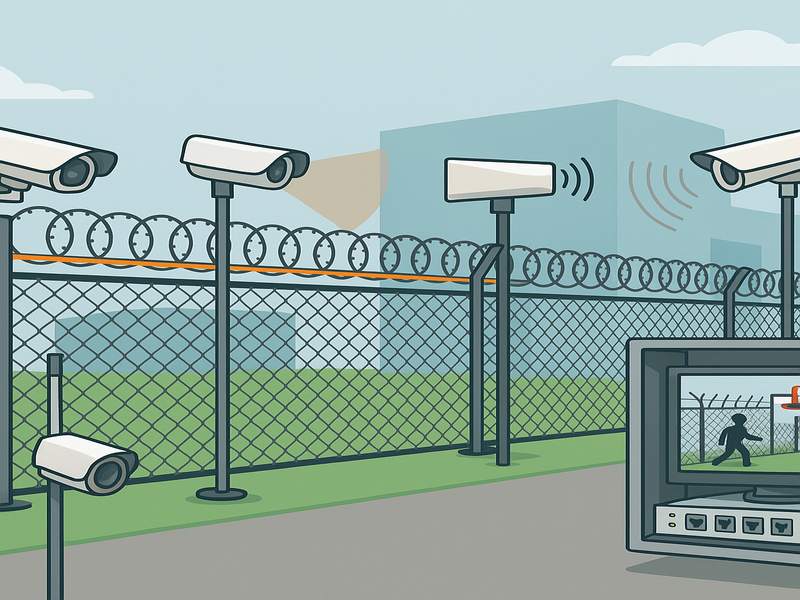
A Perimeter Intrusion Detection System (PIDS) is a critical security measure designed to detect, deter, and delay intrusions before they reach your facility’s interior. Determining the cost of a PIDS isn’t as simple as looking at one number — it’s influenced by multiple factors, including perimeter length, risk level, terrain complexity, environmental conditions, chosen technology, and integration requirements. Understanding PIDS and Its Cost Structure A PIDS is not a single device but a system combining physical components (barriers, gates) with electronic detection (sensors, cameras, analytics) and integration into a command-and-control (C2) platform. Typical Components Sensors: fence-mounted vibration sensors, buried seismic detectors, microwave or radar units. Verification systems: video cameras, thermal imagers, analytics software. Barriers: fences, gates, vehicle blockers. Infrastructure: poles, mounts, trenching, cable pathways, and power supply. Communications: fiber optic, copper, or wireless backhaul. Control & monitoring: VMS/PSIM, alarm servers, storage. Key Factors That Influence PIDS Cost The cost per meter or per project varies widely depending on: Perimeter length & layout: Longer and irregular perimeters require more hardware, poles, and cabling. Security level: High-risk sites demand dual-layer detection, redundancy, and higher Pd/FAR performance. Technology type: The chosen sensor plays a key role in determining overall cost. Environmental challenges: Harsh climates, wildlife, and electromagnetic interference can add to installation and maintenance expenses. Integration complexity: Linking PIDS to existing CCTV, access control, or PSIM increases cost. Regional variations: Labor rates, import duties, and compliance costs differ by location. Major Cost Categories Capital Expenditure (CAPEX) Hardware: Sensors, processors, cameras, energizers, gates, poles, and cabinets. Civil works: Trenching, concrete footings, mounting structures. Networking: Switches, fiber runs, wireless bridges. Power systems: UPS, backup generators, solar for remote segments. Software & licenses: VMS, analytics, health monitoring. Design & engineering: Risk assessment, coverage modeling, IFC drawings. Operational Expenditure (OPEX) Preventive maintenance: Cleaning lenses, recalibrating sensors, and vegetation trimming. Repairs & replacements: Spare cables, power supplies, and damaged sensor units. Monitoring costs: On-site or remote SOC. Software renewals: License fees, firmware updates. Utilities: Electricity and network costs. Total Cost of Ownership (TCO) Combines CAPEX and OPEX over 5–10 years. Includes depreciation and technology refresh cycles. Typical Technology Options and Costs Technology Typical Cost (USD) per Meter Pros Cons Maintenance Load Fence-mounted cable (microphonic) $50–$120 Good PD, moderate cost Sensitive to fence looseness Low–Medium Fiber-optic fence sensing $100–$200 EMI-immune, precise location High upfront cost Low Buried seismic/magnetic $150–$300 Invisible, covers open areas Civil works heavy Medium Microwave barrier $80–$150 Wide coverage, weather-tolerant Multipath issues Low Active IR beams $60–$100 Defined detection lines Fog/snow occlusion Low Radar $200–$400 Tracks moving targets Costly Low Thermal camera + analytics $5,000–$8,000 per unit Works in total darkness High cost Low Example Pricing Scenarios Scenario A — Small Warehouse (500 m perimeter) Configuration: Fence-mounted microphonic cable + fixed cameras for verification. Sensors: $35,000 Cameras & VMS: $20,000 Poles, mounts, cabling: $15,000 Power & network: $10,000 Civil works: $8,000 Software licenses: $7,000 Total CAPEX: ~$95,000 ($190/m) Annual OPEX: ~$8,000 (maintenance + licenses) Scenario B — Medium Industrial Site (2 km perimeter) Configuration: Dual-technology microwave + thermal cameras at gates, integrated with access control. Sensors: $250,000 Cameras & analytics: $180,000 Infrastructure: $90,000 Power & network: $60,000 Civil works: $55,000 Software licenses: $40,000 Total CAPEX: ~$675,000 ($337/m) Annual OPEX: ~$45,000 Scenario C — Critical Utility (8 km perimeter) Configuration: Fiber DAS + radar at water approaches, high redundancy, solar-powered remote zones. Sensors: $1,200,000 Radar & cameras: $900,000 Infrastructure: $400,000 Power (solar + backup): $250,000 Civil works: $300,000 Software licenses: $120,000 Total CAPEX: ~$3,170,000 ($396/m) Annual OPEX: ~$160,000 Hidden or Overlooked Costs Permits and compliance (electrified fences, environmental protection). Training for operators and technicians. Spare parts inventory for rapid repair. Downtime contingencies and temporary measures. Cost Optimization Strategies Deploy in phases, prioritizing high-risk zones. Combine lower-cost sensors with targeted high-end verification. Reuse existing poles, ducts, and power lines. Standardize equipment to simplify spares and maintenance. ROI Considerations Reduction in theft/vandalism incidents. Lower insurance premiums. Labor cost savings from automated detection. Avoidance of downtime for critical operations. Procurement Models Outright purchase: higher upfront cost, full ownership. Leasing: spreads cost, may include maintenance. Managed service: per-meter/month fee with performance SLAs. The cost of a PIDS can range from under $200 per meter for basic systems to over $400 per meter for advanced, high-security setups. The right solution balances performance, resilience, and budget. Start with a risk assessment, set measurable performance targets, and design with scalability in mind.

Electric Fence Alarm System for Your Size
Blogs

How to Choose the Best Electric Fence Alarm System for Your Size

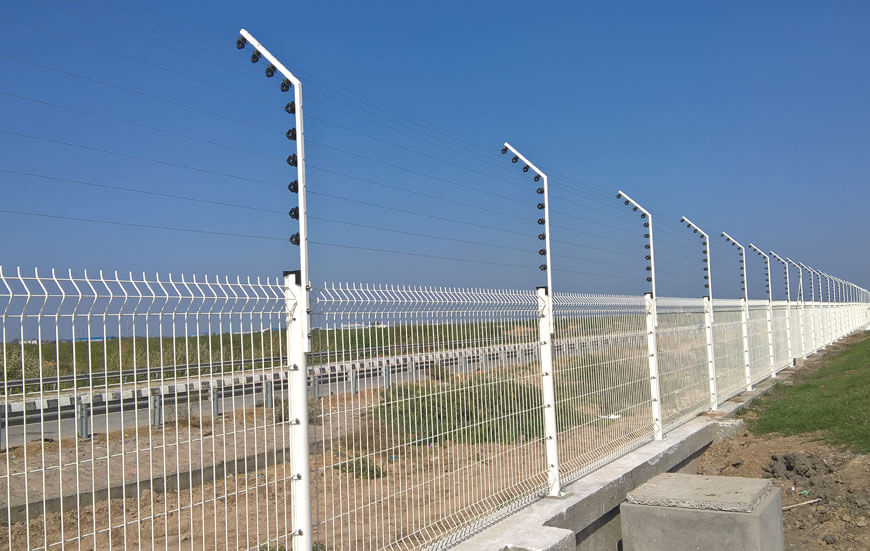
An electric fence is more than a physical barrier—it’s a proactive security measure designed to detect and deter intrusions before they escalate. However, no matter how sturdy an electric fence may be, it can only achieve its full potential when combined with the appropriate electric fence alarm system. Whether you’re protecting a small property, a mid-sized industrial site, or an extensive perimeter, matching your alarm system to your fence’s dimensions and complexity is essential for cost efficiency, performance, and long-term reliability. Grasping how electric fence alarm systems work Before diving into sizing considerations, it’s important to understand exactly what an electric fence alarm system does and the different types available. Their Nature and Functioning An electric fence alarm system is essentially a continuous monitoring device for an electrified perimeter. It works by detecting changes in the electrical properties of the fence and triggering an alert when certain thresholds are breached. A typical system includes: Detection unit – constantly measures voltage, current, and continuity along the fence wires. Control panel – processes input from the detection unit and determines whether an alarm should activate. Alarm outputs – can include sirens, strobe lights, SMS or GSM notifications, and integration with CCTV or central security platforms. When the system senses a voltage drop (from tampering or a fault), a wire break, or a short circuit (caused by grounding or conductive contact), it triggers the alarm. The goal is to ensure that security personnel are alerted within seconds. Types of Electric Fence Alarm Systems Voltage Drop Alarms Activate when the voltage of the fence goes under a specified threshold. Simple, cost-effective, ideal for small to medium installations. Line Break Detectors Detect physical breaks or severe tension changes in fence wires. Often used in high-security environments. Multi-Sensor Systems Combine voltage drop, break detection, and grounding detection. Minimize false alarms by cross-referencing multiple detection methods. Networked / Remote Monitoring Systems Send alerts to central control rooms, security management software, or mobile devices. Essential for large sites and multi-site operations. Why Fence Size Matters in Alarm Selection The length, layout, and complexity of your fence have a direct impact on: Signal quality and stability – Long runs can lead to voltage loss. Monitoring strategy – Larger perimeters need zoning to locate incidents quickly. Response time – The bigger the fence, the more critical it is to pinpoint a breach immediately. Small Fences (Under 500 m) Typical environments: Small warehouses Storage yards Private residential properties Challenges: Budget constraints Simple layouts with one or two entry points Less manpower for complex system management Best-fit solution: Standalone voltage drop alarms with integrated sirens/lights Optional GSM module for text alerts Minimal wiring, quick installation Medium Fences (500 m – 2 km) Typical environments: Business parks Mid-sized factories Regional distribution hubs Challenges: Multiple access points Risk of targeted intrusion in a specific section Need for partial disarming for maintenance Best-fit solution: Multi-zone wired or wireless systems Adjustable sensitivity for each zone Local and remote alert capabilities Large Fences (Over 2 km) Typical environments: Airports Ports Correctional facilities Military installations Challenges: Vast coverage areas Mixed terrain and environmental conditions Multiple patrol teams Best-fit solution: Multi-sensor, multi-zone integrated systems Centralized control room monitoring CCTV integration for instant visual verification Key Factors to Consider When Choosing Sensitivity vs. False Alarms High sensitivity reduces missed detections but can cause nuisance alarms from wildlife, weather, or vegetation. Look for systems with programmable thresholds and false alarm filtering algorithms. Signal Transmission Wired: Most reliable for short to medium distances; less prone to interference. Wireless: Easier for complex terrain; may require repeaters for long distances. Hybrid: Offers redundancy and flexibility, often used in large-scale installations. Power Supply & Backup AC mains for urban sites. Solar power for remote sites. Battery backup to maintain uptime during outages. Expandability & Integration The system should integrate with CCTV, access control, and security management software. Expandable systems allow for additional zones or features as the site grows. Recommended Configurations by Fence Size Fence Size Typical Length Recommended System Type Key Features Advantages Example Use Cases Small Under 500 m Standalone voltage drop alarm with integrated siren/light Simple voltage monitoring, local audible/visual alert, optional SMS notification Low cost, easy setup, minimal maintenance Private residences, small warehouses, storage yards Medium 500 m – 2 km Zoned wired/wireless alarm system Multi-zone monitoring, central control panel, adjustable sensitivity, local + remote alerts Isolates issues to specific zones, scalable for future expansion Business parks, logistics hubs, mid-sized industrial sites Large Over 2 km Multi-sensor, multi-zone integrated system Voltage, break, and grounding detection, remote monitoring, CCTV integration, redundant power supply Maximum coverage, reduced false alarms, instant response from the control room Airports, ports, correctional facilities, military bases Installation & Maintenance Tips Strategic placement: Place detection units at high-risk areas such as gates and secluded sections. Regular testing: Monthly tests keep systems reliable. Vegetation control: Overgrowth can cause false alarms and grounding issues. Seasonal adjustments: Recheck sensitivity settings during rainy or snowy seasons. Record keeping: Maintain logs of tests, incidents, and system adjustments. Common Mistakes to Avoid Choosing only by price – Cheap systems can lead to higher costs from false alarms or missed detections. Ignoring backup power – A fence without power is an open invitation. Failing to zone large fences – Without zoning, response times increase dramatically. Overcomplicating small sites – Avoid paying for advanced features that won’t be used. 8. Buying Checklist Determine fence length and layout. Identify high-risk areas and prioritise them. Decide on wired, wireless, or hybrid communication. Check integration options with existing security infrastructure. Review local regulations for alarm volume and monitoring requirements.  Consider future expansion plans. Choosing the right electric fence alarm system for your size is a strategic investment in perimeter security. Small fences thrive on simple, integrated solutions with local alerts. Medium fences need zoned flexibility and remote alerting for efficiency. Large fences require multi-sensor integration with control room connectivity and layered redundancy. When properly matched to your perimeter size, your electric fence alarm system becomes more than just a

High vs. Low Voltage Electric Fences
Blogs

High vs. Low Voltage Electric Fences: Pros, Cons, and Best Uses

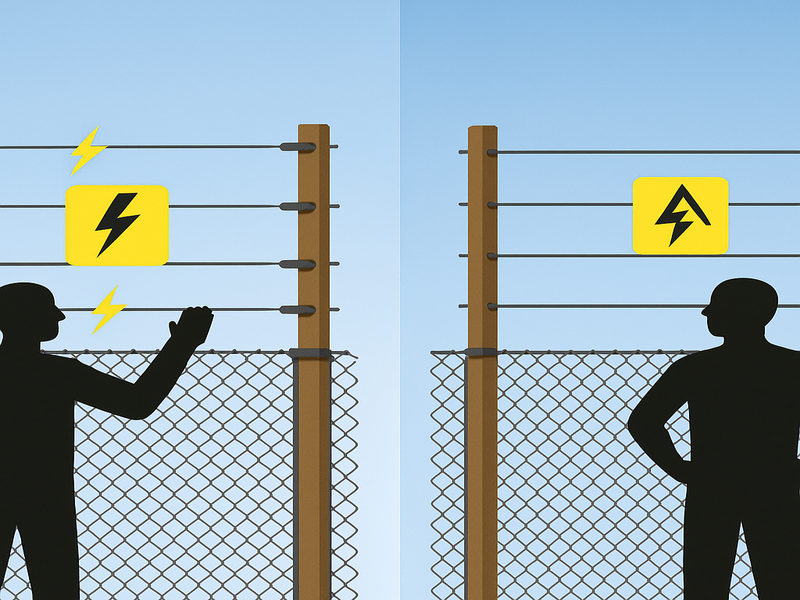
Electric fences are widely used in industrial sites, warehouses, airports, ports, correctional facilities, government installations, gated communities, and high-value private estates. While the materials and layouts may vary, one technical choice influences performance more than most: voltage level. A high voltage electric fence delivers a stronger, more forceful shock, while a low voltage electric fence provides a milder but still noticeable deterrent. The decision affects security strength, public safety, installation cost, and long-term maintenance. Basics of Electric Fence Voltage How Electric Fences Work At the core of every electric fence is the energizer (also called a charger). This apparatus transforms power into high-voltage pulses from a battery or mains supply. These pulses—typically lasting just milliseconds—are sent along conductive wires or tapes. When a person or animal touches the electrified wire, the electrical circuit completes through the ground system, delivering a brief, controlled shock. The aim is deterrence, not injury. Pulse-based delivery is a safety feature that prevents continuous current flow. What High and Low Voltage Mean In perimeter security: High Voltage: Operates around 5,000–12,000 volts, delivering a powerful deterrent capable of penetrating basic insulation or heavy clothing. Low Voltage: Operates around 2,000–5,000 volts, offering a milder shock suitable for environments where public safety is a higher priority. The voltage itself is not what causes injury—current (amperage) and pulse duration matter more. However, voltage determines how easily the electrical charge can pass through materials like clothing or vegetation. Factors Affecting Voltage Delivery Even with a high-voltage energizer, real-world performance can vary: Conductor Resistance – High-resistance wire reduces voltage over distance. Insulation Quality – Poor insulators can cause leakage and voltage drop. Grounding System – An inadequate ground can reduce fence effectiveness by over 50%. Environmental Conditions – Wet foliage, snow, and salt spray can all influence conductivity and shock strength. High Voltage Electric Fences Overview High-voltage fences are built for maximum security. Vital infrastructure, including water treatment plants and electricity plants. High-security industrial zones storing expensive machinery or hazardous materials. VIP residences in areas with elevated threat levels. These systems are designed to send a strong, memorable signal: “Do not proceed.” Advantages Maximum Deterrence Power –There is a much lower chance of intruders trying to climb or tamper. Effective Over Long Distances – Voltage drop is less of a concern for large sites. Better Against Insulated Contact – Can penetrate through gloves, heavy jackets, or tools. Environmental Tolerance – Performs well even when the fence is partially grounded by wet vegetation or debris. Integrated Security Features – Often paired with intrusion detection alarms that trigger instantly on contact or cutting. Disadvantages Higher Safety Risks – Requires adherence to strict safety codes to avoid harmful exposure. Increased Operational Costs – More power-hungry than low-voltage systems, especially in long perimeters. Complex Installation – Needs heavier-duty components, advanced grounding, and higher-grade insulators. Regulatory Challenges – Not all jurisdictions allow maximum voltage near public access points. Low-Voltage Electric Fences Overview Low-voltage fences balance deterrence and safety, making them well-suited for: Residential communities with pedestrian access. Light commercial properties in urban zones. Public buildings and event spaces. They are designed to deter without posing significant injury risks, often serving as part of a multi-layered security strategy. Advantages Enhanced Public Safety – Safer for areas where accidental contact is more likely. Reduced Energy Use – Gradually lowers operating expenses. Simpler Maintenance – Lower insulation requirements make repairs quicker and cheaper. Regulatory Compliance – Easier to meet legal voltage limits in city or suburban zones. Aesthetic Integration – Can be discreetly incorporated into existing fencing. Disadvantages Lower Deterrence Against Determined Intruders – A skilled trespasser with insulating tools may bypass. Range Limitations – More prone to voltage drop over long distances. Environmental Sensitivity – Wet foliage and grounding can significantly reduce shock strength. Safety & Regulatory Considerations In perimeter security, safety is as important as deterrence. Key compliance points include: Voltage Caps – Standards like IEC 60335-2-76 set strict limits, especially for public-facing fences. Mandatory Warning Signs – Often placed at intervals of 10–30 meters along the fence. Dual-Zone Systems – Some sites use an outer low-voltage zone for warning, with high voltage inside for active deterrence. Fail-Safe Designs – Integration with alarms to cut power in emergencies. Technical Comparison Table Feature High Voltage Electric Fence Low Voltage Electric Fence Voltage Range 5,000–12,000V 2,000–5,000V Deterrence Strength High – strong physical and psychological barrier Moderate – adequate for controlled zones Effective Range Long – minimal drop on large perimeters Short – noticeable drop on long runs Tamper Resistance Strong – effective even through clothing/tools Moderate – bypass possible with insulation Safety Level Moderate – requires strict compliance High – safer for public areas Energy Usage Higher Lower Maintenance Demand High – requires regular checks Lower – less intensive upkeep Best Uses High-security, industrial borders, VIP estates Residential, light commercial, public venues Best Uses & Application Scenarios High Voltage Airports & Ports – Securing critical entry and cargo zones. Correctional Facilities – Preventing escape attempts. Military Installations – Securing perimeter against infiltration. Large Industrial Sites – Protecting expensive assets and hazardous materials. Low Voltage Corporate Campuses – Providing deterrence without aggressive force. Urban Warehouses – Balancing security and public safety. Public Parks at Night – Temporary deterrence for restricted areas. Event Venues – Controlled crowd management. Installation & Maintenance Considerations For maximum reliability: Match the Energizer to Fence Length – Oversized energizers can waste power; undersized units underperform. Invest in Quality Grounding – Use corrosion-resistant rods and adequate depth. Schedule Routine Checks – Inspect wires, joints, and vegetation weekly. Adjust Seasonally– Monitor performance in wet and dry seasons. Integration with Modern Perimeter Security Solutions Today’s electric fences are rarely stand-alone: CCTV Linkage – Cameras activate when a voltage drop or contact is detected. Alarm Integration – Sirens or control room alerts on breach attempts. Access Control Systems – Fence voltage can be lowered or disabled for authorized entry. Remote Monitoring – Operators can check voltage status and faults from anywhere. Cost Considerations Installation Costs High-voltage systems often require heavier-duty

Leave Your Message