Electric Fence Systems for Industrial Factories: Features and Best Practices
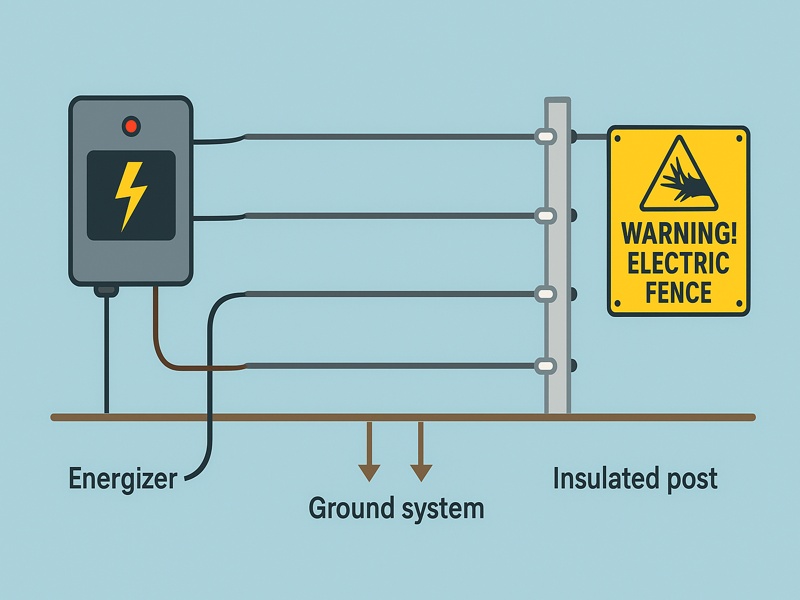
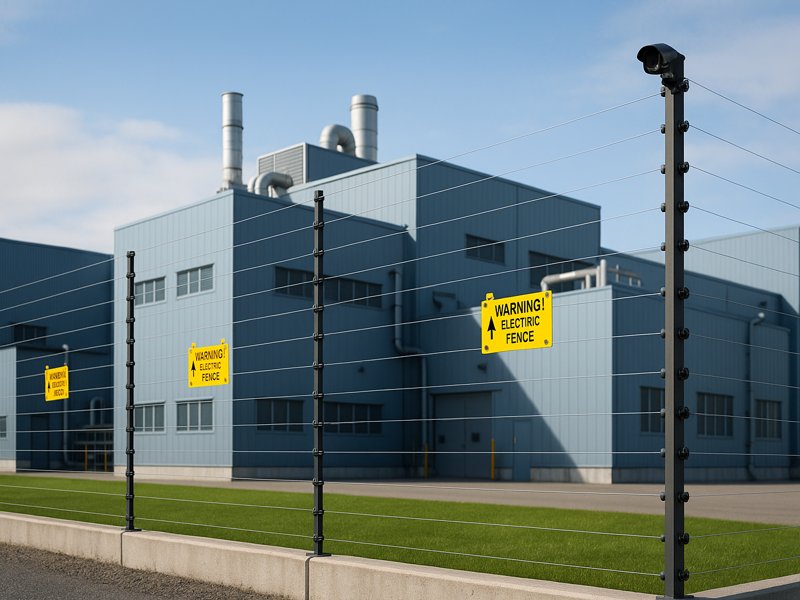
Industrial factories play a crucial role in national economies, producing everything from electronics and automotive parts to chemicals and food products. Given the high value of materials, machinery, and intellectual property housed within these sites, physical security is a top priority. Among the arsenal of security technologies available, electric fence systems have become an essential solution for safeguarding industrial perimeters. They offer an effective combination of deterrence, detection, and defense, forming the first line of protection against intruders. Why Electric Fence Systems Are Ideal for Industrial Facilities Industrial factories typically occupy large, open areas with valuable equipment, goods, and materials. They are therefore ideal targets for: Theft of completed goods or raw materials Industrial espionage or sabotage Unauthorized access and liability exposure Disruption to operations Traditional perimeter security (walls, fences, gates) often lacks the active deterrent and real-time detection needed to prevent these intrusions. Electric fences fill this gap by: Physically deterring intruders with painful but non-lethal shocks Sending instant alarms to control centers Serving as a visible and psychological barrier Their ability to work in extreme environments—including dusty, corrosive, or humid conditions—also makes them a strong match for heavy industry, petrochemical plants, warehouses, and processing units. Key Components of an Industrial Electric Fence System A well-designed industrial electric fence includes more than just electrified wires. It is a complex electronic system composed of multiple interconnected parts: Energizer (Power Unit) The energizer is the core of the system. It converts power (AC or solar) into high-voltage pulses and sends them through the fence lines. Important specifications include: Output voltage: Typically 5,000 to 10,000 volts Energy rating (Joules) Pulse interval: 1–1.5 seconds Lightning and surge protection Electric Fence Wires and Insulators The electrified wires can be made of high-tensile galvanized steel or aluminum, offering conductivity and corrosion resistance. UV-resistant insulators hold the wires in place and prevent energy leakage. Fence Posts Posts—made from steel, fiberglass, or PVC-coated metal—anchor the wires at regular intervals. Corner posts and strainers help maintain tension over long distances. Alarm and Monitoring Systems Advanced systems are connected to intrusion detection panels. When tampering, cutting, or grounding is detected, the system: Sends an alarm to the control room Triggers CCTV camera activation Sends SMS or email notifications Zone Division and Isolation Dividing the fence into zones allows better detection and troubleshooting. If an intrusion occurs, operators know exactly where it happened. Backup Power and Surge Protection To maintain operation during blackouts or lightning strikes, the system should include: Battery backup (up to 72 hours) Lightning arrestors Surge diverters Types of Electric Fencing for Industrial Use There are several configurations depending on the factory layout and security level: Standalone Electric Fencing This is the main fence structure—multiple strands of electrified wire arranged vertically, surrounding the property. It may stand 2–3 meters high and includes: Energized strands at the top Visual signage to deter intruders Wall-Top Electric Fencing Mounted atop existing concrete or steel fences, wall-top fences enhance physical barriers by adding electrified lines. Ideal for: Factories in urban or industrial parks Facilities with perimeter walls already in place Dual-Fence Systems A buffer zone is created by a double fence line with an electric fence between them. It’s suited for high-risk factories like: Refineries Explosives or defense manufacturers Data centers with intellectual property Hybrid Systems with PIDS Combining electric fencing with Perimeter Intrusion Detection Systems (PIDS) and video analytics ensures: Multi-modal detection Lower false alarm rates Smarter surveillance activation Benefits of Electric Fence Systems in Industrial Security Real-Time Intrusion Detection The fence generates instant alerts on: Wire cutting Short-circuiting Tampering Power loss This enables quick response by on-site or remote security teams. Active Deterrent Unlike passive walls, electric fences inflict pain through non-lethal shocks, discouraging further attempts to breach the perimeter. Cost-Effective Surveillance Electric fences reduce the need for: 24/7 patrolling guards Continuous camera monitoring This leads to long-term operational cost savings. Integration-Friendly Modern electric fences are IoT- and SCADA-compatible, allowing seamless integration with: Building Management Systems (BMS) Emergency response platforms Access control and alarm panels Best Practices for Implementing Electric Fence Systems Successfully securing an industrial facility involves more than installation. Here are the best practices across the planning, implementation, and maintenance stages. Conduct a Full Risk Assessment Before installation, evaluate: Facility layout and terrain Threat levels (e.g., theft, sabotage) Security goals (deterrent vs. detection vs. delay) Environmental conditions (corrosive, high temperature, storm-prone) A thorough risk analysis helps define optimal fence type, height, zones, and backup measures. Adhere to local ordinances Verify adherence to: Electrical safety codes Occupational safety laws Warning signage standards Voltage and energy output limits In most jurisdictions, electric fences must have visible warning signs every 10–30 meters and be non-lethal. Combine with Physical and Digital Barriers Electric fencing works best as part of a layered security system. Combine it with: Access control gates Surveillance cameras Guard patrols Remote monitoring software This creates redundancy and improves overall reliability. Design for Redundancy and Fail-Safes Consider: Multiple energizers for larger perimeters Battery backups in case of grid failure Segmented zoning for faster fault isolation Surge protection to handle lightning strikes Train Personnel Train your facility and security staff on: Basic troubleshooting System testing routines Alarm verification procedures Emergency shutdown Proper training ensures fast action and avoids mishandling. Schedule Routine Maintenance To keep the fence system in peak condition: Check wire tension monthly Inspect for rust, insulation damage, or vegetation interference Test voltage and pulse frequency regularly Calibrate monitoring software quarterly A preventive maintenance plan can extend fence lifespan and avoid blind spots. Frequent Hurdles and How to Tackle Them Overgrowth of Vegetation Solution: Use herbicide treatments and install the fence 20–30 cm from the ground to reduce grass contact. Lightning and Power Surges Solution: Include lightning arrestors, surge diverters, and isolators between zones. System False Alarms Solution: Fine-tune sensitivity thresholds Use dual-zone triggering logic Integrate camera feeds for confirmation Vandalism or Tampering Solution: Use tamper-resistant hardware Implement video verification alarms Conduct patrol inspections Ideal Applications in Industrial Sectors There is no one-size-fits-all solution for electric fencing. Its