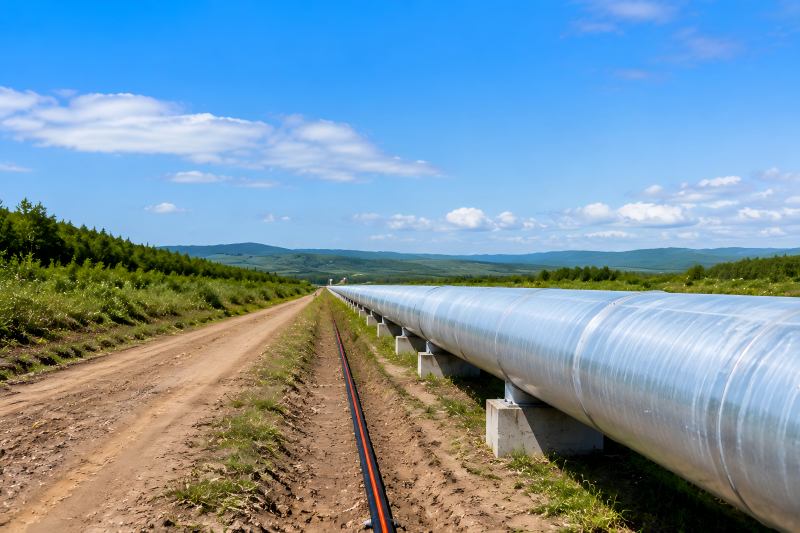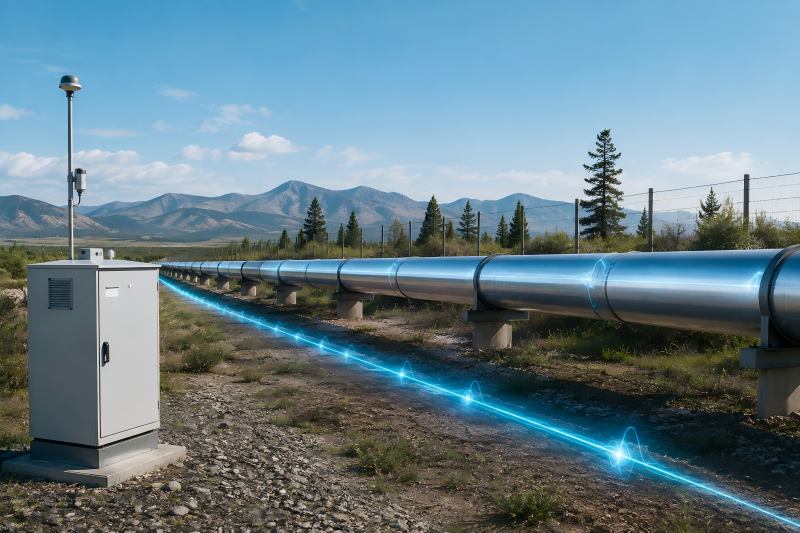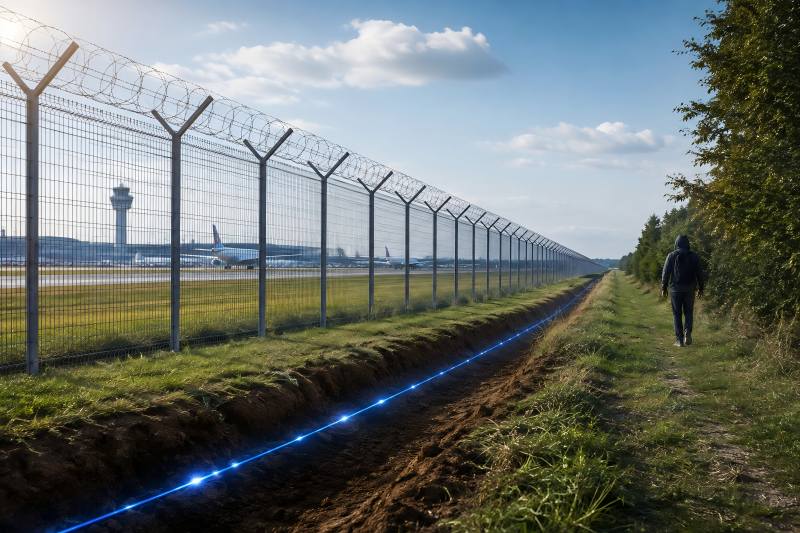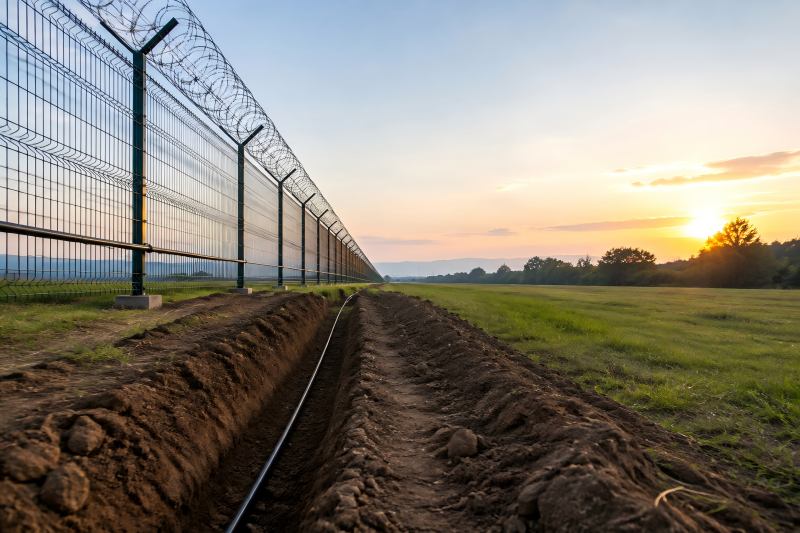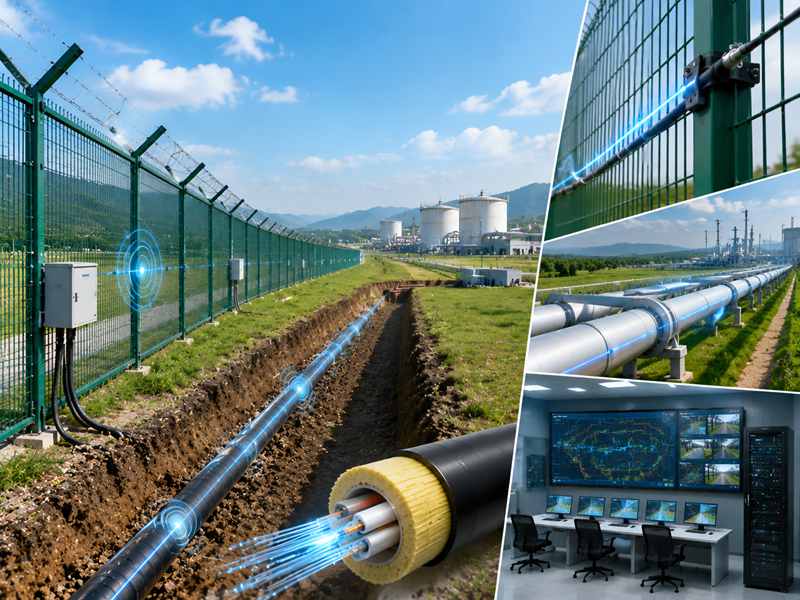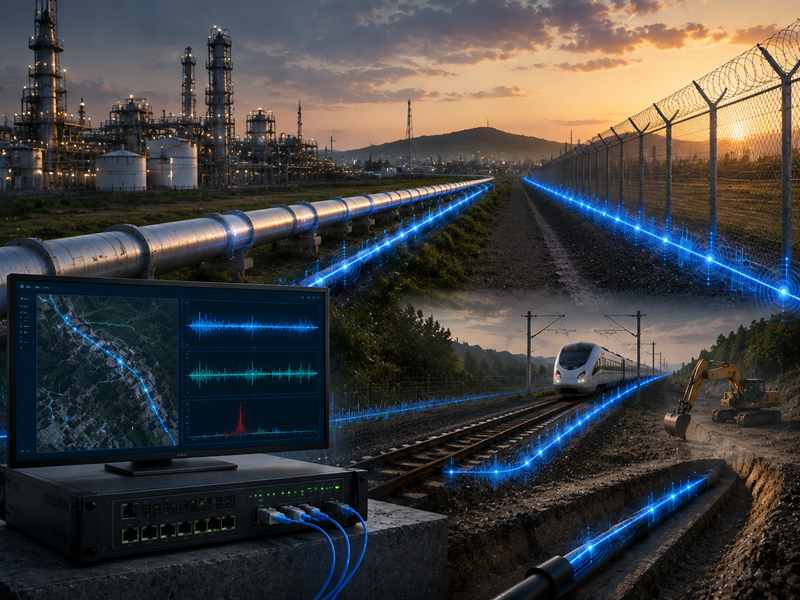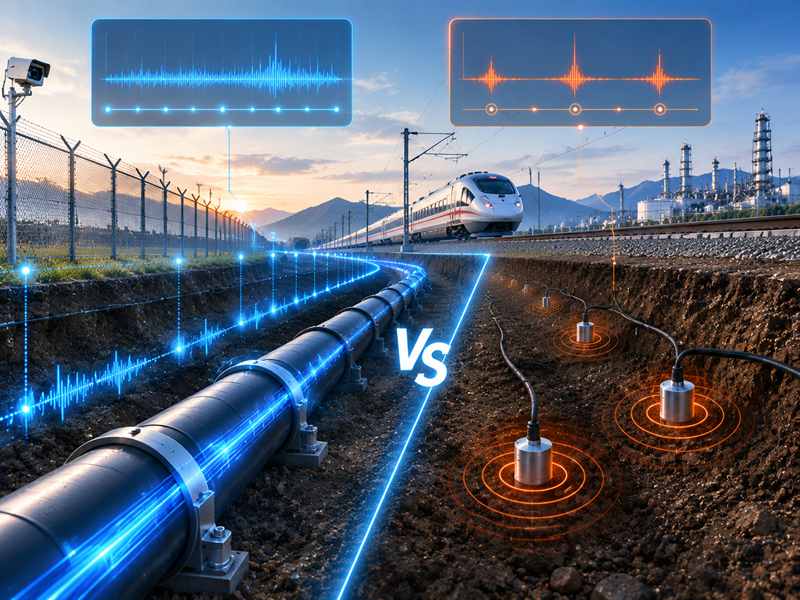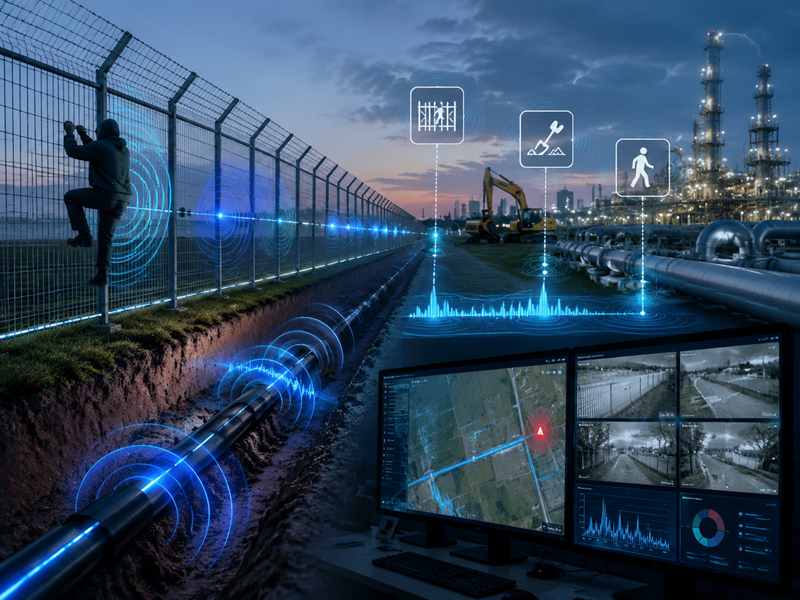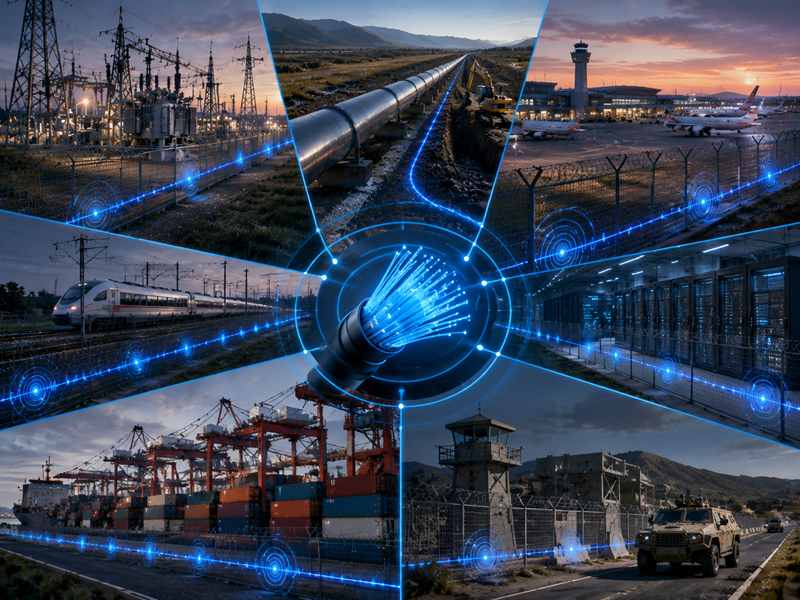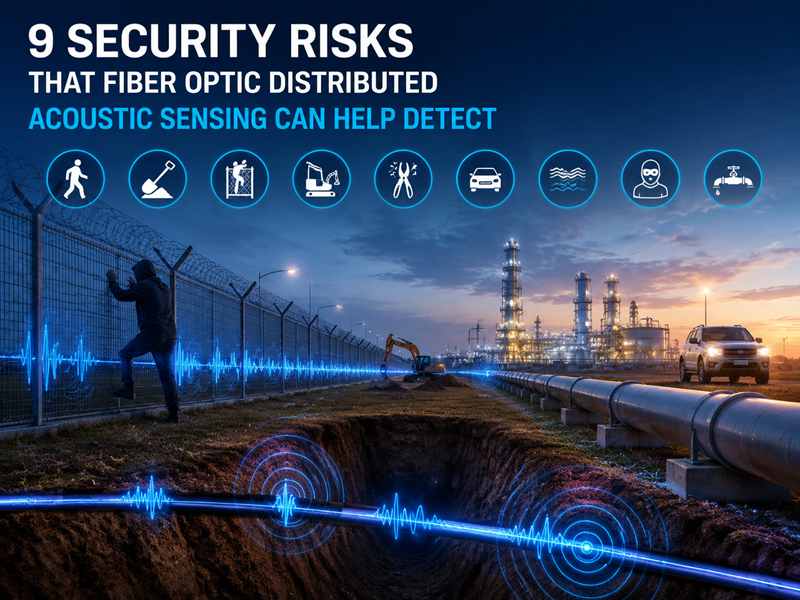
Fiber optic intrusion detection uses specialized cables to sense and report any unauthorized access or disturbance along a protected area. You can think of these cables as a sensitive tripwire or a microphone that listens for unusual vibrations. Unlike traditional electronic sensors, fiber optic systems can detect disturbances over long distances and remain reliable even in challenging environments.
You gain better protection because these systems sense tiny changes in the fiber, making them less likely to miss an intrusion.
Key Takeaways
- Fiber optic intrusion detection uses light signals to sense disturbances, making it more reliable than traditional electronic systems.
- These systems can cover long distances and detect even small changes, ensuring better security for sensitive areas.
- Advanced algorithms help reduce false alarms, allowing the system to focus on real threats while ignoring harmless events.
- You can use fiber optic systems for various applications, including perimeter security, infrastructure protection, and data centers.
- Knowing how this technology operates enables you to select the best option for efficiently safeguarding your assets.
Intrusion Detection Overview
What It Is
You can think of fiber optic intrusion detection as a security system that uses light instead of electricity to sense threats. These systems use fiber optic cables to monitor for changes caused by physical disturbances. When someone tries to climb a fence, cut a cable, or tamper with a protected area, the system detects changes in the light signals traveling through the fiber. This method sets fiber optic systems apart from traditional intrusion detection technologies, which often rely on electronic signals or analyze network traffic.
Fiber optic systems stand out because they:
- Transmit light signals through cables, not just electronic signals.
- Detect disturbances by monitoring changes in light, not just electrical changes.
- Respond to physical interactions, such as vibrations or pressure, which alter the light signal.
You can find several types of fiber optic intrusion detection systems, each designed for specific needs. The table below shows some popular options and their features:
| System Type | Features |
| Aura Ai-X | Data-driven technology with deep learning reduces nuisance alarm rates while maintaining high detection probability. |
| Secure Fence | Efficient on a variety of fence types, such as palisade, chainmesh, chain-link, and weldmesh. |
| Secure Point | Dual zone system with high sensitivity and low nuisance alarms, adaptable to almost all fence types. |
| Aura Ai-XS | Fence-mounted sensing up to 10 km, with precise intrusion detection within ±2 m. |
| Aura Ai-XS (powered by FFT ATLAS) | Continuous monitoring and maintenance for optimal performance of the intrusion detection system. |
Purpose
You use fiber optic intrusion detection to protect sensitive areas from a range of threats. These systems help you detect:
- Unauthorized access, such as cable tapping or attempts to breach a perimeter.
- Suspicious activities, including unusual movements or behaviors near protected zones.
- Physical damage to cables can create vulnerabilities and risk data breaches.
Organizations choose fiber optic intrusion detection for several reasons. The table below outlines the main objectives:
| Objective | Description |
| Accurate detection of intrusions | Ensures that any unauthorized access is identified promptly. |
| Resilience against tampering | The system is designed to trigger alarms if the cables are cut or tampered with. |
| Low false alarm rates | Capable of distinguishing between real threats and environmental factors, reducing unnecessary alerts. |
| Quick response times | Real-time detection allows for immediate action to be taken in case of a security breach. |
| Cost-effectiveness | Although initial costs may be higher, long-term savings on maintenance and reliability are significant. |
| Scalability | It can be deployed over large areas, making it suitable for extensive perimeters. |
| Reliable performance | Continuous monitoring ensures consistent security coverage. |
You measure the effectiveness of these systems by looking at several factors:
- Reliability, which means the system works even during outages.
- Accuracy, which helps you avoid false alarms.
- Capabilities, so you can keep up with the latest detection features.
- Maintenance, since low-maintenance systems save you time and money.
- Coverage, which ensures you detect intrusions precisely.
- Integrations, so your system works well with other security technologies.
Fiber optic intrusion detection gives you a reliable way to secure perimeters. The cables detect stress or breaks when someone tries to breach the area. This technology resists interference, making it a strong choice for organizations that want dependable security.
How It Works
Sensing Disturbances
You rely on fiber optic cables to act as sensitive detectors along your perimeter. These cables use light to sense even the smallest physical changes. When someone tries to climb a fence, dig near a buried cable, or tamper with a protected area, the cable picks up the disturbance. The system then analyzes these changes in the light signal to determine if an intrusion has occurred.
Fiber optic cables can detect several types of disturbances in real-world security scenarios:
- Vibration Detection: The system senses vibrations caused by footsteps, digging, or cutting. Technologies like fiber Bragg gratings (FBG) and distributed acoustic sensing (DAS) help you secure the physical layer of your perimeter.
- Polarization Changes: Some systems use polarization-sensitive techniques to spot changes in the way light travels through the cable. This helps you identify disturbances that might not cause strong vibrations.
- Interferometric Methods: Advanced systems use interferometers, such as Mach–Zehnder and Michelson types, to pick up subtle vibrations. These methods work well for perimeter security and can detect even light touches.
Tip: Fiber optic cables are perfect for isolated locations or expansive perimeters because they can detect disruptions over long distances.
Environmental factors can sometimes mimic intrusion attempts. You need to understand how wind, rain, or even the movement of a fence can affect detection. The table below shows how these factors impact the system and what you can do to reduce false alarms:
| Environmental Factor | Impact on Detection | Mitigation Techniques |
| Wind | Creates vibrations that may trigger false alarms | Environmental disaggregation, advanced pattern recognition |
| Rain | Can cause disturbances similar to intrusion attempts | Frequency filters, advanced detection algorithms |
| Fence Fabric Movement | Excessive movement can lead to nuisance alarms | Proper maintenance, software-defined zones |
You may rely on your system to overlook innocuous occurrences and concentrate on actual risks by utilizing sophisticated detection and mitigation strategies.
Signal Processing
After the fiber optic cable senses a disturbance, the system must decide if it is a genuine intrusion or just background noise. In this step, signal processing is crucial. The system analyzes the light signals and uses advanced algorithms to separate real threats from false alarms.
Several signal processing techniques help you achieve accurate results:
| Technique | Description | Results/Advantages |
| Correlation Analysis of Orthogonal Polarization Signals | Compares different light signals to spot patterns linked to intrusions. | Reduces false alarms and improves detection performance. |
| Wavelet Packet Decomposition (WPD) + Empirical Mode Decomposition (EMD) | Breaks down complex signals for better recognition. | Achieves up to 99.69% recognition rate for intrusion events. |
| Deep Learning Methods | Learns to tell the difference between real intrusions and nuisance events. | Improves detection accuracy in fiber optic systems. |
| Fiber-optic DAS | Detects vibrations and acoustic signals with high precision. | Immune to electromagnetic interference. |
Modern systems use machine learning to analyze patterns and spot anomalies in the data. These algorithms help your system adapt to new threats and improve reliability over time. For example:
- Machine learning techniques study the data collected by your sensors and learn to recognize new types of intrusions.
- The Gram Angle Field (GAF) transformation removes redundant information and highlights key features in complex data.
- Knowledge Distillation (KD) with Neuron Selection Technique (NST) boosts the accuracy of lightweight models, making them suitable for sites with limited resources.
Note: Some advanced models reach a recognition rate of over 98% on validation tests, showing high accuracy and recall.
With these signal processing tools, your intrusion detection system can quickly and accurately alert you to real security threats while ignoring harmless background noise.
Components
Fiber Optic Cables
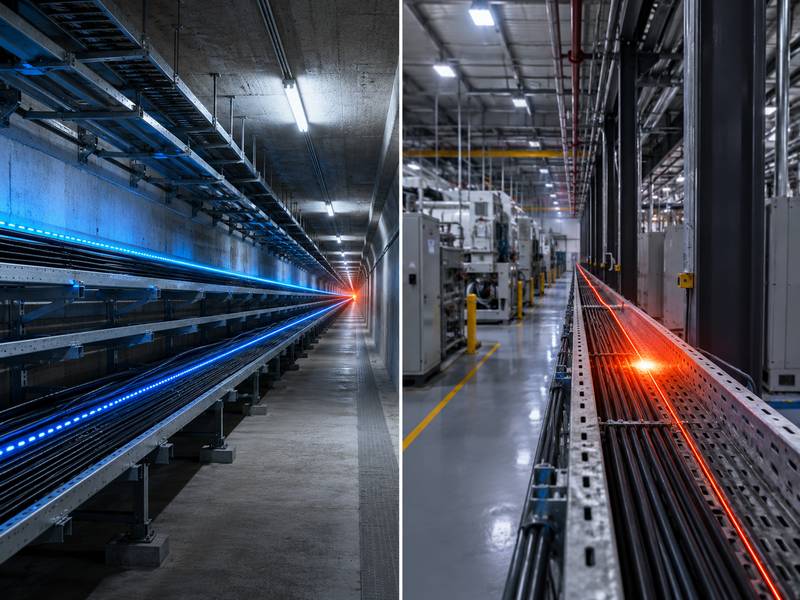
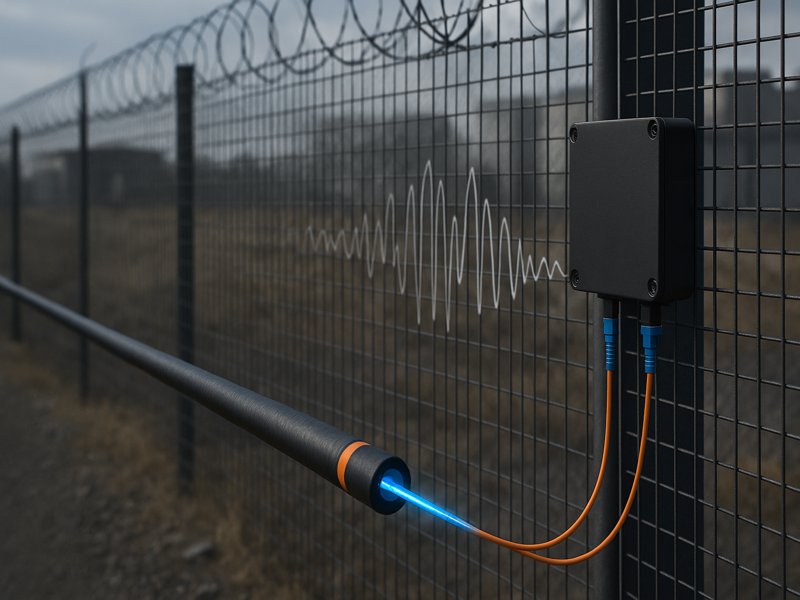
You rely on fiber optic cables as the backbone of your intrusion detection system. These cables send light signals over great distances using single-mode fibers. They can be installed in a variety of ways, including on walls, buried underground, or mounted on a fence.
Systems like FiberPatrol FP1150 and RaySense DAS offer flexible installation options and high accuracy. The cables detect disturbances along perimeters up to 100 kilometers, making them ideal for large sites.
Here is a table showing key specifications for fiber optic cables:
| Specification | Details |
| Cable Type | Single-mode fiber optic cable |
| Detection Distance | 1-100 km (1-60 miles) |
| Detection Resolution | 3 m (10 ft) between points |
| Cut Resilience | Detects intrusions within 10 m of a cable cut |
| Operating Life | Over 10 years |
| Sensing Technology | Coherent Optical Time Domain Reflectometer |
You must pay attention to installation depth. Fiber optic systems work best when buried no deeper than 20 cm. If you install them deeper, performance drops sharply.
Sensors and Units
Sensors and processing units form the core of your detection system. You use these units to send laser pulses through the cable and measure light reflections. This procedure aids in locating an intrusion precisely. Systems like Fiber SenSys and Praetorian use multi-layered algorithms to reduce false alarms from wind or rain. You benefit from cut-immune technology, which means the system still works even if someone severs the cable.
- Sensors detect vibrations caused by movement above or near the cable.
- Units provide high positional accuracy, often less than 1 mm.
- You gain immunity to electromagnetic interference, which is useful in noisy or hazardous environments.
- Advanced algorithms prevent errors from fiber twisting or temperature changes.
You can choose fence-mounted, buried, or wall-mounted sensors depending on your site’s needs. Systems like Gato F7 and FEBUS A1 DAS offer high spatial resolution and long-range coverage.
Software
Software gives you control and visibility over your intrusion detection system. Real-time activity monitoring is available to you, and if the system identifies a threat, you are immediately notified. Modern platforms, such as Praetorian and RaySense DAS, provide secure web access so you can check your system from anywhere.
1. You get continuous monitoring and instant feedback on network health.
2. The software collects data from multiple points, helping you analyze trends and spot issues.
3. You receive alert messages by email, SMS, or SNMP, allowing you to respond quickly.
You benefit from real-time diagnostics and remote fiber test systems, which help you maintain high reliability and accuracy. Software features ensure your system remains effective and easy to manage.
Intrusion Detection Benefits
Sensitivity
You want a security system that reacts to even the smallest threat. Fiber optic systems give you this advantage by using advanced technologies like Φ-OTDR. This technology improves both the signal-to-noise ratio and spatial resolution. As a result, your system can detect tiny vibrations or disturbances along the cable—something traditional systems often miss. Modern fiber optic solutions also use adaptive algorithms. These algorithms automatically modify sensitivity levels after learning the typical patterns of your surroundings. You can prevent false alerts while still identifying genuine dangers thanks to its self-calibration. You get a system that stays alert to actual risks and ignores harmless background noise.
Tip: High sensitivity means you can trust your system to notice even weak or subtle intrusion attempts.
Coverage
You need a system that covers every inch of your perimeter. Leading fiber optic intrusion detection systems, such as SENTINEL, can monitor up to eight separate zones at once. With continuous monitoring, these systems eliminate any concerns about security breaches. The fence fabric can be cut, climbed, or lifted, among other forms of intrusion attempts. With this level of coverage, you protect large and complex sites with confidence.
- Monitor multiple zones at the same time.
- Get 24/7/365 continuous protection.
- Detect a wide range of intrusion activities.
Reliability
Reliability matters when you depend on your security system every day. Fiber optic systems use several design features to keep your protection strong, even in tough conditions. You benefit from advanced materials that resist moisture and corrosion. Flexible cable construction and smart monitoring technologies help your system adapt to changing environments. Regular inspections and protective enclosures further boost durability.
| Metric | Description |
| Sensitivity | Measures the ability to detect low-energy events and weak signals. |
| Spatial Resolution | Shows how well the system can tell apart nearby events. |
| Frequency Response Range | Indicates the range of acoustic signals the system can detect. |
| Sensing Distance | Tells you how far the system can monitor effectively. |
Note: Good cable management, secure anchoring, and proper routing all help your system stay reliable over time.
Applications
Perimeter Security
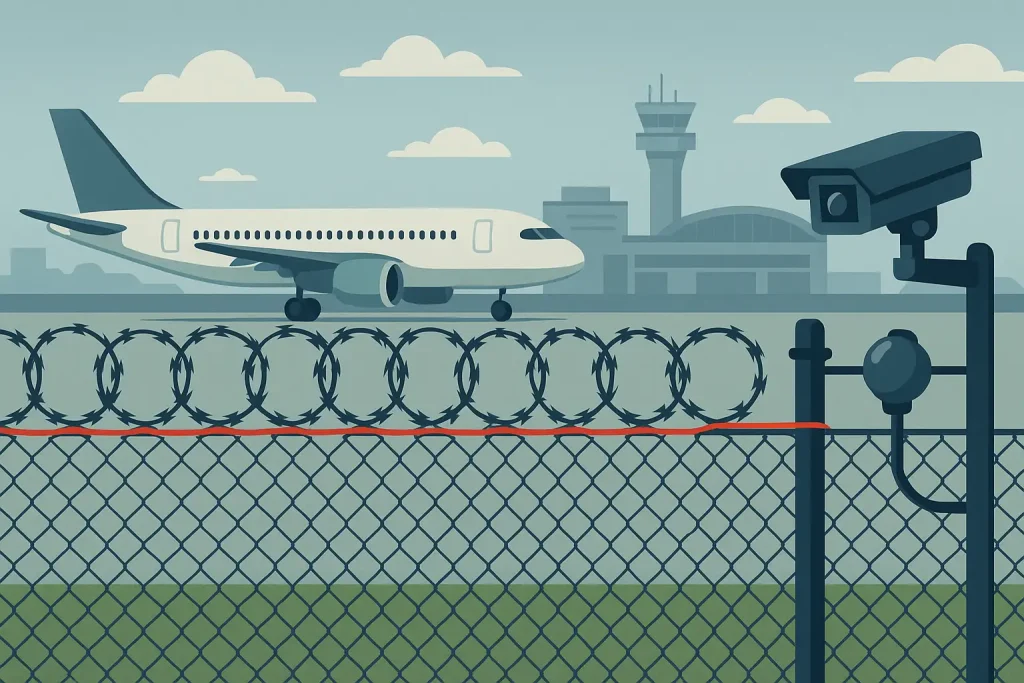
You can use fiber optic intrusion detection to secure outdoor perimeters, such as fences around factories, airports, or military bases. These systems detect even the smallest vibrations along fence lines, giving you real-time alerts if someone tries to climb, cut, or tamper with the barrier. You can rely on fiber optic cables because they remain hidden and are hard to bypass or sabotage. The technology works well in different environments, from deserts to snowy regions, and covers long distances without losing accuracy.
| Application | Description |
| Perimeter Fences | Detects minute vibrations along fence lines, providing real-time alerts. |
| Utility Substation Security | Integrates with welded wire mesh fences to detect intrusion attempts. |
| Environmental Versatility | Works in various conditions and covers long distances. |
Fiber optic systems create a seamless sphere of protection. You get continuous, real-time detection and early alerts, so you can respond before an intruder breaches your perimeter.
Infrastructure Protection
You protect critical infrastructure, such as pipelines, power plants, and utility networks, by embedding fiber optic cables along their perimeters. These devices detect vibrations, pressure, or bending and notify you of any tampering or illegal entry. Distributed Acoustic Sensing (DAS) technology helps you monitor large areas, including remote or hazardous sites, without the need for power or electronics in the field. Even in locations with electromagnetic interference, you gain from early detection and dependable performance.
- Fiber optic sensing covers long distances and detects threats quickly.
- Because the system is concealed, it is challenging for hackers to find or disable.
- For thorough monitoring, you can combine fiber optic detection with your current security setup.
Data Centers
You need strong security for data centers to protect sensitive information. Fiber optic intrusion detection offers low false alarm rates and quick response times, so you can act fast if someone tries to breach your facility. The system operates reliably in extreme weather and scales easily as your needs grow. You can combine fiber optic detection with CCTV, access controls, and network security for a multi-layered defense.
| Advantage | Description |
| Low False Alarm Rates | Distinguishes between real intrusions and environmental factors. |
| Quick Response Times | Real-time alerts minimize potential damage. |
| Cost-Effective | Lower maintenance and fewer components save money over time. |
| Scalability | Integrates with other security systems for a tailored solution. |
| Reliable Performance | Works in all weather, ensuring continuous protection. |
You strengthen your data center’s first line of defense by using fiber optic systems that are both discreet and difficult to compromise.
You now understand how fiber optic intrusion detection works and why it matters for modern security. This technology gives you high sensitivity, wide coverage, and strong reliability. You can use it for perimeters, infrastructure, or data centers.