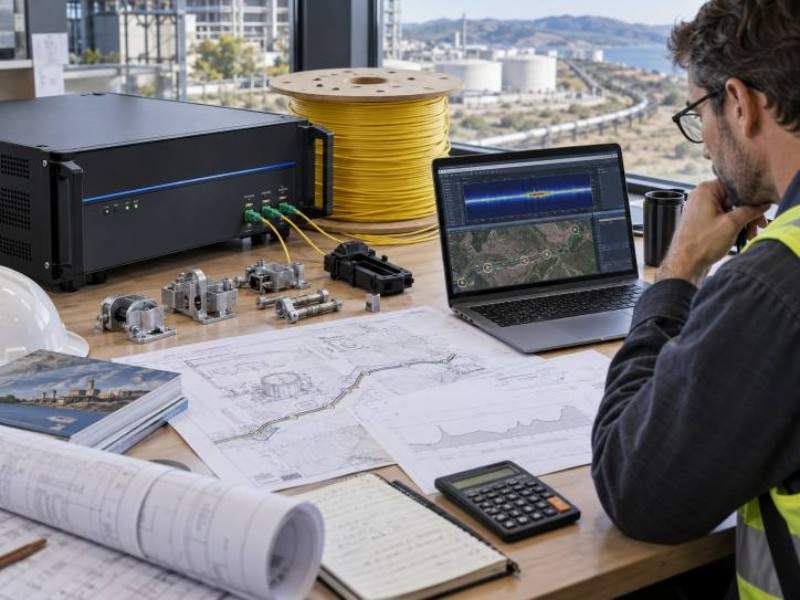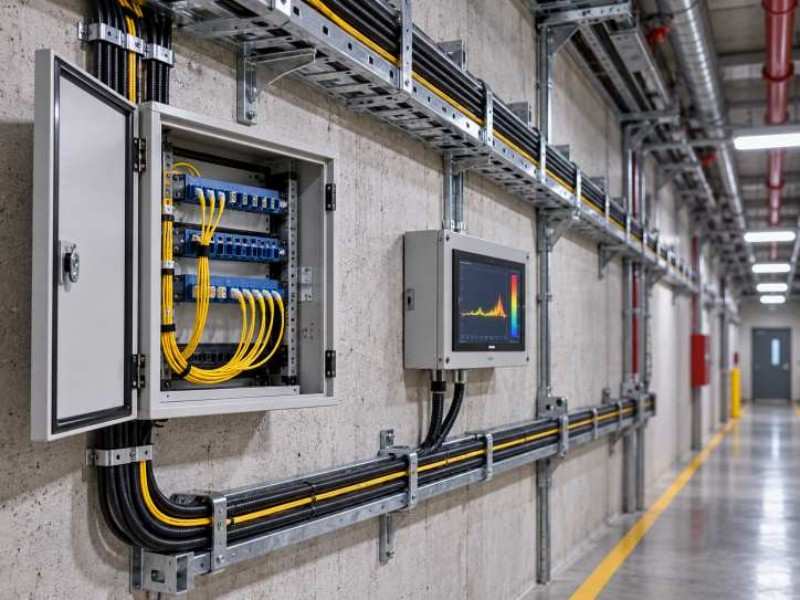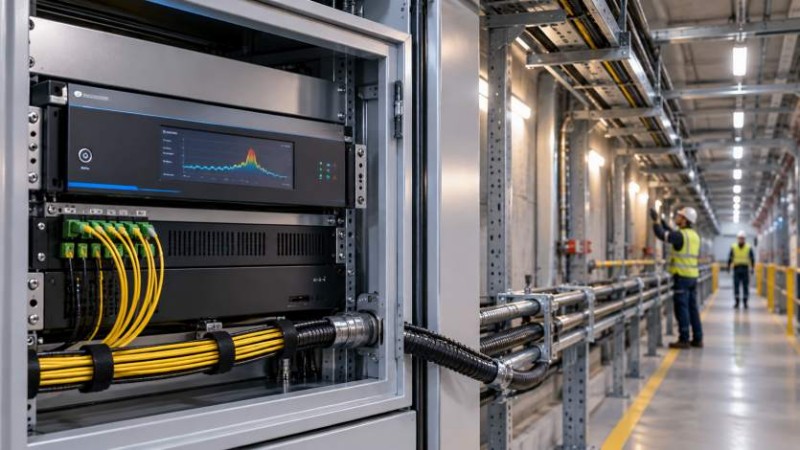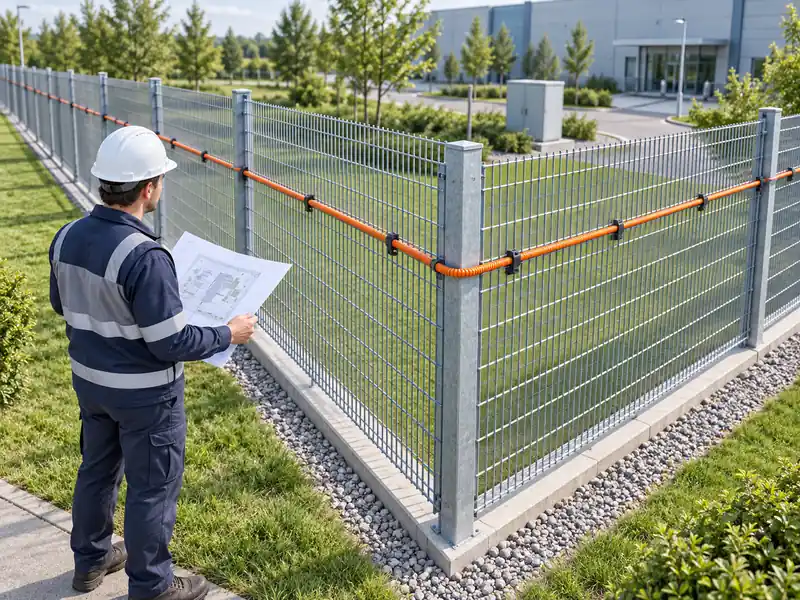
Distributed Acoustic Sensing (DAS) is widely used for long-distance pipeline and perimeter security monitoring. By turning optical fiber into a continuous sensing medium, DAS can detect vibration events and identify their locations along the monitored route.
However, choosing a DAS system is not only about detection range. Engineers and system integrators need to consider installation conditions, detection requirements, false alarm control, and system integration.
Understand the Actual Security Objective Before Selecting DAS
The first step in DAS selection is understanding what the system is expected to achieve.
Different projects have different security priorities.
For example:
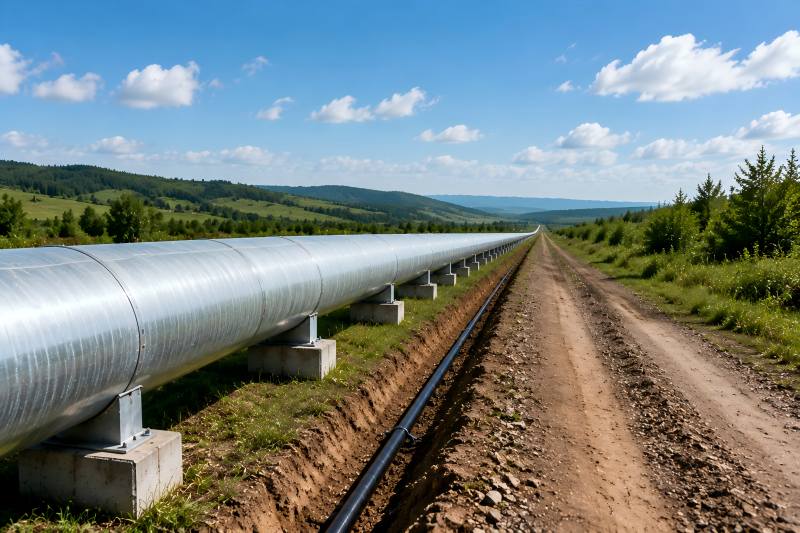
- An oil pipeline project may focus on detecting excavation activities.
- An airport may require continuous perimeter monitoring.
- A solar farm may need protection against unauthorized access.
- An industrial facility may focus on fence climbing and cutting attempts.
Although all these applications use DAS technology, the system configuration and installation strategy may be different.
| Application | Main Security Concern | Important DAS Capability |
| Oil & gas pipeline | Excavation and third-party interference | Long-distance monitoring and accurate location |
| Airport perimeter | Unauthorized entry | Continuous boundary protection |
| Industrial park | Fence climbing and cutting | Vibration classification |
| Railway corridor | External interference | Event detection along long routes |
From an engineering point of view, selecting DAS should start with the threat model, not the product specification sheet.
A common mistake is purchasing a high-performance system without considering whether it matches the actual environment.
Evaluate Detection Distance Based on Real Project Conditions
Detection distance is one of the most visible DAS specifications.
Many DAS systems are designed for long-distance applications, with some solutions supporting tens of kilometers of sensing coverage. Certain systems can provide extended monitoring ranges while maintaining event positioning capabilities.
However, engineers should understand that maximum distance is not always equal to maximum practical performance.
Several factors influence the actual usable range:
- Fiber type
- Installation method
- Environmental noise
- Required positioning accuracy
- Detection target
For example, a pipeline crossing a quiet rural area may achieve better performance than the same system installed near highways or industrial facilities.
Consider Positioning Accuracy, Not Only Alarm Detection
For perimeter security applications, detecting an event is only the first step.
The more important operational question is:
Where exactly did the event happen?
A security team cannot efficiently respond to an alarm without accurate location information.
For large infrastructure projects, positioning accuracy directly affects response efficiency.
| Positioning Accuracy | Operational Impact |
| Low accuracy | Longer investigation time |
| Medium accuracy | Requires additional verification |
| High accuracy | Faster response and easier event handling |
When selecting DAS, system integrators should evaluate positioning accuracy together with detection distance.
A long-range system without useful location information may not provide the expected security value.
Analyze False Alarm Management Capability
In real security projects, false alarms are often one of the biggest challenges.
A DAS system is designed to detect vibration. However, not every vibration represents an intrusion.
Environmental factors may include:
- Heavy vehicles
- Rain
- Wind
- Construction activities
- Nearby machinery
- Animal movement
A technically sensitive system is not necessarily a better security system.
The objective is not to detect every vibration from an engineering standpoint.
The goal is identifying meaningful threats while maintaining operational reliability.
Therefore, DAS selection should consider:
- Signal processing capability
- Event classification
- Environmental adaptation
- Alarm filtering functions
Some DAS solutions support intelligent analysis methods to distinguish intrusion events from normal environmental disturbances, helping reduce unnecessary alarms.
Select the Correct Installation Method
The same DAS system can perform differently depending on how the fiber is installed.
Common installation methods include:
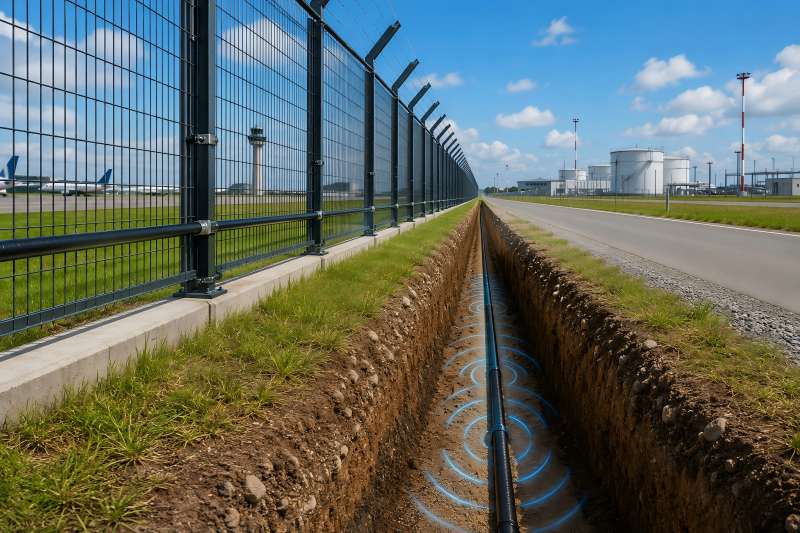
- Buried underground
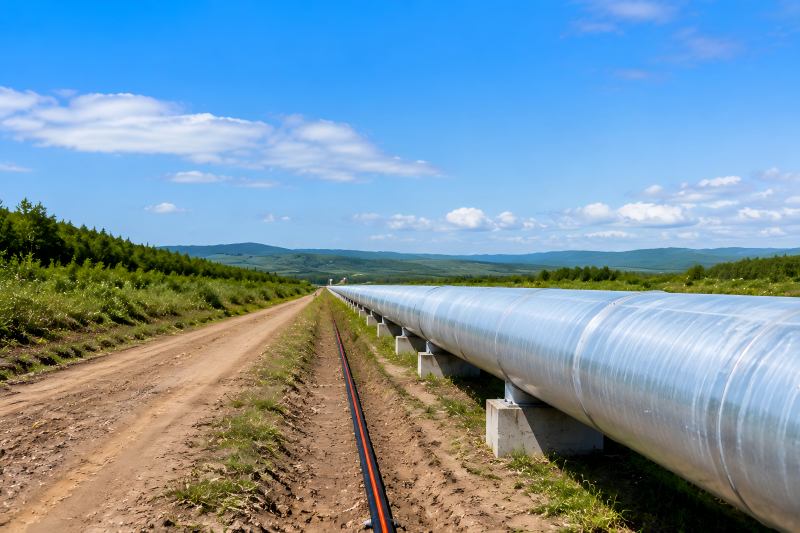
- Installed along pipelines
- Mounted on fences
- Integrated with existing infrastructure
Each method has different engineering requirements.
Buried Fiber Installation
Buried fiber is commonly used for pipeline protection.
Advantages:
- Hidden deployment
- Difficult for intruders to identify
- Suitable for long-distance monitoring
However, engineers need to consider:
- Soil conditions
- Burial depth
- Distance from protected assets
- Construction quality
Fence-Mounted Installation
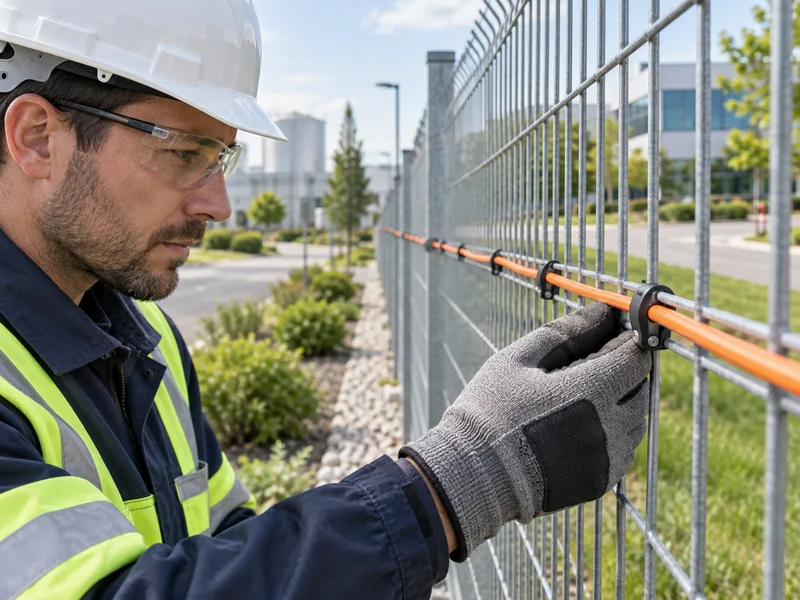
Fence installation is often used for airports, industrial parks, and restricted facilities.
The system needs to identify:
- Fence climbing
- Cutting attempts
- Physical impact
The fiber installation method affects how vibration energy is transferred to the sensing cable.
Therefore, installation design should be considered during the early project stage.
Check System Reliability and Fiber Protection Features
For critical infrastructure projects, system reliability is essential.
A DAS system may monitor important areas where security cannot stop because of a single failure.
Engineers should evaluate:
- Fiber break protection
- Network redundancy
- Communication reliability
- Environmental protection
For example, some long-distance DAS systems provide dual-channel configurations designed to maintain operation even when fiber damage occurs.
This type of feature becomes especially important for:
- Pipeline networks
- Remote industrial facilities
- Large perimeter projects
A security system should not only detect threats but also remain operational under abnormal conditions.
Evaluate Integration Capability With Existing Security Systems
DAS is usually not a standalone security solution.
In professional projects, it normally works together with:
- Video surveillance systems
- Access control systems
- Security management platforms
- GIS mapping systems
For system integrators, compatibility is a key selection factor.
The important questions include:
- Can alarms be displayed on existing platforms?
- Can operators quickly associate alarms with cameras?
- Can the system support centralized management?
A good DAS solution should fit into the customer’s existing security architecture instead of creating an isolated system.
Consider Scalability for Future Expansion
Infrastructure projects often expand after initial deployment.
For example:
- A pipeline network may extend to additional areas.
- An industrial park may add new boundaries.
- An airport may expand its protected zone.
Therefore, DAS selection should consider future scalability.
Important factors include:
| Consideration | Why It Matters |
| Modular design | Easier system expansion |
| Multiple detection zones | Flexible management |
| Software scalability | Supports future requirements |
| Integration capability | Avoids replacing existing systems |
Choosing a system only based on current requirements may create limitations later.
What Should System Integrators Focus on When Selecting DAS?
For security contractors and system integrators, technical specifications are only part of the evaluation.
A successful DAS project also depends on:
Engineering Support
Large perimeter projects require professional planning.
Important support includes:
- Site evaluation
- Installation guidance
- Configuration assistance
- Testing support
Application Experience
A DAS system used for a pipeline may have different requirements from one used for an airport.
Experience in similar applications helps reduce deployment risks.
Long-Term Maintenance
Critical infrastructure systems may operate for many years.
Therefore, reliability, spare parts availability, and technical support should be considered during supplier selection.
Selecting the right DAS system requires more than comparing technical specifications. The best solution depends on project conditions, security objectives, and integration requirements.
With proper design and deployment, DAS can provide reliable long-distance monitoring and become an effective part of a complete infrastructure security system.