
November 26, 2025

Fence Alarm System
Blogs

What Is the Average Price for an Electric Fence?

Electric fences are increasingly popular in a variety of applications — from residential yards and pet containment to agricultural fields, livestock operations and security perimeters. As manufacturers, contractors and purchasers alike ask, “What’s the average price for an electric fence?”, it becomes critical to dig into cost-drivers, typical price ranges and how to estimate your own project. This guide will break down the numbers, factors and regional variation so you can approach buying or specifying electric fences with informed confidence. Factors That Affect Electric Fence Pricing Understanding the cost of an electric fence begins with the variables that drive price. Here are the key influences: Fence Length and Coverage Area The greater the linear footage or acreage to fence, the higher the material and labour cost. For example, a small residential yard might involve a few hundred linear feet; a large rural pasture could involve thousands of feet or multiple acres. Costs may drop per linear foot as scale increases (economies of scale), but overhead and site preparation may also increase. Type of Electric Fence System Aboveground (visible wire strands) vs underground/invisible systems (buried wire or collar-based pet fences). Permanent vs temporary installations (e.g., seasonal livestock paddocks). Number of strands of wire (single strand vs multi‐strand high-tensile). Heavy-duty livestock/ security fences vs lightweight pet fences. Each type brings its own cost footprint. Power Source and Energizer The energizer (aka charger) is a core component — cost varies by output, solar vs mains powered, battery backup, etc. For remote or off-grid applications, solar-powered energizers and battery backups add cost. Power supply routing, grounding, mounting and safety features also affect cost. Material Quality Wire (galvanized steel, high-tensile, polymer tape, polywire), insulators, posts (wood, steel “T” posts, fibreglass) and gates all vary in cost by grade and durability. High-spec materials (for example, predator-proof fencing, heavy livestock use) cost more up front but may yield lower maintenance long-term. Installation Method DIY vs professional installation: hiring contractors adds labour cost but may ensure code compliance, better workmanship, and warranty. Terrain (rocky, sloped, dense vegetation) adds cost for post driving, clearing, and trenching (for buried systems). Permits, inspections, and landscaping restoration (after fencing work) may increase cost. Average Electric Fence Cost Breakdown (2025 Estimates) Based on recent statistics, these are average cost ranges (United States, general market). These are ballparks; your actual cost will depend on the factors above. Cost Breakdown by Component: Component Typical Budget Range (USD) Description Energizer / Charger $100 – $500+ Depending on output, solar vs mains, remote location. Wire / Tape $0.05 – $0.30 per foot Conductive fencing material; material quality matters. Fence Posts $1 – $5 each Wood, steel, fiberglass; spacing and design affect quantity. Insulators & Hardware $0.20 – $1 each Prevent short circuits and ensure performance. Battery / Solar Setup $80 – $300+ For off-grid or backup systems. Labour (optional) $0.50 – $2 per foot (or more) Professional installation including site prep. Typical Cost by Installation Size/Type: Size / Type Approximate Cost Range Notes Residential yard (e.g., ~300 ft) $600 – $1,800 Typical small project. Standard installation (per leaf data) $1,000 – $2,000+ Many sources cite averages around $1,300. Large acreage/livestock (1 acre+) $1,000 – $5,000 (or more) Cost per acre declining as area increases. High-spec underground/invisible system $2 to $6+ per linear foot More costly due to trenching/burial. From one source: the national average cost for an electric fence installation is around $1,327 in the U.S., with a common range from about $1,015 to $1,647. Another source suggests a cost per linear foot average of $1.50 to $7.00, depending on system type. Cost Comparison by Application Residential Electric Fence For homeowners aiming to contain pets or create a boundary, the installation is typically smaller scale, lower voltage, and simpler materials. Average: $800 – $2,000 for a moderate residential perimeter (300-500 ft) Typical cost per linear foot: ~$2 – $6. Key cost drivers: number of strands (for aesthetics & security), power source, whether invisible/underground or aboveground. Example: an invisible pet fence (buried wire + collar) might cost $1,000+, depending on yard layout. Agricultural or Livestock Electric Fence Larger scale, requiring more materials, often higher voltage, and more rugged construction. Average: $1,500 – $5,000 (or more) depending on acreage and terrain. Cost per acre: one source lists $1,000 to $5,000 per acre. Factors: number of wires, size of posts, terrain, remote power (solar/battery), and length of perimeter. Perimeter Security / Industrial Electric Fence High-spec installations for security, wildlife deterrence or perimeter defence involve premium components (multi-strand, tall heights, sensors, backup power). Although specific national averages are less frequently published, cost ranges can escalate well beyond $5,000 depending on site complexity. Buyers should expect premium pricing when incorporating alarms, remote monitoring, specialty energizers and rugged construction. Hidden Costs You Shouldn’t Overlook When budgeting for an electric fence, there are several “hidden” or follow-on costs that can catch you off guard. Site preparation: Clearing vegetation, levelling terrain, and removing old fencing or roots. high cost if the terrain is rough. Permits & inspections: Some municipalities require permits for electric fences, especially in residential zones. Typical permit costs $50-$200. Landscaping repair: After installation, you may need to restore lawns, topsoil or remove debris. Maintenance: Periodic inspections, replacing worn wires or insulators, and battery replacements for solar systems. One source says repairs cost between $300-$940. Power back-up: For remote or security systems, you may need solar chargers or battery backups ($100-$500) to maintain operation. Labour complexity: Rocky or sloped terrain can increase installation time and therefore labour cost. Cost-Saving Tips for Buyers Here are practical approaches to optimize cost while still obtaining a functional, reliable electric fence system. Measure accurately: Know your perimeter length ahead of time. Avoid over-ordering material. Select an energizer sized appropriately: A unit that is too large may cost more without a significant benefit. Choose material quality wisely: Good materials can reduce long-term maintenance costs, but don’t over-spec if basic containment is adequate. Hybrid fencing strategy: Use traditional fencing along part of the perimeter and electric wires along others to reduce cost. DIY
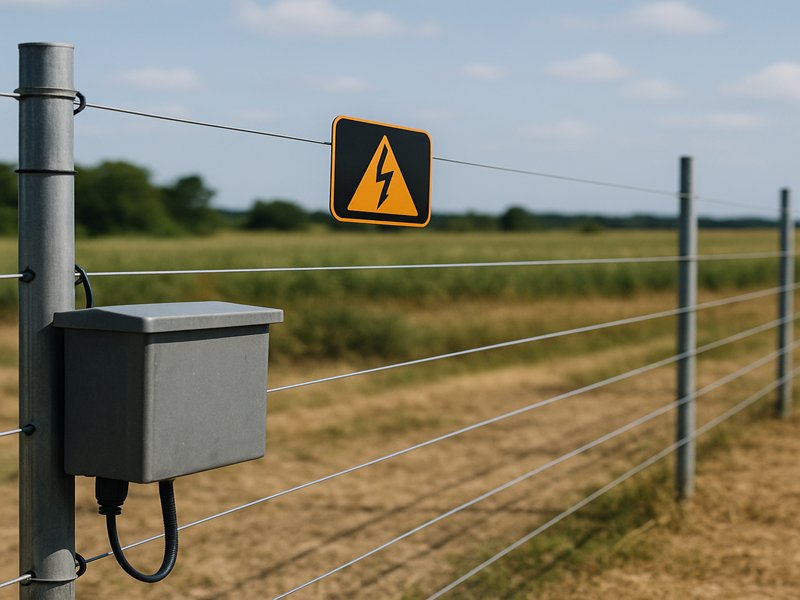
Electric Fence Cost
Blogs

How Much Does It Cost to Put Up Electric Fencing?

Electric fencing has become one of the most efficient and cost-effective perimeter protection methods for industrial facilities, energy infrastructure, logistics centers, and high-security zones. From small warehouses to multi-kilometer defense perimeters, the total cost of installation depends on several technical and geographic factors. This guide by Gato, a global perimeter intrusion detection and electric fencing systems manufacturer, explains how much it costs to install an electric fence, what drives the price, and how to plan an optimal budget without compromising safety or reliability. Understanding Electric Fencing Systems An electric fence creates a physical and psychological barrier by delivering a short, regulated electrical pulse when touched. In industrial environments, it is not merely a deterrent—it is an active security component that integrates with alarms, CCTV, and access-control systems. Main Components Energizer (power unit): Converts input power into controlled pulses. Conductive wires: Usually galvanized steel or aluminum alloy. Insulators: Prevent current leakage through posts. Posts or poles: Support the wire system along the perimeter. Grounding system: Ensures circuit completion for effective shock delivery. Alarm & monitoring units: Integrate electric fences into smart perimeter platforms. Average Cost Range for Electric Fencing The global average cost to install electric fencing varies from USD $3 to $12 per linear foot (≈ $10–$40 per meter), depending on fence design, materials, and automation features. Industrial or security-grade installations typically fall in the higher range because of multi-zone energizers, stainless-steel conductors, and alarm integration. Fence Type / Application Estimated Cost per Foot (USD) Typical Use Case Agricultural single-wire $0.50 – $1.50 Livestock control, rural areas Residential pet/garden $1.00 – $3.00 Small property protection Light commercial $3.00 – $6.00 Warehouses, depots Industrial perimeter (high-voltage, monitored) $6.00 – $12.00 Airports, prisons, utilities For large industrial facilities, the total project cost usually spans $20,000 – $250,000+, depending on perimeter length and technology level (e.g., integrated vibration fiber sensors or intrusion alarms). Key Factors Affecting Electric Fence Costs Fence Length and Layout The total length of the perimeter is the largest cost determinant. Every additional 100 m requires more posts, wires, and energizer output. Complex layouts with multiple corners, gates, or uneven terrain demand more accessories and labor. Voltage Level and Monitoring Type Low-voltage (1 – 3 kV) systems are used for animal control; high-voltage (7 – 10 kV) systems are common for security fences. Smart monitored systems that trigger alarms when a wire is cut or grounded cost more but provide 24/7 protection. Material Quality Wires: Galvanized steel is most common; stainless or aluminum alloys cost 20–40 % more but last longer. Posts: Steel posts offer rigidity; FRP or composite posts cost less but are used mainly for short runs. Insulators: UV-resistant polymer or porcelain insulators last up to 10 years. Power Source Mains-powered: Lower ongoing costs but requires power infrastructure. Solar-powered: 15–25 % higher upfront cost, but ideal for remote sites. Labor and Installation Professional installation ranges from $1 – $5 per foot, depending on region and complexity. Skilled labor is required for grounding, tensioning, and alarm integration. Detailed Component Cost Breakdown Component Low-End (USD) High-End (USD) Notes Energizer / Charger 150 – 500 1,500 – 4,000 Solar and multi-zone units on upper range Fence wire (per 1,000 ft) 80 – 150 300 – 600 High-tensile stainless lasts longer Posts (each) 3 – 8 12 – 25 Steel or composite Insulators (pack of 100) 15 – 25 40 – 60 Weather-resistant grade recommended Ground rods & clamps 25 – 100 150 – 250 Minimum 3 rods for efficiency Alarm & monitoring unit 200 – 400 2,000 – 5,000 Optional but essential for high-security sites Labor (per foot) 1 – 2 4 – 5 Skilled technician installation A standard 1-km (0.62-mile) industrial installation with six wires, two gates, and alarm integration typically totals $25,000 – $40,000, including materials and labor. Cost by Application Sector Agricultural Fences Designed mainly to contain livestock, agricultural electric fences are inexpensive—usually $0.50 – $1.50 per ft—and may use polywire or tape. Labor is often DIY. Residential & Commercial Fences For private properties, electric fences typically overlay existing walls or mesh. Cost: $3 – $6 per ft. These often include solar chargers and low-voltage energizers. Industrial & Perimeter Security Fences Used for oil refineries, military zones, airports, data centers, and logistics parks. High-tensile wires, heavy-duty insulators, and alarm integration push costs to $6 – $12 per ft, especially when combined with CCTV and fiber intrusion sensors. Hidden and Ongoing Costs Even after installation, electric fencing requires periodic attention. Category Typical Annual Cost (USD) Description Maintenance & Inspection $500 – $2,000 Replacement of worn insulators and testing voltage Power consumption $100 – $400 Depends on the energizer type and operating hours Repairs $200 – $1,000 Storm, corrosion, or vandalism damage Monitoring subscription (optional) $300 – $1,200 Cloud-based alarm integration Industrial users often budget 5 – 10 % of the initial cost annually for maintenance and monitoring. DIY vs. Professional Installation Aspect DIY Installation Professional Installation Cost per ft $1 – $4 $3 – $12 Expertise required High (electrical safety, grounding) Certified installers handle all systems Time Slower learning curve Faster and warranty-covered Risk Improper grounding or shorts Tested, compliant with regulations Recommended for Small agricultural use Industrial, high-security sites While DIY saves up to 40 %, incorrect installation may lead to inefficiency or safety violations. Gato recommends a professional setup for any perimeter exceeding 500 m or requiring alarm connectivity. Estimating Your Project Budget Here’s a simplified budgeting approach used by most security integrators: Measure perimeter length (L) in feet or meters. Decide the number of wires (W): typically 5–10 for industrial. Choose fence type: single, double, or wall-top. Select energizer power (E): depends on total line length. Add labor and accessories: 20–30 % of material cost. Add contingency (C): 10 – 15 % for unforeseen conditions. Example: A 1,200 m (≈ 3,940 ft) perimeter industrial plant with a 6-wire monitored fence. Average cost = $8 / ft × 3,940 ft = $31,520 Add contingency 15 % = +$4,728 Total estimate ≈ $36,000 Ways to Reduce Electric Fence Costs Optimize post spacing: Increase intervals where terrain allows to reduce material count. Combine with existing barriers: Install wall-top electric strands

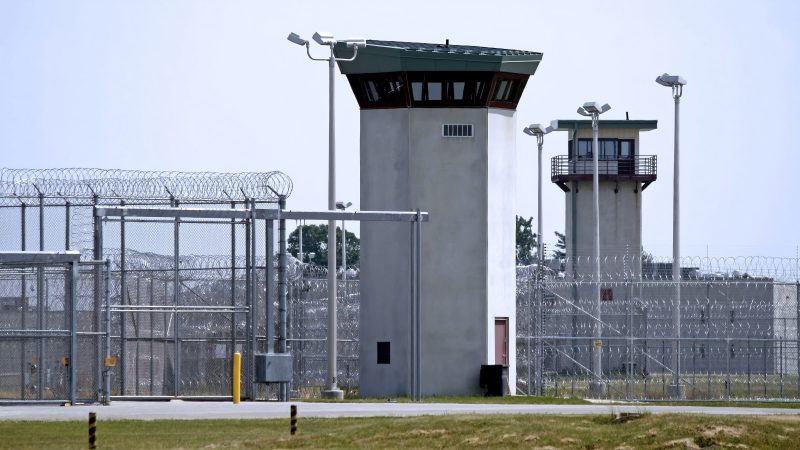
Electric Fence For Prision
Blogs

How to Choose a Security System Vendor for Prison Projects

Prisons face extreme security demands, from intrusions to escape attempts, where any system failure can cause severe consequences. Choosing the right vendor is a vital risk management decision. This guide helps you evaluate suppliers, compare technologies, and select a partner for mission-critical protection. Understanding Prison Security System Requirements Prison threat scenarios are larger in scope and more complex than typical perimeter security projects. A vendor must understand these unique requirements from the start. Key Threat Categories Prisons must defend against: Escape attempts: cutting fences, climbing barriers, tunneling, distraction tactics Contraband smuggling: ground drops, drones, external accomplices Violence or riots: sudden inmate aggression requiring rapid lockdown Insider threats: staff manipulation or forced access External intrusions: break-in attempts to free inmates Each threat requires sensors, response tools, and analytics working together. Typical System Components Required for Correctional Facilities A complete prison security architecture includes: Perimeter detection systems Fiber optic fence detection Electric fences Buried sensors Microwave or infrared barriers Video surveillance Intelligent analytics PTZ auto-tracking Thermal imaging for nighttime or fog Access control & identity verification Biometric access RFID or smart card systems Anti-contraband systems Drone detection Cellular signal detection X-ray inspection Centralized Command Platform Multi-layer alarm integration Real-time operator dashboards Incident management workflow If a vendor cannot supply or integrate these components, the system will have gaps. Matching Vendor Capabilities With Facility Security Level Facility Type Security Requirements Vendor Requirements Minimum Security Low-risk perimeter, small inmate population Basic CCTV + access control Medium Security Enhanced perimeter sensors, controlled movement Proven integration skills Maximum Security Multi-layer defense, anti-cut, anti-climb, rapid detection Advanced fiber optic + AI analytics High-Risk / National Security Prisons Zero-tolerance fail-safe operations Military-grade encryption, 24/7 support, redundancy A vendor must demonstrate experience in your specific facility category. Key Factors When Choosing a Supplier Technical Expertise in Correctional Security Prison security is not generic perimeter protection. Choose suppliers with: Documented experience in prison projects Understanding of inmate behavior and escape patterns Proficiency with multi-layer perimeter design Ability to deliver high-security, low-false-alarm systems General security vendors rarely meet these performance thresholds. Product Portfolio Depth A qualified prison security vendor should offer or integrate: Fiber optic intrusion detection (cut/climb/lift detection) Electric fence systems with voltage monitoring Microwave and IR barriers for redundant protection Thermal + AI CCTV analytics Access control with biometric verification Drone detection and jammer systems Complete command control software Suppliers with only one or two technologies may force risky multi-vendor environments. Scalability and Modularity Prison facilities expand, upgrade, and add new wings. The system must: Support longer perimeters without sensitivity loss Adapt to future technologies Scale from 20 to 200+ zones Integrate new cameras, sensors, or fences Allow multi-site centralization A rigid system becomes obsolete within a few years. Integration Capabilities Integration is one of the most important criteria. System must support: VMS (Video Management System) ACS (Access Control System) SIS (Security Information System) Prison ERP / management databases ONVIF cameras Modbus / TCP / API system communication Without this, the prison will operate in dangerous silos. Compliance & Certifications A prison security vendor must adhere to: Correctional facility standards Electrical safety certifications Secure communication encryption Cybersecurity frameworks Government or defense approvals for high-risk prisons This ensures legal validity and risk compliance. Environmental & Operational Reliability Outdoor prison perimeters face harsh conditions: Wind vibrations Heavy rain, fog, snow Corrosion and UV exposure High-frequency movement from fences Animal interference A high-quality vendor delivers: Durable fiber optic cables True low-false-alarm filtering Redundant power & communication paths Weather-resistant enclosures Evaluating Vendor Experience & Project History Review Real Prison Case Studies A strong vendor can demonstrate: Multi-year operation at existing prisons Performance data (false alarm ratio, uptime, ROI) Project complexity Perimeter length and number of zones Technology combinations used General commercial case studies are not enough. Confirm Testimonials & Long-term Partnerships Ask for feedback about: Detection performance under high-wind conditions Reliability during attempted escape scenarios Post-installation support quality System uptime and software stability The best vendors maintain 10+ year partnerships with correctional institutions. Comparing Vendors: Features, Price & Performance Vendor Comparison Table Criteria Vendor A Vendor B Gato Perimeter Detection Microwave only Electric fence Fiber optic + buried + microwave fusion AI Surveillance Limited Medium Advanced AI analytics + PTZ auto-tracking False Alarm Filtering Weak Moderate Excellent, wind-resistant Integration Partial Moderate Full VMS + ACS + command platform Cybersecurity Basic Basic Encrypted, tamper-proof Support Outsourced Limited 24/7 direct support Maintenance Cost High Medium Low Overall Suitability Medium Medium Ideal for all security levels Total Cost of Ownership (TCO) In prison environments, TCO matters more than initial procurement cost. Cost Category Example ROI Considerations Installation High-quality installation lowers long-term failures Maintenance Fiber optic systems require less maintenance Downtime Every alarm failure increases risk & liability Training Staff training improves operational efficiency Scalability Modular systems reduce future upgrade cost A cheaper system can become more expensive after recurring failures. Critical Questions to Ask Before Selecting a Vendor Can your system detect cutting, climbing, tapping, and lifting with different sensitivity levels? How do you minimize false alarms during high wind or heavy rain? Do you offer AI-enhanced alarm verification via CCTV integration? What is your maximum detection distance and zone resolution? Can your system operate under a redundant, fail-safe architecture? Do you support future expansions up to 2–3× perimeter length? What is your technical support response time? How do you protect systems from cyber threats and tampering? A credible vendor should answer confidently with documented evidence. Procurement Checklists for Correctional Facilities Technical Checklist Multi-layer perimeter detection Fiber optic sensing capability AI-driven video analytics Tamper detection Failover communication loops Operational Checklist The training program included User-friendly monitoring interface Alarm escalation workflow Automatic incident reporting Risk & Compliance Checklist National corrections compliance Redundant power and communications Secure encrypted data Environmental resistance (IP66+ enclosures) Why Gato Is the Preferred Vendor for Prison Security Projects Technology Advantages Gato provides: Advanced fiber optic fence intrusion detection (cut, climb, tamper, lift) Buried vibration sensors for stealth detection Electric fence integration Microwave and infrared barriers AI-enhanced CCTV analytics with PTZ auto-tracking Unified command platform for all sensors & video This multi-sensor fusion approach

Testing Electric Fence Grounding System
Blogs

DIY vs Professional Installation of an Electric Fencing System: Cost Trade-offs

When installing an electric fence, hiring a professional installer or doing it yourself is one of the most crucial decisions. DIY offers lower labour costs and full design control, while professional installation ensures expertise, code compliance, and long-term reliability. In 2025, with the advent of new technologies, stricter regulations, and rising costs, the DIY vs. pro trade-offs are more significant than ever. This article explains what DIYers can realistically save, the risks or hidden expenses they may face, and when hiring professionals is worth the investment, supported by cost tables and real-world examples. Understanding Electric Fencing Systems Before diving into cost trade-offs, it’s useful to recap what an electric fencing system typically involves: A power source or energiser (which sends pulses of high-voltage, low-current current along the fence line). Conductive wires (often high-tensile steel or aluminium) mounted on posts or other supports, usually insulated at connection points. When the fence is touched, a grounding system (ground rods, earth stakes) completes the circuit. Insulators, tensioners, posts, and ancillary hardware (connectors, warning signs). For security/perimeter applications: possible integration with alarm systems, CCTV, sensors, remote monitoring, backup power (solar or battery) and more sophisticated energiser/control units. Installation complexity can vary massively: a simple pet-containment electric fence is far simpler than a multi-zone, high-voltage perimeter fence for a warehouse or industrial site. That variation drives much of the cost difference between DIY and professional services. Cost Overview: DIY vs Professional Installation at a Glance Here is a summary comparison of the major cost and risk dimensions: Aspect DIY Installation Professional Installation Up-front cost Lower — mainly materials and your labour Higher — materials plus labour, permits, professional markup Labour & time You supply labour; it may take longer Contractor supplies labour; likely faster completion Skill/knowledge required High — you must know electrical wiring, grounding, safety, and maybe local codes Less of a burden on you — installer brings expertise Safety & compliance risk Higher risk of mistakes, code/permit non-compliance, potential liability Lower risk: installer takes responsibility, usually insured Warranty/guarantee Often minimal or none, you carry repair risk Usually includes some warranty, service support Long-term performance Possibly lower if mistakes or sub-optimal installation Likely better reliability, fewer hidden costs over time What a Savvy DIYer Can Save For many property owners, DIY may seem an attractive cost-saving route. Let’s look at typical savings: Labour cost savings Industry data shows that for many electric fences, labour & installation fees can account for 50-70% of the total cost when hiring a pro. For example, according to one source: “Professional labour accounts for 50% to 70% of the total project cost, adding around $0.12 to $0.20 per linear foot to the cost of materials.” Therefore, by doing the labour yourself, you may shave off a significant portion of the budget. Example material-only cost Let’s say you need 500 ft of fence. Industry averages suggest a modest installation: ~$750-$2,000 (for 500 linear feet, including materials & labour). If you undertake the installation yourself, you may reduce the cost by the labour portion (maybe 30-50% of the total). If materials cost $1,000 and labour $700, you could save $700 by doing it yourself. Control and flexibility DIY allows you to schedule the work when you choose, shop for materials, pick suppliers, and potentially reuse existing posts or infrastructure. This can translate to further savings. Learning and maintenance benefits By doing the installation yourself, you become familiar with the system — how it is grounded, how the energiser works, and how to test voltage. That knowledge lowers future maintenance costs (you can diagnose issues yourself rather than call a technician). Hidden or Overlooked Costs & Risks in DIY Projects However, the savings are not without trade-offs. Several hidden or overlooked costs and risks can erode the savings, sometimes dramatically. Tooling and equipment While materials are obvious, DIY may require purchasing tools you don’t already have: post‐hole diggers, tensioners, wire crimpers, voltage testers, grounding rods, maybe a trenching tool if burying cable. These upfront costs often go overlooked. Mistakes, rework and inefficiency Improper grounding, wrong post spacing, poor wire tensioning, inadequate insulation, or shortcuts in wiring can cause inefficiencies, reduce system performance, or lead to failure. One source noted that site preparation (clearing vegetation, levelling terrain) and complex terrain add high cost. If you misinstall, you may spend more later to fix it, which erodes your initial savings. Compliance, permits and liability Electric fencing may be subject to local codes (especially if used for perimeter security rather than just pets), especially if there’s high voltage or integration with alarm systems. Permits or electrical inspections may be required; failing compliance may lead to fines, insurance issues, or the need for a redo. According to HomeAdvisor, permit fees can range $50-$200. DIYers must ensure they follow local regulations and safety standards. Safety risks Electric fences pose safety hazards if incorrectly installed: risk of shock to humans or animals, poor grounding causing erratic behaviour, or fire risk if energizer wiring is faulty. For high-security perimeter fencing with high voltage outputs, the risks amplify. If something goes wrong, you bear the liability (injury, property damage). Hidden ongoing maintenance costs Even if the initial install is cheap, DIY systems might require more frequent maintenance: wires sagging, insulators failing, vegetation touching wires, poor grounding degrading over time. These maintenance issues can cost time and parts. One cost guide suggests repairs cost $300-$940. Thus, DIY savings may be partially offset by higher lifetime costs. Efficiency losses If the installation is sub-optimal (poor grounding, wrong energiser size, inadequate wires), the fence may use more power, perform less reliably, or require more frequent troubleshooting. Over time, this can have a tangible cost impact. When Hiring Professionals Makes Sense For many applications — especially larger or higher-stakes installations — professional installation may be the smarter path. Here are scenarios where it strongly makes sense: Large perimeter or complex layout: If you have several thousand feet of fencing, multiple zones, varied terrain, or need integration with security systems (alarms, CCTV), then the complexity

Leave Your Message