
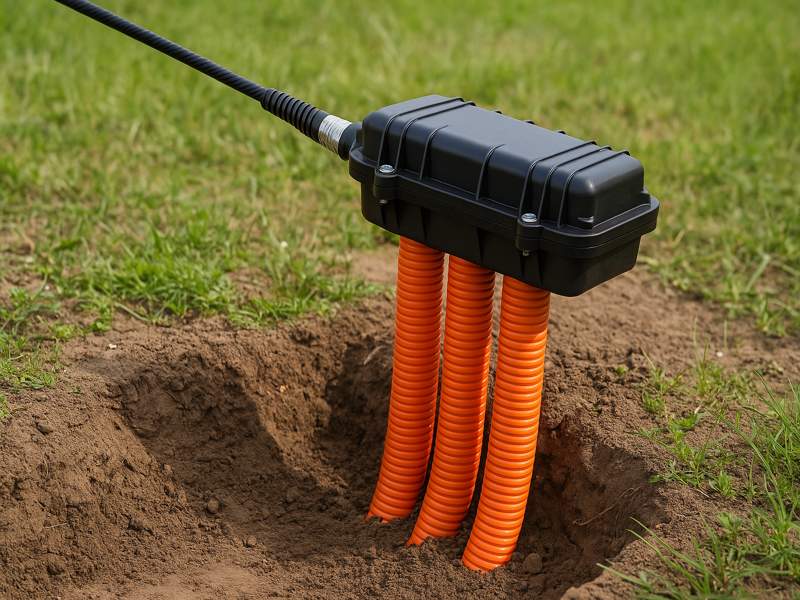
How to Protect Fiber Optic Cable Outside: A Complete Guide
Fiber optic cables enable high-speed, long-distance data transfer, forming the backbone of modern communication. Yet, outdoors, they face temperature swings, moisture, UV exposure, rodents, and human interference. Protecting them is essential for long-term reliability. This guide covers how to safeguard outdoor fiber optics across underground, aerial, direct-burial, and exposed setups. Understanding Outdoor Fiber Optic Cable Risks Before applying protective measures, it’s essential to understand the main risks fiber optic cables face outdoors. Environmental Conditions UV Exposure: Prolonged sunlight degrades standard plastic jackets, making them brittle. Temperature Extremes: Expansion and contraction can cause stress fractures. Moisture & Flooding: Water ingress can damage fibers or connectors, leading to signal attenuation. Wind and Ice: Overhead installations face tension and sagging from strong winds and ice loading. Mechanical and Physical Threats Rodent Damage: Rats and other animals chew through cables, especially in rural or underground installations. Crushing or Impact: Vehicles, construction equipment, or falling branches can compress or sever cables. Soil Shifting: Underground cables may stretch or deform as soil settles or freezes. Human Interference Accidental Digging: Construction activities pose the highest threat to underground cables. Vandalism or Theft: Exposed fiber infrastructure can be deliberately cut or stolen for scrap metal components. Identifying these threats allows network planners and technicians to choose the right protection methods. Selecting the Right Outdoor Fiber Optic Cable Cable protection begins at the selection stage. Not all fiber optic cables are suitable for outdoor environments. Outdoor Cable Types Cable Type Protection Features Common Applications Armored Cable Steel or aluminum armor resists rodent bites and mechanical stress Direct burial, industrial sites Loose Tube Cable Gel-filled tubes prevent water ingress Underground duct and conduit systems Aerial Cable (ADSS) Self-supporting with aramid yarn strength Power line or pole-mounted routes Direct Burial Cable UV-resistant, water-blocked, and armored Long-distance rural or cross-country links Duct Cable Designed for pulling through conduits Urban areas with existing pipe infrastructure Selecting the right cable type ensures that the structure itself provides first-level protection. Material Considerations UV-Resistant Jackets (PE or LSZH): Prevent sunlight degradation. Water-Blocking Gel or Tape: Stops moisture migration inside the cable. Metal or Non-Metallic Armoring: Adds crush and rodent resistance. Ripcord Design: Simplifies access for maintenance without damaging fibers. Underground Fiber Optic Cable Protection Underground installation offers natural protection from wind, ice, and UV exposure—but it also introduces risks like moisture and accidental digging. Use of Conduits and Ducts Installing cables inside conduits or HDPE ducts provides strong mechanical and environmental protection. HDPE Conduits: Flexible and resistant to corrosion and chemicals. PVC Conduits: Ideal for urban environments but less impact-resistant. Sub-ducting: Allows multiple fiber cables inside one main conduit for scalability. Color Coding: Simplifies cable identification during maintenance. Depth and Burial Practices To avoid unintentional injury, the burial depth must be appropriate. Installation Area Recommended Depth Urban Sidewalks 45–60 cm Road Crossings 90–120 cm Agricultural or Rural Areas 60–90 cm Use warning tapes 30 cm above the conduit to alert excavators before reaching the cable. Moisture and Water Protection Even in conduits, water can seep in due to condensation or floods. Seal both ends of the ducts with end plugs or foam seals. Use water-blocking compounds or dry core technology to prevent water migration. Elevate handholes or access points to reduce water accumulation. Protection from Insects and Rodents Network disruptions are frequently caused by rodent attacks. Choose steel-armored or corrugated aluminum-tape cables. Add rodent-resistant conduits or coatings. For high-risk areas, apply rodent repellent compounds during installation. Aerial Fiber Optic Cable Protection Aerial installation is common for rural broadband, power utilities, and city-wide fiber networks. However, exposure to weather and mechanical stress is high. Proper Tensioning and Sag Control Maintain recommended tension and sag during installation to avoid fiber strain. Use dead-end grips or messenger wires for support. Follow manufacturer guidelines for minimum bend radius. UV and Weather Protection Use UV-stabilized cable jackets. Periodically inspect for cracks or discoloration due to sunlight. Install drip loops at connection points to prevent water ingress. Lightning and Electrical Hazards For installations near power lines: Use ADSS (All-Dielectric Self-Supporting) cables to prevent electrical conduction. Ground all metal hardware and avoid contact with high-voltage lines. Maintain safe clearance distances as per local utility standards. Wind and Ice Load Management Use helical cable ties and aerial spacers for wind control. Select cable types rated for ice loading if used in cold climates. Avoid installing cables in deep sags or tree canopies. Direct Burial Cable Protection Direct burial saves time and materials but requires robust protection measures. Armoring and Sheathing Always use armored direct-burial cables with double jackets and water-blocking layers. Backfilling Materials Avoid sharp stones or debris that may pierce the jacket. Use sand or fine soil bedding to cushion the cable. Compact backfill to prevent shifting over time Warning and Identification Install a warning mesh or tape above the buried cable path. Use brightly colored, durable polyethylene tapes. Include warning text such as “Fiber Optic Cable Below – Do Not Dig.” Route Mapping Maintain accurate as-built drawings and GPS coordinates for all buried cable routes. This prevents accidental cuts during future excavation. Protecting Fiber Connections and Enclosures Cable protection extends beyond the fiber itself—connectors, splices, and enclosures must be safeguarded from environmental and mechanical damage. Splice Closure Protection Use IP68-rated waterproof closures. Employ heat-shrink sleeves or gel seals for joint protection. Mount closures in handholes, manholes, or pole enclosures to reduce stress. Connector Enclosures Outdoor connectors should be in weatherproof boxes or fiber distribution cabinets. Maintain proper strain relief to prevent fiber pullout. Use dust caps and sealing gaskets to block contaminants. Grounding and Bonding For metallic-armored cables: Ground at both ends to prevent voltage buildup. Use grounding kits with corrosion-resistant clamps. Verify bonding continuity regularly during inspections. Additional Protective Techniques and Accessories Cable Markers and Signs Use durable cable route markers at regular intervals and key points (turns, junctions, or road crossings). Ensure the information includes cable type, owner, and emergency contact. Conduit Sealing and Pressurization In flood-prone areas: Apply pressurized air or nitrogen in ducts to detect leaks. Seal