September 11, 2025

Fence Alarm System
Blogs

Top 10 Electric Fence Manufacturers in the World

The electric fence industry has evolved into a dynamic sector, fulfilling a dual role: livestock management in the agricultural sector and critical infrastructure security in the security industry. With the growing global demand for perimeter protection—whether for animal control or deterring intruders—selecting a trustworthy manufacturer is more important than ever. This article profiles ten influential electric fence manufacturers worldwide, showcasing their strengths, global reach, and technological offerings. Gallagher Headquarters: Hamilton, New Zealand Overview: Founded in 1938, Gallagher is one of the earliest pioneers in electric fencing. The company manufactures energizers, portable kits, and accessories for farms and security installations worldwide. With products tested in extreme climates, Gallagher is trusted by both small farms and large estates across Oceania, North America, and Europe. They also invest in smart fencing systems that integrate with livestock monitoring technologies. Key Strengths: Durable energizers suitable for harsh environments Wide portfolio covering agriculture and security Strong global dealer and service network Shanghai Gato Information Technology Co., Ltd. Headquarters: Shanghai, China Overview: Shanghai Gato is a modern leader in electric fencing and perimeter intrusion detection. Unlike traditional livestock fencing companies, Gato focuses heavily on advanced security applications. Their portfolio includes pulse electric fences, tensile fences, buried sensors, fiber optic detection, and laser beam systems, serving critical infrastructure, borders, and high-security facilities. With more than 150 patents, ISO/CE certifications, and projects completed in 30+ countries, Gato is setting a new benchmark for intelligent, adaptive perimeter security. Key Strengths: Advanced smart security and intrusion detection solutions Over 150 patents and global certifications 300,000+ successful projects worldwide Woodstream Corporation (Zareba Systems) Headquarters: Pennsylvania, USA Overview: Woodstream’s Zareba® Systems brand is the largest electric fence manufacturer in North America. Their products are popular among DIY enthusiasts, hobby farmers, and rural households thanks to easy-to-install fence kits. Zareba offers energizers, insulators, posts, reels, and conductors, distributed widely through farm stores and major retailers. Their 75+ years of expertise ensure durability and accessibility in every product line. Key Strengths: North America’s largest electric fence supplier DIY-friendly systems with wide retail reach Full range of accessories for flexible installation Parker McCrory (Parmak) Headquarters: Kansas City, Missouri, USA Overview: Operating since 1937, Parker McCrory’s Parmak brand is the world’s oldest producer of electric fence chargers. They specialize in rugged American-made energizers, including solar-powered and battery models. Parmak products are particularly respected for their reliability on remote ranches where consistent power is critical. Their heritage makes them a preferred brand among traditional farmers in the U.S. Key Strengths: Over 85 years of industry leadership Robust solar and battery-powered energizers Trusted American-made quality Nemtek Headquarters: Johannesburg, South Africa Overview: Nemtek designs and manufactures electric fencing products for both agricultural and high-security applications. Their catalog includes energizers, wires, insulators, monitoring devices, and posts. Nemtek is especially recognized for security-grade fencing, used in industrial and government installations as well as farms. With 30+ years in the business, they export extensively to Africa, Asia, and global markets. Key Strengths: Dual focus: farming and high-security perimeters Advanced energizer and monitoring solutions Strong distribution network in emerging markets JVA Technologies Headquarters: Brisbane, Australia & Johannesburg, South Africa Overview: JVA Technologies produces energizers and monitoring systems for both livestock control and high-security installations. Their products are widely used in farms across Australia and Africa, and in sensitive perimeter applications such as prisons and military sites. JVA emphasizes remote management and smart integration, allowing users to monitor fences via connected platforms. Key Strengths: High-security fencing solutions for critical sites Remote management and smart monitoring features Active presence in Australasia and Africa LACME Headquarters: La Flèche, France Overview: LACME is one of Europe’s leading electric fence manufacturers, supplying energizers, conductors, and accessories for agriculture and equestrian use. Their proprietary HTE/HVE technology ensures consistent energy distribution across changing fence conditions. With more than six decades of experience, LACME is highly regarded in the EU market for balancing innovation with animal safety. Key Strengths: Proprietary energy management technology Strong focus on equine and EU farms Broad product range from small to large systems horizont group Headquarters: Korbach, Germany Overview: Horizont Group operates through its Animal Care division to supply modern electric fencing systems for all major livestock species. With more than 75 years of experience, they produce energizers, posts, conductors, and portable fencing systems. Their European presence is complemented by exports worldwide, making them a reliable partner for farmers needing compliance with strict EU standards. Key Strengths: Large-scale catalog covering multiple livestock types Over 75 years of engineering expertise Strong EU compliance and distribution network AKO-Agrartechnik (Kerbl Group) Headquarters: Buchbach, Germany Overview: AKO-Agrartechnik, under the Kerbl Group, is one of Europe’s largest electric fence producers. The company has quintupled its production since 2000, offering smart energizers, solar units, and accessories. AKO’s “Smart” series of energizers provide cloud connectivity and GPS integration, appealing to farmers seeking data-driven pasture management. Key Strengths: Smart energizers with cloud/GPS connectivity Full catalog of conductors, testers, and posts Rapid growth in EU and international markets Datamars Livestock (Speedrite, Stafix, PEL, Patriot) Headquarters: Lugano, Switzerland Overview: Datamars owns several of the world’s best-known electric fence brands: Speedrite, Stafix, PEL, and Patriot. This diverse portfolio allows them to serve hobby farmers, mid-size ranchers, and industrial-scale livestock operators. Their energizers come in mains, battery, and solar options, while their smart fence management tools help farmers track performance. Datamars has a strong presence in Europe, North America, and Oceania. Key Strengths: Multi-brand coverage across global markets Emphasis on smart and digital pasture management Trusted by both commercial and small-scale farmers Comparison Table: At a Glance Manufacturer Country Primary Focus Special Strengths Gallagher New Zealand Agriculture & security Climate-tested energizers, global reach Shanghai Gato Information Technology China Security & smart fencing Fiber optic, laser, pulse electric systems Datamars (Speedrite, etc.) Switzerland Agriculture Multi-brand, smart monitoring Woodstream (Zareba) USA Agriculture (DIY) Strong retail presence, easy installation Parker McCrory (Parmak) USA Agriculture Solar/battery energizer heritage Nemtek South Africa Agriculture & security Security-grade fencing solutions JVA Technologies Australia/SA Agriculture & security Remote monitoring, prison/military use LACME France Agriculture & equine
Regional Pricing Trends for Electric Fencing
Blogs

Regional Pricing Trends for Electric Fencing: North America, Europe, Asia, and Beyond

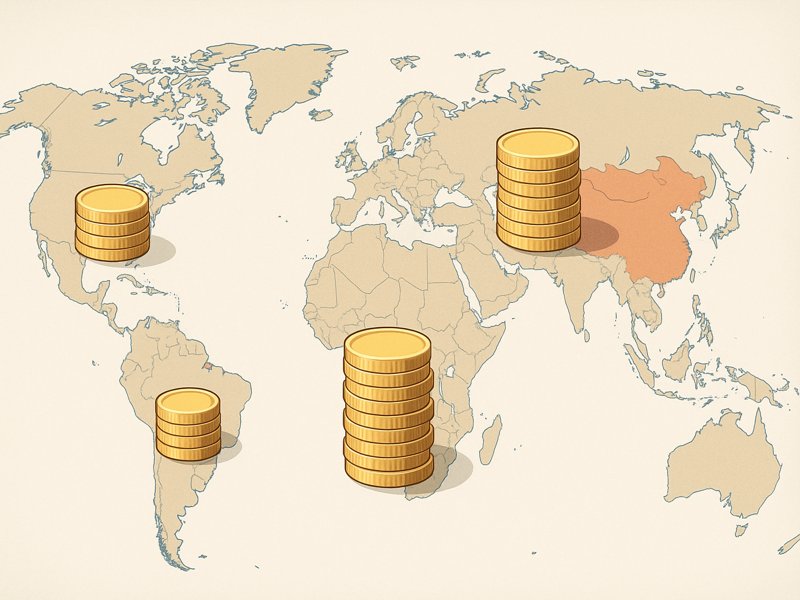
Electric fencing has become an essential security and agricultural solution worldwide. From keeping livestock safely contained on farms to protecting airports, power stations, and industrial facilities, these systems combine affordability with effectiveness. The cost of installing electric fences varies greatly across different regions. Factors like raw material costs, labor rates, regulations, and technology adoption all influence final expenses. For buyers, contractors, and facility managers, understanding electric fence price trends across global markets is crucial for budgeting and supplier selection. This article explores regional variations in North America, Europe, Asia, and other markets, while highlighting opportunities for cost savings and partnerships with reliable electric fence suppliers. Key Factors Influencing Electric Fencing Prices Globally While regional differences are significant, several universal factors shape the electric fence price worldwide: Material Costs – Steel wires, insulators, energizers, and poles make up a large portion of the costs. Rising steel prices impact every region. Technology Integration – Smart fencing systems with sensors, alarms, and solar panels cost more than basic livestock fencing. Labor and Installation – In regions with higher wages, such as North America and Western Europe, installation costs are a major factor. Regulatory Compliance – Certifications like CE (Europe), UL/CSA (North America), and local safety standards raise costs. Market Demand – Agricultural demand dominates in Asia and Africa, while industrial and perimeter security dominate in developed markets. North America: Premium Prices Driven by Labor and Technology In the U.S. and Canada, buyers can expect higher electric fence prices compared to other regions. Cost Range: Basic livestock fencing costs between $1.50–$3 per foot, while high-security electric fences for industrial sites can exceed $20 per foot. Key Drivers: High labor and installation costs. Demand for smart fences integrated with CCTV and alarm systems. Strict UL/CSA safety compliance. Market Trend: Growth in commercial sectors, especially for warehouses, airports, and government facilities. For agricultural buyers, prices remain manageable, but industrial customers pay a premium for advanced solutions. Europe: High Compliance and Sustainable Solutions Europe presents another market where the price for an electric fence is influenced heavily by regulatory standards. Cost Range: Agricultural electric fencing ranges from €2–€5 per meter, while high-security fencing can reach €60–€80 per meter in Western Europe. Key Drivers: EU directives and CE marking compliance. Rising demand for eco-friendly and solar-powered fencing solutions. Higher prices in Western Europe versus more affordable rates in Eastern Europe. Market Trend: Sustainability drives innovation, with demand growing in renewable energy sites, transport infrastructure, and urban security. Europe’s fencing sector prioritizes safety and environmental standards, resulting in higher upfront costs but long-term reliability. Asia-Pacific: Competitive Manufacturing and Expanding Demand Asia-Pacific is one of the most dynamic regions for electric fence suppliers, particularly with the rise of Chinese electric fence manufacturers. Cost Range: In China and India, basic fencing can cost as low as $0.80–$1.50 per foot, while smart fencing solutions average $10–$15 per foot. Key Drivers: Lower labor costs and abundant raw materials. Large-scale production and export competitiveness, especially from China. Rapid adoption in agriculture (India, Southeast Asia) and industrial security (Japan, South Korea, Australia). Market Trend: China remains the hub for manufacturing and exports, making China’s electric fence suppliers highly competitive in global markets. Many international buyers source from China to reduce costs while maintaining quality. For buyers comparing electric fence prices globally, Asia offers the most cost-efficient options. Middle East, Africa, and Latin America: Diverse Markets with Unique Challenges Middle East High demand for perimeter security in the oil, gas, and aviation sectors. The electric fence price is higher due to reliance on imported systems and premium suppliers. Africa Basic, low-cost fencing dominates agricultural and wildlife applications. Solar-powered solutions are gaining popularity due to limited electricity access. Latin America Prices are moderate, driven by agriculture (ranching) and growing industrial demand. Import tariffs influence final costs in countries like Brazil and Argentina. These regions are still emerging markets, offering opportunities for competitive electric fence suppliers to expand. Comparative Pricing Table Region Basic Agricultural Electric Fence High-Security Electric Fence Smart/IoT-Enabled Electric Fence North America $1.50–$3 per foot $20–$25 per foot $30+ per foot Europe €2–€5 per meter €60–€80 per meter €100+ per meter Asia-Pacific $0.80–$1.50 per foot $10–$15 per foot $20–$25 per foot Middle East $2–$4 per foot $25–$40 per foot $50+ per foot Africa $0.50–$1.20 per foot $8–$12 per foot $15+ per foot Latin America $1–$2.50 per foot $15–$20 per foot $25+ per foot Note: Prices are indicative averages and vary by supplier, material, and installation complexity. Future Outlook for Electric Fence Pricing The global electric fencing market is evolving rapidly: Smart Technology – AI, IoT, and automation are becoming standard in high-security fences, driving costs higher in developed markets. Asia’s Competitive Edge – China’s electric fence suppliers are expected to dominate exports, keeping global prices competitive. Sustainability – Future designs and costs will be shaped by solar-powered systems and recyclable materials. Regional Disparities – Prices will remain higher in North America and Europe, while Asia and Africa offer more cost-effective solutions. For buyers, the key is balancing local regulations with cost advantages from global sourcing. Electric fencing continues to serve as a vital solution for agriculture, industrial protection, and high-security applications worldwide. Regional pricing varies greatly, with North America and Europe demanding higher prices due to labor and compliance, while Asia, especially China, electric fence suppliers provide cost-efficient alternatives. Emerging regions like Africa and Latin America also present growth opportunities. In comparing the costs of electric fencing, businesses ought to take into account not just initial expenses but also durability over time, adherence to regulations, and the dependability of suppliers. By choosing the right partners among global electric fence suppliers, organizations can secure their assets effectively while optimizing investment.

Component For Buried Cable Intrusion Detection System
Blogs

Environmental Self-Adaptation in Buried Cable Intrusion Detection Systems

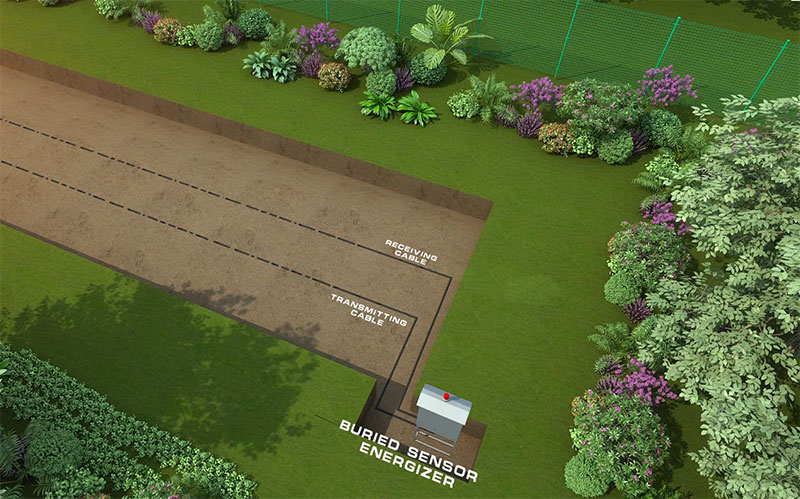
PIDS (Perimeter Intrusion Detection Systems) are essential for protecting infrastructure, government sites, and private property. Buried cable systems offer discreet deployment and broad coverage but struggle with environmental interference, leading to false alarms and higher costs. Emerging self-adaptive technologies address these challenges by adjusting to site conditions, improving accuracy, reliability, and long-term value. This article examines environmental factors, self-adaptive principles, enabling technologies, and commercial benefits. Key Environmental Challenges for Buried Cable Systems Soil Conditions Sand: Loose soils dampen vibration signals, reducing sensitivity. Clay: Water retention in clay may amplify signals and create inconsistent readings. Rocky Terrain: Rocks transmit vibrations differently, sometimes exaggerating background noise. Groundwater Levels: Fluctuating groundwater can flood or saturate sensor pathways. Weather Impacts Rain and Flooding: Excess water saturates soil, increasing conductivity and noise. Snow and Frost Heave: Expanding soil in freezing conditions displaces cables, altering calibration. Extreme Heat: Drying soils contract, changing pressure distribution on cables. Vegetation and Wildlife Roots: Growing roots create long-term shifts in soil pressure. Small Animals: Burrowing or crossing animals may mimic human activity. Insects: Dense insect movement in certain regions produces detectable vibrations. Human Activity and Infrastructure Vehicles and Machinery: Heavy equipment generates vibrations easily confused with intrusions. Construction Work: Creates continuous disturbances requiring adaptive filtering. Electromagnetic Interference: Power lines or communication towers nearby may impact signal clarity. Environmental Factors and Their Impact on Buried Cable Systems Environmental Factor Typical Impact Detection Risk Sandy Soil Weak vibration transfer Reduced sensitivity, missed detections Clay Soil Signal distortion under moisture False positives Heavy Rain Flooding, oversaturation Erratic sensor response Frost Heave Cable displacement Calibration drift Wildlife Movement Localized vibrations Frequent false alarms Heavy Machinery Ground vibration False intrusions during operations Principles of Environmental Self-Adaptation The concept of environmental self-adaptation focuses on enabling the buried cable system to automatically differentiate between natural disturbances and genuine threats. Key principles include: Continuous Monitoring: Systems establish a baseline “environmental noise profile” by tracking soil and vibration conditions over time. Dynamic Threshold Adjustment: Instead of relying on fixed sensitivity, adaptive systems raise or lower thresholds in response to seasonal or real-time changes. Machine Learning Algorithms: Adaptive models classify vibration signatures, distinguishing intruders from wildlife or rain. Self-Learning Capability: Systems improve detection accuracy by analyzing recurring patterns such as seasonal frost, daily traffic, or wildlife activity. This allows operators to benefit from consistent performance without constant manual recalibration. Technologies Enabling Self-Adaptation Modern self-adaptive buried cable systems combine hardware resilience with advanced software intelligence. Sensor Calibration Systems Self-calibrating sensors automatically fine-tune their response when soil density, moisture, or pressure shifts occur. This minimizes downtime and human intervention. Signal Processing Algorithms Adaptive filtering techniques remove irrelevant noise—such as vibrations from wind, rain, or small animals—without compromising sensitivity to human intrusions. Multi-Sensor Integration By combining buried cables with other technologies (thermal cameras, radar, or fence sensors), the system cross-validates events. Redundancy ensures fewer false alarms and higher confidence. Cloud-Based Analytics and Remote Updates Cloud-enabled systems analyze large volumes of data across multiple sites, identifying regional environmental trends. Software updates then refine performance without requiring hardware changes. Benefits of Environmental Self-Adaptation Accuracy Improvement Adaptive systems achieve higher detection rates by recognizing the difference between natural and man-made disturbances. Reduction in False Alarms False alarms damage operator trust and increase costs. Self-adaptation ensures reliable alerts only when genuine intrusions occur. Operational Efficiency Less manual recalibration and fewer maintenance visits translate into reduced operating costs. Long-Term Reliability Seasonal and climate variations no longer degrade performance, ensuring consistent protection year-round. Scalability Adaptive buried cable systems are easier to deploy across diverse terrains—urban, rural, tropical, desert, or arctic. Conventional vs Self-Adaptive Buried Cable Systems Feature Conventional System Self-Adaptive System Sensitivity Setting Fixed thresholds Dynamic adjustment in real-time False Alarm Rate High under changing conditions Significantly reduced Maintenance Needs Frequent manual recalibration Minimal operator intervention Seasonal Reliability Inconsistent Stable across weather and soil changes ROI Lower due to operational costs Higher due to efficiency and accuracy Use Cases & Applications Critical Infrastructure Airports, seaports, and power stations rely on buried cables for secure perimeters. Self-adaptation prevents disruptions caused by environmental noise in busy, high-risk areas. Border Security National borders require continuous monitoring across diverse terrains. Adaptive systems maintain consistent detection across deserts, forests, and mountainous regions. Industrial Perimeters Oil refineries, chemical plants, and warehouses face frequent vibrations from machinery. Self-adaptive buried cables can filter industrial noise while detecting real threats. High-Security Facilities Military bases, prisons, and government sites demand near-zero tolerance for false alarms. Adaptive systems provide reliable, low-maintenance security. Urban vs Rural Deployment Urban Areas: Adaptation reduces false alarms caused by traffic, subways, or construction. Rural Areas: Systems adapt to wildlife, farming machinery, and seasonal soil changes. Commercial and Strategic Value Adopting self-adaptive buried cable PIDS brings significant financial and operational advantages. Lowered Total Cost of Ownership (TCO): Reduced maintenance and a decrease in false alarms lead to diminished operational costs. Compliance: Systems meet international security standards by minimizing false positives. Competitive Advantage: Integrators offering adaptive systems stand out in bids for high-security projects. Future-Proofing: Adaptive solutions extend system lifecycles, protecting long-term investment. For decision-makers, the business case is clear: environmental self-adaptation is not a luxury—it is a necessity for reliable perimeter defense. Buried cable intrusion detection systems offer discreet perimeter defense but face environmental challenges that impact accuracy. Self-adaptive technology overcomes these limits by adjusting to site conditions, reducing false alarms, and lowering costs. From airports to military bases, adaptive buried cable PIDS deliver reliable, future-ready protection—making them the smarter choice for long-term security investments.

Environmental Factors Affecting PIDS Accuracy
Blogs

Environmental Factors Affecting PIDS Accuracy

Perimeter Intrusion Detection Systems (PIDS) are vital to modern security, acting as the first defense for critical assets. For security teams and managers, understanding these factors is key to reducing false alarms, ensuring reliability, and maximizing ROI. Weather Conditions and PIDS Performance Weather is one of the most significant external influences on PIDS accuracy. Different weather conditions affect detection technologies in various ways. Rain and Humidity: Heavy rain can cause waterlogging around buried sensors and interfere with signal transmission. Extreme temperatures: In cold climates, sensors may become unresponsive, while in desert environments, extreme heat may cause electronic components to overheat and malfunction. Wind Speed and Air Pressure: Strong winds can shake fences, poles, or loose vegetation, triggering false alarms in fence-mounted or vibration-based systems. Weather Factors and Their Impacts Weather Factor Typical Impact on PIDS Recommended Countermeasure Heavy Rain Signal interference, sensor flooding Waterproof housings, improved drainage High Humidity Corrosion, false positives Anti-corrosion coatings, sealed enclosures Extreme Heat Electronics overheating Heat-resistant materials, ventilation Freezing Cold Brittle sensors, reduced sensitivity Heated enclosures, insulation systems Strong Winds Fence movement, vibration alarms Sensor calibration, wind-resistant mounting Terrain and Ground Conditions The type of terrain where PIDS is deployed directly affects performance. Soil Type: Loose sandy soils reduce the efficiency of seismic or buried cable sensors, while rocky terrain may amplify vibrations, creating detection inconsistencies. Urban vs. Rural Sites: In urban environments, construction activities and traffic vibrations can produce background noise, while rural sites may have fewer disturbances but face challenges from uneven land. Groundwater or Flooding: High groundwater levels may saturate buried sensors, while flood-prone areas risk damage to cabling and electronics. Careful site surveys and soil testing should precede installation to avoid costly adjustments later. Vegetation and Wildlife Natural elements like plants and animals can often trigger false alarms if not properly managed. Moving Vegetation: Tall grass, bushes, or tree branches swaying in the wind can mimic intrusion signals. Wildlife: Birds landing on fences, small mammals crossing boundaries, or even insects triggering infrared sensors contribute to nuisance alarms. Seasonal Growth: Vegetation growth during spring and summer may block or reflect signals, requiring regular maintenance. A consistent vegetation management plan is crucial, especially for sites in wooded or rural areas. Light and Visibility Factors Optical and imaging-based PIDS technologies are heavily influenced by light and visibility conditions. Sunlight Glare: Direct sun exposure can cause cameras and infrared sensors to misinterpret signals. Night-Time Conditions: Artificial lighting may create shadows or reflections, complicating image analysis. Fog, Mist, and Dust: Reduce the range and clarity of laser, radar, or infrared detection systems. Using thermal imaging, multi-spectrum sensors, or light filters helps minimize these risks. Electromagnetic and Acoustic Interference Modern facilities often host multiple electronic systems that can interfere with PIDS accuracy. Radio Frequency Interference (RFI): Proximity to communication towers or high-voltage equipment can distort sensor signals. Industrial Noise: Heavy machinery creates ground vibrations that may be misread by seismic sensors. Power Line Proximity: Electromagnetic disturbances from power grids can reduce system reliability. Mitigation includes shielding, frequency filtering, and ensuring proper distance between PIDS and interference sources. Human and Operational Factors Even the best-designed PIDS can be compromised by human oversight. Maintenance Issues: Dirt, dust, or water accumulation reduces sensor performance over time. Installation Errors: Poor calibration or incorrect sensor placement can amplify environmental challenges. Operational Environment: Busy industrial perimeters face higher background noise compared to quiet, isolated facilities. Routine inspection and training for operators significantly reduce these risks. Regional and Seasonal Variations Different climates impose unique challenges on PIDS deployments. Tropical Regions: Constant humidity and heavy rainfall accelerate corrosion and increase nuisance alarms. Desert Environments: Sand and dust storms interfere with optics and mechanical systems. Cold Climates: Snow accumulation and ice expansion damage sensor housings and wiring. Regional Impacts on PIDS Climate Zone Key Challenges Adaptation Strategy Tropical Rain, humidity, corrosion Corrosion-resistant materials, drainage Desert Sandstorms, extreme heat Sealed optics, heat-resistant enclosures Cold/Arctic Ice, snow, frost heave Heated systems, antifreeze housing Coastal Salt corrosion, high winds Anti-salt coatings, reinforced mounts Mitigation Strategies To ensure optimal accuracy, organizations should adopt proactive solutions: Sensor Redundancy: Using multiple technologies (e.g., combining seismic, infrared, and radar) reduces dependency on one method. Smart Calibration: Adaptive algorithms can filter out environmental noise while maintaining sensitivity. Protective Housing: Weatherproof and tamper-proof designs extend system lifespan. Regular Risk Assessments: Periodic reviews ensure systems adapt to evolving site conditions. These strategies transform PIDS into resilient, long-term security investments. Commercial Considerations From a business perspective, environmental issues have a direct effect on operational expenses and return on investment (ROI). False Alarm Costs: Each false alarm consumes time, labor, and sometimes law enforcement resources. Downtime Risks: An unreliable system increases vulnerability, potentially leading to theft or damage. Value of Environment-Adaptive PIDS: Systems designed to withstand diverse climates and terrains minimize long-term expenses. Compliance and Standards: Many industries require PIDS that meet international environmental resilience standards (e.g., IEC, UL). For security buyers, considering environmental adaptability is not optional—it’s a key investment factor. PIDS technology provides strong protection, but performance is shaped by weather, terrain, vegetation, light, interference, and human factors. Adapting systems to these conditions reduces false alarms, improves efficiency, and extends reliability. For decision-makers, effective perimeter security combines advanced technology with environmental awareness.

Choose Electric Fencing Supplier
Blogs

Choosing the Right Electric Fencing Supplier: Key Factors for Buyers

Electric fences are vital not only in the agricultural sector but also in securing industrial boundaries, critical infrastructure, and even high-security facilities like prisons and power plants. The right fence system strikes a balance between durability, technological sophistication, and cost-effectiveness—but the true differentiator lies in the supplier behind the product. Choosing the right electric fence supplier is more than just finding the lowest price; it’s more about partnering with a company that delivers reliability, safety, long-term value, and enduring innovation. This article explores the key factors buyers should consider before making a decision. Supplier Reputation and Experience When it comes to electric fencing, reputation matters; established suppliers with decades of experience typically have proven product reliability and consistent service. Track record: Look for suppliers with references from farms, security companies, or government projects. Certifications & awards: Independent recognition often signals quality. Customer reviews: Reliable feedback highlights strengths and pain points. Tip: A supplier with strong case studies across both agriculture and security can be trusted to deliver under diverse conditions. Product Range and Technology The best suppliers offer more than just energizers. They provide end-to-end solutions covering energizers, conductors, insulators, posts, testers, and monitoring systems. Modern buyers should also check for technology integration: Energizers: mains-powered, battery, solar, or hybrid units. Smart features: remote monitoring via mobile apps or cloud platforms. Security integrations: compatibility with alarms, CCTV, fiber intrusion detection, laser beam security system, or buried cable intrusion detection system. Supplier Type vs Product Range vs Applications Supplier Type Product Range Depth Typical Applications Traditional Supplier Basic energizers & wires Small farms, homestead fencing Mid-Tier Supplier Energizers + full accessories Medium farms, commercial ranches Full-Solution Supplier Energizers + accessories + smart systems Large farms, industrial sites, security facilities Innovation-Driven Smart/cloud + integrated systems High-security perimeters, critical infrastructure Quality Standards and Certifications Compliance is non-negotiable. Suppliers should hold certifications such as: ISO 9001 (quality management) CE/RoHS (European standards) Local approvals (depending on market, e.g., UL in North America, CCC in China) Buyers should also verify whether suppliers conduct: Weather testing (heat, frost, humidity) Electrical safety testing Durability trials for posts, insulators, and conductors Tip: Ask suppliers for compliance documentation before purchasing. Post-Sales Support and Service All fencing systems, even the best ones, need support. Strong suppliers provide: Warranty policies covering energizers and accessories. Technical support during installation and maintenance. Spare parts availability to minimize downtime. Suppliers with local service centers or dealer networks can resolve issues much faster than overseas-only vendors. Personalization and Adaptability Each project is one of a kind. A cattle ranch requires different fencing than a power station perimeter. The right supplier should provide: Custom designs adapted to climate, soil, and terrain. Species-specific solutions (horses, sheep, goats, poultry, or wildlife deterrence). Security-grade fencing for industrial or government facilities. Flexibility ensures the system grows with your needs, whether expanding to more acreage or integrating with advanced intrusion detection. Cost vs Value Price is important, but the total cost of ownership (TCO) tells the full story. Low-cost suppliers may save money upfront but often lead to higher maintenance, more false alarms, and faster replacement cycles. Premium suppliers might appear expensive but deliver value over time. ROI Comparison of Supplier Types Supplier Category Upfront Cost Maintenance Needs Reliability Long-Term ROI Low-Cost Supplier Low High (frequent fixes) Low Poor Mid-Tier Supplier Medium Moderate Good Moderate Premium Supplier High Low (durable gear) Very High Strong Innovation-Driven High-High Low (smart alerts reduce failures) Excellent Excellent (long-term security value) Tip: For large farms or security-critical sites, investing in reliability pays back quickly. Global Reach and Local Availability Global suppliers with local dealer networks offer quicker delivery and enhanced support. Important questions to ask: Do they have regional warehouses or service hubs? Are replacement parts locally stocked? Is there a dealer or certified installer in your region? A strong global supplier with local access balances innovation with convenience. Future-Proofing and Innovation Technology is reshaping electric fencing: Smart energizers with remote controls and alerts Solar-powered systems for sustainable fencing Integration with IoT (farm management platforms, smart security systems) Choosing a supplier that invests in R&D ensures that your fence remains compatible with future innovations. Practical Buyer Tips Match supplier to your use case: small farm vs industrial perimeter security. Evaluate energizer specs carefully: joule output, power source, and line length capacity. Request a site survey: the best suppliers help design customized layouts. Ask about training: good suppliers provide installation and maintenance guidance. The choice of electric fencing supplier is strategic in nature and has implications for safety, efficiency, and long-term costs. By assessing supplier reputation, product range, certifications, after-sales service, customization ability, and innovation focus, buyers can ensure they partner with a company that delivers both reliability and value. For agricultural users, suppliers with proven animal-specific solutions are best. For industrial or high-security projects, choosing a supplier offering smart, adaptive, and integrated fencing systems ensures future-proof protection. The best choice is not always the cheapest — it’s the supplier who delivers dependable performance, responsive service, and solutions built for tomorrow’s challenges.

Leave Your Message