
July 2, 2025

Intrusion Detection for Urban and Rural Electric Fences System
Blogs

Intrusion Detection for Urban and Rural Electric Fences System: Design Challenges and Solutions

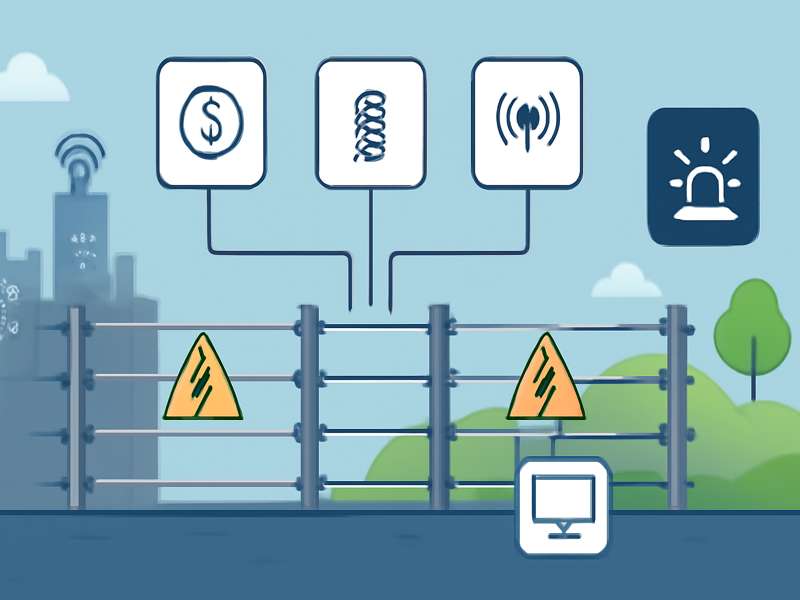
Designing effective intrusion detection systems (IDS) for urban and rural electric fence systems presents unique challenges. From signal interference in urban areas to environmental durability in rural settings, engineers and security planners must employ tailored strategies. Understanding Electric Fence Intrusion Detection Systems Electric fences use high-voltage pulses to deter and delay intruders. When combined with PIDS, these systems can detect unauthorized attempts at climbing, cutting, or tampering with the fence. Modern IDS-equipped electric fences typically include the following components: Voltage Sensors: Monitor for any sudden drops, indicating a short or wire tampering. Tension Sensors: Detect forceful deformation or displacement of wires. Vibration/Accelerometers: Capture disturbances caused by climbing or cutting. Communication Modules: Transmit real-time alerts to central control units or security personnel. These systems provide layered security by combining physical deterrence with instant alerts, allowing rapid response to threats. Design Challenges in Urban Areas Urban electric fence installations must overcome several distinctive obstacles: Electromagnetic Interference (EMI) Cities are saturated with electrical and radio signals from infrastructure such as telecom towers, Wi-Fi routers, and power substations. These signals have the potential to disrupt the functionality of IDS components, especially low-voltage sensors and wireless modules. Solution: Use shielded cables, EMI-resistant components, and spectrum analysis during system design to select appropriate communication frequencies. Opt for wired connections when possible. Limited Space and Shared Boundaries Urban properties often have limited perimeters or share walls with neighboring buildings. Installing an electric fence in such conditions increases the risk of unintentional shocks or property disputes. Solution: Utilize compact, modular fence panels and low-power shock settings. Additionally, smart zoning of intrusion sensors can define intrusion attempts without needing full-height fences. Aesthetic and Regulatory Constraints City installations must comply with municipal building codes and may need to blend with the environment, especially in commercial zones or residential neighborhoods. Solution: Choose low-visibility or glass fiber-reinforced fences that provide security without being visually obtrusive. Incorporate wireless sensor modules to reduce wiring clutter. Design Challenges in Rural Areas In contrast, rural deployments face different sets of challenges, often rooted in environmental exposure and infrastructure limitations. Power Supply Limitations Rural areas may lack a stable electricity supply, making consistent operation of electric fences and sensors difficult. Solution: Incorporate solar-powered energizers and backup batteries. Design the system to operate efficiently on low power, including sleep modes for sensors when idle. Long Perimeter Lengths Farms, ranches, and industrial sites in rural zones often cover vast areas, increasing the complexity and cost of laying out sensors and communication lines. Solution: Use daisy-chain sensor networks, long-range wireless modules (e.g., LoRa), and sector-based monitoring to reduce the total number of components needed. Exposure to Harsh Weather and Wildlife Rural environments expose systems to rain, dust, frost, vegetation overgrowth, and interference from animals such as deer or rodents. Solution: Install weatherproof enclosures (IP66 or higher), apply corrosion-resistant coatings, and configure alert thresholds to filter out false alarms from animals or foliage. System Integration and Scalability Effective intrusion detection for electric fences must be scalable and easily integrated into existing security systems. Compatibility with Central Monitoring Systems Urban facilities often use centralized control rooms with surveillance and access control systems. IDS must integrate seamlessly with these systems. Solution: Use open communication protocols like Modbus, SNMP, or ONVIF to ensure interoperability with existing SCADA or BMS systems. Remote Monitoring for Rural Systems Many rural locations are unstaffed. Real-time remote access and alerting become vital for quick response. Solution: Enable cellular or satellite communication with cloud-based dashboards. Include mobile app access for security personnel on the move. Flexible Expansion Security needs may evolve over time, such as expanding the fence line or upgrading sensor types. Solution: Adopt modular architectures with plug-and-play sensor nodes and dynamic mapping tools for fence topology updates. Addressing False Alarms and Reliability False positives can reduce trust in the system and waste resources. It is critical to design with accuracy and reliability in mind. Environmental Noise Wind, rain, and traffic vibrations can trigger unnecessary alerts. Solution: Use intelligent signal processing with AI-driven algorithms that distinguish between environmental noise and genuine intrusion attempts. Sensor Calibration and Maintenance Over time, sensor sensitivity can drift, affecting detection accuracy. Solution: Schedule routine calibration checks and incorporate self-diagnostic modules that alert operators when recalibration is needed. Redundancy and Fail-Safe Design Sensor or communication failure must not compromise the entire system. Solution: Use dual-path communication (e.g., wired + wireless), power backup systems, and redundancy in sensor coverage (overlapping zones). Tailoring Solutions to Use Cases Different facilities require different approaches depending on function, location, and risk level. Urban: Warehouses and Data Centers Use layered security with electric fence + CCTV + access control. Require precise zoning to protect entry points and sensitive zones. May benefit from thermal or microwave sensors to enhance detection. Rural: Farms and Utility Installations Need cost-effective solutions with low maintenance. Must handle terrain variability and longer distances. Benefit from self-powered nodes and periodic health checks. Border and Critical Infrastructure Sites Require the highest levels of reliability, redundancy, and integration with national security systems. Often combine multiple sensor types, including underground fiber optics and seismic detectors. Installation and Operational Best Practices Proper installation and maintenance are key to ensuring system performance over time. Pre-installation Survey: Conduct a full perimeter assessment to identify risk zones, environmental constraints, and accessibility. Documentation and Training: Maintain system diagrams, installation guides, and staff training to minimize operator errors. Routine Testing: Simulate intrusion events quarterly to validate sensor responsiveness and alarm protocols. Maintenance Schedule: Clear vegetation, inspect wire tension, test voltage, and update firmware on all system components. Gato offers customized solutions. Our security planners can overcome additional obstacles and build a robust, scalable perimeter protection system for you, using our electric fence system equipped with intelligent intrusion detection as your line of defense.
Electric Fence in Harsh Environments
Blogs

Deploying Electric Fence PIDS in Harsh Environments: Desert, Coastal, and Arctic Conditions

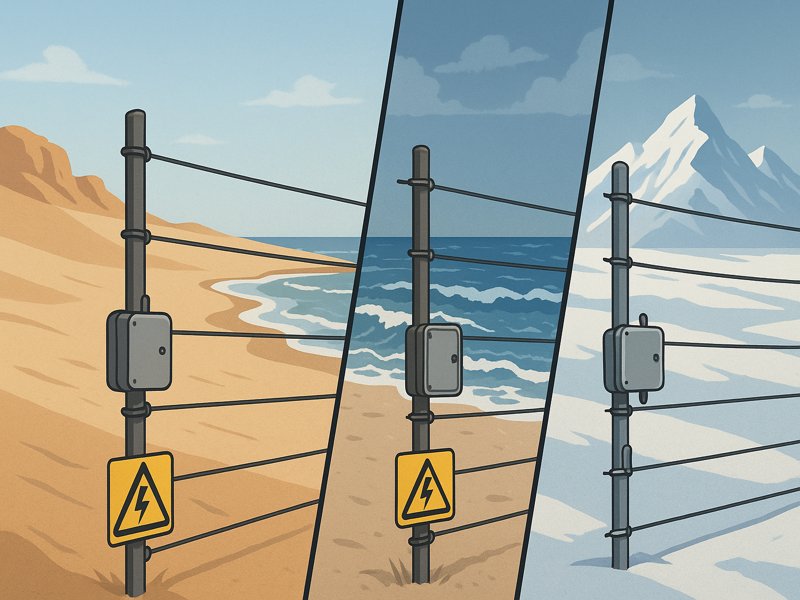
Deploying electric fence PIDS in harsh environments—such as deserts, coastal areas, and arctic zones—presents unique challenges. These environments exert extreme stresses on system components, affect power supply stability, and complicate maintenance routines. Successful deployment requires thoughtful engineering, ruggedized components, and adherence to strict environmental adaptation strategies. Understanding Electric Fence PIDS Systems An electric fence combines a physical high-voltage fence with electronic sensors that monitor for: Voltage drops Line cuts or breaks Ground faults Contact pressure or displacement When an intrusion attempt occurs—such as cutting a wire or applying pressure—the system sends real-time alerts to a central control panel, triggering alarms, lights, and often CCTV surveillance. These systems may include: Independent in distant installations Integrated into larger security frameworks that include video, radar, and access control Their effectiveness in providing both deterrent force and active detection makes them ideal for high-risk sites, especially those in remote or environmentally extreme areas. Unique Challenges in Harsh Environments Harsh environments place extraordinary physical, electrical, and operational stress on electric fence components. Below are key environmental categories and their specific risks: Environment Main Challenges Desert High heat, sand abrasion, and dry soil grounding issues Coastal Salt corrosion, humidity, storm surges, sea spray Arctic Extreme cold, snow load, frost heaving, ice buildup Each environment affects system durability, power continuity, grounding efficiency, and detection sensitivity, requiring custom adaptations to maintain effective perimeter protection. Electric Fence PIDS in Desert Environments High Temperatures Desert temperatures can reach 50°C (122°F) or higher. These conditions affect: Energizer electronics: May overheat without proper ventilation Insulators: UV degradation and thermal expansion Wire tension: Thermal expansion can loosen wires, affecting sensitivity Solutions: Use UV-stabilized plastic or ceramic insulators Install sunshields or shelters over energizers Choose high-temperature-rated wiring and connectors Include thermal monitoring sensors in critical areas Dry and Rocky Grounding Proper grounding is essential for shock delivery and sensor operation. Arid, sandy, or rocky soil resists electrical current return. Solutions: Deep earth rods (over 2.4 meters) or chemical ground rods Install multiple grounding rods in parallel Use moisture-retaining backfill like bentonite or conductive concrete Sandstorms and Abrasion Fine sand causes: Wire wears over time Sensor clogging Reduced visibility for inspection Solutions: Use abrasion-resistant wire coating Design fences with minimal horizontal surfaces Include sealed sensor housings Electric Fence PIDS in Coastal Environments Salt Corrosion Saltwater and airborne salt particles cause rapid corrosion in: Conductive metals Terminals and junctions Insulator mounts Solutions: Make use of wires made of aluminum alloy or marine-grade stainless steel. Apply corrosion-resistant coatings on terminals Use sealed enclosures for electronic components Humidity and Moisture Intrusion Constant humidity can result in: Short circuits and tracking across insulators Reduced insulation resistance False alarms from moisture bridges Solutions: Select high-insulation-value materials Use double-insulated cable for energizer lines Add humidity-compensating algorithms to control panels Wind and Storm Conditions Coastal zones are prone to: Tropical cyclones Hurricane-force winds Storm surges Solutions: Install flexible tensioners to allow movement during wind loads Reinforce fence posts with deep footings and cross-bracing Elevate ground equipment above flood levels Electric Fence PIDS in Arctic Environments Extreme Cold Temperatures in the Arctic can plunge below -40°C (-40°F), leading to: Brittle wire and plastic failures Reduced battery efficiency Frozen ground is hindering grounding Solutions: Use low-temperature-rated elastomers and plastics Install battery warmers or insulated battery cabinets Choose thermal-compensated fence controllers Snow Accumulation and Ice Buildup Heavy snow or freezing rain can: Load wires and break tension Block sensors and short circuits Create ice bridges that bypass detection Solutions: Install angled wire designs to shed snow Use heated insulators or anti-icing coatings Raise the fence height above typical snowpack levels Frost Heave Frozen soil expands and contracts, which can: Dislodge fence posts Misaligned grounding systems Causes structural instability Solutions: Use deep-pile foundations below frost lines Design floating fence supports with expansion joints Recheck alignment and grounding seasonally Power Supply Considerations for Remote Harsh Locations In many harsh environments, electric fences are deployed in off-grid locations, requiring dependable power sources. Power Option Pros Cons Solar Panels Renewable, low-maintenance Reduced output in snow or sandstorms Wind Turbines Reliable in coastal or desert winds Mechanical complexity Hybrid (Solar + Battery) Balances supply-demand Higher upfront cost Backup Generators Emergency reliability Fuel logistics and maintenance Energy storage systems (ESS) such as deep-cycle batteries are essential to buffer power and ensure energizers work during prolonged darkness or adverse weather. Communication & Monitoring Challenges in Harsh Conditions Remote and hostile terrain often means limited connectivity, making centralized control more difficult. Solutions: Wireless RF or LoRa systems for long-range data Satellite uplinks for real-time alerts Edge computing modules to reduce latency Solar-powered repeaters to extend signal reach Additionally, the use of mobile apps, SCADA integration, and encrypted cloud platforms allows for secure, remote fence management. Maintenance Strategies for Harsh Environment Fencing Effective operation in extreme conditions requires a preventive maintenance plan: Maintenance Area Frequency Tasks Wiring Monthly Check for sagging, corrosion, and damage Grounding Quarterly Measure resistance, inspect rods Insulators Monthly Clean, test resistance, replace if cracked Batteries Monthly Voltage check, replace every 2–3 years Control Panel Weekly Review logs, test sensor response Maintenance schedules may need adjustment based on seasonal variation, such as monsoons or snowmelt periods. Case Studies of Successful Harsh Environment Deployments Border Fencing in the Sahara A North African border region deployed a solar-powered electric fence system with: High-tensile galvanized wire Deep chemical earth rods Dustproof smart energizers Results: Zero breaches in 18 months, even during multiple sandstorms. Coastal Energy Facility in Southeast Asia A liquified natural gas (LNG) terminal used marine-grade materials and a dual-fence setup combining an electric fence and fiber optic detection. Result: Reduction of false alarms by 85% and robust corrosion resistance. Arctic Research Base in Northern Canada The perimeter security included: Anti-icing coating on wires Heated control cabinets Snow-shedding fence architecture Despite temperatures dropping to –45°C, the fence system remained operational year-round, securing sensitive scientific equipment. Future Innovations for Harsh Environment PIDS Emerging technologies are making it even easier to deploy electric fence PIDS in extreme conditions: Self-diagnostic AI sensors that adapt to

Blogs

How Electric Fence Systems Play a Role in Perimeter Intrusion Detection Systems (PIDS)

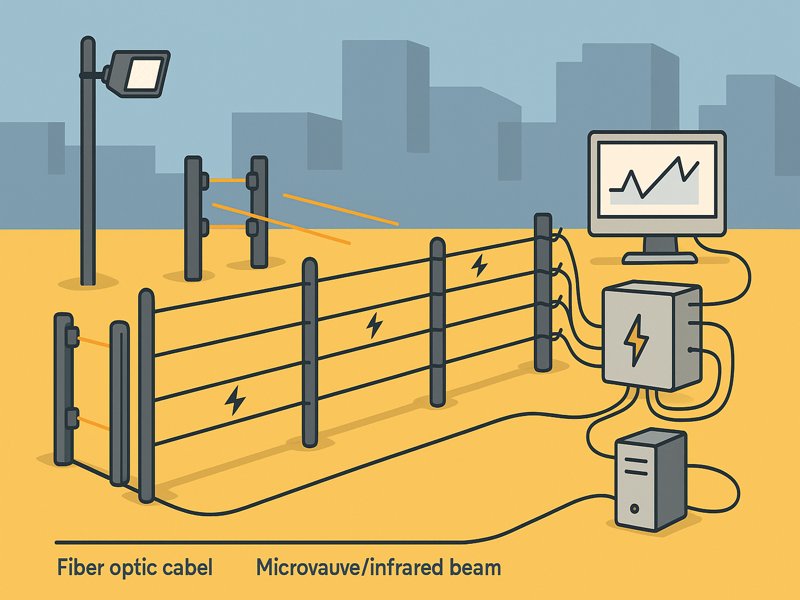
Electric fence systems play a central role in sophisticated Perimeter Intrusion Detection Systems (PIDS), especially in high-security environments such as military bases, critical infrastructure, power plants, and border control zones. Combining deterrence with early detection, electric fences offer a powerful physical and electronic barrier that supports layered security strategies. What is PIDS (Perimeter Intrusion Detection Systems)? A security solution called a Perimeter Intrusion Detection System (PIDS) is made to identify, evaluate, and report any illegal attempts to cross a border that is secured border. These systems typically include multiple sensor types, such as: Fiber optic sensors Microwave and infrared beams Seismic detectors Electrostatic field sensors Electric fence sensors PIDS can be deployed in a multi-layered approach, combining barriers, detection, and response systems to protect sensitive perimeters from intruders. Electric fences serve both as a physical barrier and an active detection element within a comprehensive PIDS framework. Their ability to deter, detect, and delay intrusion attempts makes them a valuable component of high-performance perimeter security systems. What Are Electric Fence Systems? An electric fence system consists of an energized wire network that delivers a non-lethal, high-voltage pulse at regular intervals. Usually, the essential elements consist of: Power is transformed into high-voltage pulses by an energizer (power unit). Insulated wire strands: Carry the electrical charge Earth grounding rods: Provide a return path for the current Tensioners and support poles: Maintain wire integrity and stability Monitoring unit: Detects and reports abnormal changes such as cuts, shorts, or grounding The person or thing that comes into contact with the energized wires receives a momentary electric shock. While not dangerous under normal operating conditions, this shock is painful enough to act as a powerful deterrent. How Electric Fences Integrate into PIDS Physical Barrier and Psychological Deterrence Electric fences form the first line of defense by creating a visible and painful obstacle. The psychological deterrent—knowing the fence is electrified—discourages most intruders from even attempting a breach. 3.2 Intrusion Detection and Alarm Triggering Modern electric fence systems are integrated with sensor technologies that detect: Voltage drops (due to grounding or wire cutting) Short circuits Line tampering Pressure or force on the wires A central control system receives real-time alerts from these triggers and can subsequently: Log the intrusion attempt Trigger alarms or lights Notify security personnel Activate surveillance cameras Electric fences can operate independently or alongside other PIDS elements, forming a layered detection matrix that increases reliability and reduces false alarms. Applications of Electric Fence PIDS Solutions Electric fences are deployed across a wide range of sectors, including: Sector Use Case Military and Defense Border fencing, base perimeter security, arms depot protection Power Plants Nuclear facility fencing, substations, transformer yards Airports and Seaports Restricted area boundary detection, cargo terminal security Industrial Zones Oil refineries, chemical plants, logistics depots Correctional Facilities Containment of inmates and protection from external intrusion Farms and Ranches Livestock protection, rural perimeter fencing Smart Cities Integration with surveillance and automated response systems Each of these applications benefits from the deterrence, detection, and delay capabilities of electric fence systems integrated within a broader PIDS. Key Features of Electric Fence Systems for PIDS Non-Lethal Yet Effective Deterrence Electric fences deliver safe, controlled shocks that are sufficient to deter but not harm humans or animals. This makes them suitable for urban, rural, and high-risk zones. Real-Time Monitoring and Alerts With continuous voltage monitoring and tamper detection, electric fences provide real-time feedback to control centers, enabling rapid response. Scalability and Modularity Electric fencing can be installed in modular configurations, from simple single-zone barriers to complex multi-zone grids integrated with CCTV and access control. Environmental Resilience Electric fences can operate in harsh weather and challenging terrains (desert, forest, snow, or marine environments) with proper grounding and insulation Electric Fence System Design in a PIDS Network Designing an electric fence for PIDS involves the following steps: Step Description 1 Site survey: Assess terrain, perimeter length, and vulnerability points 2 Define zones: Divide the fence into logical alarm zones for better incident tracking 3 Select hardware: Choose energizer capacity, number of wires, sensor types 4 Integration: Connect with VMS, alarms, and control centers 5 Testing & calibration: Adjust voltage levels, sensitivity, and response thresholds Advanced systems also include dual-technology integration, combining electric fence detection with radar, seismic sensors, or AI-enhanced video analytics. Advantages of Electric Fence Systems in PIDS Advantage Explanation Dual role Acts as both a physical barrier and an intelligent sensor Low false alarm rate Less susceptible to wind, small animals, or weather than passive IR or microwave sensors Immediate feedback Voltage drop or tampering generates instant alerts Deterrent value Clear signage and painful shocks prevent unauthorized attempts Low operating cost Energy-efficient and with minimal maintenance once installed High adaptability Can be used on walls, fences, gates, rooftops, and stand-alone perimeters Zonal monitoring Security teams can quickly locate breach zones These advantages make electric fencing particularly appealing for critical infrastructure protection, where both active and passive deterrents are required. Integration with Other PIDS Technologies Electric fences can be integrated with several other PIDS layers, such as: CCTV Surveillance: Electric fence alarms can trigger camera movement and recording in a specific intrusion zone. Access Control Systems: Automatic gate locks can be activated in response to electric fence breaches. Alarm Management Software: Centralized platforms aggregate data from electric fences and other sensors for fast incident resolution. Radar/Seismic Sensors: Supplement fence data with buried sensors for cross-validation. This multi-layer integration significantly improves detection accuracy and operational control. Regulatory and Safety Considerations While electric fences are non-lethal, they must comply with safety standards to protect personnel and the public. Key standards include: IEC 60335-2-76: International standard for electric fence energizers UL 69: North American safety standard National Electrical Codes: Regional compliance for installation, grounding, and energy levels Proper signage is mandatory, and warning boards must be visible at regular intervals to prevent accidental contact. Challenges and Mitigation Strategies Challenge Mitigation Strategy Grounding issues in dry or rocky soil Use deeper or enhanced grounding techniques Power supply outages Integrate solar panels or battery

Leave Your Message