
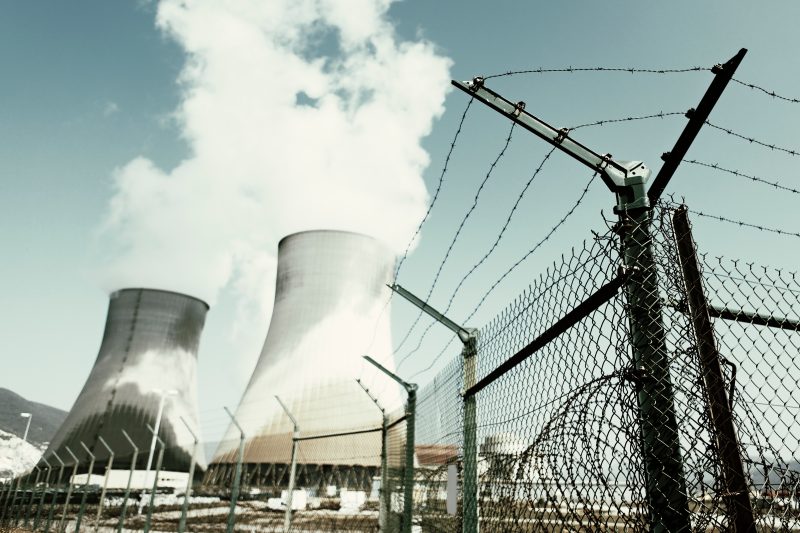
Deploying Fence Intrusion Detection Systems at Power Plants and Energy Facilities
Energy facilities—from nuclear plants to wind farms—are vital to powering homes, industries, and economies. Due to their importance, they are often targets of theft, sabotage, or terrorism. Fence intrusion detection systems (FIDS) are crucial for securing these sites and preventing unauthorized access. This article outlines the value, implementation strategies, key components, and challenges of using FIDS at energy facilities, offering guidance for utility operators and security planners. The Importance of Perimeter Security in Energy Facilities Energy assets are classified as critical infrastructure by governments worldwide. Any disruption in their operation can result in cascading effects—loss of electricity, communication failure, economic damage, or even national security threats. Key threats include: Sabotage and Terrorism: Attacks aiming to disrupt the national energy supply. Theft and Vandalism: Copper wire, fuel, and sensitive equipment are often targeted. Accidental Breaches: Civilians or animals unintentionally crossing into restricted zones. Espionage or Surveillance: Unwanted actors trying to gain insights into operations. Given these threats, securing the perimeter fence becomes the first line of defense. Traditional fences are passive barriers. When paired with intrusion detection systems, they become active security measures that can detect and report unauthorized attempts in real time. FIDSs, or fence intrusion detection systems, are what? A sensor-based tool called a fence intrusion detection system is used to keep an eye on and identify attempts at incursion along perimeter fences. These systems turn the fence into an intelligent barrier that can sense disturbances and generate alerts. FIDS can detect: Climbing Cutting Lifting Tampering Digging near the base They are designed to prevent false alarms produced by environmental elements like wind, rain, or tiny animals. Key Components of Fence Intrusion Detection Systems Sensors Sensors are the backbone of any FIDS. These include: Vibration Sensors: Detect cutting, climbing, or impact on the fence. Fiber Optic Sensors: Use light pulses along cables to detect minute changes from physical contact. Microphonic Cables: Listen for specific vibration patterns. Magnetic and Seismic Sensors: Monitor disturbances in the magnetic field or ground vibrations near the fence. Processing Units (Analyzers) These devices interpret sensor signals and determine whether an alert should be triggered. They separate genuine hazards from innocuous occurrences by filtering environmental noise using algorithms. Control Platforms A central management system collects and visualizes alarm data. These platforms often integrate with: Access control systems Alarm systems Power Supply and Communication Reliable power sources and communication links (fiber, IP, or wireless) are vital for continuous operation. Backup power systems are also recommended. Benefits of Deploying FIDS in Energy Facilities Real-Time Intrusion Alerts Operators can respond immediately to intrusion attempts, reducing reaction times and limiting damage. Deterrence and Delay Visible or concealed sensors act as a deterrent. Moreover, detecting threats early allows security teams to delay attackers until law enforcement arrives. Reduced False Alarms Modern FIDS use advanced signal processing and AI algorithms, greatly reducing nuisance alarms from weather, wildlife, or vibrations. Scalability and Integration FIDS can be integrated into existing security architectures and scaled across multiple facility sites with centralized control. Low Operational Costs Compared to hiring guards for every section of a perimeter, FIDS are cost-efficient long-term solutions requiring minimal maintenance. Types of Energy Facilities that Benefit from FIDS Facility Type Security Considerations FIDS Application Nuclear Power Plants National security threats, radiation theft High-sensitivity fiber optic FIDS with CCTV integration Hydroelectric Dams Large open perimeters, potential sabotage Vibration sensors with seismic monitoring Solar Farms Equipment theft, vandalism Lightweight sensor-based FIDS with remote monitoring Wind Farms Wide area, remote locations Wireless FIDS for perimeter and tower base protection Oil & Gas Plants High explosion risk, theft, terrorism Intrinsically safe FIDS with hazardous-area certification Substations Copper theft, critical junctions Compact FIDS with local alarm capabilities Implementation Considerations Risk Assessment and Site Survey Deploying FIDS successfully requires a multi-phase approach: Each facility is unique in layout, terrain, and threat profile. A site assessment helps determine: Fence condition and material Environmental conditions (wind, wildlife) Access points and choke zones Existing security layers Technology Selection Choose the FIDS type based on the facility’s needs: Fiber optic for precision Microphonic for budget-conscious projects Hybrid systems for complex perimeters Integration with Surveillance FIDS should be linked with CCTV and alarms. For instance, if a vibration is detected at Sector 4, the nearest PTZ camera should automatically zoom in on that location. Zoning and Localization Fences should be divided into zones, each linked to a segment of the monitoring platform. This localization allows for quick threat identification and response. Testing and Calibration Initial and periodic testing ensures optimal sensitivity. While undersensitive systems may overlook actual dangers, oversensitive ones generate false alerts. Maintenance and Training Regular inspections, sensor cleaning, and firmware updates are crucial. In addition, security staff must be trained in interpreting alerts and responding efficiently. Challenges and Solutions Challenge Solution Harsh weather conditions are causing false alarms Use AI-enhanced FIDS with environmental compensation algorithms Power outages Deploy solar-powered sensors and battery backups Long or irregular perimeters Implement scalable FIDS with wireless communication modules Animal and wildlife interference Calibrate detection thresholds to ignore small movement patterns Integration with legacy systems Use middleware or API-based integration platforms The Future of FIDS in Energy Security Emerging technologies are influencing the development of perimeter intrusion detection systems, such as: AI and Machine Learning: These help analyze sensor data more intelligently, predict patterns, and reduce false alarms. Drone Integration: Intrusion alerts can trigger autonomous drones to inspect the scene. Cybersecurity Fusion: As more FIDS are connected to IP networks, securing them from cyber threats is critical. Smart Grid Synchronization: Future systems will link FIDS data with smart grid operations to pre-emptively react to physical and digital threats. Conclusion Power plants and other energy facilities must be protected, thus, fence intrusion detection systems are no longer an option. In a landscape where threats are both evolving and persistent, these systems provide the real-time visibility, deterrence, and actionable alerts necessary to protect our most critical assets. Whether you are securing a solar field in the desert or a nuclear plant in a metropolitan area, FIDS can