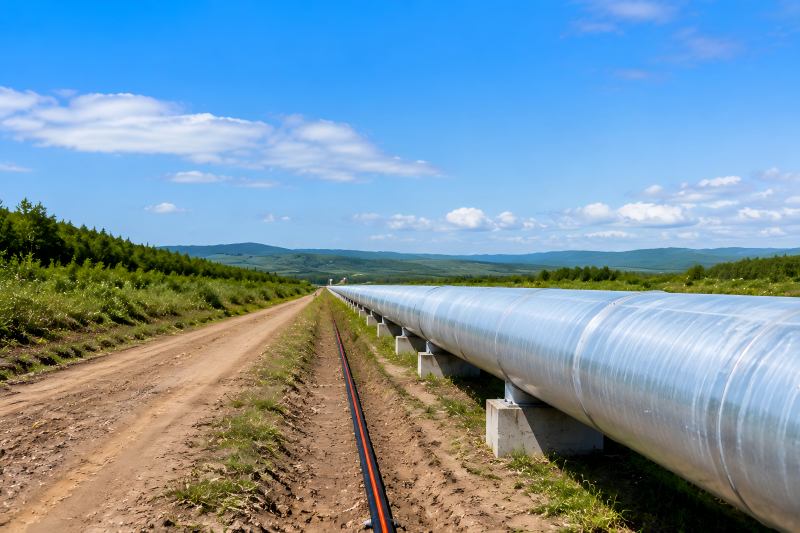
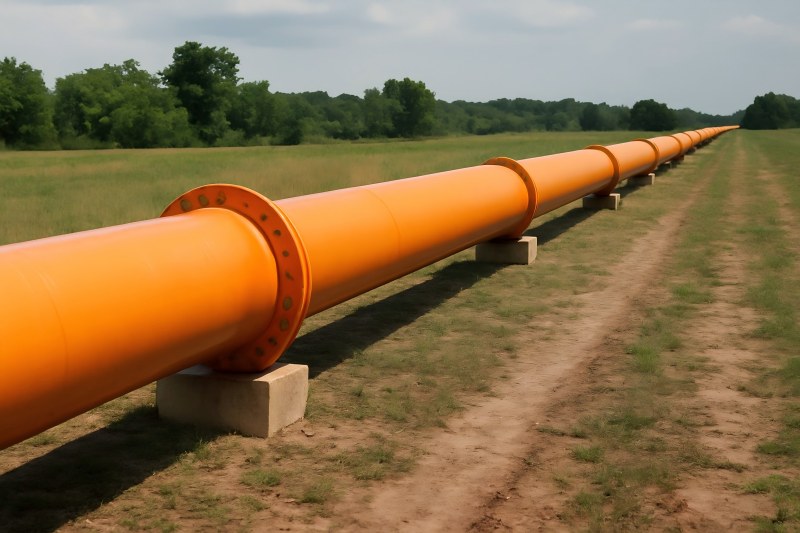
Pipeline networks are critical assets that transport oil, gas, water, chemicals, and refined fuels across vast distances. Their remote locations and extended geographical coverage make them highly vulnerable to third-party interference, illegal tapping, excavation damage, sabotage, and environmental threats. Protecting these assets requires more than traditional monitoring—it requires real-time, intelligent intrusion detection.
As a global manufacturer of perimeter intrusion detection technologies, Gato provides advanced Pipeline Intrusion Detection Systems (PIDS) designed to secure pipelines with unmatched accuracy, long-distance coverage, and rapid response capability.
This article explains what a pipeline PIDS system is, how it works, the technologies involved, and why operators worldwide rely on Gato PIDS solutions for pipeline safety.
What Is a Pipeline Intrusion Detection System (PIDS)?
A Pipeline Intrusion Detection System (PIDS) is a specialised monitoring solution that detects, classifies, and locates any unauthorised activity occurring near or directly on a buried or above-ground pipeline.
Unlike SCADA—which monitors internal pipeline conditions—PIDS focuses on external physical threats such as digging, machinery vibration, pipe tampering, illegal tapping, and ground movement.
Gato PIDS systems provide real-time alerts to prevent:
- Pipeline ruptures
- Oil and fuel theft
- Environmental disasters
- Service downtime
- High repair and cleanup costs
Why Pipeline Operators Need Gato’s PIDS Solutions
Pipeline incidents often occur because threats are detected too late. Gato PIDS provides early warnings that prevent costly failures.
Key Reasons Operators Deploy Gato PIDS
| Challenge | Impact Without PIDS | Gato Solution |
| Unauthorized excavation | Pipeline rupture, leaks | Detects digging instantly |
| Illegal tapping | Fuel loss, contamination | Recognises tapping & drilling patterns |
| Remote terrain | Hard to patrol | 24/7 automated monitoring |
| Heavy machinery | Accidental damage | Machine-type classification |
| Environmental shifts | Soil erosion, landslides | Detects ground deformation |
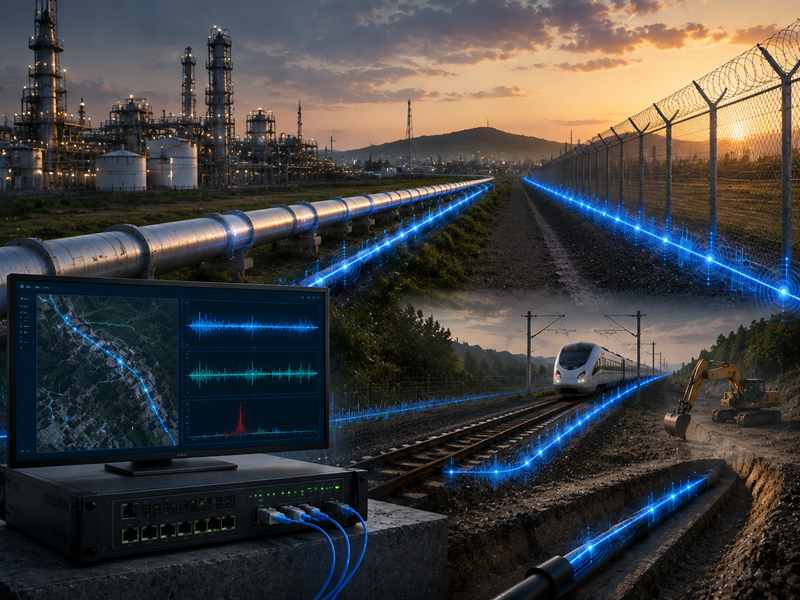
How Gato Pipeline PIDS Works
Gato’s detection process is built around accuracy, ultra-fast response, and intelligent event classification.
Step 1 — Sensors capture external disturbances
Vibration, acoustic energy, seismic activity, ground movement, or pipe contact.
Step 2 — Gato’s analytics engine filters and analyses data
Advanced algorithms eliminate noise (wind, animals, rain) and isolate real threats.
Step 3 — Event classification
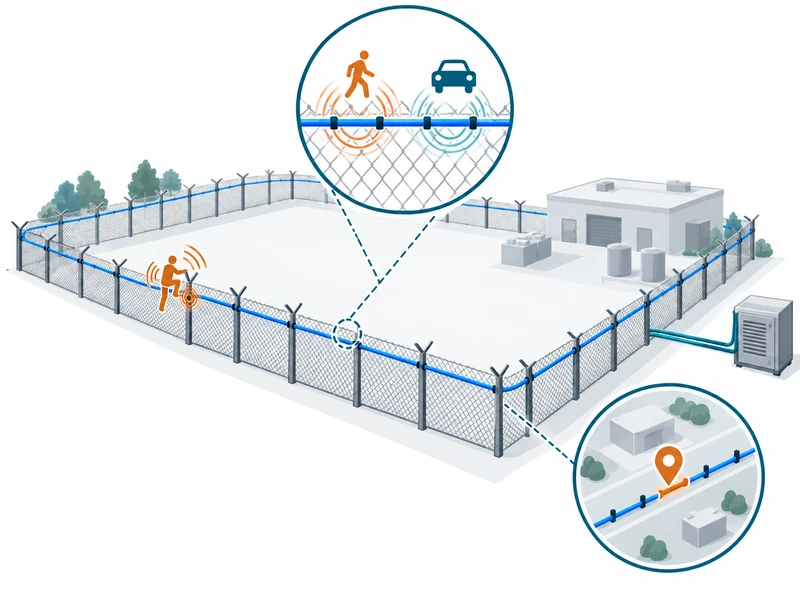
The system differentiates between digging, drilling, footsteps, driving, or tampering.
Step 4 — Exact location detection
Gato PIDS pinpoints events along the ROW, often within ±10 meters.
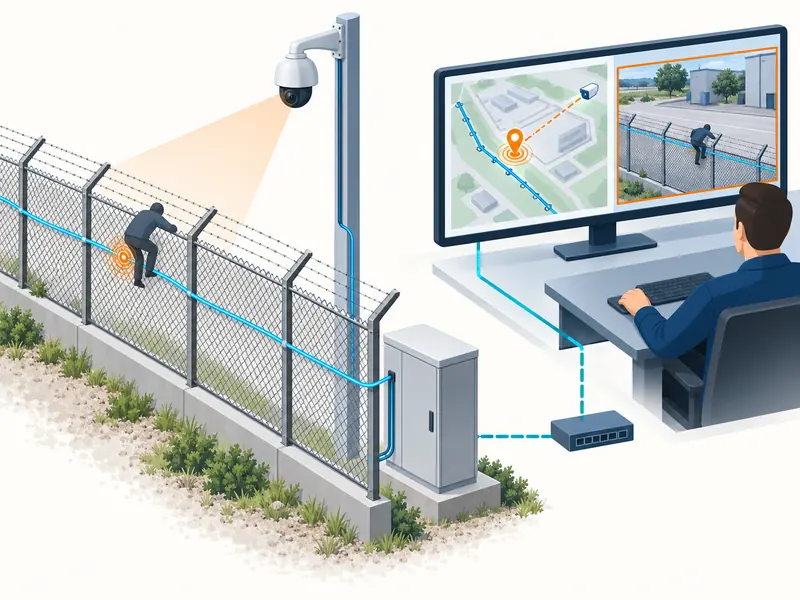
Step 5 — Instant alarm delivery
Alerts appear on Gato’s unified platform and can integrate with:
- SCADA
- GIS
- CCTV
- Command centre dashboards
- Mobile devices
Operators receive the information they need to respond immediately.
Core Components of Gato Pipeline PIDS
A full Gato system includes:
- Fibre optic or seismic sensors
- Signal processing and an AI classification engine
- Long-distance communication module
- Gato Command Platform (monitoring software)
- Solar or hybrid power units (optional)
- Integration APIs for SCADA and third-party systems
Every component is optimised for pipeline-scale deployments.
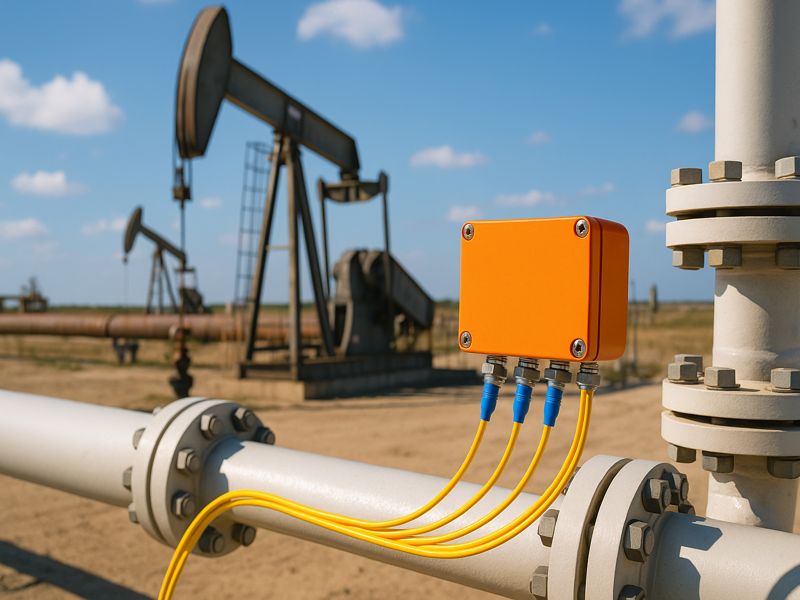
Gato PIDS Technologies for Pipeline Protection
Gato offers multiple sensing technologies based on application requirements.
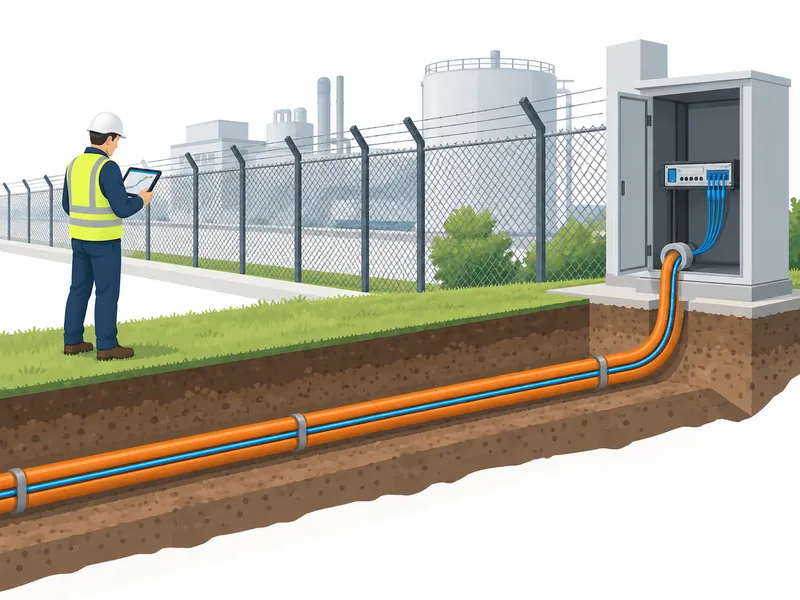
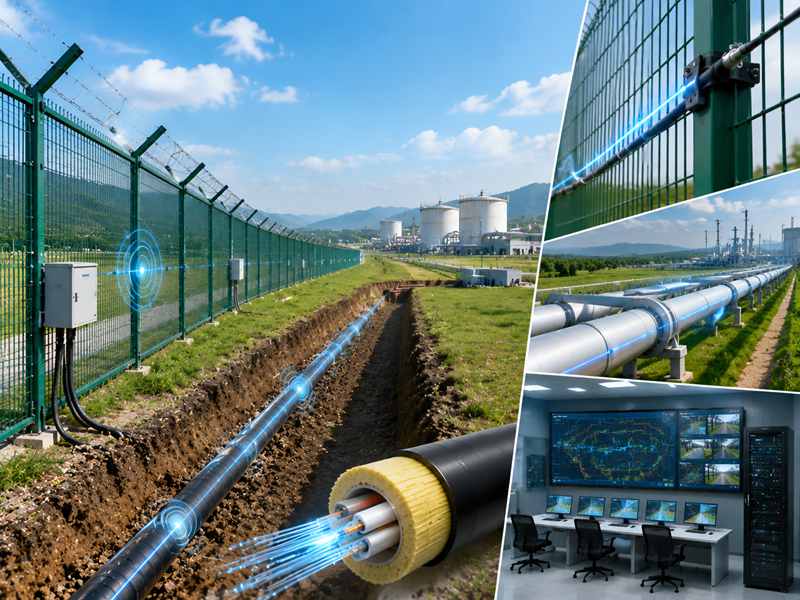
Fiber Optic Sensing (DAS-Based) — Gato’s Flagship Pipeline Solution
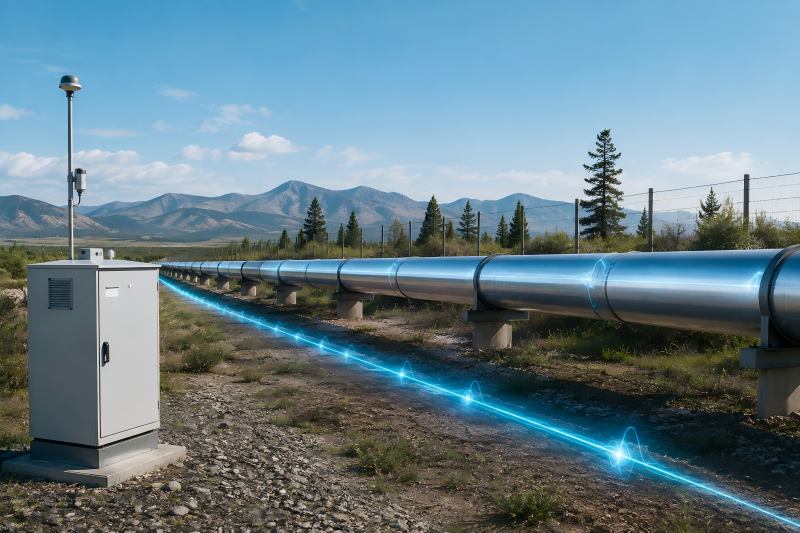
A fibre optic system transforms a single fibre cable into a continuous, real-time sensor.
Capabilities:
- Detects walking, digging, drilling, tapping
- Covers 50–100 km per cable
- Locates intrusions with meter-level accuracy
- Immune to electromagnetic interference
- Requires minimal maintenance
Ideal for:
Long-buried pipelines, high-risk corridors, and oil and gas transmission lines
Buried Sensors
These sensors detect ground vibration patterns related to human activity or machinery.
Ideal for:
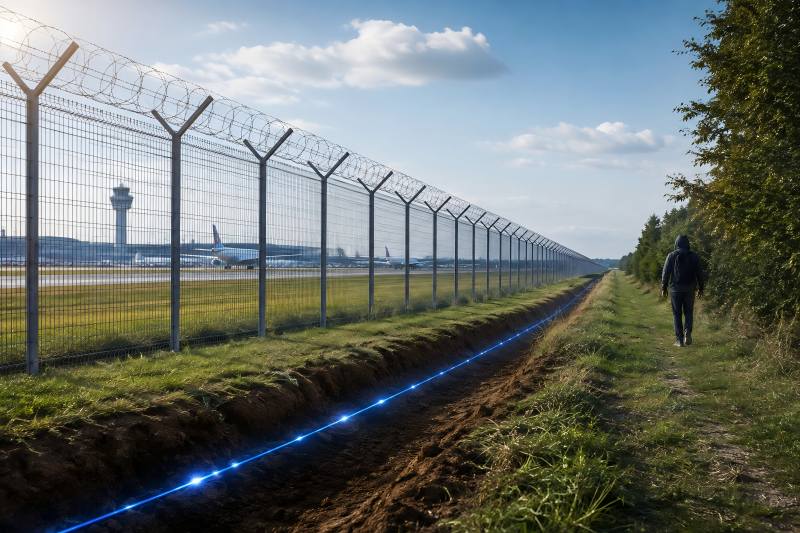
Short zones, ROW choke points, border areas
Pipeline-Mounted Vibration Sensors
Mounted directly to above-ground or exposed lines.
Detects:
- Sawing
- Hammering
- Cutting
- Climbing vibration
Ideal for:
Terminals, meter stations, tank farms, exposed pipe sections
Radar / Microwave Sensors
Used for perimeter monitoring around pipeline facilities.
Ideal for:
Pump stations, block valve stations, compressor stations
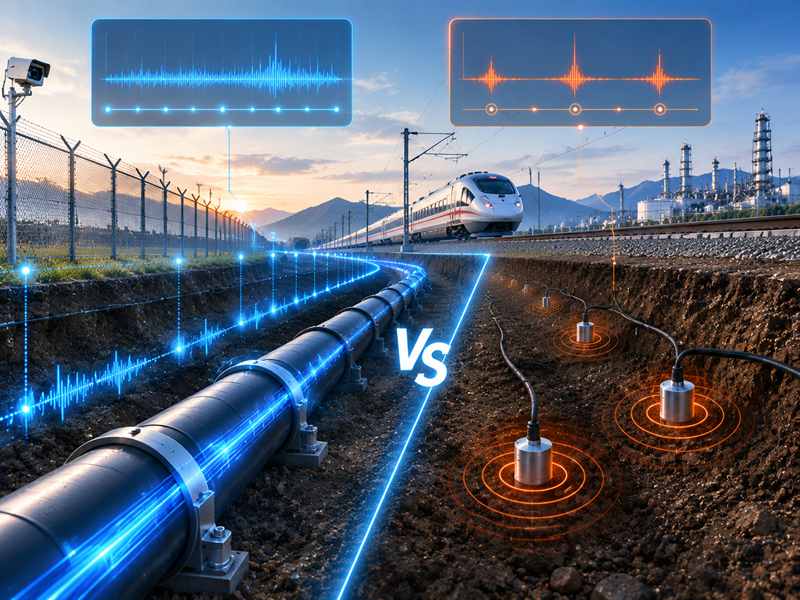
Technology Comparison Table
| Technology | Coverage Range | Sensitivity | Best Application | Limitations |
| Fibre Optic DAS | 50–100 km | Very High | Long pipelines | Higher initial cost |
| Buried Seismic Sensors | 30–300 m | High | ROW corridors | Requires a sensor network |
| Vibration Sensors | Local | Medium | Above-ground pipelines | Not suitable for long distances |
| Radar / Microwave | 100–300 m | Medium | Facilities | Not for underground threats |
Gato’s engineering team typically recommends fibre optic DAS for new pipeline protection projects due to its scalability and precision.
What Gato PIDS Detects
Gato systems are designed for multi-threat environments, capable of identifying different intrusion patterns with high accuracy.
| Threat Type | Recognised Signal Pattern |
| Manual digging | Repetitive shovel impacts |
| Mechanical excavation | Engine vibration + hydraulic cycle patterns |
| Illegal tapping | Drilling or cutting resonance |
| Walking / Running | Distinct footstep signatures |
| Vehicle movement | Tire vibration + frame resonance |
| Soil movement | Slow subsoil deformation patterns |
| Pipeline tampering | Metal impact/surface contact |
Where Gato PIDS Is Deployed
Gato pipeline intrusion detection systems support:
- Crude oil transmission pipelines
- Natural gas distribution and transmission
- Petrochemical pipelines
- Water and wastewater transmission lines
- Fuel distribution networks
- Mine slurry pipelines
- Industrial plant pipelines
- Remote block valve stations
- Tank farms and terminal pipeline connections
- Cross-border pipeline corridors
Gato’s adaptability ensures effective protection in deserts, mountains, forests, urban zones, and offshore approach areas.
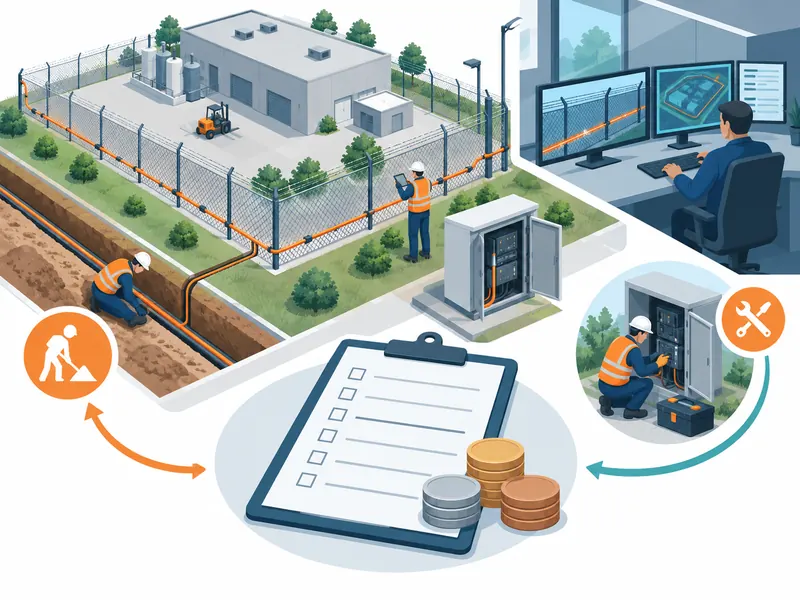
Choosing the Right Gato PIDS System
Gato provides pipeline operators with a tailored solution based on engineering requirements.
Key Selection Factors
| Factor | Details to Consider |
| Pipeline Type | Buried, above-ground, mixed terrain |
| Distance | Long-range or short-range corridor |
| Threat Level | Theft, excavation, sabotage, environmental |
| Terrain | Soil type, vibration noise, seismic activity |
| Climate | Extreme heat/cold, rain, wind, interference |
| Integration | SCADA, GIS, CCTV, command centre |
| Maintenance Access | Remote or accessible areas |
| Budget & Lifespan | 20-year lifecycle planning |
A Pipeline Intrusion Detection System is essential for protecting critical pipeline infrastructure from interference, theft, and environmental threats. Gato provides one of the industry’s most advanced PIDS portfolios, built on precision sensing technology, AI analytics, real-time monitoring, and long-distance scalability.
With Gato PIDS, pipeline operators gain:
- Full visibility across their ROW
- Early detection of excavation, tapping, tampering, and ground movement
- Stronger environmental and operational safety
- Compliance with global safety regulations
- Reduced operational cost
- Reliable protection for 20+ years of pipeline service life
Whether securing a 10 km industrial line or a 300 km national pipeline, Gato delivers the technology, expertise, and reliability required for modern pipeline protection.