


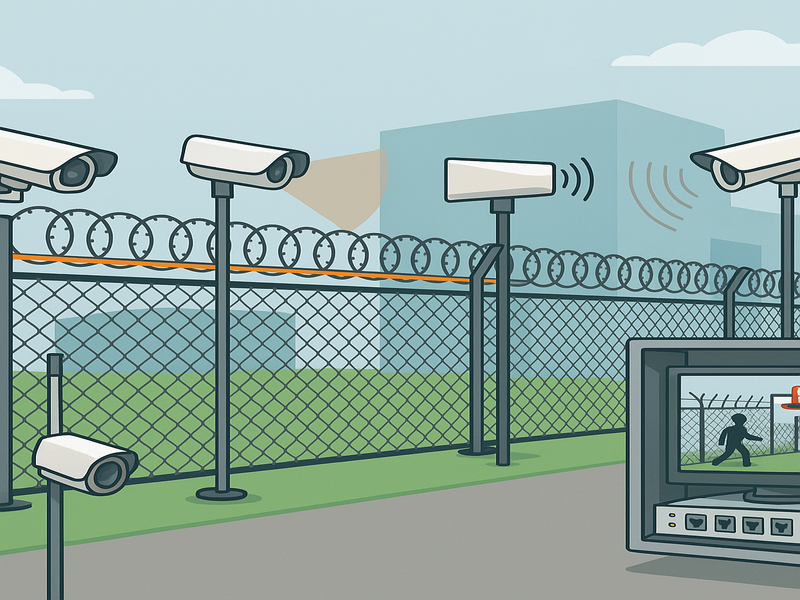
A Perimeter Intrusion Detection System (PIDS) is a critical security measure designed to detect, deter, and delay intrusions before they reach your facility’s interior. Determining the cost of a PIDS isn’t as simple as looking at one number — it’s influenced by multiple factors, including perimeter length, risk level, terrain complexity, environmental conditions, chosen technology, and integration requirements.
Understanding PIDS and Its Cost Structure
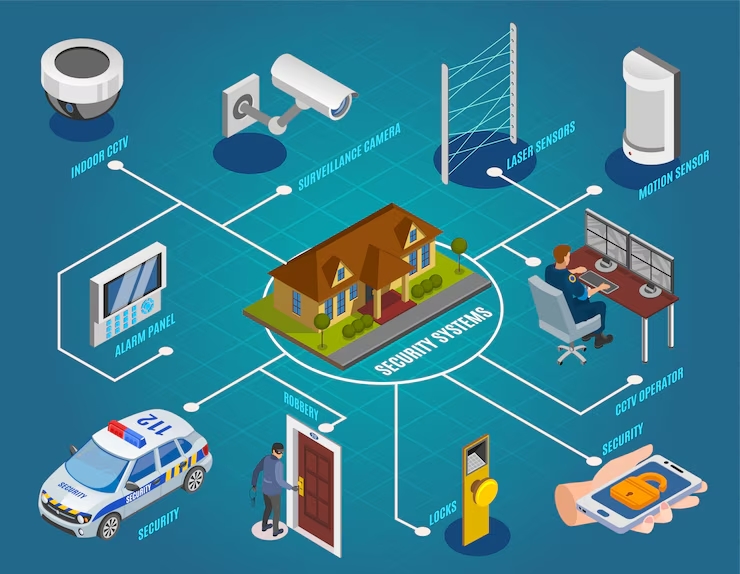
A PIDS is not a single device but a system combining physical components (barriers, gates) with electronic detection (sensors, cameras, analytics) and integration into a command-and-control (C2) platform.
Typical Components
- Sensors: fence-mounted vibration sensors, buried seismic detectors, microwave or radar units.
- Verification systems: video cameras, thermal imagers, analytics software.
- Barriers: fences, gates, vehicle blockers.
- Infrastructure: poles, mounts, trenching, cable pathways, and power supply.
- Communications: fiber optic, copper, or wireless backhaul.
- Control & monitoring: VMS/PSIM, alarm servers, storage.
Key Factors That Influence PIDS Cost
The cost per meter or per project varies widely depending on:
- Perimeter length & layout: Longer and irregular perimeters require more hardware, poles, and cabling.
- Security level: High-risk sites demand dual-layer detection, redundancy, and higher Pd/FAR performance.
- Technology type: The chosen sensor plays a key role in determining overall cost.
- Environmental challenges: Harsh climates, wildlife, and electromagnetic interference can add to installation and maintenance expenses.
- Integration complexity: Linking PIDS to existing CCTV, access control, or PSIM increases cost.
- Regional variations: Labor rates, import duties, and compliance costs differ by location.
Major Cost Categories
Capital Expenditure (CAPEX)
- Hardware: Sensors, processors, cameras, energizers, gates, poles, and cabinets.
- Civil works: Trenching, concrete footings, mounting structures.
- Networking: Switches, fiber runs, wireless bridges.
- Power systems: UPS, backup generators, solar for remote segments.
- Software & licenses: VMS, analytics, health monitoring.
- Design & engineering: Risk assessment, coverage modeling, IFC drawings.
Operational Expenditure (OPEX)
- Preventive maintenance: Cleaning lenses, recalibrating sensors, and vegetation trimming.
- Repairs & replacements: Spare cables, power supplies, and damaged sensor units.
- Monitoring costs: On-site or remote SOC.
- Software renewals: License fees, firmware updates.
- Utilities: Electricity and network costs.
Total Cost of Ownership (TCO)
- Combines CAPEX and OPEX over 5–10 years.
- Includes depreciation and technology refresh cycles.
Typical Technology Options and Costs
| Technology | Typical Cost (USD) per Meter | Pros | Cons | Maintenance Load |
| Fence-mounted cable (microphonic) | $50–$120 | Good PD, moderate cost | Sensitive to fence looseness | Low–Medium |
| Fiber-optic fence sensing | $100–$200 | EMI-immune, precise location | High upfront cost | Low |
| Buried seismic/magnetic | $150–$300 | Invisible, covers open areas | Civil works heavy | Medium |
| Microwave barrier | $80–$150 | Wide coverage, weather-tolerant | Multipath issues | Low |
| Active IR beams | $60–$100 | Defined detection lines | Fog/snow occlusion | Low |
| Radar | $200–$400 | Tracks moving targets | Costly | Low |
| Thermal camera + analytics | $5,000–$8,000 per unit | Works in total darkness | High cost | Low |
Example Pricing Scenarios
Scenario A — Small Warehouse (500 m perimeter)
Configuration: Fence-mounted microphonic cable + fixed cameras for verification.
- Sensors: $35,000
- Cameras & VMS: $20,000
- Poles, mounts, cabling: $15,000
- Power & network: $10,000
- Civil works: $8,000
- Software licenses: $7,000
- Total CAPEX: ~$95,000 ($190/m)
- Annual OPEX: ~$8,000 (maintenance + licenses)
Scenario B — Medium Industrial Site (2 km perimeter)
Configuration: Dual-technology microwave + thermal cameras at gates, integrated with access control.
- Sensors: $250,000
- Cameras & analytics: $180,000
- Infrastructure: $90,000
- Power & network: $60,000
- Civil works: $55,000
- Software licenses: $40,000
- Total CAPEX: ~$675,000 ($337/m)
- Annual OPEX: ~$45,000
Scenario C — Critical Utility (8 km perimeter)
Configuration: Fiber DAS + radar at water approaches, high redundancy, solar-powered remote zones.
- Sensors: $1,200,000
- Radar & cameras: $900,000
- Infrastructure: $400,000
- Power (solar + backup): $250,000
- Civil works: $300,000
- Software licenses: $120,000
- Total CAPEX: ~$3,170,000 ($396/m)
- Annual OPEX: ~$160,000
Hidden or Overlooked Costs
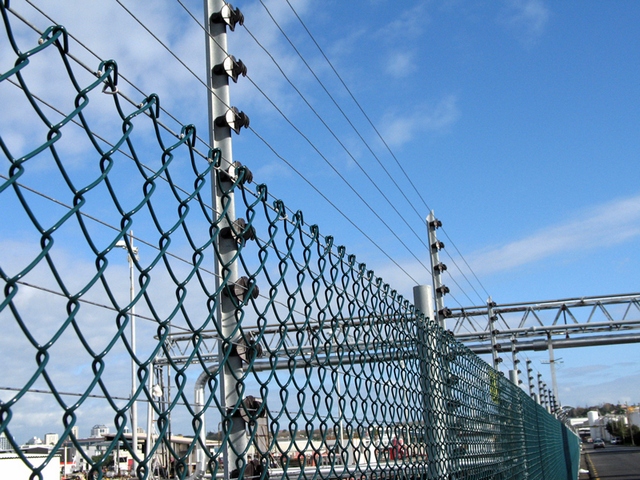
- Permits and compliance (electrified fences, environmental protection).
- Training for operators and technicians.
- Spare parts inventory for rapid repair.
- Downtime contingencies and temporary measures.
Cost Optimization Strategies
- Deploy in phases, prioritizing high-risk zones.
- Combine lower-cost sensors with targeted high-end verification.
- Reuse existing poles, ducts, and power lines.
- Standardize equipment to simplify spares and maintenance.
ROI Considerations
- Reduction in theft/vandalism incidents.
- Lower insurance premiums.
- Labor cost savings from automated detection.
- Avoidance of downtime for critical operations.
Procurement Models
- Outright purchase: higher upfront cost, full ownership.
- Leasing: spreads cost, may include maintenance.
- Managed service: per-meter/month fee with performance SLAs.
The cost of a PIDS can range from under $200 per meter for basic systems to over $400 per meter for advanced, high-security setups. The right solution balances performance, resilience, and budget. Start with a risk assessment, set measurable performance targets, and design with scalability in mind.

How Can We Help?
Please describe your request and how we can help.