Factory and Industrial Park Perimeter Security System
Protect factory boundaries, industrial parks, logistics yards and restricted facilities with perimeter technologies selected for each fence line, gate, operating environment and required alarm response.
Challenges
Late detection of break-ins can lead to stolen goods, damaged equipment, and costly disruptions to factory operations.
After-Hours Break-Ins Threaten Stored Goods
Frequent Deliveries Make Gates Harder to Monitor
Trucks and Machinery Can Trigger False Alarms
Unclear Alarm Locations Delay Guard Response
Our Solution
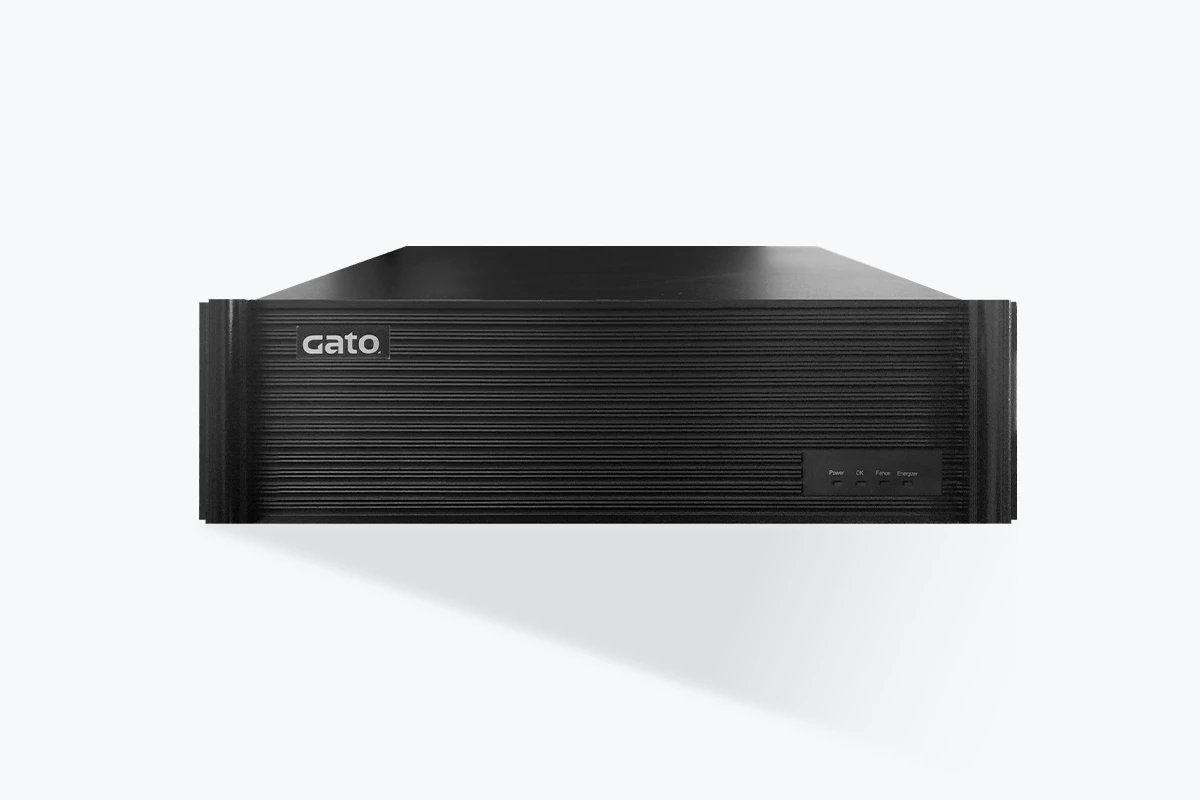
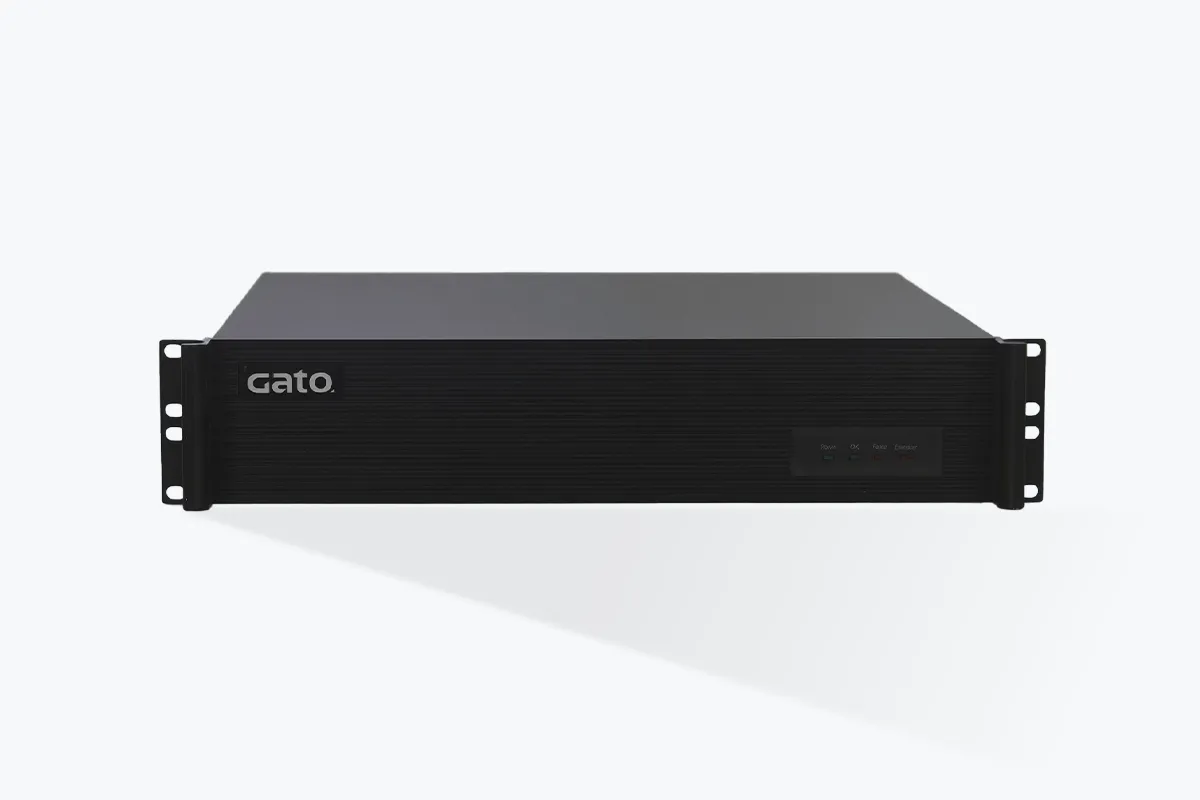
Gato combines F5 zone-based fiber detection for factory fences, F7 DAS for longer boundaries, and C3 laser beams for suitable restricted passages. Pulse electric fencing adds deterrence where permitted. F7’s AI models help filter interference from routine site activity, while location-based and zoned alarms help guards identify where to investigate.
Detect After-Hours Fence Intrusions
Protect Long Fences and Restricted Entrances

Reduce Nuisance Alarms and Speed Up Response
Product Technologies
Zone-Based Factory Fence Protection
Protects divided factory fence sections and identifies the affected alarm zone, helping guards check the right area.
Zone-based detection for defined fence sections.
F7 DAS — Long Perimeter Intrusion Detection
Monitors long industrial boundaries and locates intrusion-related vibrations. Preset and site-trained AI models help filter interference from nearby traffic and routine factory activity.
Intrusion-related vibration monitoring and event location.
Pulse Electric Fence — Active Perimeter Deterrence
Adds visible deterrence and zone-based alarms along approved high-risk fence sections.
Zoned deterrence and alarms where permitted.
C3 Laser Beam — Restricted Passage Detection
Monitors unobstructed restricted passages and selected entrances as an additional layer of intrusion detection.
Beam interruption detection at suitable clear access paths.
Applications

Manufacturing Plants
After production shifts end, warehouses and equipment areas may be left with fewer security patrols. F5 monitors designated fence zones, while F7 detects and locates intrusion-related vibrations along larger factory boundaries. Pulse electric fencing can add deterrence at approved high-risk sections.

Multi-Tenant Industrial Parks
Shared entrances, separate tenant areas and multiple guard posts make security coordination difficult. Zone-based detection helps identify which part of the park needs attention, while compatible management systems can bring alarms from different boundary sections into one interface for guard verification.

Logistics and Distribution Centers
Warehouses and trailer yards often remain active late into the night, with trucks moving around loading docks and access roads. Fiber optic sensing protects designated fence sections, while C3 monitors suitable restricted passages. Detection areas and alarm settings can be arranged to reduce interference from normal deliveries.
Case Studies
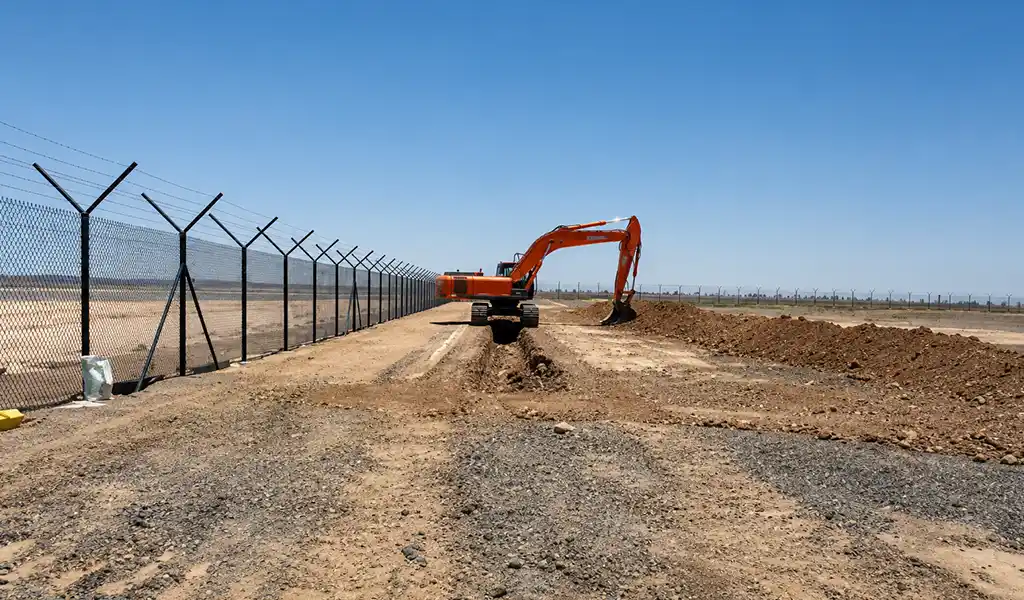
F7 DAS Perimeter Monitoring at Oman PV Industrial Park
Project Requirements
The industrial site required monitoring across an extensive outdoor perimeter exposed to harsh weather and limited maintenance access. The security team needed centralized alarms, event location and a sensing architecture with fewer powered field devices.
Key Challenges
- Long and exposed perimeter sections
- Wind, temperature variation and environmental vibration
- Limited access for routine field maintenance
- Need to associate alarms with specific boundary sections
Our Solution
- F7 DAS sensing fiber deployed along selected perimeter sections
- Software-defined zones aligned with patrol and access routes
- Location-aware alarms for targeted verification
- Passive sensing fiber itself requires no electrical power; the host and any auxiliary equipment require the specified power supply
- Centralized alarm output for the site security workflow
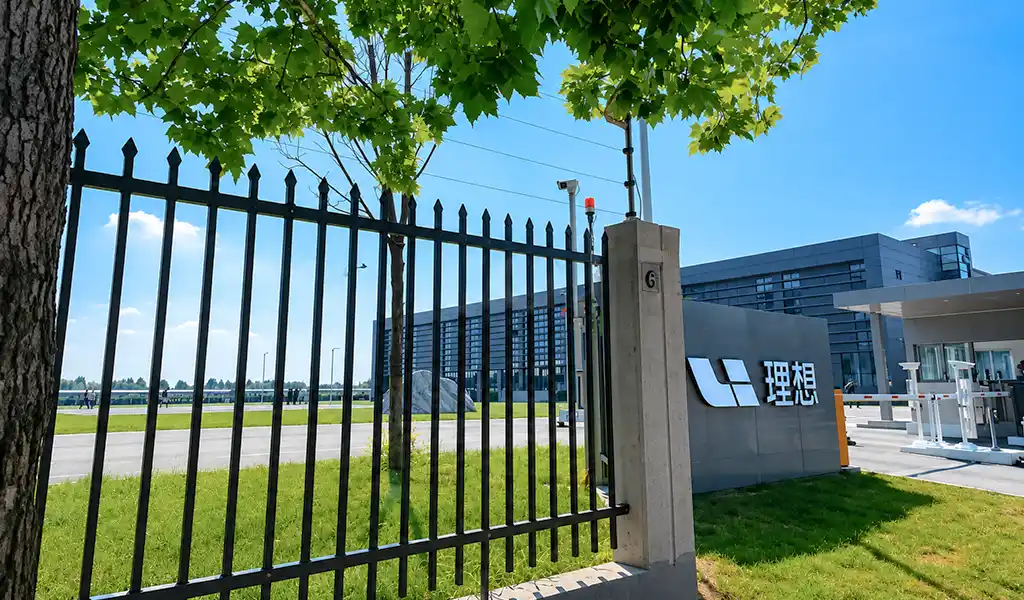
Centralized Perimeter Security for Li Auto R&D Headquarters
Project Requirements
The site required protection for an approximately 1,000 m roadside perimeter, coordination between two guardhouses and integration with the existing video network.
Challenge
- Roadside boundary exposed to external access
- Multiple guard posts requiring coordinated operation
- Need to reuse existing network infrastructure
- Requirement for clear alarm zones and simple arming controls
Solution
- G5S network pulse energizers deployed along approved fence sections
- Perimeter divided into 10 alarm zones
- Existing video network used for alarm communication and linkage
- Two guardhouses connected through the installed SAM200 and A7 alarm-control architecture
- Centralized arming, disarming and alarm handling
Results
- The project provided clearer zone-level alarms, coordinated operation between the two guardhouses and centralized handling of perimeter and video-verification events.
Why Choose Us
Industrial Perimeter Project Experience
Gato’s project references include Li Auto’s R&D headquarters and Oman PV Industrial Park, demonstrating experience with zoned perimeter protection, long fence lines, and centralized alarm management across industrial facilities.
In-House Development and Manufacturing
Established in 2004, Gato develops its security hardware and software in-house and operates its own manufacturing facility. Customers can arrange factory visits and audits to evaluate its production capabilities.
Factory Quality Control Before Shipment
Every unit is factory-tested and must pass inspection before shipment. This provides an additional quality-control checkpoint for perimeter security equipment used across factories, warehouses, and industrial parks.
How We Deliver
Facility and Workflow Review
Review perimeter length, fence and wall types, gates, vehicle routes, shifts, restricted assets, existing alarms, video systems and response procedures.
Technology, Zoning and Interface Design
Define the appropriate technology for each boundary section, alarm zones, sensing ranges, power and communication architecture, platform interfaces and bill of materials.
Commissioning and Handover Support
Support installation guidance, baseline configuration, representative intrusion testing, alarm-zone verification, interface testing, operator training and acceptance documentation.
Request a Factory Perimeter Design Review
Share your facility layout, perimeter length, boundary types, gate locations, operating traffic and existing security systems. Our engineers will recommend an appropriate technology mix and alarm architecture.
Frequently Asked Questions
Can the sensing cable remain in service when part of a factory fence is rebuilt?
It may be possible to retain or reinstall the cable if it has not been crushed, sharply bent, stretched, or otherwise damaged during the fence work. Before reuse, the cable route and connection points should be inspected and tested. The rebuilt fence section must also be stable enough for factory fence monitoring. If the boundary position or construction has changed, the corresponding alarm map and site records should be updated.
What routine maintenance does a fiber optic factory perimeter system require?
The sensing route is passive, but the complete system still requires planned inspection. Maintenance should include checking fence condition, cable attachment, exposed connection points, equipment enclosures, communication status, and alarm reporting. Representative event tests should also be carried out after fence repairs or significant site changes. These checks help identify physical damage or configuration drift before it affects security operations.
Can a factory perimeter security system be extended when a new warehouse is added?
Expansion may be possible, but it should not be assumed from the existing installation alone. The review should confirm available system capacity, the new cable route, boundary construction, alarm-area naming, communication availability, and how the new section will appear in the monitoring platform. If the extension changes the original route or response plan, the updated section should be commissioned and documented as part of the expanded system.